Coining: What It Is, How It Works, And Potential Risks
Traditional Asian therapy involving skin scraping to release 'wind' and treat ailments, producing characteristic linear petechiae.
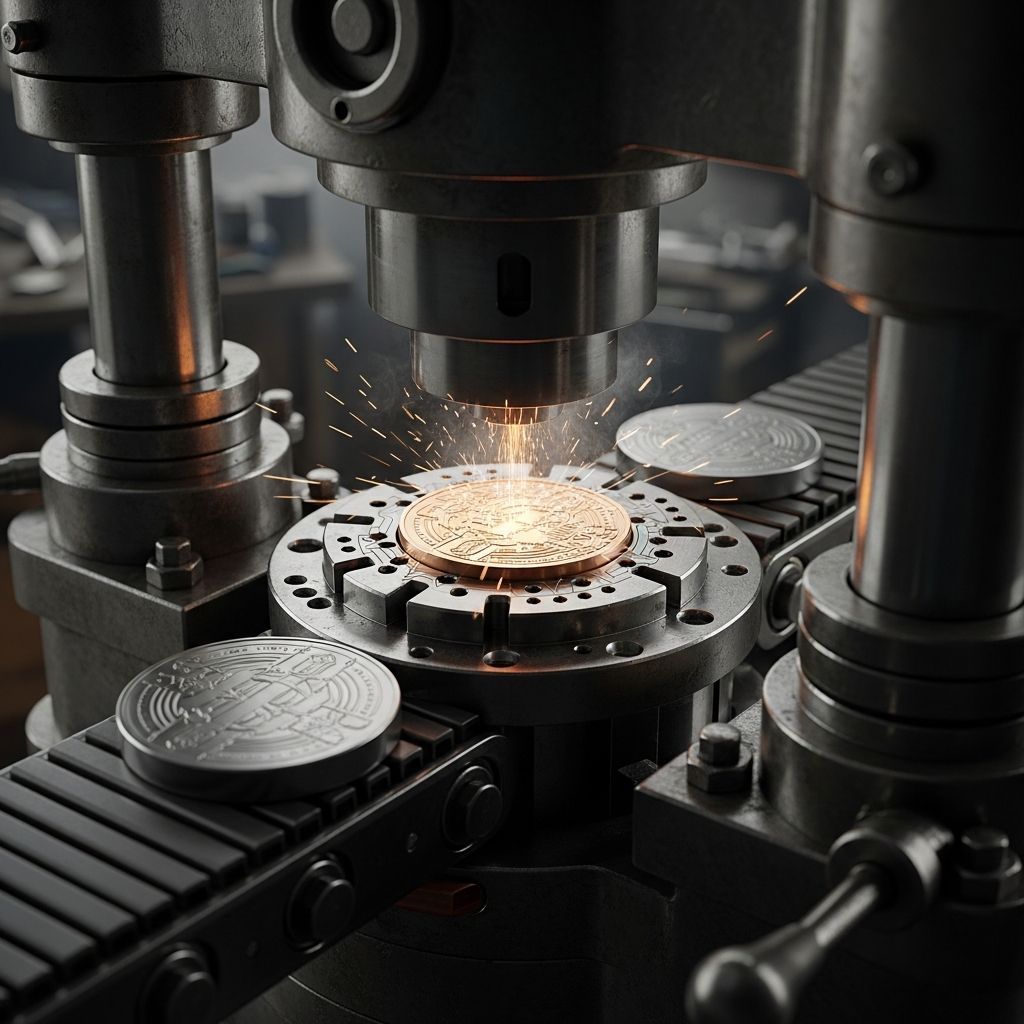
A traditional Asian dermabrasion therapy
Coining, also known as coin rubbing, is a traditional healing practice rooted in Southeast Asian and Chinese medicine. It involves vigorously scraping the skin with a smooth-edged object after applying oil, producing characteristic linear petechiae and ecchymoses believed to expel harmful ‘wind’ or ‘heat’ from the body.
What is coining?
Coining is a form of dermabrasion therapy widely practiced in Vietnam (where it is called cao gio, meaning ‘scraping for wind’), China (gua sha, or ‘scraping sha-bruises’), and other Asian cultures. Practitioners believe it releases stagnant qi (vital energy), blood stasis, or ‘negative energies’ causing illness.
The technique targets areas like the back, neck, chest, and limbs. It is commonly self-administered by families or performed by traditional healers for quick relief from common ailments.
Who gets coining?
Coining is performed across all ages, particularly in immigrant communities from Vietnam, China, Laos, Cambodia, and Thailand. It is especially common among parents treating children for mild illnesses and adults seeking relief from pain or fatigue.
- Children with fever, cough, or irritability
- Adults with headaches, neck pain, or musculoskeletal aches
- Individuals experiencing ‘heatiness’ – a traditional concept of internal imbalance
In Western countries, dermatologists may encounter coining marks in Asian patients presenting with back pain or respiratory symptoms.
What causes coining?
In traditional Chinese medicine (TCM) and Vietnamese folk medicine, illness arises from imbalances like wind invasion, qi stagnation, or blood stasis. Coining is thought to:
- Expel pathogenic ‘wind’ causing colds, fever, and chills
- Release trapped heat or toxins manifesting as pain or inflammation
- Improve qi and blood circulation for overall balance
From a biomedical view, the scraping causes capillary rupture, creating petechiae that may increase local microcirculation fourfold for up to 25 minutes post-treatment, potentially explaining immediate pain relief.
History of coining
Coining traces back thousands of years in East Asian healing traditions. Ancient TCM texts describe similar scraping methods to treat bi syndrome (painful obstruction). In Vietnam, cao gio has been a household remedy for generations, passed down orally.
Its use surged among Southeast Asian refugees in the 1970s–1980s. Today, it remains popular in diaspora communities despite Western medical alternatives.
How is coining performed?
The procedure is simple and requires minimal tools:
- Preparation: Apply lubricant like oil, balm (e.g., Tiger Balm), or coconut oil to the target area to reduce friction.
- Tool selection: Use a coin, spoon edge, jade scraper, buffalo horn, or porcelain piece with a smooth edge.
- Scraping: Press the tool firmly and stroke linearly with moderate pressure (enough for skin blanching) in one direction, 20–50 times per area.
- Pattern: Common sites include upper/mid-back (forming a ‘pine tree’ or ‘herringbone’ pattern), neck, chest, and arms.
Related Stories



Sessions last 5–15 minutes. Mild discomfort is expected; stopping produces immediate skin changes.
| Common Tools | Description |
|---|---|
| Coin | Traditional choice; edge provides precise scraping |
| Spoon | Porcelain or metal; smooth rim ideal |
| Jade/Quartz scraper | Modern TCM tools; ergonomic shapes |
| Buffalo horn | Cultural favorite in Vietnam; natural material |
Clinical features of coining
Coining produces immediate, distinctive dermatological changes:
- Initial: Erythema (redness) and linear scratches
- Within minutes: Petechiae (pinpoint hemorrhages) evolving to ecchymoses (larger bruises)
- Pattern: Parallel linear purpura, often in ‘pine tree’ shape on back (scapular regions)
- Color progression: Red → purple → brown → yellow (resolves 7–14 days)
Lesions are non-blanching, tender initially, and confined to scraped areas. No vesicles, bullae, or systemic symptoms.
Diagnosis
Coining is diagnosed clinically by:
- Characteristic linear petechiae/ecchymoses in anatomical patterns
- Patient/family history of recent therapy
- Absence of coagulopathy or trauma indicators
Differential includes child/elder abuse, trauma, bleeding disorders (e.g., thrombocytopenia, Von Willebrand), purpura fulminans, or factitial dermatitis. Always inquire culturally sensitively.
Differential diagnosis table
| Condition | Key Distinguishers from Coining |
|---|---|
| Child abuse | Random pattern; other injuries; fearfulness |
| Bleeding disorder | Generalized petechiae; mucosal bleeding; abnormal labs |
| Trauma | Irregular bruises; inconsistent history |
| Meningococcemia | Fever, shock, purpura fulminans |
Treatment and prognosis
No intervention needed; marks resolve spontaneously:
- 1–3 days: Bright red/purple lines
- 4–7 days: Darkening to brown
- 7–14 days: Fading to yellow, complete resolution
Avoid anticoagulants/sun exposure if concerned. Educate on cultural context to prevent misdiagnosis.
Complications
Generally safe, but risks include:
- Common: Pain, temporary hyperpigmentation (darker skin types)
- Rare: Infection, burns (if oil ignites), scarring, severe hemorrhage
- Contraindications: Coagulopathies, anticoagulants, frail skin, open wounds
One case reported oiled skin catching fire during procedure.
Prevention
Not applicable as cultural practice. Clinicians should:
- Ask about traditional therapies in relevant populations
- Document findings to avoid child protection referrals
- Discuss risks if contraindicated
Efficacy evidence
Limited high-quality data; some RCTs show short-term pain relief for neck/back pain via increased circulation. No proven benefit for infections/fever. Considered complementary, not alternative to evidence-based care.
Alternative names for coining
- Gua sha (China)
- Cao gio (Vietnam)
- Coin rubbing (general)
- Spooning (Cambodia/Laos)
- Khai (Thailand)
Frequently Asked Questions
What does coining treat?
Traditionally used for fever, cough, headache, pain, nausea, and ‘wind’ illnesses.
Is coining harmful?
Usually benign; bruises heal in 1–2 weeks. Avoid in bleeding disorders or on anticoagulants.
How to differentiate coining from abuse?
Linear pattern in treated areas + cultural history vs. random bruises + behavioral signs.
Does coining really work?
May provide pain relief via circulation boost; lacks evidence for infections.
Where do coining marks appear?
Back (pine tree pattern), neck, chest, arms – sites of perceived ‘wind’.
References
- New Onset of Linear Purpura on the Back: Coining Therapy-Associated Ecchymoses — Adrija K. Darsha et al. Cureus. 2019-05-01. https://www.cureus.com/articles/35585-new-onset-of-linear-purpura-on-the-back-coining-therapy-associated-ecchymoses.pdf
- Coining — DermNet NZ (Dr Amanda Oakley, editor). Updated 2015-06. https://dermnetnz.org/topics/coining
- Coining Image — DermNet NZ. https://dermnetnz.org/imagedetail/6867-coining
Similar Articles








Read full bio of medha deb