Colchicine in Dermatology: Uses and Mechanisms
Explore colchicine's anti-inflammatory properties and diverse dermatological applications for treating skin conditions.
Colchicine in Dermatology
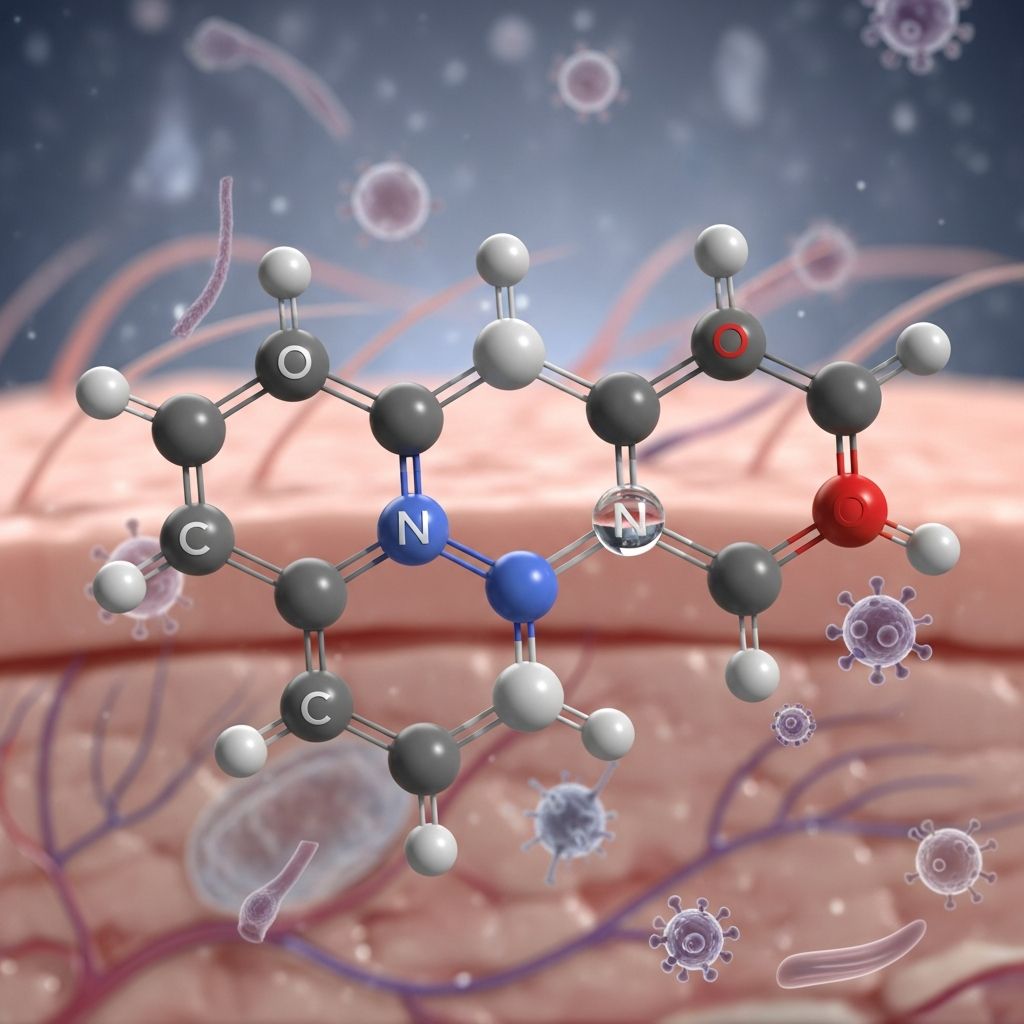
Colchicine is a potent anti-inflammatory medication with significant applications in dermatology, despite not being formally approved by the FDA as a first-line therapy for any specific skin condition. This alkaloid derivative has been utilized for decades primarily in the treatment of gout, but its versatile therapeutic properties have led clinicians to explore and document its effectiveness across numerous dermatological disorders. The drug’s mechanism of action, coupled with its favorable safety profile when appropriately dosed, makes it an attractive option for managing various cutaneous conditions, particularly those mediated by neutrophilic inflammation.
Mechanism of Action
Colchicine exerts its therapeutic effects through multiple interconnected anti-inflammatory pathways. The drug fundamentally alters immune cell behavior by reducing the mobility, adhesiveness, and chemotaxis of polymorphonuclear cells, which are crucial mediators of inflammation. By interfering with intercellular adhesion molecules and selectins, colchicine effectively inhibits T-lymphocyte activation and prevents their adhesion to endothelial cells, thereby dampening the inflammatory cascade at a cellular level.
Beyond its effects on cellular trafficking, colchicine modulates the balance of collagen metabolism in tissues. The drug impairs cellular secretion of procollagen while simultaneously increasing collagenase production, thereby promoting a greater collagenolytic action. Additionally, colchicine blunts tumor necrosis factor (TNF)-α-induced activation of macrophages, reducing TNF receptors and further attenuating inflammatory responses. These multifaceted mechanisms explain why colchicine proves effective in diverse dermatological conditions characterized by neutrophilic infiltration or dysregulated collagen metabolism.
Dermatological Indications and Clinical Uses
While colchicine lacks formal FDA approval for dermatological use, multiple uncontrolled studies have demonstrated encouraging results in various cutaneous conditions. The following sections detail the primary dermatological indications where colchicine has shown clinical utility.
Neutrophilic Dermatoses
Sweet’s Syndrome
Sweet’s syndrome, an acute febrile neutrophilic dermatosis, responds remarkably well to colchicine therapy. Studies document rapid clinical improvement, with patients experiencing resolution of fever, arthralgia, and cutaneous lesions within 2–5 days when treated with colchicine doses of 1.0–1.5 mg daily. A retrospective study of twenty patients demonstrated that eighteen responded favorably to treatment, with only one patient discontinuing therapy due to gastrointestinal intolerance (diarrhea and vomiting), while two patients showed no improvement. Notably, colchicine appears effective even in cases refractory to systemic corticosteroids, making it an invaluable option for steroid-resistant Sweet’s syndrome.
Pyoderma Gangrenosum
Pyoderma gangrenosum, another serious neutrophilic dermatosis, has responded to colchicine treatment in documented cases. One reported patient treated with 0.6 mg of colchicine three times daily achieved complete lesion resolution within four months. The encouraging outcomes in pyoderma gangrenosum suggest colchicine warrants consideration in the therapeutic armamentarium for this challenging condition, though further prospective studies are necessary to confirm efficacy.
Behçet’s Disease
Behçet’s disease, characterized by recurrent oral and genital ulcerations alongside cutaneous manifestations, benefits from colchicine therapy. The drug’s effectiveness in this condition reflects its ability to suppress neutrophilic inflammation and modulate innate immune pathways activated in Behçet’s disease pathogenesis.
Related Stories



Recurrent Aphthous Stomatitis
Colchicine demonstrates efficacy in managing recurrent aphthous stomatitis, with patients showing response 2 days after therapy initiation and complete resolution within one week. This rapid therapeutic response positions colchicine as a valuable option for patients suffering from chronic, recurrent aphthous ulceration.
Pustular and Papulosquamous Dermatoses
Psoriasis
Psoriasis was among the first cutaneous diseases treated with colchicine. Early studies by Wahba and Cohen using oral colchicine in twenty-two psoriasis patients showed greater than 50% improvement in eleven patients, with superior results observed in those with small papules and plaques. Topical colchicine at 1% concentration proved beneficial in recalcitrant plaque psoriasis, with improvement noted in twelve treated subjects. However, larger controlled trials have yielded variable results, suggesting that colchicine has limited but definable therapeutic value in certain psoriasis subtypes rather than serving as a broad-spectrum psoriasis treatment. Notably, some patients previously unresponsive to systemic therapies such as methotrexate achieved skin clearance with colchicine, with approximately 80% maintaining results at the 8-month follow-up.
Pustular Psoriasis
Generalized pustular psoriasis and palmoplantar pustulosis respond more favorably to colchicine than standard plaque psoriasis. One case documented a patient with palmoplantar psoriasis and subcorneal pustular dermatosis previously refractory to dapsone who achieved complete resolution with colchicine 1.5 mg daily (subsequently reduced to 0.5 mg daily) at the 12-month follow-up.
Cystic Acne
Colchicine has demonstrated promise as a third-line treatment for severe, treatment-resistant acne, particularly cystic nodular acne with significant inflammation. An Iranian study treating twenty-two patients with severe colchicine-resistant acne at 1 mg daily for two months achieved improvement up to 70%, with superior outcomes in cystic nodular variants and no serious adverse effects observed. These results suggest colchicine represents a viable option for patients who have failed conventional therapies and retinoid treatment.
Bullous Disorders
Dermatitis Herpetiformis
Colchicine provides an effective alternative therapy for dermatitis herpetiformis in patients unable to tolerate sulfonamide medications. Silvers and colleagues successfully treated patients using colchicine doses of 1.2–1.8 mg daily, establishing this medication as a valuable second-line option for sulfonamide-intolerant individuals.
Scleroderma and Fibrotic Conditions
Some investigators have reported beneficial effects of colchicine in both localized and systemic scleroderma, while others have not demonstrated consistent benefit. The drug’s theoretical action on collagen production, regulation of adhesion molecules, and matrix-degrading enzyme activity provides a rational basis for its use in scleroderma, even though clinical evidence remains mixed.
Amyloidosis
Cutaneous manifestations develop in up to 40% of patients with systemic amyloidosis, both primary and secondary forms. Colchicine prevents amyloid deposition and slows disease progression in amyloidosis associated with familial Mediterranean fever. The drug likely functions by blocking lysosomal enzyme release within epidermal cells, preventing conversion of cellular tonofilaments into amyloid deposits. Oral colchicine proves particularly useful in managing primary cutaneous amyloidosis, where it effectively arrests disease progression.
Dosing Guidelines for Dermatological Conditions
Colchicine dosing varies depending on the specific dermatological indication being treated. The following table summarizes recommended doses for common dermatological conditions:
| Condition | Recommended Dose |
|---|---|
| Amyloidosis | 1–2 mg/day |
| Behçet’s Disease | 1–1.5 mg/day |
| Psoriasis | 0.5–3 mg/day |
| Sweet’s Syndrome | 0.5–1.5 mg/day |
| Dermatitis Herpetiformis | 1.2–1.8 mg/day |
| Palmoplantar Pustulosis | 0.5–1.5 mg/day |
| Severe Acne | 1 mg/day |
Dosing should be individualized based on patient tolerance, renal function, and drug interactions. Treatment typically begins at lower doses with gradual titration to minimize gastrointestinal side effects.
Administration and Precautions
Colchicine should be administered orally; it must never be given intramuscularly or subcutaneously, as parenteral administration causes severe local irritation at the injection site. This strict restriction on route of administration reflects the drug’s potential for tissue damage when not taken via the oral route.
Adverse Effects and Safety Profile
While colchicine generally maintains a favorable safety profile, awareness of potential adverse effects is essential for appropriate clinical monitoring. The spectrum of adverse effects encompasses multiple organ systems:
Gastrointestinal Effects
The most commonly encountered side effects are gastrointestinal in nature, including diarrhea, nausea, vomiting, and abdominal discomfort., These effects occur in a substantial proportion of treated patients and often limit dosing or necessitate discontinuation.
Cutaneous Manifestations
Dermatological adverse effects include urticaria, maculopapular rash, purpura, and alopecia., Alopecia typically appears 2–3 weeks after therapy initiation and involves the face, axilla, and pubic area. Rare but serious cutaneous reactions include toxic epidermal necrolysis and precipitation of porphyria cutanea tarda.
Hematological Effects
Prolonged colchicine therapy can cause significant hematological complications, including leukopenia, granulocytopenia, thrombocytopenia, pancytopenia, and aplastic anemia. With extended use, colchicine can reduce all blood cell populations, potentially causing anemia, bleeding tendency, and compromised infection-fighting capacity.
Musculoskeletal Effects
Colchicine may cause myopathy with elevated CPK levels, myotonia, muscle weakness, muscle pain, and in severe cases, rhabdomyolysis.
Reproductive and Genitourinary Effects
The drug can cause oligospermia and azoospermia, affecting male fertility. Genitourinary effects include oliguria and renal damage.
Colchicine Toxicity
Overdose or toxicity from colchicine administration results in multi-organ involvement with poor prognosis associated with large-dose exposure. Currently, therapy remains supportive and symptomatic due to colchicine’s rapid tissue distribution and binding. Emerging experimental approaches utilizing anticolchicine antibodies represent a novel therapeutic strategy still under investigation.
Advantages in Dermatological Practice
Colchicine offers several distinct advantages in dermatological treatment. Its predominant action on neutrophils makes it an exceptionally cost-effective option for neutrophil-mediated dermatoses. The drug’s multi-targeted anti-inflammatory mechanisms—including effects on pyrins, inflammasomes, and cytokines—provide therapeutic benefit across diverse conditions beyond simple neutrophilic diseases. Additionally, colchicine can serve either as monotherapy or in combination with other dermatological agents, providing flexibility in treatment planning.
Combination Therapy Applications
Recent evidence supports colchicine’s utility in combination therapeutic approaches. Studies demonstrate favorable outcomes when colchicine is combined with methotrexate in psoriasis and with acitretin in bullous Sweet’s syndrome. A systematic review noted that all treated patients showed improvement up to 70%, with particularly robust results observed in cystic nodular acne with severe inflammation when colchicine was part of a combined regimen, and no severe side effects occurred.
Frequently Asked Questions
Q: Is colchicine FDA-approved for dermatological conditions?
A: No, colchicine currently lacks formal FDA approval for any dermatological indication. However, extensive clinical experience and numerous studies support its effectiveness in various skin conditions, and dermatologists frequently prescribe it off-label.
Q: Which skin conditions respond best to colchicine?
A: Neutrophilic dermatoses such as Sweet’s syndrome, pyoderma gangrenosum, Behçet’s disease, and pustular psoriasis respond most reliably to colchicine therapy. These conditions characteristically show rapid clinical improvement with appropriate dosing.,
Q: What is the typical dosing range for dermatological use?
A: Dosing varies by condition, generally ranging from 0.5 to 3 mg daily, with most dermatological conditions responding to 1.0–1.5 mg daily. Individual dosing should be adjusted based on patient tolerance and renal function.
Q: How quickly does colchicine produce clinical improvement?
A: Response times vary by condition. Sweet’s syndrome typically shows dramatic improvement within 2–5 days, while other conditions may require weeks to months for maximum benefit.
Q: What are the most concerning side effects of colchicine?
A: While gastrointestinal side effects (diarrhea, nausea, vomiting) are most common, serious concerns include hematological complications with prolonged use (aplastic anemia, pancytopenia), myopathy, and reproductive effects. Regular monitoring is essential.,
Q: Can colchicine be used in pregnant patients?
A: Colchicine is generally not recommended during pregnancy due to potential reproductive toxicity, including oligospermia and azoospermia. Appropriate contraception should be used during treatment.
Q: Should colchicine be given intramuscularly or subcutaneously?
A: No. Colchicine must only be administered orally, as parenteral administration causes severe local tissue irritation and damage.
Q: How does colchicine compare to conventional psoriasis treatments?
A: While colchicine shows modest benefit in some psoriasis patients, particularly those with pustular variants, it is not considered a first-line therapy. It may be useful as adjunctive therapy or in combination with methotrexate.
Q: What monitoring is necessary during colchicine therapy?
A: Patients should undergo baseline complete blood count, renal function, and liver function testing, with periodic monitoring during therapy to detect hematological, renal, or hepatic complications.
Conclusion
Colchicine represents a valuable therapeutic option in dermatology despite lacking formal FDA approval for specific dermatological indications. Its multifaceted anti-inflammatory mechanisms—particularly its effects on neutrophilic inflammation, collagen metabolism, and immune cell trafficking—provide rationale for use across diverse cutaneous conditions. Sweet’s syndrome, pustular psoriasis, and primary cutaneous amyloidosis demonstrate the most robust responses to colchicine therapy. Clinicians must carefully weigh colchicine’s therapeutic benefits against its potential for significant adverse effects, particularly gastrointestinal intolerance and hematological complications with prolonged use. With appropriate patient selection, careful dosing, and vigilant monitoring, colchicine remains an important therapeutic tool for managing challenging dermatological conditions unresponsive to conventional treatments.
References
- Colchicine in Dermatology — Indian Journal of Dermatology, Venereology & Leprology. 2024. https://ijdvl.com/colchicine-in-dermatology/
- Colchicine in Dermatology: Rediscovering an Old Drug with Novel Applications — PubMed Central, National Center for Biotechnology Information. 2024. https://pmc.ncbi.nlm.nih.gov/articles/PMC7678539/
- Colchicine in Managing Skin Conditions: A Systematic Review — PubMed Central, National Center for Biotechnology Information. 2024. https://pmc.ncbi.nlm.nih.gov/articles/PMC8878049/
- Colchicine: An Ancient Drug with Modern Uses — The Rheumatologist. 2024. https://www.the-rheumatologist.org/article/colchicine-an-ancient-drug-with-modern-uses/
- Colchicine for Dermatological Diseases — DermNet. 2024. https://dermnetnz.org/topics/colchicine
- Colchicine Therapeutic Cheat Sheet — Next Steps in Dermatology. 2024. https://nextstepsinderm.com/derm-topics/colchicine-therapeutic-cheat-sheet/
- Colchicine — Skin Health Info. 2015. https://www.skinhealthinfo.org.uk/wp-content/uploads/2018/11/Colchicine-Update-Jun-2015-lay-reviewed-Jun-20152.pdf
Similar Articles








Read full bio of medha deb