Colchicine for Gout Attacks: Dosage and Side Effects
Complete guide to colchicine treatment for gout: dosage, side effects, and effectiveness.
About Colchicine
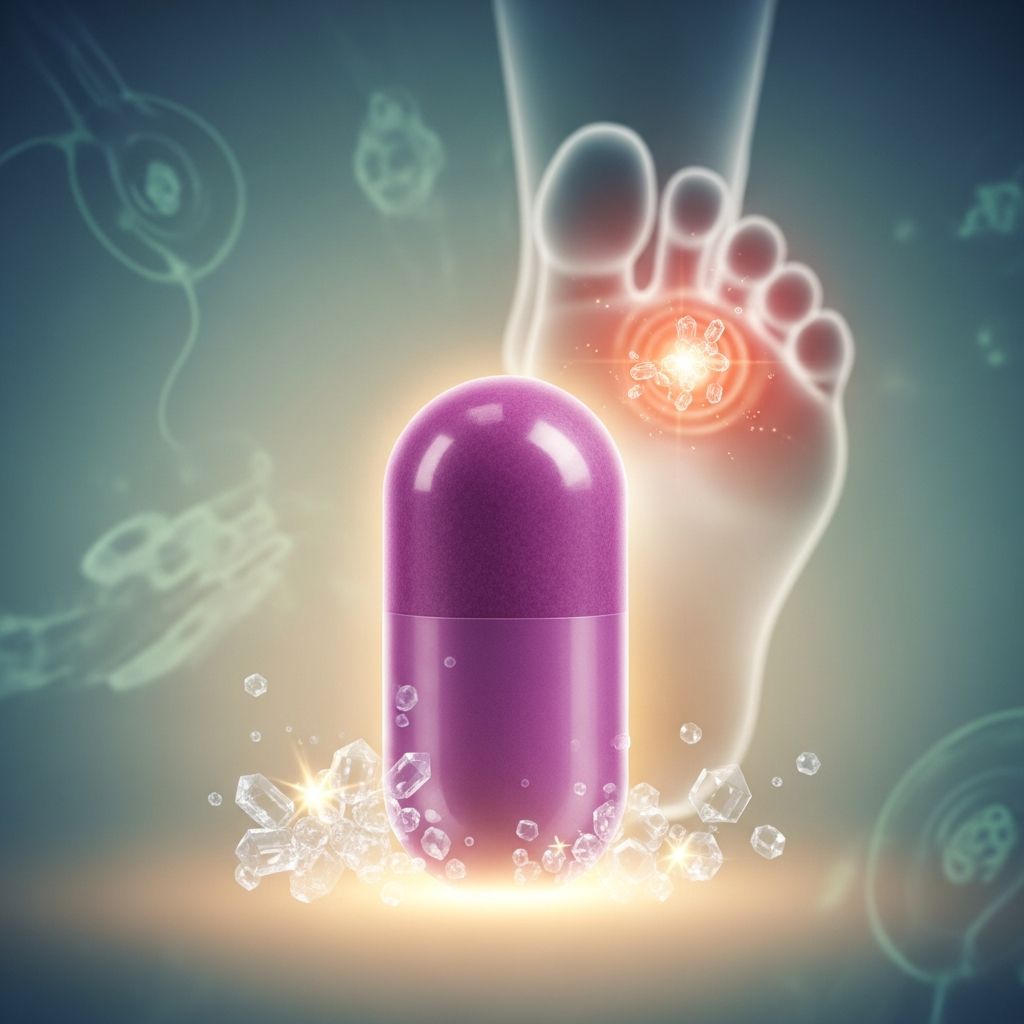
Colchicine is an anti-inflammatory medicine specifically used to treat and prevent gout attacks, a form of arthritis caused by excessive uric acid buildup in the bloodstream. It functions as an alternative treatment option for individuals who cannot tolerate non-steroidal anti-inflammatory drugs (NSAIDs) due to stomach complications or other contraindications. Unlike ordinary pain relievers, colchicine does not provide relief for general pain conditions; rather, it targets the specific inflammatory mechanisms underlying gout.
| Aspect | Details |
|---|---|
| Type of Medicine | Anti-inflammatory medicine for gout |
| Primary Use | Gout attacks and prevention |
| Available Form | Tablets |
| FDA Approval | Approved for gout prevention and acute flare treatment |
How Colchicine Works
Colchicine operates through a unique mechanism distinct from other anti-inflammatory medications. The primary action involves reducing the number of white blood cells that migrate into inflamed areas of the body. Specifically, colchicine inhibits the assembly of microtubules, structures essential for cell movement and division. This inhibition prevents neutrophils, a type of white blood cell, from traveling to inflammation sites, thereby breaking the inflammatory cycle that characterizes a gout attack.
When uric acid crystals accumulate in joints during a gout attack, they trigger an inflammatory cascade. Colchicine intercepts this process by reducing the inflammatory response to these uric acid crystals. This mechanism differs fundamentally from NSAIDs, which inhibit cyclooxygenase (COX) enzymes. Because colchicine uses a different biological pathway, it represents an effective alternative for patients unable to tolerate traditional anti-inflammatory painkillers.
Mechanism of Action at the Cellular Level
Colchicine’s effectiveness stems from its interaction with cellular structures. By preventing microtubule formation, it disrupts chemotaxis—the directed migration of inflammatory cells toward affected joints. This action is particularly effective because it addresses the root cause of inflammation rather than merely masking symptoms. The drug’s ability to reduce white blood cell infiltration helps minimize swelling, redness, and pain associated with acute gout flares.
Dosage for Treating Gout Attacks
Proper dosing is critical for achieving maximum therapeutic benefit while minimizing adverse effects. When treating an acute gout attack, the approach differs from preventive therapy and depends on individual patient factors and medical guidelines.
Acute Attack Treatment
For immediate relief during a gout attack, colchicine is most effective when taken at the earliest signs of pain, redness, and swelling. The standard dosing protocol involves taking one tablet 2-4 times daily until pain subsides, unless your physician provides alternative instructions. Alternative dosing schedules recommend an initial dose of 1.2 mg, followed by 0.6 mg one hour later.
Research demonstrates that patients can experience significant relief from gout symptoms within 12 to 24 hours of administration. This rapid action makes colchicine an attractive option for acute attack management, as it can substantially reduce attack severity and duration.
Preventive Treatment
When used to prevent future gout attacks, the standard preventive dose is 0.6 mg once or twice daily. The exact dose may require adjustment based on individual health status and concurrent medications. Colchicine is particularly valuable when initiating urate-lowering therapy with medications like allopurinol or febuxostat, as these treatments can initially trigger gout flare-ups while dissolving uric acid crystals.
During the first 3 to 6 months of starting such therapies, regular colchicine use helps prevent these paradoxical flares until target serum urate levels are achieved.
Special Dosage Considerations
Certain patient populations require dosage modifications to ensure safety and efficacy. Patients with kidney problems or those taking specific other medications may need reduced doses to avoid accumulation of the drug and associated side effects. Similarly, patients with hepatic impairment require careful monitoring, particularly when receiving treatment for acute flares.
Related Stories



For patients with severe hepatic function impairment, treatment courses should not be repeated more than once every two weeks, and alternative therapies should be considered if repeated courses become necessary. These adjustments reflect colchicine’s metabolism and potential for toxicity in compromised organ systems.
Side Effects and Adverse Reactions
While colchicine offers effective gout management, it carries a profile of potential side effects that users should understand. Common side effects include nausea, vomiting, diarrhea, and stomach pain. These gastrointestinal effects occur because colchicine affects rapidly dividing cells, including those lining the digestive tract.
Managing Gastrointestinal Side Effects
If nausea or diarrhea develops during colchicine treatment, discontinuation is recommended. In many cases, these symptoms resolve quickly once the medication is stopped. The gastrointestinal tolerability profile is one reason colchicine appeals to patients who cannot tolerate NSAIDs due to stomach problems, though some patients may experience GI issues with colchicine as well.
Serious Side Effects and Drug Interactions
More serious adverse effects can occur, particularly with prolonged use or in patients with renal or hepatic dysfunction. Additionally, colchicine interacts with numerous medications, and healthcare providers must carefully review all concurrent treatments before prescribing. Patients should inform their physicians of all medications, supplements, and health conditions before starting colchicine therapy.
Colchicine as an Alternative to NSAIDs
The most commonly prescribed treatment for gout attacks involves anti-inflammatory painkillers; however, not all patients tolerate these medications. Colchicine provides a crucial alternative for individuals with contraindications to NSAIDs, including those with a history of stomach ulcers, bleeding disorders, or specific cardiovascular conditions.
Unlike NSAIDs that inhibit COX enzymes and prostaglandin synthesis, colchicine’s mechanism provides anti-inflammatory benefits through white blood cell inhibition. This distinction makes it particularly suitable for patients requiring an alternative inflammatory pathway approach. Additionally, colchicine’s rapid onset—often within a few hours—makes it valuable for acute attack management.
When to Take Colchicine
Timing significantly influences colchicine’s effectiveness. The medication works optimally when taken at the first sign of gout symptoms. Early administration at the onset of pain, redness, and swelling maximizes therapeutic benefit and can minimize attack severity.
Delaying treatment reduces colchicine’s effectiveness, as the inflammatory cascade becomes more established. Therefore, having colchicine available at home and taking it immediately upon noticing gout symptoms is advisable for patients with recurrent attacks.
What Colchicine Does Not Do
It is essential to understand colchicine’s limitations. Colchicine is not a cure for gout; rather, it prevents attacks and manages acute symptoms. The medication does not address the underlying condition of elevated uric acid levels in the bloodstream. Long-term gout management requires urate-lowering therapy with medications such as allopurinol or febuxostat, which address the root cause by reducing uric acid production.
Furthermore, colchicine is not an ordinary pain reliever and will not effectively treat other types of pain conditions. Its anti-inflammatory action is specific to gout-related inflammation triggered by uric acid crystal deposition.
Long-Term Use and Prevention
Beyond acute attack treatment, colchicine plays a valuable preventive role in comprehensive gout management. Regular colchicine use can reduce the frequency and severity of future gout flares. Its preventive capacity makes it particularly useful during the initiation phase of urate-lowering therapy, when patients are at elevated risk for paradoxical gout flare-ups.
The established history of colchicine use—spanning over a century—combined with robust research evidence supports its reliability as a foundational gout treatment when used appropriately. Following prescribed dosage guidelines and understanding potential side effects enables patients to use colchicine safely and effectively as part of their overall gout management strategy.
Frequently Asked Questions
Q: How quickly does colchicine work for gout attacks?
A: Colchicine can provide significant symptom relief within 12 to 24 hours, with some patients experiencing benefits within a few hours of taking the medication, making it effective for acute attack management.
Q: Can I take colchicine if I have stomach problems?
A: While colchicine can cause gastrointestinal side effects like nausea and diarrhea, it serves as an alternative for patients who cannot tolerate NSAIDs due to existing stomach issues. However, you should discuss potential GI effects with your healthcare provider.
Q: Is colchicine a cure for gout?
A: No, colchicine does not cure gout but rather prevents attacks and manages acute symptoms. Long-term gout control requires urate-lowering therapy to address underlying uric acid elevation.
Q: What should I do if I experience nausea from colchicine?
A: If you develop nausea or diarrhea while taking colchicine, you should stop taking the medication. These gastrointestinal side effects typically resolve quickly after discontinuation.
Q: Can colchicine be used for other types of pain?
A: No, colchicine is not an ordinary pain reliever and will not relieve most kinds of pain. It is specifically designed to address gout-related inflammation caused by uric acid crystals.
Q: How long should I take colchicine for prevention?
A: When starting urate-lowering therapy, regular colchicine use for 3 to 6 months helps prevent flare-ups until target serum urate levels are reached. Your physician will determine the appropriate duration based on your individual circumstances.
Q: Do I need dose adjustments if I have kidney problems?
A: Yes, patients with kidney problems may require reduced doses of colchicine to avoid side effects and drug accumulation. Always inform your healthcare provider about kidney or liver conditions before starting treatment.
References
- Ultimate Guide: How Colchicine Works For Gout Relief — Liv Hospital. https://int.livhospital.com/ultimate-guide-how-colchicine-works-for-gout-relief/
- Colchicine for gout — Healthify NZ. https://healthify.nz/medicines-a-z/c/colchicine-for-gout
- Colchicine for gout attacks (dosage and side effects) — Patient.info. https://patient.info/medicine/colchicine-for-gout-attacks
- Colchicine – StatPearls — NIH National Center for Biotechnology Information. 2023. https://www.ncbi.nlm.nih.gov/books/NBK431102/
- Colchicine (oral route) – Side effects & dosage — Mayo Clinic. https://www.mayoclinic.org/drugs-supplements/colchicine-oral-route/description/drg-20067653
Similar Articles








Read full bio of medha deb