Cold Dry Air Requires a Little Extra Skin Care
Bitterly cold temperatures and high winds demand enhanced skin care to maintain soft, supple skin and prevent dryness this winter.
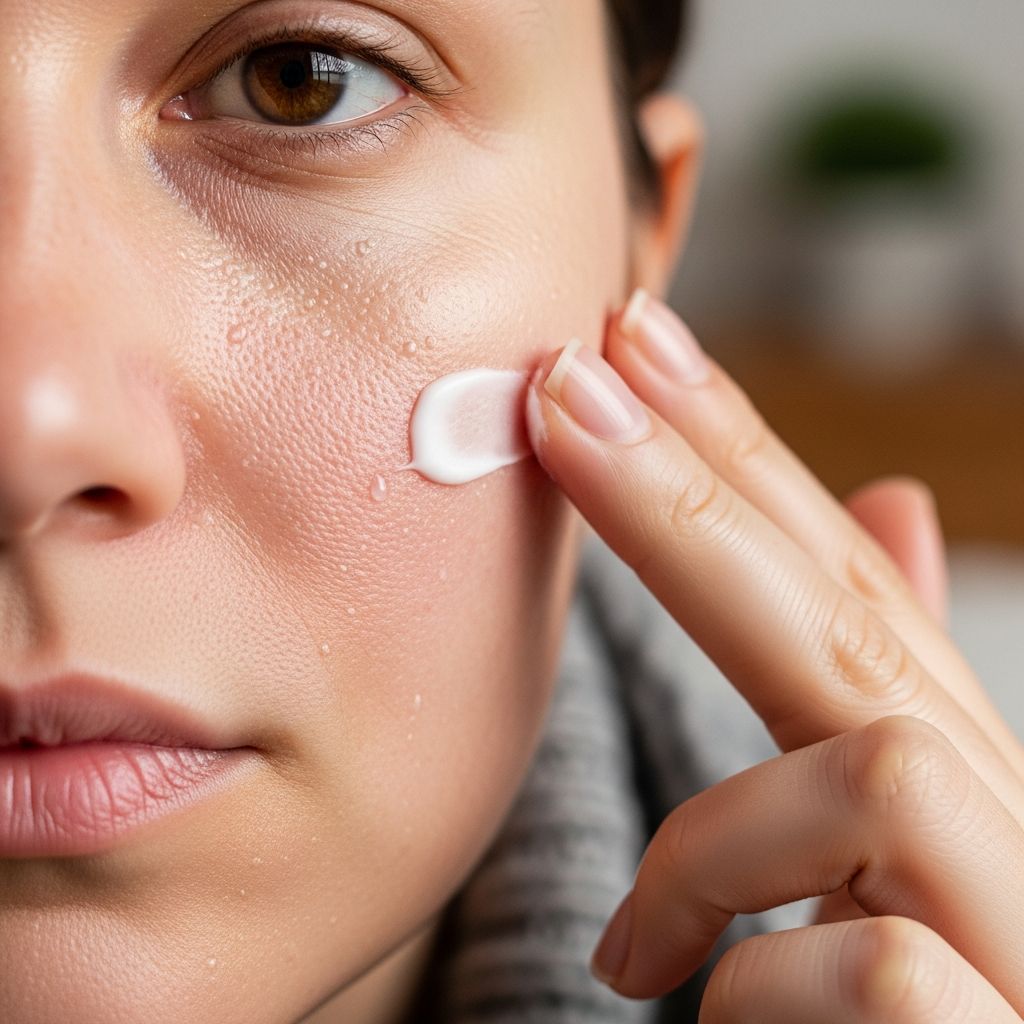
Bitterly cold temperatures combined with high winds and low humidity create harsh conditions that strip moisture from the skin, leading to dryness, irritation, and increased vulnerability to environmental damage. Implementing targeted skin care adjustments can help maintain a healthy skin barrier, reduce discomfort, and prevent long-term issues like exacerbated skin conditions or premature aging.
Why Cold, Dry Air is Harsh on Skin
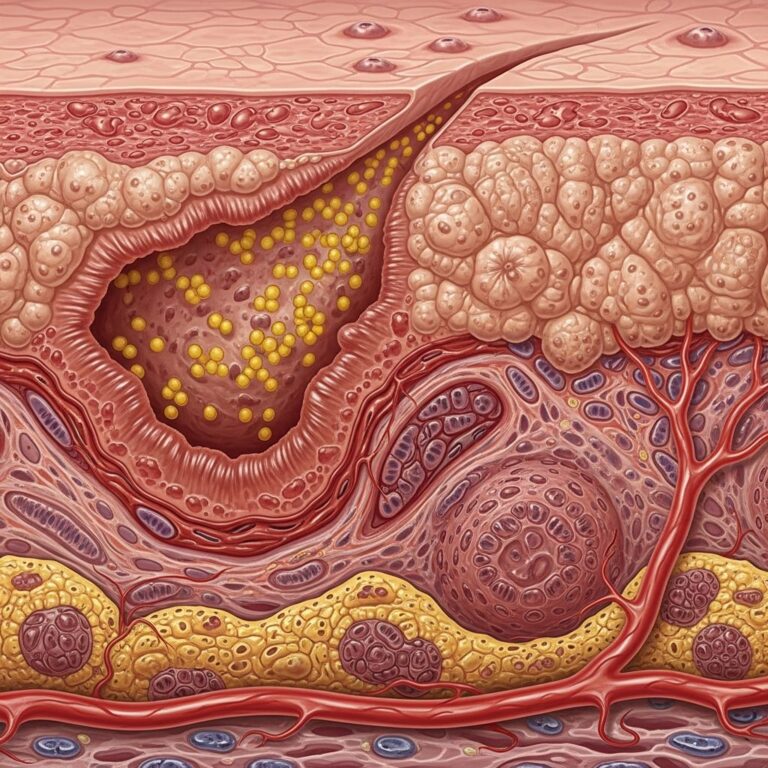
Cold winter air holds significantly less moisture than warm air, creating a low-humidity environment that draws water from the skin’s surface through increased transepidermal water loss (TEWL). Indoor heating systems exacerbate this by further drying the air, causing the skin’s outermost layer, the stratum corneum, to become compromised, leading to tightness, flakiness, roughness, and heightened sensitivity.
Even people with oily skin can experience dehydration in winter because hydration differs from oil production; cold air disrupts the skin’s natural lipid barrier, making it fragile and prone to irritation. Rapid shifts from freezing outdoors to heated indoors cause blood vessels to expand and contract, resulting in redness, inflammation, and conditions like chilblains on cheeks, ears, fingers, and toes.
Clinical studies confirm that just six hours in a winter indoor environment increases skin temperature, pore size, roughness, redness, wrinkles, and TEWL while decreasing hydration, affecting even normal skin types. Without intervention, this leads to chronic dryness, peeling, exacerbated eczema or rosacea, and visible fine lines from dehydration.
Use a Humidifier
Adding moisture to indoor air with a humidifier is one of the simplest yet most effective ways to soothe itchy winter skin and combat dryness. Humidifiers counteract the parching effects of heating systems, helping maintain ambient humidity levels that support skin’s natural moisture retention.
- Opt for cool-mist or ultrasonic models to avoid burns and mineral dust.
- Use filtered or distilled water daily to prevent bacterial growth and mineral buildup.
- Aim for 30-50% indoor humidity; place the unit in bedrooms or living areas for optimal relief.
- Combine with houseplants or bowls of water near radiators for natural humidification.
Regular maintenance, like cleaning weekly, ensures efficacy and hygiene, reducing risks of mold or allergens that could irritate sensitive skin.
Consider a New Moisturizer
Skin’s needs change seasonally; what works in humid summer may not suffice in dry winter, necessitating a switch to denser formulations. Look for products with humectants like hyaluronic acid, glycerin, and lactic acid, which attract and bind moisture, alongside occlusives like ceramides, shea butter, or squalane to seal it in.
Every winter moisturizer should include broad-spectrum SPF 30+ to shield against reflective UV rays from snow and ice, preventing incidental sun damage even on cloudy days. Ointments and creams outperform lotions by forming a thicker barrier with less irritation.
| Ingredient | Benefit | Source |
|---|---|---|
| Hyaluronic Acid | Draws moisture into skin layers | |
| Ceramides | Repairs lipid barrier, reduces TEWL | |
| Glycerin | Hydrates without greasiness | |
| SPF 30+ | UV protection year-round |
Related Stories



Apply generously to face, hands, lips, and body; those with conditions like eczema benefit from fragrance-free, gentle options.
Mind Your Water Temperature
Hot showers feel comforting but strip essential oils and worsen dryness by accelerating moisture evaporation. Switch to lukewarm water (around 98-105°F) for shorter durations (5-10 minutes) to preserve the skin’s hydrolipidic film.
- Use gentle, moisturizing, fragrance-free cleansers or body washes instead of harsh soaps.
- Avoid antibacterial or scented products that irritate dry, sensitive skin.
- Pat dry gently rather than rubbing to retain natural moisture.
This practice minimizes barrier damage, reducing itchiness, cracking, and flare-ups of rosacea or eczema.
Apply Moisturizer When Skin is Wet
The optimal window for moisturizing is immediately after washing while skin is damp, trapping water in the epidermis before dry air claims it. This technique boosts hydration efficacy, especially in winter when evaporation rates soar.
- Cleanse or shower with warm water.
- Pat skin lightly with a towel, leaving it slightly damp.
- Apply moisturizer within 3 minutes using upward strokes for better absorption.
- Focus on high-risk areas: hands, elbows, knees, heels, and face.
For enhanced results, layer a hydrating serum under cream; ceramide-based products significantly improve elasticity, reduce pores, roughness, and wrinkles post-exposure.
Additional Winter Skin Protection Strategies
Beyond basics, protect exposed skin with scarves, gloves, hats, and balms for lips/hands. Limit exfoliation to once weekly to avoid irritation. Incorporate antioxidants for environmental stress and barrier repair.
- Bundle up: Cover face and extremities during wind exposure to prevent chilblains and cracking.
- Morning routine: Cleanser, hyaluronic serum, rich moisturizer, SPF.
- Evening repair: Double cleanse if needed, then heavy cream or overnight mask.
- For conditions: Consult dermatologists for prescription barriers if eczema or xerosis worsens.
Frequently Asked Questions (FAQs)
Why does my skin get so dry in winter?
Cold air’s low humidity and indoor heating increase TEWL, dehydrating the skin barrier even for oily types.
Can hot showers really damage skin?
Yes, they strip protective oils; stick to warm water to retain moisture.
Do I need SPF in winter?
Absolutely—UV reflects off snow; use SPF 30+ daily.
How often should I use a humidifier?
Continuously in dry rooms, with daily water changes and weekly cleaning.
What if I have eczema or rosacea?
Opt for ceramide creams, avoid irritants, and seek medical advice for flares.
Long-Term Benefits of Winter Skin Care
Consistent habits prevent not just immediate discomfort but also accelerated aging from chronic dehydration and UV exposure. Strong barriers resist irritants, reduce sensitivity, and maintain elasticity. Urban dwellers face extra pollution challenges, making protection crucial.
Winter skin care evolves your routine: prioritize hydration, gentle cleansing, and occlusion. Results include smoother texture, less redness, and resilience year-round.
References
- Effects of Cold Air and Indoor Heating on Skin Moisture — NEOVA. 2023. https://www.neova.com/blogs/skin-smarts/winter-skin-care-how-cold-air-and-indoor-heating-affect-skin-moisture
- How Climate Affects Your Skin — ISDIN. 2024. https://www.isdin.com/us/blog/skincare/how-climate-affects-your-skin/
- How Cold Weather Affects the Skin — Blue Cross Blue Shield Michigan. 2023-01-15. https://bcbsm.mibluedaily.com/stories/health-and-wellness/effects-of-cold-weather-on-the-skin
- Cold Dry Air Requires a Little Extra Skin Care — Skin Cancer Foundation. 2023. https://www.skincancer.org/blog/cold-dry-air-requires-a-little-extra-skin-care/
- Effects of Winter Indoor Environment on the Skin — National Institutes of Health (PMC). 2023-06-01. https://pmc.ncbi.nlm.nih.gov/articles/PMC10264749/
- Winter Skincare in NYC: Hydration Tips — Schweiger Dermatology. 2024. https://www.schweigerderm.com/skin-care-articles/skin-care-tips/winter-skincare-in-nyc/
- Cold Weather and Your Skin — American Academy of Dermatology. 2024. https://www.aad.org/news/cold-weather-and-your-skin
Similar Articles








Read full bio of medha deb