Cold Feet: Causes, Symptoms, And Treatment Guide
Understanding cold feet: from normal occurrence to warning sign of underlying conditions.
Understanding Cold Feet: A Comprehensive Guide
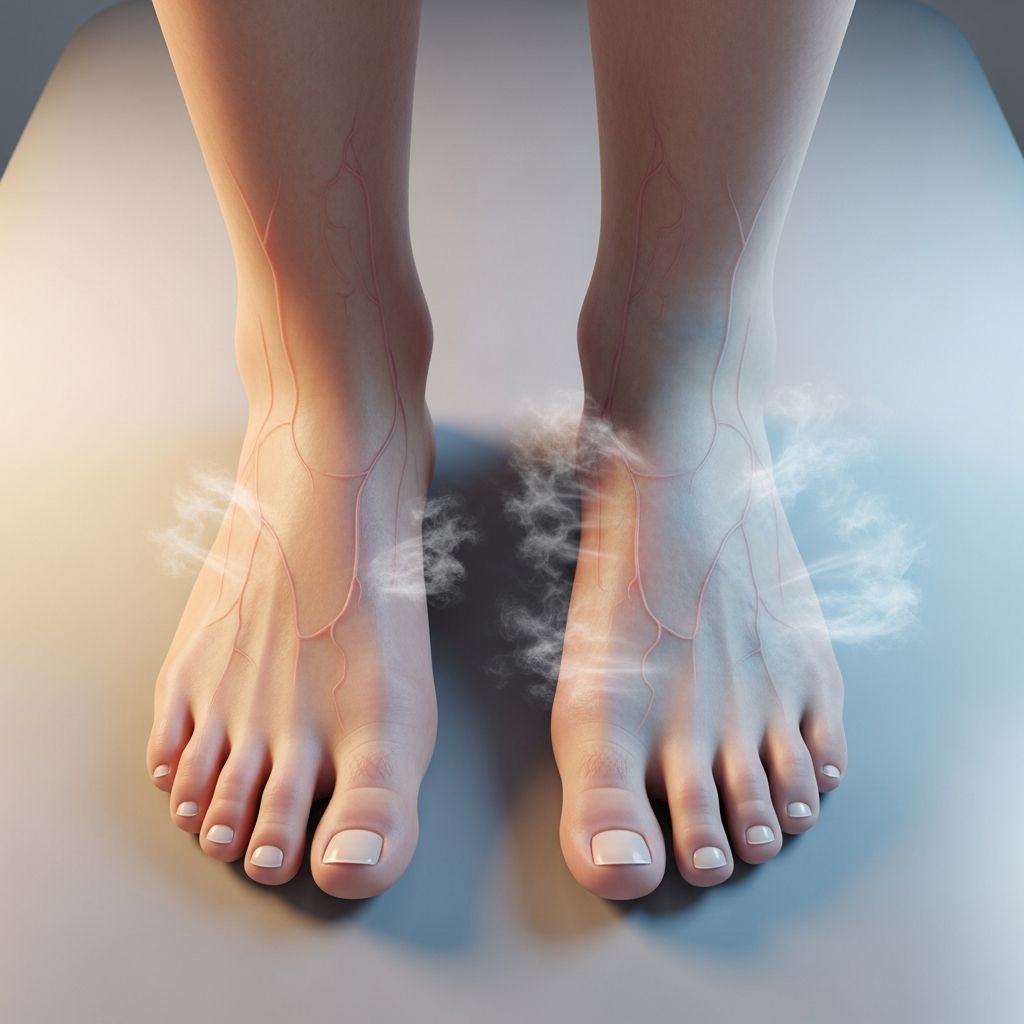
Cold feet occur when your feet are at a lower temperature than the rest of your body. While this is a normal occurrence, especially in people who live in cooler climates, persistent cold feet can indicate an underlying medical condition requiring attention. Your feet are the furthest points from your heart, which is why they often feel cold first when temperatures drop. Understanding the causes, symptoms, and treatment options can help you manage this uncomfortable condition effectively.
What Are Cold Feet?
Cold feet represent a common physical experience where the temperature of your feet remains noticeably lower than the rest of your body. This phenomenon is particularly common in colder environments, but it can also occur indoors or in temperate climates. When your feet are cold, you might experience mild pain or discomfort until they warm up to match your body’s core temperature. The condition can be temporary or persistent, depending on the underlying cause and environmental factors.
Having cold feet can range from a minor inconvenience to a sign of a more serious health issue. While occasional cold feet are normal, especially during winter months or after exposure to cold environments, frequent or persistent cold feet warrant medical evaluation to rule out underlying conditions.
Why Do Your Feet Get Cold?
Understanding the physiological reasons behind cold feet helps explain why this happens so commonly. Your body prioritizes maintaining core temperature in vital organs like your heart, brain, and lungs. When exposed to cold temperatures, your body automatically restricts blood flow to extremities to preserve heat in these essential areas. This thermoregulatory response is entirely normal and healthy.
Since your feet are the furthest points from your heart, blood takes longer to circulate through them. During cold exposure, your body may limit blood flow to your feet even more than to other extremities, causing them to feel cold while your chest and torso remain warm. This distance-related phenomenon explains why your feet often feel cold before other parts of your body.
Common Causes of Cold Feet
Cold feet can result from numerous factors, ranging from environmental conditions to serious medical conditions. Identifying the specific cause of your cold feet is essential for determining appropriate treatment:
Poor Blood Flow and Circulation
The most common cause of cold feet is poor blood circulation in your legs and feet. When blood circulation is compromised, it takes longer for blood to reach your feet, resulting in lower temperatures. Poor circulation can develop due to various factors including sedentary lifestyle, tight clothing, or underlying cardiovascular conditions. If you notice persistent cold feet along with other circulation symptoms, consult your healthcare provider for proper evaluation.
Environmental and Lifestyle Factors
Living in a cold climate is one of the most straightforward reasons for experiencing cold feet. Extended exposure to cold temperatures naturally causes your extremities to feel cold. Additionally, factors such as smoking, high stress levels, and inadequate clothing contribute to cold feet. Nicotine from smoking makes it harder for blood to reach your hands and feet, while stress can cause blood vessel constriction.
Related Stories



Medical Conditions
Several underlying health conditions can cause cold feet as a symptom. These include anemia, hypothyroidism, heart disease, Raynaud’s phenomenon, and diabetes-related neuropathy. Some medications used to treat other conditions can also cause cold feet as a side effect. If your cold feet persist despite home treatment efforts or occur alongside other symptoms, professional medical evaluation is necessary.
Nerve-Related Issues
Nerve damage or neuropathic problems can result in cold feet. Conditions affecting nerve function may impair your body’s ability to regulate temperature in affected areas. Diabetes, peripheral neuropathy, and other nerve disorders can contribute to persistent cold feet that requires specialized medical attention.
Symptoms Associated with Cold Feet
Cold feet may present with various symptoms that occur either intermittently or consistently when environmental temperatures drop. Recognizing these symptoms helps you determine when to seek medical attention:
- Feet feeling cold to the touch
- Mild pain or discomfort in the feet until they warm up
- Numbness or reduced sensation in the feet
- Tingling or “pins and needles” sensations
- Discoloration of the skin (pale, blue, or purple appearance)
- Swelling in the feet
- Slow or delayed warming even with external heat sources
If you experience numbness, severe pain, sores that won’t heal, or inability to feel your feet when touched, seek immediate medical attention. These symptoms may indicate a serious underlying condition requiring prompt professional evaluation.
When to See a Healthcare Provider
While occasional cold feet are normal, persistent or frequent cold feet warrant professional medical evaluation. You should contact your healthcare provider if:
- Cold feet occur regularly and home treatment doesn’t provide relief
- Cold feet are accompanied by other symptoms like numbness or pain
- You experience sores on your feet that won’t heal
- Cold feet develop suddenly without obvious environmental cause
- Cold feet interfere with your daily activities or quality of life
- You have a history of circulation problems or other medical conditions
Diagnosis of Cold Feet
When you visit your healthcare provider about cold feet, they will conduct a thorough evaluation to identify the underlying cause. The diagnostic process typically includes several steps:
Medical History Assessment
Your provider will begin by gathering detailed information about your medical history, including current medications, existing health conditions, and when your cold feet symptoms began. Understanding the pattern and context of your symptoms helps guide the diagnostic process toward the most likely causes.
Physical Examination
During the physical exam, your healthcare provider will look for signs of nerve damage, injuries, or circulation problems. They may check your pulse, examine your skin for discoloration or other changes, and perform sensation tests on your feet.
Diagnostic Testing
Your provider may recommend various tests to rule out underlying conditions causing cold feet. These may include:
- Blood tests to detect anemia or hypothyroidism
- Imaging tests to rule out heart disease or vascular problems
- Circulation studies to assess blood flow
- Nerve conduction tests for neuropathy evaluation
Treatment Options for Cold Feet
Treatment for cold feet depends on identifying and addressing the underlying cause. Your healthcare provider will recommend treatment options tailored to your specific situation and symptoms.
Home Remedies and Self-Care
For many people, cold feet respond well to simple home treatments. You can treat cold feet at home by implementing the following strategies:
- Wear warm, thick socks: Wool socks or thermal sock layers provide excellent insulation and help retain body heat.
- Stay active: Take short walks or move around regularly to promote blood circulation to your feet.
- Layer your clothing: Keep your entire body warm to maintain overall circulation.
- Stay hydrated: Proper hydration supports healthy circulation throughout your body.
- Avoid tight footwear: Restrictive shoes can further impair circulation to your feet.
- Exercise regularly: Regular physical activity improves overall circulation and cardiovascular health.
- Manage stress: Stress reduction techniques can help prevent stress-related blood vessel constriction.
- Improve nutrition: Ensure adequate intake of iron, vitamin B12, and folate to support healthy circulation.
- Stop smoking: Nicotine restricts blood vessels and impairs circulation; quitting improves blood flow significantly.
- Lower cholesterol: Maintain healthy cholesterol levels through diet and medication if necessary.
Caution with Heat Sources
If you have cold feet, your nerves may take longer to signal when they encounter excessive heat. This delayed response increases your risk of burns from water that is too hot or heating pads set too high. Thermal injuries from aggressive rewarming can cause serious tissue damage. The safest approach to warming cold feet is wearing thick socks rather than using direct heat sources like heating pads or very hot water.
Medical Treatment
If your cold feet result from an underlying medical condition, treating that condition is essential. For example, if your cold feet are symptomatic of thyroid problems, treating hypothyroidism will improve your symptoms. If a medication causes your cold feet, your provider may adjust your medication or dose rather than discontinuing it entirely. Never stop taking prescribed medications without consulting your healthcare provider first.
Prevention Strategies
Reducing your risk of experiencing cold feet involves adopting healthy lifestyle habits and protective measures:
- Dress appropriately for cold weather with insulated footwear and layered clothing
- Maintain an active lifestyle with regular exercise
- Avoid smoking and secondhand smoke exposure
- Manage stress through relaxation techniques or professional support
- Maintain a healthy diet rich in nutrients supporting circulation
- Stay hydrated throughout the day
- Avoid prolonged exposure to cold, wet environments
- Wear appropriate footwear indoors and outdoors
- Monitor your overall health and manage existing medical conditions
Timeline for Recovery
The timeframe for improvement depends on identifying and treating the underlying cause of your cold feet. Some people experience immediate relief simply by putting on warm socks and moving around to increase circulation. For others whose cold feet result from underlying medical conditions, improvement occurs gradually as the primary condition receives appropriate treatment. Your healthcare provider will discuss a personalized treatment timeline based on your specific diagnosis and circumstances.
When Cold Feet Indicate a Serious Problem
While most cases of cold feet are benign, certain symptoms warrant immediate medical attention. Seek emergency care if you experience:
- Severe, uncontrolled pain in your feet
- Open sores or wounds that develop suddenly
- Significant swelling or color changes accompanied by other symptoms
- Signs of infection such as warmth, redness, or discharge
- Complete inability to feel your feet or significant numbness
- Symptoms that develop suddenly and severely
Frequently Asked Questions About Cold Feet
Is it normal to have cold feet?
Yes, occasional cold feet are completely normal, particularly in people living in cold climates or during winter months. However, persistent cold feet that don’t respond to home remedies may indicate an underlying condition requiring professional evaluation.
How can I warm my feet quickly?
The quickest way to warm your feet is to put on thick wool socks and engage in light physical activity like walking or stretching. Moving around increases circulation and helps blood flow reach your feet more effectively than passive warming methods.
Can cold feet indicate a serious medical condition?
Persistent cold feet can be a symptom of serious conditions including poor circulation, heart disease, hypothyroidism, anemia, or diabetes-related neuropathy. If your cold feet persist or worsen despite home treatment, consult your healthcare provider for proper diagnosis.
Should I use heating pads for cold feet?
Heating pads carry a burn risk if your nerves are not functioning normally. Thick socks provide a safer alternative for warming cold feet. If you do use a heating pad, use a low setting and never fall asleep with it on your feet.
What role does circulation play in cold feet?
Poor circulation is the primary cause of cold feet. When blood flow to your feet is restricted, less warm blood reaches them, resulting in lower temperatures. Improving circulation through exercise, proper nutrition, and treating underlying conditions can significantly improve cold feet symptoms.
Can lifestyle changes help cold feet?
Yes, many lifestyle changes can improve cold feet, including regular exercise, quitting smoking, stress management, staying hydrated, maintaining a healthy diet, and dressing appropriately for cold weather. These changes support overall circulation and cardiovascular health.
References
- Cold Feet Causes & Treatment — Cleveland Clinic. 2024. https://my.clevelandclinic.org/health/diseases/23045-cold-feet
- Poor Circulation: Symptoms, Causes and Treatment — Cleveland Clinic. 2024. https://my.clevelandclinic.org/health/diseases/21882-poor-circulation
- Raynaud’s Syndrome: Symptoms, Causes & Treatment — Cleveland Clinic. 2024. https://my.clevelandclinic.org/health/diseases/9849-raynauds-phenomenon
- My Hands and Feet Are Always Cold — Should I Worry? — Cleveland Clinic. 2024. https://health.clevelandclinic.org/why-are-my-hands-and-feet-always-cold-and-should-i-worry
- Chilblains (Pernio): What Is It, Symptoms, Causes & Treatment — Cleveland Clinic. 2024. https://my.clevelandclinic.org/health/diseases/21817-chilblains-pernio
- Trench Foot: Symptoms, Causes & Treatment — Cleveland Clinic. 2024. https://my.clevelandclinic.org/health/diseases/24392-trench-foot
- Why Are My Feet Always Cold? 5 Causes of Chronically Cold Feet — WebMD. 2024. https://www.webmd.com/a-to-z-guides/cold-feet-reasons
Similar Articles








Read full bio of medha deb