Cold, Flu, Or COVID-19: How To Tell The Difference
Learn to distinguish between common cold, influenza, and COVID-19 through symptoms, onset, duration, and when to seek medical help for accurate diagnosis and care.
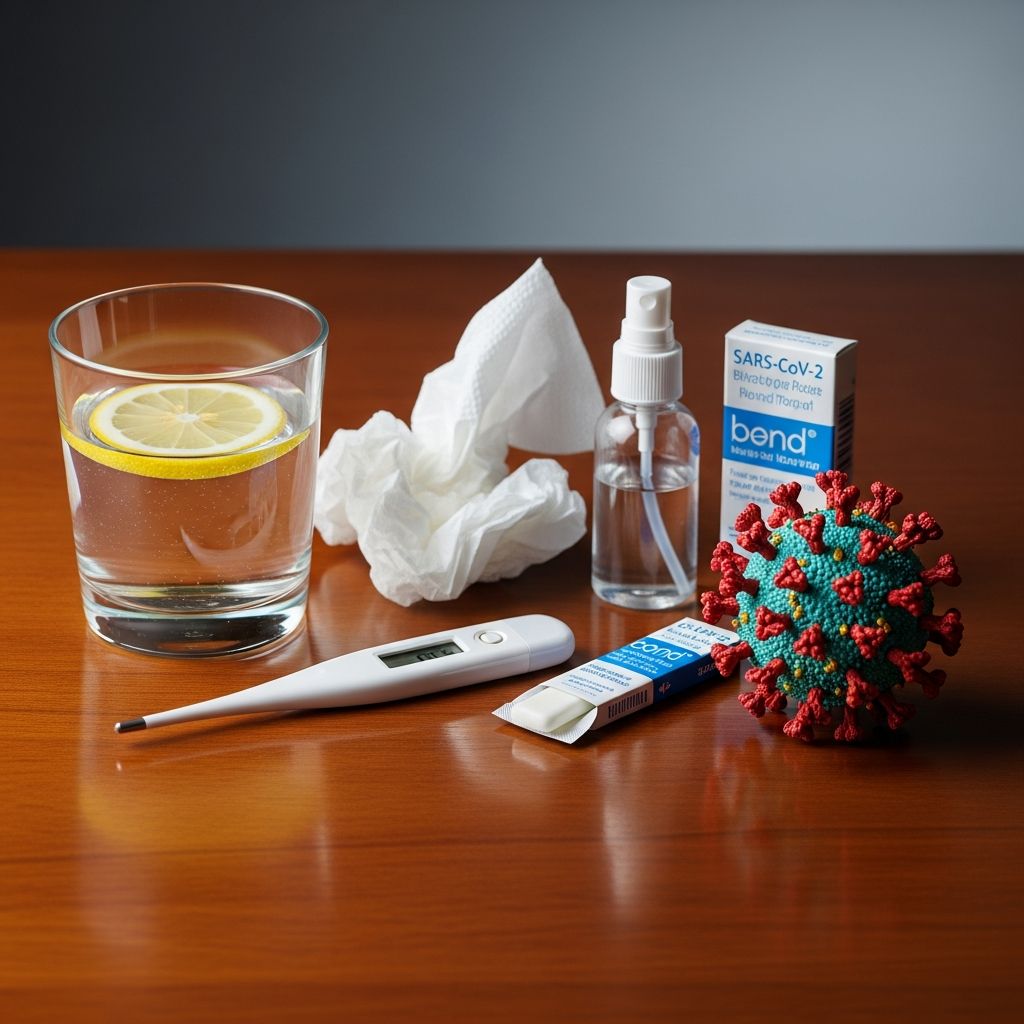
Respiratory illnesses like the common cold, influenza (flu), and COVID-19 often present with overlapping symptoms, making it challenging to differentiate them without careful observation or testing. Understanding their unique characteristics—such as onset speed, symptom intensity, and potential complications—empowers individuals to make informed decisions about care and prevention.
Overview of Common Respiratory Infections
The common cold is typically caused by rhinoviruses or other coronaviruses, leading to mild upper respiratory symptoms that resolve without intervention. Influenza, triggered by influenza A or B viruses, strikes more aggressively and can lead to serious health issues, particularly in vulnerable populations. COVID-19, resulting from the SARS-CoV-2 virus, varies widely in presentation but often involves systemic effects beyond the respiratory tract.
These infections spread through respiratory droplets, close contact, or contaminated surfaces, emphasizing the role of hygiene, vaccination, and masking in control efforts. While colds are ubiquitous and self-limiting, flu and COVID-19 pose higher risks of hospitalization and long-term effects.
Symptom Breakdown and Comparisons
Symptoms across these illnesses share common ground but diverge in frequency, severity, and specificity. Fever, cough, and fatigue appear in all three, yet nuances like loss of taste or smell strongly suggest COVID-19.
Typical Symptoms by Illness
- Common Cold: Sneezing, runny or stuffy nose, sore throat, mild cough, and occasional low-grade fever. Symptoms develop gradually over 1-3 days and last 3-10 days.
- Influenza (Flu): Sudden high fever, chills, severe muscle aches, headache, fatigue, dry cough, and sore throat. Onset is rapid, within 1-4 days post-exposure, with duration of 3-7 days for most.
- COVID-19: Fever or chills, dry cough, shortness of breath, fatigue, loss of taste/smell, headache, sore throat, and gastrointestinal issues like diarrhea. Incubation ranges from 2-14 days, averaging 5 days, with symptoms potentially lingering weeks.
Detailed Symptom Comparison Table
| Symptom | Common Cold | Flu | COVID-19 |
|---|---|---|---|
| Headache | Rarely | Usually | Usually |
| Cough | Sometimes (mild) | Usually (dry) | Sometimes (dry) |
| Muscle Aches | Never | Usually (severe) | Sometimes |
| Fatigue | Sometimes (mild) | Usually (severe) | Usually |
| Sneezing | Usually | Sometimes | Sometimes |
| Sore Throat | Usually | Usually | Usually |
| Runny/Stuffy Nose | Usually | Sometimes | Usually |
| Fever | Rarely (low-grade) | Usually (high) | Sometimes |
| Loss of Taste/Smell | Never | Rarely | Sometimes (often early) |
| Shortness of Breath | Never | Sometimes | Sometimes |
This table highlights patterns: flu often brings intense body-wide symptoms abruptly, colds focus on nasal issues, and COVID-19 uniquely features sensory loss.
Timeline: When Do Symptoms Appear?
Incubation periods provide diagnostic clues. Colds manifest 1-3 days after exposure. Flu symptoms erupt 1-4 days post-infection, often overnight. COVID-19’s longer window of 2-14 days (median 5 days) allows silent spread, underscoring testing needs.
Duration varies: colds fade in under two weeks, flu resolves in a week for healthy adults but longer for others, while COVID-19 may cause prolonged fatigue or ‘long COVID’ symptoms months later.
High-Risk Groups and Complications
Certain populations face elevated dangers. Older adults, young children, pregnant individuals, and those with chronic conditions like asthma, diabetes, or weakened immunity are vulnerable to severe outcomes from flu and COVID-19. Colds rarely escalate but can precede secondary bacterial infections.
Related Stories



Complications include pneumonia, hospitalization, or multi-organ failure, more common with flu and COVID-19. Seek immediate care for persistent chest pain, confusion, bluish lips, or severe breathing difficulty.
How to Test and Confirm Diagnosis
Rapid antigen or PCR tests distinguish COVID-19 from others; flu tests are available but less emphasized post-pandemic. Home tests for COVID-19 are accessible, with positives warranting isolation regardless of symptoms. If negative but symptoms persist, retest or consult a provider for flu or cold confirmation.
Testing is crucial amid overlaps, as treatments differ: antivirals like Paxlovid for high-risk COVID-19 or Tamiflu for flu within 48 hours.
Treatment Strategies for Each Condition
Colds: Rest, hydration, over-the-counter remedies for congestion, pain relievers like acetaminophen. Antibiotics are ineffective against viruses.
Flu: Similar supportive care, plus antivirals if started early. Vaccination prevents severe cases.
COVID-19: Isolation, symptom management, antivirals or monoclonal antibodies for eligible patients. Monitor for worsening.
Prevention: Your Best Defense
- Vaccinations: Annual flu shots and updated COVID-19 boosters reduce severity.
- Hygiene: Frequent handwashing, covering coughs, avoiding face touching.
- Distance: Stay home when sick; masks in crowded indoor spaces.
- Ventilation: Improve airflow to dilute viral particles.
When to Contact a Healthcare Provider
Consult a doctor if symptoms exceed mild levels, especially with high fever over 3 days, breathing issues, dehydration, or risk factors. Emergency signs include trouble breathing, chest pain, confusion, or unresponsiveness.
Frequently Asked Questions (FAQs)
Can a cold turn into flu or COVID-19?
No, colds don’t transform into flu or COVID-19; new infections occur via separate exposures. However, weakened immunity from one may increase susceptibility.
Is loss of taste/smell only for COVID-19?
It’s more characteristic of COVID-19 but can rarely occur in flu. Testing confirms.
How long should I isolate with COVID-19?
Follow current guidelines: typically 5 days if symptoms improve and fever-free, plus masking thereafter.
Are symptoms milder in children?
Yes, children often experience less severe COVID-19 or flu than adults, but watch for dehydration or breathing changes.
Do allergies mimic these illnesses?
Allergies lack fever, cause itching, and recur seasonally without contagion. Antihistamines help differentiate.
Staying Vigilant in a Multi-Virus World
With flu, COVID-19, and colds circulating, layered prevention and prompt testing mitigate spread and severity. Stay informed via reliable health authorities for evolving recommendations.
References
- Similarities and Differences between Flu and COVID-19 — Centers for Disease Control and Prevention (CDC). 2024-10-01. https://www.cdc.gov/flu/about/flu-vs-covid19.html
- Flu, COVID-19 or Cold? Symptom Comparison Chart — California Department of Public Health (CDPH). 2023-09-15. https://www.cdph.ca.gov/Programs/CID/DCDC/CDPH%20Document%20Library/Immunization/FluCOVIDorColdInfographic.pdf
- COVID-19, cold, allergies and the flu: What are the differences? — Mayo Clinic. 2025-01-20. https://www.mayoclinic.org/diseases-conditions/coronavirus/in-depth/covid-19-cold-flu-and-allergies-differences/art-20503981
- COVID-19, flu, RSV, cold or allergies? How to tell the difference — OSF HealthCare. 2024-11-05. https://www.osfhealthcare.org/blog/cold-flu-allergies-or-covid-19-how-to-tell-the-difference
- Is it the Cold, Flu, COVID or Allergies? — Tylenol (Johnson & Johnson). 2024-08-12. https://www.tylenol.com/children-infants/cold-flu/cold-vs-flu-vs-covid-allergies
- Do You Have a Cold, the Flu or COVID-19 — UCSF Health. 2024-06-18. https://www.ucsfhealth.org/education/do-you-have-a-cold-the-flu-or-covid-19
- Is It Flu, COVID-19, Allergies, or a Cold? — National Institutes of Health (NIH) News in Health. 2022-01-01. https://newsinhealth.nih.gov/2022/01/it-flu-covid-19-allergies-or-cold
Similar Articles








Read full bio of Sneha Tete