Cold & Flu Season And Diabetes: 10 Prevention & Sick-Day Tips
Essential strategies for people with diabetes to prevent and manage colds and flu during peak season.
People with diabetes face heightened risks during cold and flu season due to compromised immune responses and blood sugar fluctuations triggered by illness. Proactive prevention, vigilant monitoring, and targeted self-care can significantly reduce complications.
Why Cold and Flu Season Is Riskier with Diabetes
Diabetes weakens the immune system, making individuals three times more likely to be hospitalized from flu compared to those without the condition. Infections like influenza trigger stress hormones such as cortisol, which reduce insulin production and prompt the liver to release more glucose, spiking blood sugar levels.
Cold weather exacerbates this by increasing bodily stress, further elevating cortisol and hindering glucose control. Respiratory illnesses peak from October to February, overlapping with holidays that disrupt routines through indulgent foods and reduced activity.
- Immune Vulnerability: Chronic high blood sugar impairs white blood cell function, slowing infection-fighting capabilities.
- Blood Sugar Instability: Illness can cause hyperglycemia from stress hormones or hypoglycemia if appetite wanes.
- Complication Risks: Higher chances of pneumonia, bronchitis, dehydration, and diabetic ketoacidosis (DKA).
How Illness Affects Blood Sugar Levels
When sick, the body releases hormones like cortisol and adrenaline to combat infection, counteracting insulin and raising glucose. Even well-managed diabetes sees spikes, as reduced insulin sensitivity combines with liver glucose output.
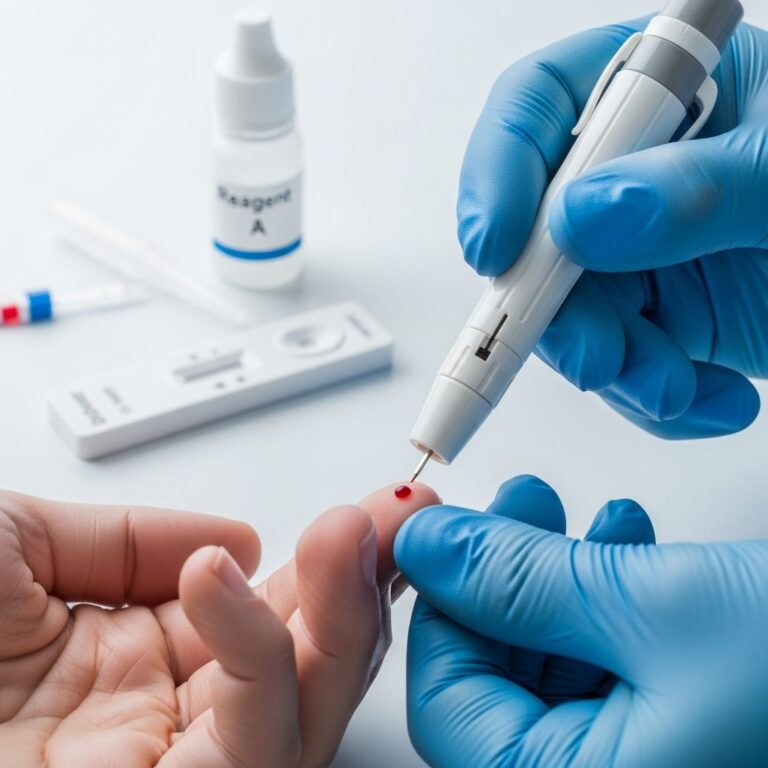
Conversely, nausea or poor intake can drop levels dangerously. Monitoring every 4 hours is crucial, with urine ketone checks if glucose exceeds 250 mg/dL.
| Illness Effect | Blood Sugar Impact | Management Tip |
|---|---|---|
| Stress Hormones (e.g., Flu) | Increases (Hyperglycemia) | Test frequently; adjust insulin per doctor. |
| Reduced Eating | Decreases (Hypoglycemia) | Consume carbs like crackers or applesauce. |
| Dehydration/Fever | Increases | Hydrate with water or electrolyte drinks. |
Prevention Tips for Cold and Flu Season
Prevention is paramount for diabetes patients. Key strategies include vaccination, hygiene, nutrition, and lifestyle adjustments to bolster immunity and stabilize glucose.
Get Vaccinated
Annual flu shots reduce illness severity and hospitalization risk; get them October to mid-November. Discuss pneumococcal vaccines with your provider for pneumonia protection. Encourage household contacts to vaccinate too.
Practice Good Hygiene
Wash hands frequently with soap for 20 seconds, avoid face touching, and stay home when sick to curb germ spread.
Boost Immunity with Nutrition
Focus on nutrient-dense foods supporting immune function without spiking glucose. Prioritize low-glycemic options rich in vitamins.
- Vitamin C Sources: Citrus fruits (oranges, grapefruits), bell peppers – enhance white blood cell production.
- Leafy Greens: Spinach, kale – provide vitamins A, C, and antioxidants.
- Anti-Inflammatories: Garlic, ginger – fight bacteria and reduce throat inflammation.
- Probiotics: Yogurt, kefir – promote gut health linked to immunity.
- Zinc-Rich Foods: Nuts, seeds, lean proteins – support immune cell development.
Stay hydrated with 8+ cups of water daily; herbal teas like ginger or echinacea add benefits. Balance holiday meals by pairing treats with veggies.
Stay Active and Manage Stress
Cold weather limits outdoor exercise, but indoor activities like yoga or Zumba maintain activity levels, aiding glucose control. Aim for 7-9 hours of quality sleep to lower cortisol.
Related Stories



Protect Supplies from Cold
Keep insulin, pumps, and monitors from freezing; store at room temperature. Use insulated cases during travel.
Sick-Day Management Guidelines
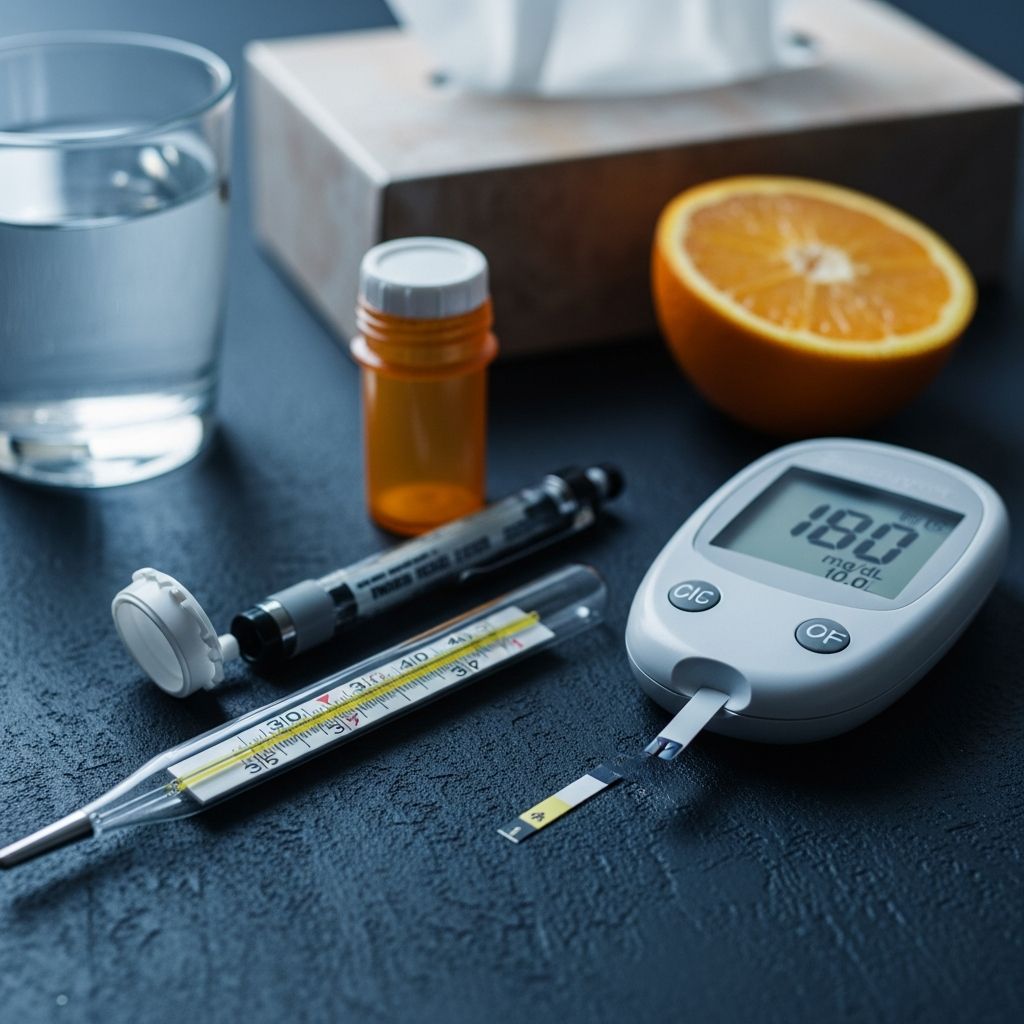
If illness strikes, have a “sick-day kit” ready with glucose logs, ketone strips, medications, and easy carbs. Never skip insulin or pills.
- Monitor Frequently: Blood sugar every 4 hours; ketones if >250 mg/dL or ill >24 hours.
- Hydrate Aggressively: Water, broths; avoid caffeine/sugar drinks.
- Eat Smart: Soft carbs (pasta, rice, sherbet) if appetite low; aim for normal intake.
- Medications: Start antivirals within 48 hours of symptoms; continue diabetes meds.
- Warning Signs: Call doctor for fever >101°F, glucose <60 or >250 mg/dL persistently, trouble breathing, >5 lb weight loss, or confusion.
Track symptoms and readings; seek ER for severe issues like DKA indicators (nausea, rapid breathing).
Immune-Boosting Lifestyle Habits
Beyond basics, consistent habits fortify defenses. Prioritize sleep hygiene: cool, dark rooms, no screens pre-bed. Manage winter stress with mindfulness to curb cortisol spikes.
Incorporate movement: home workouts prevent holiday inactivity. Balanced plates with proteins, fibers, and healthy fats stabilize energy.
Frequently Asked Questions (FAQs)
Should people with diabetes get the flu vaccine?
Yes, annual flu shots are strongly recommended to prevent severe illness and complications.
How often should I check blood sugar when sick?
Every 4 hours, plus ketone tests if levels stay high.
What foods help boost immunity for diabetes patients?
Citrus, leafy greens, garlic, ginger, and probiotics – all low-glycemic and nutrient-packed.
Can cold weather directly affect my diabetes?
Yes, it raises stress hormones like cortisol, spiking blood sugar.
What if I can’t eat during illness?
Opt for soft carbs like applesauce or crackers; hydrate and contact your doctor if persistent.
Long-Term Strategies for Winter Wellness
Year-round metabolic health reduces seasonal vulnerabilities. Maintain A1C targets, regular check-ups, and education on illness plans. Programs like Michigan State University Extension’s PATH workshops offer free support.
Winter doesn’t have to derail management. With vigilance, people with diabetes can navigate cold and flu season effectively, minimizing disruptions and health risks.
References
- Preparing for Cold and Flu Season: Immune-Boosting Tips for Women with Diabetes — Diabetes Sisters. 2023. https://diabetessisters.org/resources/preparing-for-cold-and-flu-season-immune-boosting-tips-for-women-with-diabetes/
- Managing Diabetes in Cold Weather — Centers for Disease Control and Prevention (CDC). 2024-10-01. https://www.cdc.gov/diabetes/articles/managing-diabetes-cold-weather.html
- Why the Flu Is Dangerous for Diabetics — Healthgrades Health Library. 2024. https://resources.healthgrades.com/right-care/diabetes/why-the-flu-is-dangerous-for-diabetics
- Winter Weather and Diabetes — Michigan State University Extension. 2023-11-15. https://www.canr.msu.edu/news/winter_weather_and_diabetes
- Why Metabolic Health Matters for Cold and Flu Season — Levels Health. 2024. https://www.levels.com/blog/why-metabolic-health-matters-for-cold-and-flu-season
Similar Articles








Read full bio of Sneha Tete