Cold Medicines That Are Safe For Diabetes: Comprehensive Guide
Discover safe cold remedies for people with diabetes to manage symptoms without spiking blood sugar levels effectively.
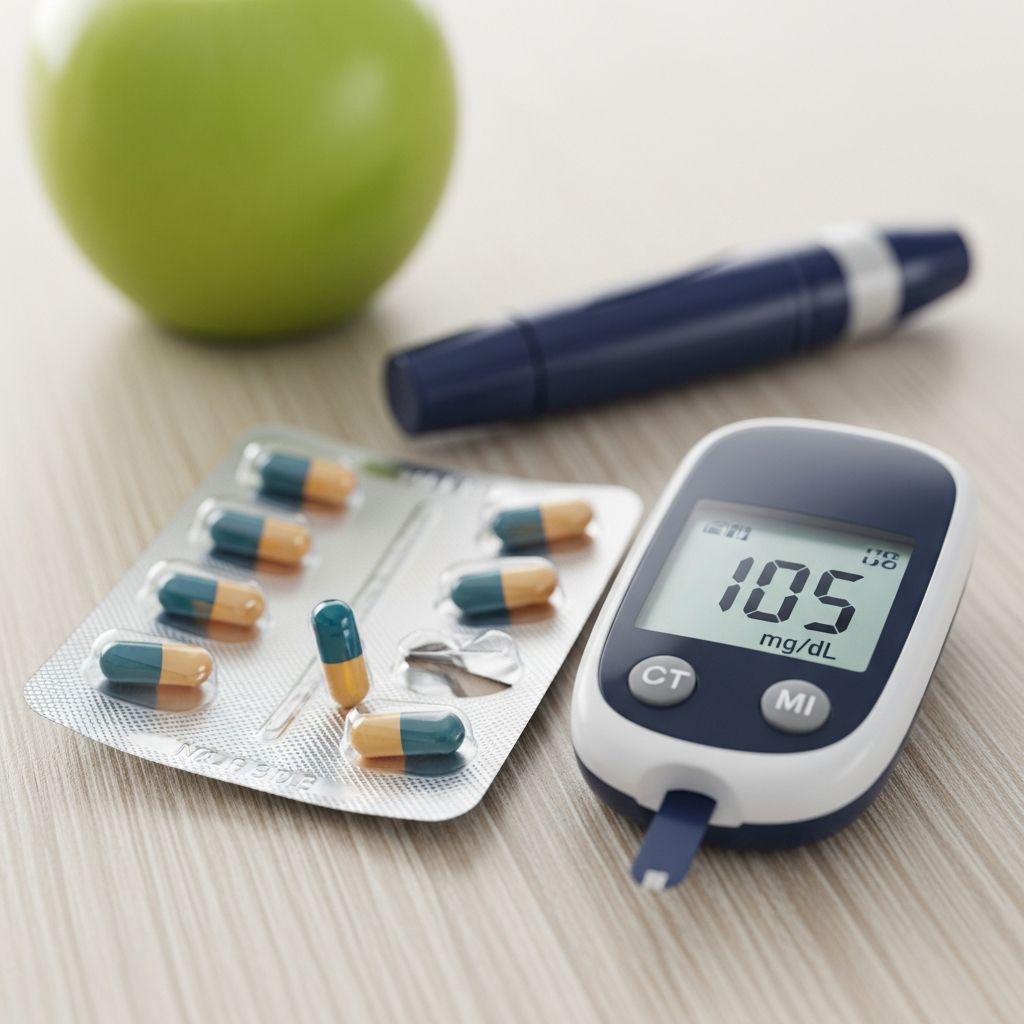
When you have diabetes, catching a cold or flu can complicate blood sugar management. Illness stresses the body, raising glucose levels, while many over-the-counter (OTC) remedies contain sugar or ingredients that interfere with control. This guide outlines safe cold medicines for people with diabetes, drawing from expert recommendations to help you stay healthy without risks.
How a Cold or Flu Affects Blood Sugar Levels
Diabetes impairs the body’s ability to process glucose effectively due to insufficient insulin production or poor utilization. During illness like a cold or flu, the immune response triggers hormone release that elevates blood sugar, even without eating more. Dehydration from fever, congestion, or reduced appetite worsens this, potentially leading to hyperglycemia or ketone buildup in type 1 diabetes.
Infections disrupt normal routines: you might skip meals, causing hypoglycemia, or consume sugary drinks for hydration, spiking levels. Continuous glucose monitors (CGMs) can give false readings from certain meds, making finger-stick checks essential. People with diabetes face higher risks of complications, so proactive management is key.
Safe Over-the-Counter Medications for Colds and Flu
Choosing diabetes-friendly cold medicines means prioritizing sugar-free formulas, avoiding hidden carbs, and steering clear of blood pressure-elevating decongestants. Always read labels for carbohydrates per dose and consult your doctor or pharmacist. Pills are often preferable to liquids, which may contain sugars.
Pain Relievers and Fever Reducers
Acetaminophen (Tylenol) effectively reduces fever, sore throat pain, and aches without directly affecting blood sugar. However, it can cause falsely high CGM readings, so verify with a glucometer. Aspirin (salicylic acid) is another option but may lower glucose or interfere with CGMs, showing false lows. Use in moderation and monitor closely. Ibuprofen (Advil) helps inflammation but enhances insulin’s effects, risking hypoglycemia—avoid high doses if on insulin.
- Acetaminophen: Safe for glucose; check CGM interference.
- Aspirin: Possible glucose-lowering; glucometer confirmation needed.
- Ibuprofen: Use cautiously with insulin therapy.
Cough Suppressants and Expectorants
Guaifenesin loosens mucus for productive coughs, while dextromethorphan quiets dry coughs—both safe for diabetes in sugar-free forms. Brands like Robitussin Sugar-Free, Diabetic Tussin, Safetussin, and Scot-Tussin combine these without carbs. Mucinex and Mucinex DM are reliable; opt for tablets or sugar-free liquids.
| Product | Active Ingredients | Diabetes Notes |
|---|---|---|
| Robitussin Sugar-Free | Guaifenesin, Dextromethorphan | No added sugar; chest congestion relief. |
| Mucinex DM | Guaifenesin, Dextromethorphan | Safe when label-checked for liquids. |
| Diabetic Tussin | Dextromethorphan | Specifically formulated for diabetics. |
Decongestants: Proceed with Caution
Pseudoephedrine (Sudafed) and phenylephrine raise blood pressure and blood sugar, making them unsuitable for most with diabetes, especially hypertension. Antihistamines like cetirizine (Zyrtec) help allergies but not true colds and cause drowsiness; combine cautiously. Avoid multi-symptom products with these.
Sore Throat Remedies
Sugar-free lozenges or sprays soothe irritation. Look for those without glucose syrups; Cepacol or Chloraseptic sugar-free versions work well.
Your Sick-Day Action Plan for Diabetes
Related Stories



Preparation prevents crises. Develop a plan with your healthcare team: adjust insulin or meds, monitor ketones if glucose exceeds 240 mg/dL, and stock safe remedies. Check blood sugar every 4 hours or more if unstable.
- Hydrate: Water, herbal tea, sugar-free ginger ale; aim for 8-12 cups daily.
- Carbs if low: 15g fast-acting like apple juice (1/2 cup), glucose tabs.
- Meals: Small, balanced even if appetite lags—broth, crackers, yogurt.
- Ketones: Test urine if type 1 and glucose high; seek care if positive.
Track temperature; fever signals dehydration. Rest, but move lightly to aid circulation.
When to Call Your Doctor
Don’t delay care for severe symptoms. Contact your provider if:
- Glucose >240 mg/dL persistently or <70 mg/dL unresponsive to treatment.
- High ketones, vomiting, diarrhea preventing fluids.
- Difficulty breathing, confusion, extreme fatigue.
- Fever >101°F (38.3°C) lasting >24 hours.
- Unable to eat for >24 hours or rapid weight loss.
These indicate risks like diabetic ketoacidosis (DKA). ER if unresponsive.
Prevention Tips: Stay Cold- and Flu-Free
Vaccines are vital: annual flu shot, COVID-19 updates, pneumococcal for high-risk. Wash hands frequently, avoid crowds, maintain A1C <7% for resilience. Stock a diabetes-friendly medicine cabinet: sugar-free cough drops, acetaminophen, guaifenesin.
Frequently Asked Questions (FAQs)
Can people with diabetes take NyQuil?
Regular NyQuil has sugar, alcohol, and acetaminophen—risky for glucose and CGMs. Use diabetes-specific versions without sugar/alcohol, but confirm acetaminophen with finger sticks.
Is Mucinex safe for diabetics?
Yes, Mucinex and Mucinex DM are safe as directed. Choose sugar-free liquids or tablets.
Can Zyrtec be used for colds in diabetes?
Zyrtec aids allergy-like cold symptoms but causes drowsiness; not ideal for true colds alone.
Do decongestants affect blood sugar?
Yes, pseudoephedrine and phenylephrine elevate glucose and BP—avoid them.
How often to check blood sugar when sick?
Every 4 hours or more; before/after meds, meals, and bedtime.
This comprehensive approach ensures colds don’t derail diabetes control. Always personalize with your healthcare provider.
References
- What cold medicines are suitable for a person with diabetes? — Medical News Today. 2023-10-15. https://www.medicalnewstoday.com/articles/cold-medicine-for-diabetes
- Which Cold Medicines Can You Take If You Have Diabetes? — GoodRx. 2024-09-20. https://www.goodrx.com/conditions/diabetes/cold-medicine
- Colds, Flu, and Diabetes — WebMD. 2024-11-05. https://www.webmd.com/diabetes/cold-flu-treatments-diabetes
- Diabetes and Sick Days: Tips for Managing Blood Sugar — American Diabetes Association. 2025-01-10. https://diabetes.org/health-wellness/illness-injury-surgery/diabetes-sick-days
- Nonprescription Medications and Diabetes — U.S. Food and Drug Administration (FDA). 2024-03-12. https://www.fda.gov/consumers/consumer-updates/nonprescription-medicines-and-diabetes
Similar Articles








Read full bio of Sneha Tete