Cold Shower Vs. Cold Plunge: Benefits, Risks, How To Choose
Discover the key differences between cold showers and cold plunges, comparing their benefits for recovery, mood, immunity, and overall health to find the best cold therapy for you.
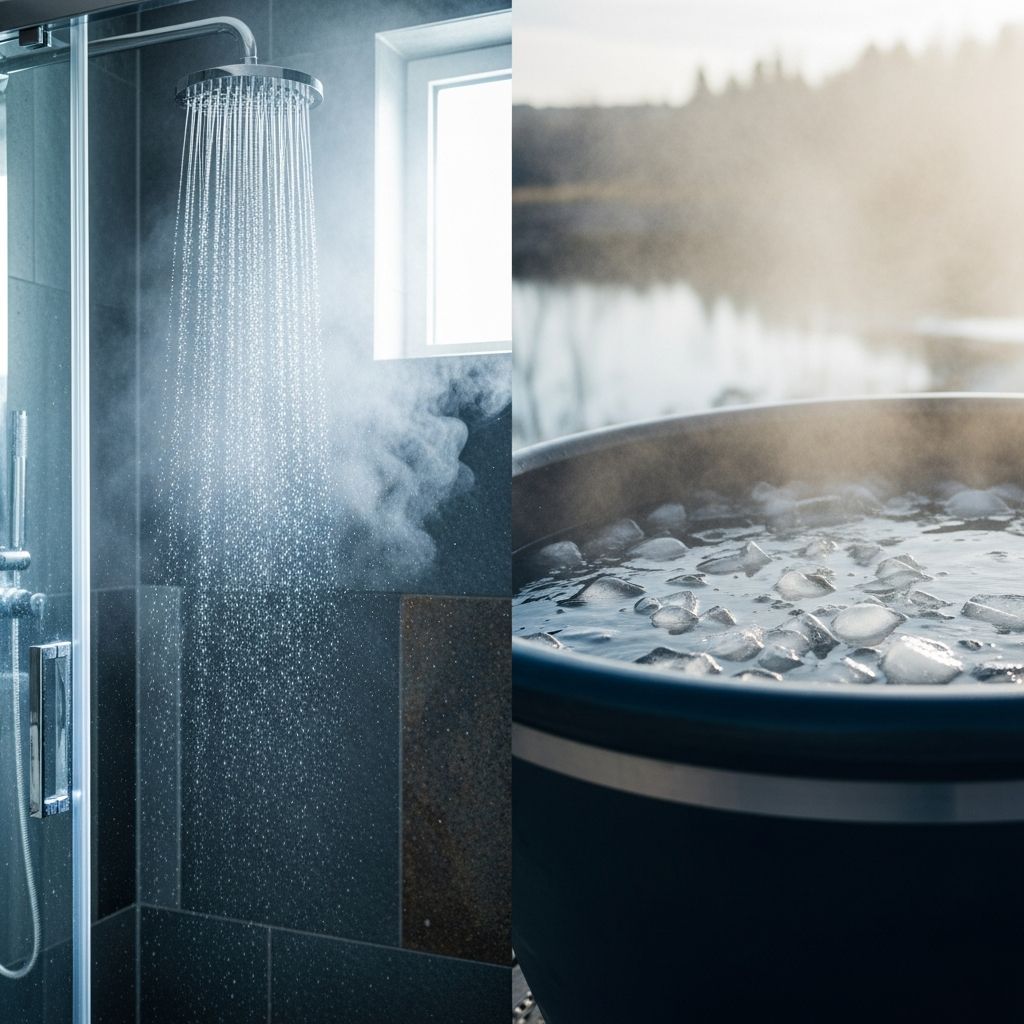
Cold showers and cold plunges, also known as ice baths, are popular forms of cold water therapy gaining traction for their potential health advantages. While both expose the body to chilly temperatures, they differ significantly in method, intensity, and outcomes. Cold showers involve standing under a stream of cold water from a showerhead, typically accessible and quick. Cold plunges require full or near-full submersion in a tub of ice-cold water, often between 39°F and 55°F. This article breaks down their benefits, comparisons, and practical considerations to help you decide which might suit your routine.
What Is a Cold Shower?
A cold shower is the simplest entry into cold therapy: turn your shower to its coldest setting, usually around 50-60°F depending on location and season, and stand under it for 2-5 minutes. No special equipment is needed, making it ideal for beginners or those with limited space. Proponents, including athletes like Michael Phelps, praise it for kickstarting the day with a burst of alertness.
- Accessibility: Available in any home with a shower; no setup required.
- Duration: Short sessions suffice for noticeable effects.
- Temperature control: Adjustable via faucet, though rarely below 45°F from tap water.
Cold showers stimulate the sympathetic nervous system, releasing adrenaline and dopamine for an energy boost without full commitment to extreme cold.
What Is a Cold Plunge?
A cold plunge involves immersing the body—often up to the neck—in a tub filled with water chilled to 39-55°F using ice or a chiller unit. Sessions last 3-10 minutes, promoting deeper physiological responses due to uniform cooling and hydrostatic pressure. Dedicated tubs like those from Plunge or Coldture enhance consistency.
- Immersion: Full-body exposure for even temperature distribution.
- Equipment: Requires a tub, ice, or cooling system; higher upfront cost.
- Intensity: Colder temperatures trigger stronger adaptations.
This method mimics contrast therapy used by elite athletes for recovery.
Cold Shower Benefits
Cold showers offer convenient, everyday perks backed by user reports and preliminary studies. They primarily activate the “fight-or-flight” response for immediate gains.
- Energy and Alertness Boost: Cold water triggers adrenaline and dopamine release, sharpening focus and combating morning grogginess. Ideal for an invigorating start.
- Mood and Mental Health Improvement: Enhances endorphin production, reducing stress and elevating mood without medication.
- Improved Circulation: Alternating hot-cold (if combined) or cold alone constricts then dilates vessels, aiding blood flow.
- Immunity Support: Regular exposure may strengthen immune response via white blood cell increase.
- Skin and Hair Health: Closes pores, reduces inflammation, and preserves natural oils for healthier complexion.
Limitations include partial body coverage, making effects less profound than immersion.
Cold Plunge Benefits
Cold plunges deliver intensified benefits from full submersion, hydrostatic pressure, and lower temperatures, supported by research on athletes.
- Muscle Recovery and Reduced Soreness: Constricts blood vessels to flush lactic acid, minimizing delayed onset muscle soreness (DOMS). A 2011 study on cyclists showed less soreness post-immersion.
- Inflammation Reduction: Lowers swelling and cytokine levels, aiding post-workout or injury recovery.
- Vagus Nerve Stimulation: Neck-deep immersion activates this nerve, promoting parasympathetic “rest-and-digest” for calm, better sleep, and stress relief.
- Brown Fat Activation: Triggers heat-generating brown adipose tissue, boosting metabolism and thermoregulation.
- Enhanced Immunity and Euphoria: Stronger dopamine surge leads to post-plunge high; may improve lymphatic drainage and cold shock proteins.
Related Stories



Mayo Clinic notes cold plunging reduces exercise-induced muscle damage via vascular constriction and immune modulation.
Cold Shower vs. Cold Plunge: Key Differences
While overlapping in cold exposure, differences in delivery yield distinct pros and cons. Here’s a side-by-side comparison:
| Aspect | Cold Shower | Cold Plunge |
|---|---|---|
| Temperature | 45-60°F (tap water) | 39-55°F (with ice/chiller) |
| Body Coverage | Partial (head-to-toe stream) | Full immersion (neck-down) |
| Hydrostatic Pressure | None | Yes – improves circulation |
| Recovery Depth | Mild soreness relief | Deep DOMS reduction |
| Mental Effects | Alertness boost | Euphoria + relaxation |
| Accessibility | High (no equipment) | Low (tub needed) |
| Risks | Low | Higher for heart conditions |
Cold plunges excel in recovery due to pressure pushing blood centrally, unlike showers’ surface-level cooling.
Which Is Better for Recovery?
For athletes or intense workouts, cold plunges outperform. Research shows immersion reduces inflammation and restores performance faster by limiting muscle damage. Showers provide quick relief but lack pressure for optimal flushing. Beginners might start with showers to build tolerance.
How to Start Cold Showers and Cold Plunges
Cold Shower Protocol
- Warm up with hot water for 2-3 minutes.
- Switch to cold for 30 seconds; gradually increase to 2-3 minutes.
- Focus on deep breathing; end on a high note.
- Aim for daily morning sessions.
Cold Plunge Protocol
- Fill tub to 50°F; add ice if needed.
- Submerge to neck for 3-5 minutes; breathe steadily.
- Warm up naturally; follow with light movement.
- 2-3 times weekly post-workout.
Consult a doctor if you have cardiovascular issues.
Risks and Precautions
Both are safe for healthy adults but carry risks:
- Hypothermia: Limit time in water below 50°F.
- Heart Strain: Sudden cold shocks blood pressure; avoid if hypertensive.
- Shock: Plunges more intense—start slow.
Pregnant individuals or those with Raynaud’s should skip.
Expert Tips
- Combine with breathwork for vagus activation.
- Track progress: mood, soreness via journal.
- Invest in a chiller for consistent plunges.
Frequently Asked Questions
What are the main benefits of cold showers vs. cold plunges?
Cold showers boost energy and mood quickly; plunges offer superior recovery, inflammation reduction, and vagus nerve benefits due to immersion.
Can cold showers replace a cold plunge?
No—showers lack full immersion and pressure, limiting deep recovery effects.
How cold should the water be?
Showers: 50-60°F; plunges: 39-55°F for optimal response.
Are cold plunges safe daily?
3-4 times weekly max; allow adaptation to avoid overstress.
Do cold therapies build immunity?
Evidence suggests yes via hormone shifts and white cell boosts, but more research needed.
References
- Ice Bath vs Cold Shower? What Yields More Benefits? — Coldture. 2023. https://coldture.com/en-us/blogs/news/cold-plunge-vs-cold-shower
- Cold showers vs cold plunges: Which one is better for you? — Chilly Goat Tubs. 2024. https://chillygoattubs.com/blogs/cold-tubs/cold-showers-vs-cold-plunges
- Is a Cold Shower the Same as a Cold Plunge? — PLUNJ. 2024. https://www.plunj.co/is-a-cold-shower-the-same-as-a-cold-plunge/
- Cold-water plunging health benefits — Mayo Clinic Health System. 2023-10-10. https://www.mayoclinichealthsystem.org/hometown-health/speaking-of-health/cold-plunge-after-workouts
- Cold Shower vs. Ice Bath: Which is Better? — Plunge. 2024. https://plunge.com/blogs/blog/ice-bath-vs-cold-shower
Similar Articles








Read full bio of Sneha Tete