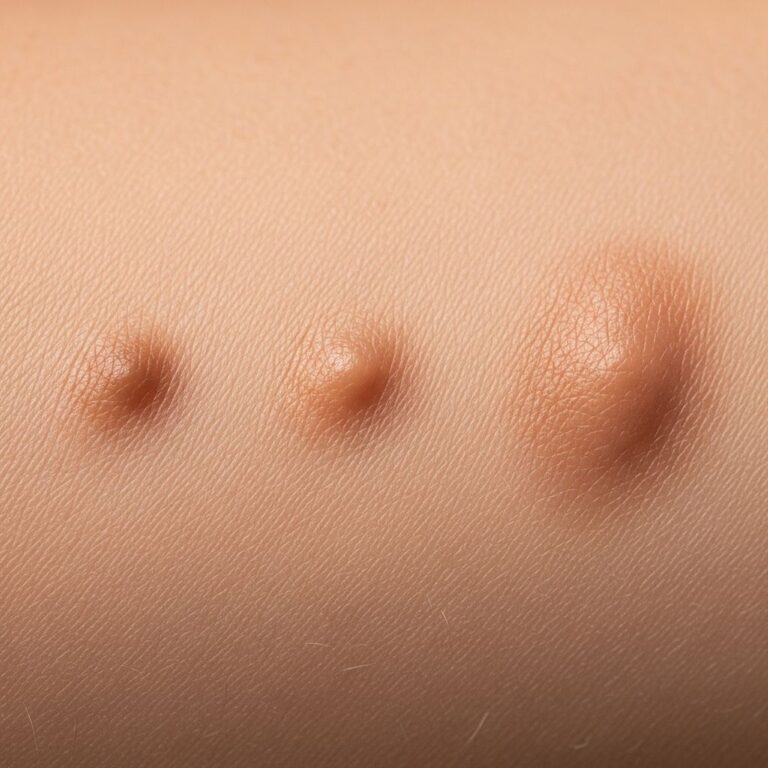
Cold Sore Symptoms: 5 Stages, Treatment, And Prevention
Recognize cold sore symptoms early, understand causes, treatments, and prevention to manage outbreaks effectively and reduce spread.
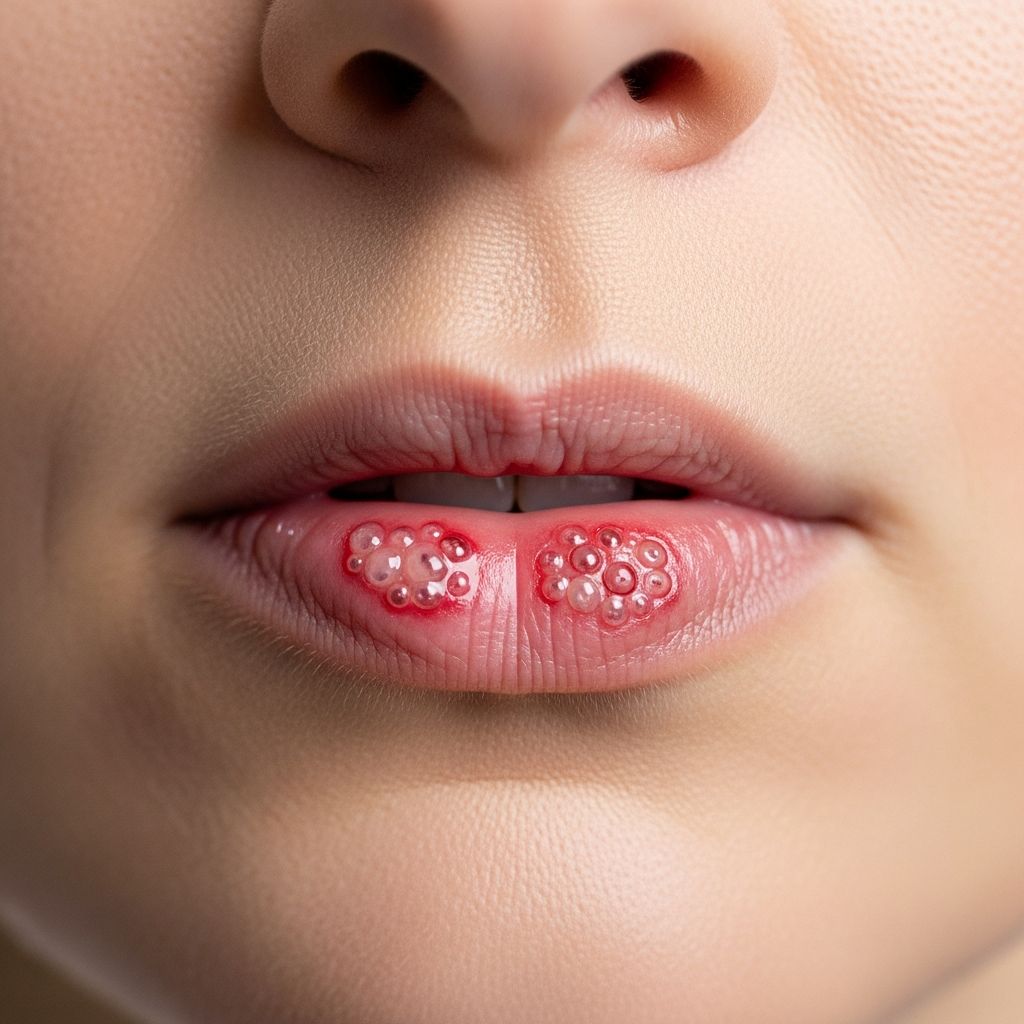
Cold sores, also known as fever blisters, are common viral infections caused by the herpes simplex virus type 1 (HSV-1). They typically appear as small, fluid-filled blisters around the mouth or lips. Recognizing symptoms early allows for timely treatment to reduce discomfort, speed healing, and prevent spread to others.
What Is a Cold Sore?
A cold sore is a cluster of blisters that forms on or around the lips, mouth, or occasionally the nose. These blisters are caused by the HSV-1 virus, which remains dormant in nerve cells after initial infection and can reactivate due to triggers like stress, illness, sunlight, or hormonal changes. Unlike canker sores, which occur inside the mouth and are not contagious, cold sores are highly contagious and appear on the outer lips or face.
Most people contract HSV-1 in childhood through non-sexual contact like kissing. Once infected, the virus stays in the body lifelong, leading to recurrent outbreaks in about 20-40% of carriers. Outbreaks usually last 7-10 days without treatment.
Cold Sore Symptoms: From Prodrome to Healing
Cold sores progress through distinct stages, each with recognizable symptoms. Early detection during the prodrome phase can help manage severity.
- Prodrome Stage (Tingling Phase): The first sign is a tingling, itching, burning, or numbness around the lips or mouth, lasting 6-48 hours. This is the ideal time to apply antiviral cream.
- Blister Formation: Small, painful fluid-filled blisters appear, often in clusters, on red, inflamed skin. Blisters may merge and feel tender to touch.
- Ulcer or Open Sore Stage: Blisters burst, releasing clear fluid containing high viral loads, forming shallow, grayish ulcers. This is the most painful and contagious phase.
- Crusting Phase: A yellowish crust or scab forms over the sore as it dries. The scab may crack and bleed if stretched.
- Healing Stage: The scab falls off naturally, revealing pink skin that heals without scarring in 7-10 days. Full resolution takes 10-14 days.
Symptoms can vary: first outbreaks are often more severe, with fever, swollen lymph nodes, and mouth sores (gingivostomatitis). Recurrent episodes are milder but can still cause pain, affecting eating or speaking.
How Long Do Cold Sores Last?
Untreated cold sores typically heal within 7-10 days, starting to improve after 4-5 days. Antiviral treatments can shorten duration by 1-2 days if applied early. Factors prolonging healing include weakened immunity, large sores, or secondary bacterial infections.
| Stage | Duration | Key Symptoms |
|---|---|---|
| Prodrome | 6-48 hours | Tingling, itching |
| Blisters | 1-2 days | Fluid-filled bumps |
| Open Sore | 2-4 days | Painful ulcers |
| Crusting | 2-3 days | Scab formation |
| Healing | 2-4 days | New skin emerges |
Causes of Cold Sores
Cold sores result from HSV-1 reactivation. The virus spreads via direct contact with infected saliva or skin during active outbreaks or asymptomatic shedding. Common transmission occurs through kissing, sharing utensils, or oral sex (risking genital herpes).
Triggers for Outbreaks:
- Stress or emotional upset
- Illness or fever
- Sun exposure or sunburn
- Hormonal changes (e.g., menstruation)
- Weakened immune system (e.g., from HIV, chemotherapy)
- Fatigue or poor sleep
- Certain foods (acidic or salty)
HSV-1 infects 50-80% of adults worldwide, but only a subset experience frequent recurrences.
Are Cold Sores Contagious? How Long?
Yes, cold sores are highly contagious from the first prodromal tingling until the scab fully heals and new skin forms—typically 7-14 days. The highest risk is during the blister and open sore stages due to viral shedding in blister fluid.
Related Stories



Avoid sharing items and practice these precautions:
- Wash hands after touching the sore.
- Don’t kiss or share food/drinks.
- Avoid oral sex until fully healed.
- Use separate towels and lip products.
- Especially critical: Never kiss newborns or infants, as neonatal herpes can be life-threatening.
Cold Sore vs. Other Lip or Mouth Issues
Not every lip bump is a cold sore. Differentiate to seek proper care.
| Condition | Symptoms | Contagious? | Treatment |
|---|---|---|---|
| Cold Sore | Clusters of blisters on lips, tingling prodrome, crusts | Yes (HSV-1) | Antivirals, self-care |
| Canker Sore | Painful ulcer inside mouth/cheeks, no blisters | No | Oral rinses, avoid irritants |
| Angular Cheilitis | Cracks at mouth corners, no blisters | Sometimes (fungal/bacterial) | Antifungal cream |
| Impetigo | Honey-crusted sores, often on face | Yes (bacterial) | Antibiotics |
| Pimple/Boil | Single pus-filled red spot | No | Warm compress |
Treatment Options for Cold Sores
Over-the-Counter Remedies: Pharmacists recommend antiviral creams (e.g., acyclovir, penciclovir) applied at first tingle to shorten healing by 0.5-1 day. Pain-relieving creams (lidocaine), patches to protect sores, and numbing lip balms help symptoms. Devices using light/laser therapy lack strong evidence.
Prescription Treatments: For severe/frequent outbreaks, doctors prescribe oral antivirals like valacyclovir or famciclovir, especially for immunocompromised patients, pregnant women, or neonates.
At-Home Self-Care:
- Apply ice or cold compress to reduce swelling.
- Use petroleum jelly on scabs to prevent cracking.
- Take ibuprofen or acetaminophen for pain/fever.
- Keep hydrated and eat soft foods.
- Avoid triggers like sun (use SPF 15+ lip balm).
Do: Dab creams gently; cover sores; stay hydrated.
Don’t: Pick scabs; kiss others; eat spicy/salty foods.
When to See a Doctor
Seek medical advice if:
- Sore doesn’t heal in 10-14 days.
- Very large, painful, or frequent (6+ per year).
- Spreads to eyes, genitals, or inside mouth extensively.
- Accompanied by fever, swollen glands, or eye pain (risk of herpes keratitis).
- You have weakened immunity, are pregnant, or treating a newborn.
- First outbreak or unsure of diagnosis.
Children with mouth sores and gum swelling may have primary gingivostomatitis needing evaluation.
Prevention Tips
No cure exists for HSV-1, but strategies reduce outbreaks and transmission:
- Use daily oral antivirals for frequent sufferers.
- Manage stress with exercise, sleep, diet.
- Apply sunscreen lip balm daily.
- Avoid known triggers.
- Lysine supplements (1,000 mg/day) may help some, but evidence is mixed.
Frequently Asked Questions (FAQs)
Can cold sores be cured?
No, HSV-1 is lifelong, but antivirals control symptoms and frequency.
Do cold sores always blister?
Most do, but some only cause tingling or redness.
Are cold sores a sign of STD?
HSV-1 is usually oral and non-sexual, but can cause genital herpes via oral sex.
Can kids get cold sores?
Yes, often from family kisses; primary infection can be severe.
Is it safe to exercise with a cold sore?
Yes, but avoid sweating into eyes and wash hands after.
References
- Cold sores – NHS — National Health Service (NHS). 2024-02-19. https://www.nhs.uk/conditions/cold-sores/
- Herpes – oral — Centers for Disease Control and Prevention (CDC). 2024-06-21. https://www.cdc.gov/std/herpes/stdfact-herpes.htm
- Herpes Simplex Virus (HSV): Background, Microbiology, Pathophysiology — Medscape (WebMD). 2025-01-10. https://emedicine.medscape.com/article/218580-overview
- Cold Sores (Herpes Simplex Virus) – StatPearls — NCBI Bookshelf (National Center for Biotechnology Information). 2024-07-17. https://www.ncbi.nlm.nih.gov/books/NBK525782/
- Herpes Simplex — World Health Organization (WHO). 2023-11-22. https://www.who.int/news-room/fact-sheets/detail/herpes-simplex-virus
Similar Articles








Read full bio of Sneha Tete