Cold Sores Guide: 5 Stages, Treatment, And Prevention
Discover causes, symptoms, treatments, and prevention strategies for managing cold sores effectively and reducing outbreaks.
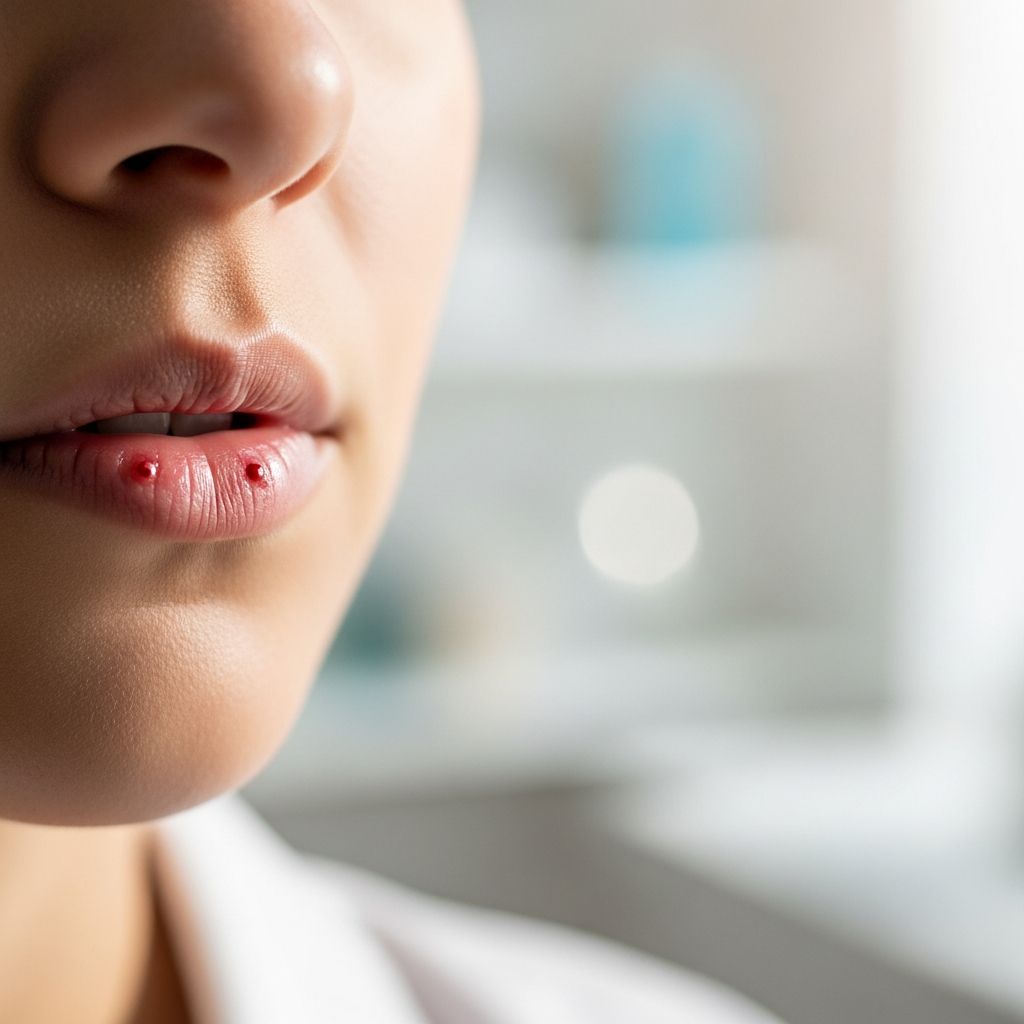
Cold sores, also known as fever blisters, are small, painful blisters that typically appear on or around the lips, caused by the herpes simplex virus type 1 (HSV-1).
Understanding the Herpes Virus Behind Cold Sores
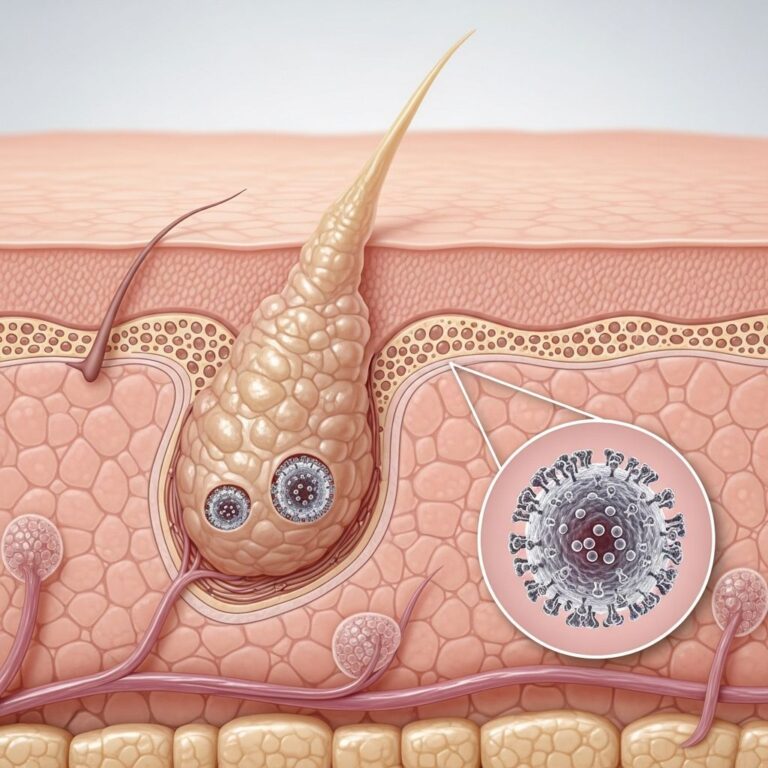
The herpes simplex virus (HSV) is responsible for cold sores, with HSV-1 being the primary culprit for oral infections leading to these blisters. Once contracted, usually in childhood through close contact like kissing or sharing utensils, the virus integrates into nerve cells near the mouth and remains latent. It can reactivate periodically, causing outbreaks. HSV-2, more commonly linked to genital herpes, can occasionally cause oral sores via oral-genital contact.
Most people carry HSV-1 asymptomatically; estimates suggest up to 50-80% of adults have the virus, but only some experience recurrent cold sores. The virus spreads easily even without visible sores, through saliva or skin contact, making it highly contagious during active shedding.
Recognizing Early Warning Signs and Full Symptoms
Cold sores progress through distinct stages. The initial prodromal phase, occurring 1-2 days before blisters form, brings tingling, itching, or burning sensations on the lip or nearby skin. This is the ideal time to start treatment for best results.
Blisters then erupt as fluid-filled clusters, often red and inflamed, bursting to form painful open sores that crust over into yellowish scabs within days. Full healing typically takes 7-14 days without scarring. First-time (primary) outbreaks may include systemic symptoms like fever, headache, sore throat, swollen lymph nodes, and painful gums, lasting up to 2-3 weeks.
- Prodrome: Tingling/itching (24-48 hours)
- Blister formation: Fluid-filled vesicles appear
- Ulceration: Blisters break open, ooze
- Crusting: Scab forms
- Healing: Scab falls off (total 7-10 days)
In children under 5, sores may appear inside the mouth, mimicking canker sores but caused by HSV.
Common Triggers That Spark Outbreaks
Outbreaks occur when the dormant virus reactivates due to triggers weakening immune control. Identifying personal triggers helps in prevention.
| Trigger Category | Examples |
|---|---|
| Illness/Immunity | Colds, flu, weakened immune system (e.g., HIV, chemotherapy) |
| Environmental | Sun exposure, wind, extreme temperatures |
| Stress/Fatigue | Emotional stress, lack of sleep |
| Hormonal | Menstruation, pregnancy |
| Physical Trauma | Lip cuts, dental work, razor burn |
| Dietary | High arginine foods (chocolate, nuts), alcohol |
Frequency varies: most experience 2-4 outbreaks yearly, but 5-10% have more. Sunlight triggers many, hence the ‘fever blister’ name from illness associations.
Effective Treatment Options for Faster Relief
No cure exists for HSV, but treatments shorten duration, ease pain, and reduce severity if started early—ideally within 48-72 hours of prodrome.
Over-the-Counter Remedies
- Antiviral creams: Acyclovir or penciclovir (e.g., Abreva) applied 5x daily to speed healing by 1 day.
- Pain relief: Ibuprofen, acetaminophen for discomfort; topical anesthetics like lidocaine.
- Protectants: Petroleum jelly or lip balms with SPF to prevent cracking and sun triggers.
- Home care: Cold compresses, ice pops, soft foods; avoid salty/spicy irritants.
Prescription Antivirals
Oral medications like valacyclovir, acyclovir, or famciclovir are gold standards for severe or frequent cases. Taken at outbreak onset, they halve healing time. Daily suppressive therapy (e.g., 400mg acyclovir twice daily) cuts recurrences by 70-80% for those with 9+ outbreaks/year.
Related Stories



For immunocompromised individuals, prompt medical intervention prevents complications.
Prevention Strategies to Minimize Recurrences
While impossible to eradicate HSV, proactive steps reduce outbreaks and transmission.
- Avoid sharing lip products, utensils, towels during outbreaks.
- Use sunscreen lip balm (SPF 30+) before sun exposure.
- Manage stress via exercise, sleep, mindfulness.
- Boost immunity: balanced diet, hydration, no smoking.
- Limit triggers: moderate arginine-rich foods, alcohol.
During outbreaks, handwashing and no-touch application (use cotton swabs) prevent spread to eyes (risking herpes keratitis) or genitals.
Special Considerations for Vulnerable Groups
Immunocompromised patients (e.g., HIV, cancer treatment, transplants) face severe, prolonged outbreaks or dissemination. Those with eczema risk eczema herpeticum—a widespread infection needing urgent antivirals.
Pregnant individuals should consult providers, as neonatal herpes transmission is rare but serious. Children with frequent sores warrant pediatric evaluation.
When to Seek Medical Help
Most heal without intervention, but see a doctor if:
- Outbreaks >6/year or unusually severe.
- Sores last >2 weeks or spread widely.
- Eye involvement, severe pain, or fever.
- First outbreak or immunocompromised.
Primary care can prescribe antivirals; dentists handle gum involvement.
Frequently Asked Questions (FAQs)
Are cold sores and canker sores the same?
No. Cold sores are viral (HSV), external, contagious; canker sores are non-contagious ulcers inside the mouth from stress/injury.
Can I kiss someone with a cold sore?
Avoid it—virus sheds even pre-blister. Wait until fully healed.
Do cold sores always recur?
No, many have one outbreak; frequency decreases over time.
Is there a vaccine for cold sores?
None approved yet, but research continues.
Can makeup cover a cold sore safely?
Wait for scabbing; use non-irritating products to avoid bacterial infection.
Lifestyle Tips for Long-Term Management
Beyond meds, lysine supplements (1g/day) may help some, though evidence varies—consult a doctor. Lysine competes with arginine. A nutrient-rich diet with vitamins C/E, zinc supports immunity. Track outbreaks in a journal to pinpoint patterns.
Emotional toll: Recurrent sores affect confidence. Support groups or counseling aid coping.
References
- Cold Sore: Symptoms, Causes & Treatment — Cleveland Clinic. 2023-10-12. https://my.clevelandclinic.org/health/symptoms/cold-sores
- Cold sore triggers, symptoms & treatment — HealthPartners. 2024-05-15. https://www.healthpartners.com/blog/cold-sore-treatments/
- Cold sore – Symptoms and causes — Mayo Clinic. 2024-08-22. https://www.mayoclinic.org/diseases-conditions/cold-sore/symptoms-causes/syc-20371017
- Herpes Simplex Virus/Cold Sores — Children’s Hospital of Philadelphia. 2023-11-01. https://www.chop.edu/conditions-diseases/herpes-simplex-viruscold-sores
- Cold Sores — MedlinePlus (U.S. National Library of Medicine). 2024-02-10. https://medlineplus.gov/coldsores.html
Similar Articles








Read full bio of medha deb