Cold Sores: Symptoms, Causes & Treatment Guide
Complete guide to understanding cold sores, their causes, symptoms, and effective treatment options.
Understanding Cold Sores: What You Need to Know
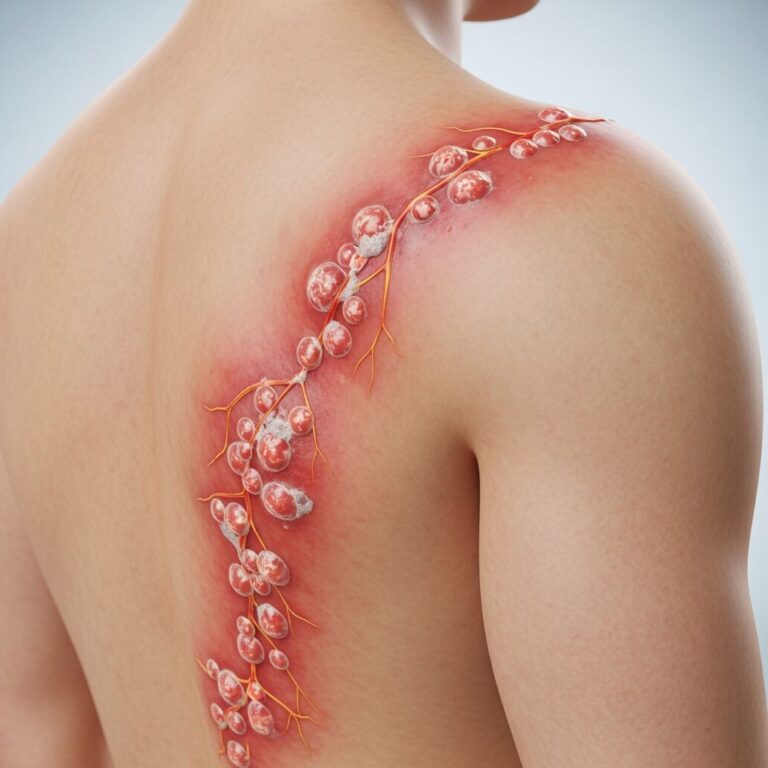
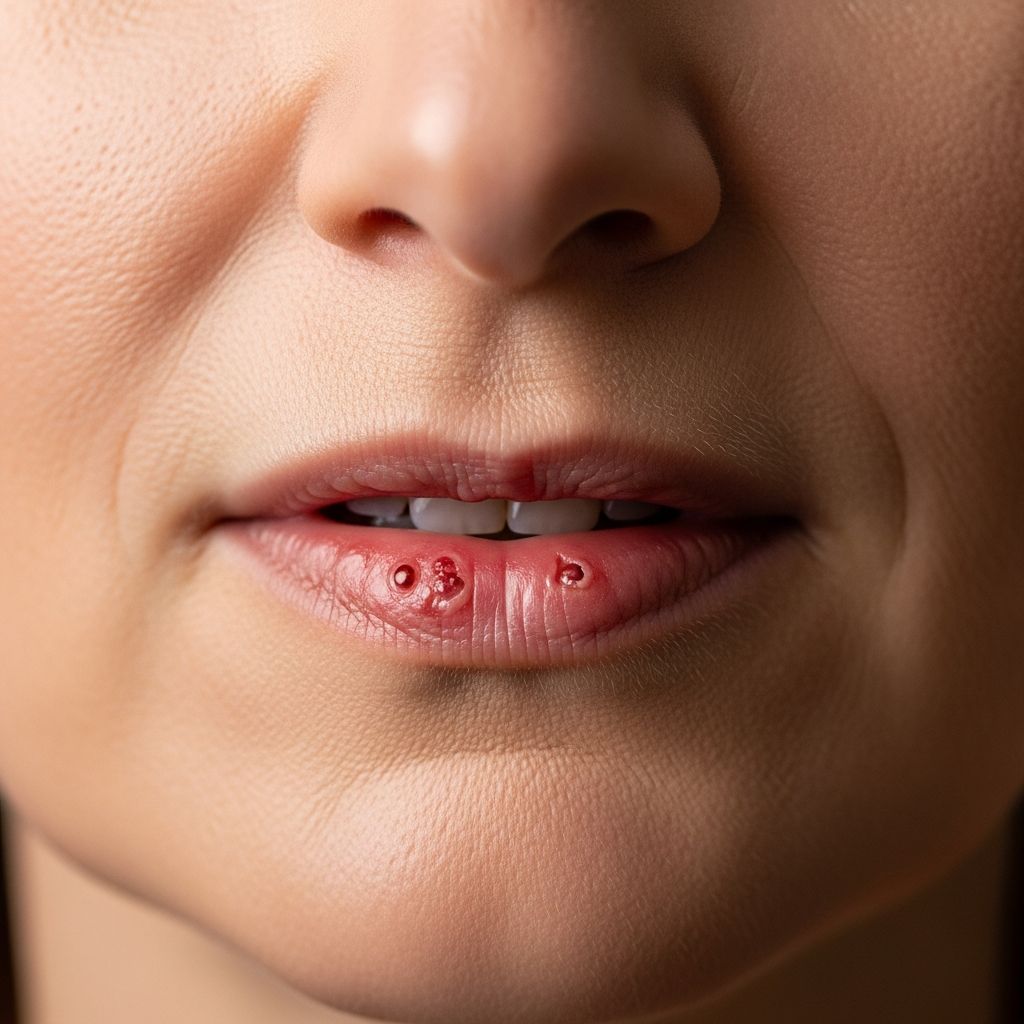
A cold sore, commonly referred to as a fever blister, is a contagious blister that develops as a result of infection with the herpes simplex virus (HSV). These painful sores typically form on or around your lips, though they can occasionally appear in other areas of the mouth or face. Cold sores themselves represent a symptom of an oral herpes infection, indicating that the herpes simplex virus has entered your body and established itself in your nerve cells.
The key characteristic of HSV infection is that the virus remains dormant (latent) within the nerves in your head for extended periods. During this dormant phase, you may not experience any symptoms. However, the virus periodically reactivates, leading to the development of cold sores. Understanding this cycle is essential for managing the condition effectively and knowing when to seek medical attention.
How Cold Sores Develop: The Progression Timeline
Cold sores develop and resolve over the course of one to two weeks. Knowing what to expect during a typical cold sore outbreak can help you manage symptoms more effectively and determine when professional treatment might be beneficial.
The typical progression of a cold sore outbreak includes several distinct stages:
- Tingling sensation on the lips, often preceding visible symptoms
- Emergence of small, fluid-filled blisters in the affected area
- Blisters may ooze or rupture, releasing fluid
- Formation of a scab over the healing wound
- Gradual healing and disappearance of the sore
Most cold sores follow this pattern consistently, though the duration and severity can vary based on individual factors and the effectiveness of treatment interventions. In general, you can expect a cold sore to last between 10 to 14 days without treatment, though this timeline may be shortened with appropriate medical intervention.
Duration and Severity Factors
While cold sores typically last one to two weeks, symptoms may be more severe and sores may take considerably longer to heal if you are immunocompromised. Your immune system plays a crucial role in fighting the virus and promoting healing, so individuals with weakened immunity may experience prolonged outbreaks and more intense symptoms. If you fall into this category, discussing treatment options with your healthcare provider becomes even more important.
Treatment Options for Cold Sores
Several effective treatment approaches are available to help manage cold sores and accelerate healing. The most effective options differ in their mechanism of action and speed of results.
Prescription Antiviral Medications
The fastest way to eliminate a cold sore is to obtain a prescription for oral antiviral medications from your healthcare provider. These powerful medications reduce pain and significantly speed up the healing process. However, timing is critical: antiviral medications are most effective when started within 48 hours (ideally within the first day) of the cold sore forming. If you wait longer before beginning treatment, the medications may provide limited benefit.
Related Stories



For individuals who experience frequent or severe cold sore outbreaks, healthcare providers may recommend chronic suppressive therapy. This involves taking daily antiviral medications to help reduce the frequency and severity of outbreaks. Your provider can discuss whether this treatment approach is appropriate for your specific situation and explain what the commitment involves.
Over-the-Counter Topical Creams
If you cannot access a healthcare provider’s office, over-the-counter options can still provide significant relief. Docosanol (Abreva®) is the only FDA-approved over-the-counter antiviral cream specifically designed to treat cold sores. While slightly less effective than prescription oral antivirals, these creams can reduce both pain and the duration of the sore. As with prescription medications, timing matters: you must start using the cream as soon as possible for optimal results.
Topical Numbing Agents
Creams containing lidocaine and benzocaine can provide immediate relief by numbing the burning sensation and easing discomfort associated with cold sores. However, it is important to note that these topical anesthetics do not affect healing time—they only provide symptomatic relief. You can often find these products in the dental section of pharmacies, as they are frequently marketed for dental pain relief.
Over-the-Counter Pain Relievers
Acetaminophen and ibuprofen may help reduce the redness, swelling, and pain that accompanies a cold sore. The advantage of these medications is that you can use them in combination with most topical treatments, providing multiple layers of relief.
Home Remedies and Supportive Care
While home remedies are unlikely to make a cold sore disappear significantly faster, several approaches can help ease pain and discomfort:
- Cold therapy: Apply an ice compress for five to ten minutes several times daily to reduce pain, redness, and swelling
- Ice chips or popsicles: These can provide soothing relief
- Milk: Cold milk may provide comfort and relief
- Saltwater rinses: Mix approximately one teaspoon of salt into a half-cup to one cup of warm water and gently rinse
Some alternative treatments you may encounter online—such as propolis, lemon balm ointment, sage-rhubarb cream, and olive leaf extract—may appear promising, but they require more robust scientific research to validate their effectiveness. Similarly, popular supplements like lysine and vitamin E oil have limited evidence. Recent studies on lysine supplementation suggest it is unlikely to help prevent or treat cold sores. While a small 1980 study suggested that vitamin E oil applied to a cold sore decreased pain and sped up healing, these findings have never been confirmed in subsequent research.
Causes and Triggers of Cold Sore Outbreaks
Cold sore triggers vary significantly among individuals, but they consistently involve some weakening of your immune system. Several common factors can activate the herpes simplex virus and lead to outbreak:
- Illness (such as common colds or other infections)
- Sleep deprivation and fatigue
- Stress and emotional strain
- Cold weather and exposure to harsh conditions
- Cracked or damaged skin
- Cosmetic procedures
- Exposure to sunlight
- Changes in weather conditions
Stress deserves particular attention as a primary trigger, as it directly decreases your body’s resistance to disease. Weather changes, particularly exposure to sunlight, can also provoke outbreaks in susceptible individuals. Symptoms are typically most severe during an initial outbreak and tend to become somewhat less intense during subsequent flare-ups.
Protecting Others: Contagiousness and Prevention
Cold sores are highly contagious, and it is important to take precautions to protect those around you, especially young children and infants. The virus spreads through direct contact with the sore or through contact with saliva containing the virus.
Special attention should be paid to protecting babies and newborns. If your child develops a cold sore, there are important considerations for their safety. Newborns exposed to HSV do not simply develop a cold sore—instead, they may develop a life-threatening condition called neonatal herpes. If you believe your newborn has been exposed to HSV (for example, if an adult with a cold sore kissed them) or if they show symptoms such as skin blisters, contact your pediatrician immediately. Babies with neonatal herpes require urgent medical care.
To protect babies from HSV exposure, follow these precautions:
- Avoid direct contact between a cold sore and a baby’s skin
- Wash your hands thoroughly before touching an infant
- Consider avoiding close contact until the sore has completely healed
- Do not allow anyone with an active cold sore to kiss a baby
It is also possible for children to develop herpetic whitlow (a type of HSV infection on the fingers) if they suck their thumb or touch their cold sores.
When to Seek Medical Care
While many cold sores resolve on their own, certain situations warrant professional medical evaluation. Contact a healthcare provider about your cold sores if any of the following conditions apply:
- Your cold sore does not heal within two weeks
- You are unable to manage your pain effectively
- You are immunocompromised or have a weakened immune system
- You develop additional symptoms, such as fever or other concerning signs
- You experience frequent or severe outbreaks that are significantly impacting your quality of life
- You are pregnant or planning to become pregnant
For pediatric cases, call a pediatrician if your child develops a cold sore and any of the above scenarios apply, or if you have concerns about potential exposure of a newborn to the virus.
Individual Variation in Cold Sore Experience
Cold sores affect everyone differently. Some individuals only experience outbreaks when they are ill or under significant stress, while others may feel as though they get painful sores frequently and they take an exceptionally long time to heal. These differences are influenced by individual immune system strength, frequency of virus reactivation, and response to treatment.
If cold sores are disrupting your life or occurring with troubling frequency, discussing your situation with a healthcare provider is important. Effective treatments are available to help outbreaks resolve faster. Your provider may also recommend daily medications to help reduce the frequency of outbreaks, allowing you to maintain a better quality of life. Cold sores are a common issue that many people manage successfully, but they do not have to remain a constant part of your routine.
Long-term Management and Prevention
Managing cold sores effectively involves both treating active outbreaks and implementing prevention strategies. Understanding your personal triggers can help you take proactive steps to reduce outbreak frequency. For example, if stress is a significant trigger, stress management techniques might help. If sun exposure triggers your outbreaks, diligent sunscreen use and lip protection during outdoor activities could be beneficial.
Maintaining a strong immune system through adequate sleep, proper nutrition, regular exercise, and stress management may also help reduce outbreak frequency. However, for individuals with frequent outbreaks, prescription antiviral therapy offers the most reliable approach to prevention.
Frequently Asked Questions
Q: How long do cold sores typically last?
A: Cold sores usually last between 10 to 14 days without treatment. However, duration may be extended if you are immunocompromised. Treatment with antiviral medications can help shorten this timeline.
Q: Can I spread a cold sore to other people?
A: Yes, cold sores are highly contagious and spread through direct contact with the sore or through contact with saliva containing the virus. Avoid close contact, especially with young children and infants, until the sore has healed completely.
Q: What is the most effective treatment for cold sores?
A: Prescription oral antiviral medications are the most effective treatment option. They work best when started within 48 hours of the cold sore forming. Over-the-counter creams like docosanol can also help but are slightly less effective.
Q: Can I prevent cold sores from occurring?
A: While you cannot completely prevent cold sores, you can reduce outbreak frequency by managing triggers like stress and sun exposure. For frequent outbreaks, your healthcare provider may recommend daily antiviral medications for chronic suppressive therapy.
Q: What is neonatal herpes and why is it dangerous?
A: Neonatal herpes is a serious condition that can develop when newborns are exposed to HSV. Unlike cold sores in adults, this condition can be life-threatening in infants and requires immediate medical attention.
Q: Are there any effective home remedies for cold sores?
A: While home remedies like ice, saltwater rinses, and milk may help ease pain and discomfort, they do not significantly accelerate healing. Medical treatments are more effective for speeding recovery.
References
- Cold Sore: Symptoms, Causes & Treatment — Cleveland Clinic. 2024-09-04. https://my.clevelandclinic.org/health/symptoms/cold-sores
- Cold Sore? Here’s How To Get Rid of It Fast — Cleveland Clinic Health. https://health.clevelandclinic.org/heres-how-you-can-get-rid-of-a-cold-sore-fast
- What Triggers Cold Sores? — Cleveland Clinic Health. https://health.clevelandclinic.org/what-triggers-cold-sores
- Which Is Contagious: Your Canker Sore or Cold Sore? — Cleveland Clinic Health. https://health.clevelandclinic.org/contagious-canker-sore-cold-sore
- Oral Herpes: Symptoms, Causes & Treatment — Cleveland Clinic. https://my.clevelandclinic.org/health/diseases/oral-herpes
- Herpes Simplex Virus (HSV): Types Symptoms, & Treatment — Cleveland Clinic. https://my.clevelandclinic.org/health/diseases/22855-herpes-simplex
Similar Articles








Read full bio of Sneha Tete