Cold Sores: 5 Prevention Tips To Reduce Outbreaks
Everything you need to know about cold sores: causes, symptoms, treatment, and prevention strategies for managing outbreaks.
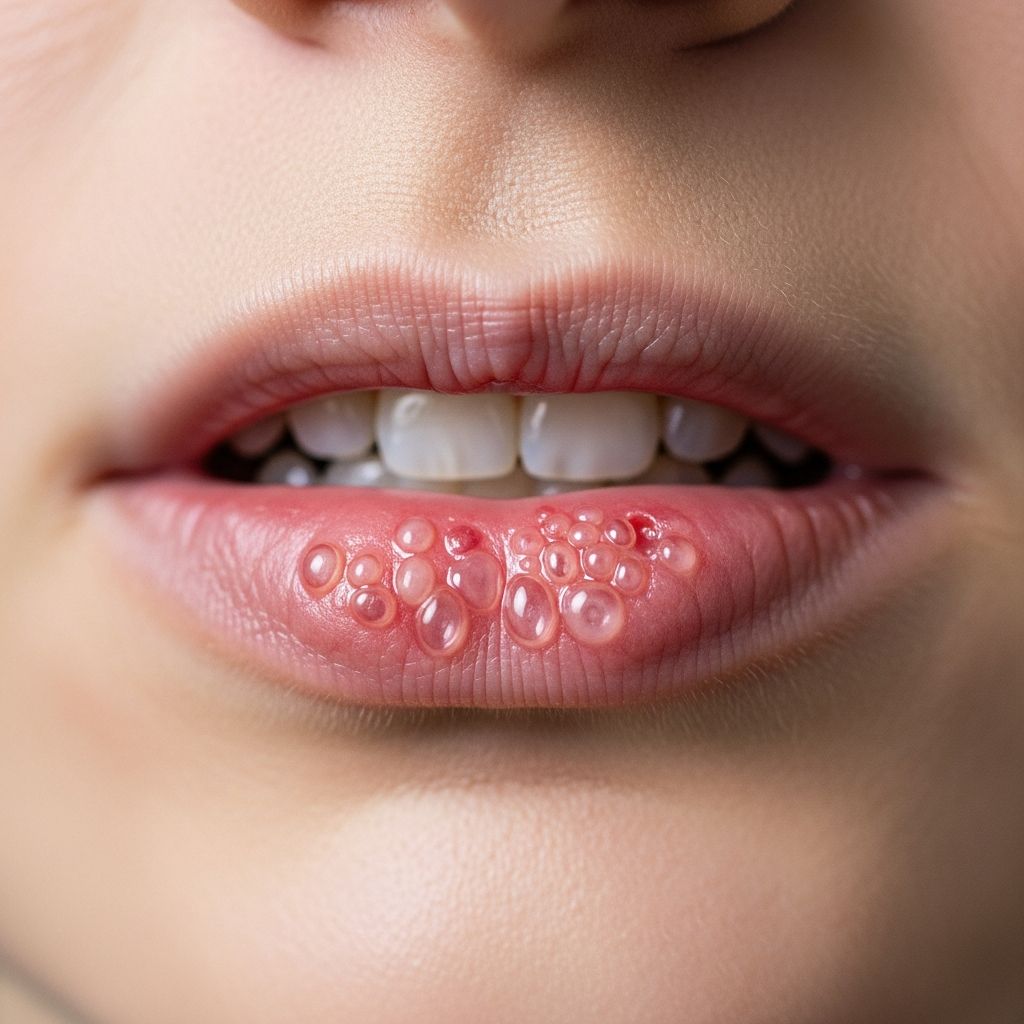
Cold sores, also known as fever blisters or herpes labialis, are small, painful, fluid-filled blisters that typically appear on or around the lips, mouth, or nose. They are caused by the herpes simplex virus type 1 (HSV-1), a highly contagious virus that infects up to 90% of adults worldwide, though many never experience symptoms. Once infected, the virus remains dormant in nerve cells and can reactivate, leading to recurrent outbreaks triggered by various factors.
What Are Cold Sores?
Cold sores are clusters of blisters filled with clear fluid that burst, crust over, and heal within 7 to 14 days without scarring in most cases. They differ from canker sores, which occur inside the mouth and are not viral. The term “fever blister” stems from their association with illnesses like colds, but they can appear anytime due to triggers. Approximately one-third of infected individuals experience recurrences, often in the same location.
Symptoms of Cold Sores
The outbreak progresses through distinct stages, each with characteristic symptoms:
- Prodrome stage (1-2 days): Itching, tingling, burning, or numbness at the site, signaling the virus reactivation.
- Blister formation: Reddened, swollen skin develops into small, painful blisters filled with fluid.
- Ulcer stage: Blisters rupture, releasing contagious fluid and forming shallow, painful sores.
- Crusting: A yellowish scab forms over the sore, which may crack and bleed.
- Healing: The scab dries and falls off, revealing healed skin, typically within 10-15 days.
Primary infections, often in childhood, may cause more severe symptoms like fever, sore throat, swollen lymph nodes, mouth ulcers, headache, and malaise lasting up to 14 days. Recurrent sores are usually milder but can be tender and irritated by acidic foods or talking.
Causes of Cold Sores
Cold sores result from HSV-1 infection, though HSV-2 (genital herpes virus) can occasionally cause oral sores via oral-genital contact. The virus spreads through direct contact with infected saliva, blister fluid, or mucosal surfaces, even asymptomatically. After initial infection, HSV-1 travels to sensory nerve ganglia near the ear, remaining latent until triggered. Transmission peaks during active blisters but can occur anytime via shedding. Newborns, immunocompromised individuals, and those with eczema face higher risks of severe disease.
Cold Sore Triggers
Outbreaks often follow triggers that stress the immune system or activate the dormant virus. Common triggers include:
- Feverish illnesses like flu or colds.
- Sunlight or UV exposure (use lip balm with SPF).
- Hormonal changes, such as menstruation.
- Emotional or physical stress.
- Windy conditions or fatigue.
- Weakened immunity from illness or medications.
Identifying personal triggers helps in prevention; for example, stress management or sunscreen reduces recurrences.
How Long Do Cold Sores Last?
A typical cold sore lasts 7-14 days without treatment: 1-2 days prodrome, 2-4 days blisters/ulcers, 3-5 days crusting, and final healing. Healing time shortens to about 5 days with early antiviral use. Frequent outbreaks (5+ per year in 5-10% of cases) may indicate need for suppressive therapy. Factors prolonging duration include picking scabs, secondary bacterial infections, or immunosuppression.
Related Stories



Are Cold Sores Contagious?
Yes, highly contagious from prodrome through healing, via skin-to-skin contact, kissing, sharing utensils, razors, or towels. Asymptomatic shedding occurs in 10-20% of carriers, enabling spread without visible sores. Avoid contact during outbreaks; wash hands frequently and refrain from oral sex. Contagiousness ends when scabs fully heal and new skin forms.
Treatment for Cold Sores
No cure exists, but treatments shorten duration and ease symptoms.
Over-the-Counter Options
- Antiviral creams (acyclovir, penciclovir): Apply every 2-3 hours starting within 24 hours of prodrome; reduces healing by 1 day.
- Pain relief: Ibuprofen or acetaminophen for pain/swelling; numbing agents like benzocaine.
- Moisturizers: Lip balms, petroleum jelly, or docosanol (Abreva) to prevent cracking.
- Antiseptics: Povidone-iodine (Betadine) to reduce bacterial risk.
Prescription Treatments
Oral antivirals (valacyclovir, famciclovir) for severe/frequent cases or immunocompromised patients; suppressive daily dosing prevents recurrences.
Home Remedies
- Apply ice wrapped in cloth for 10-15 minutes to reduce swelling.
- Lysine supplements (1,000 mg daily) may shorten outbreaks, though evidence is mixed.
- Aloe vera or lemon balm extracts for soothing.
Avoid picking scabs to prevent scarring or infection.
Prevention Tips
Minimize outbreaks and spread with these strategies:
- Avoid sharing personal items during outbreaks.
- Use sunscreen lip balm (SPF 30+).
- Manage stress via exercise, sleep, meditation.
- Boost immunity with healthy diet, hydration.
- Start antivirals at first tingle for high-risk individuals.
| Treatment Type | Examples | Duration Reduction | Best For |
|---|---|---|---|
| OTC Creams | Acyclovir, Penciclovir | ~1 day | Mild outbreaks |
| OTC Docosanol | Abreva | 0.5-1 day | Early use |
| Oral Prescription | Valacyclovir | 2-3 days | Severe/frequent |
| Home Care | Ice, Lip Balm | Symptom relief | All stages |
When to See a Doctor
Seek medical care if:
- Sores last >2 weeks, spread widely, or involve eyes/fingers.
- Fever, pus, extreme pain, or swollen glands.
- Frequent outbreaks (>6/year).
- Immunocompromised, newborn, or severe primary infection.
Eye involvement risks corneal damage; prompt antivirals prevent vision loss. Bacterial superinfections need antibiotics.
Frequently Asked Questions (FAQs)
Can cold sores be cured?
No, the HSV-1 virus stays lifelong, but outbreaks can be managed effectively with treatments.
Do cold sores always recur?
No, only about 33% of carriers experience recurrences.
Are cold sores the same as genital herpes?
No, cold sores are typically HSV-1 (oral), genital from HSV-2, but crossover occurs.
Can I get cold sores from stress alone?
Yes, stress weakens immunity, triggering outbreaks.
Is it safe to kiss with a cold sore?
No, avoid until fully healed to prevent transmission.
References
- Cold sores — Better Health Channel, Victoria Government. 2023. https://www.betterhealth.vic.gov.au/health/conditionsandtreatments/cold-sores
- Overview: Cold sores — InformedHealth.org, NCBI Bookshelf. 2023-10-23. https://www.ncbi.nlm.nih.gov/books/NBK525782/
- How long do cold sores last? Duration, stages, treatments — Medical News Today. 2024. https://www.medicalnewstoday.com/articles/how-long-do-cold-sores-last
- 6 Causes and Triggers of Cold Sores — Healthline. 2023. https://www.healthline.com/health/6-causes-and-triggers-of-cold-sores
- Cold Sores — Kaiser Permanente. 2024. https://healthy.kaiserpermanente.org/health-wellness/health-encyclopedia/he.cold-sores.hw31977
Similar Articles








Read full bio of medha deb