Cold Weather And Diabetes: Essential Winter Care Tips
Essential guide to managing diabetes safely during winter: protect insulin, monitor glucose, stay warm and prevent complications.
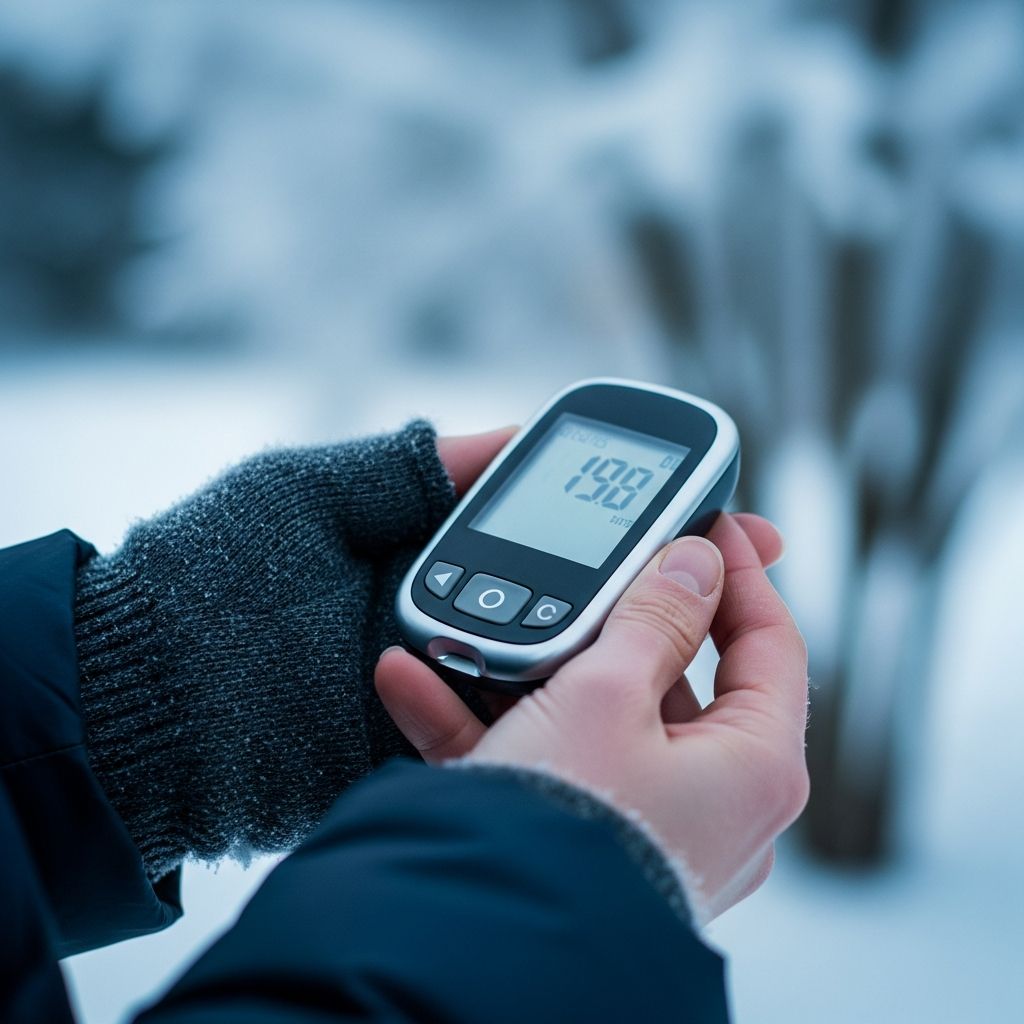
Cold weather poses unique challenges for people living with diabetes, affecting blood glucose levels, insulin absorption, and overall health management. Lower temperatures can trigger stress hormones that raise blood sugar, while reduced activity and increased illness risk complicate control. This comprehensive guide covers how winter impacts diabetes and provides practical strategies to stay safe and healthy throughout the colder months.
How cold weather affects people with diabetes
During winter, people with all types of diabetes often experience higher HbA1c levels compared to warmer months. Colder temperatures trigger the release of stress hormones like cortisol and adrenaline, which raise blood glucose levels and make diabetes harder to manage.
The body’s response to cold includes vasoconstriction, where blood vessels narrow to conserve heat, reducing blood flow to extremities. This can thicken blood, increasing clotting risk, and make finger-prick testing more difficult due to cold hands. Shivering and using extra energy to stay warm can also lead to unexpected hypoglycaemia (hypos).
Additionally, shorter days mean less sunlight, potentially lowering vitamin D levels, which may affect insulin sensitivity and mood. Winter illnesses like flu further disrupt glucose control, as infections raise blood sugar.
Protecting your insulin and equipment
Insulin must be stored between 2-8°C to remain effective. Extreme cold can degrade insulin, just like heat, so never leave it exposed to freezing temperatures. In-use insulin pens or vials should stay above -20°C, but ideally at body temperature when carrying them outdoors.
- Store spare insulin in the fridge, away from the freezer compartment.
- Wear insulin pumps or pens close to your body under layers of clothing to maintain warmth.
- Use insulated cases or accessories for pumps and continuous glucose monitors (CGMs).
- Protect blood glucose meters in padded cases; check manufacturer instructions for operating temperature ranges, as cold can affect accuracy.
If travelling, pack insulin in hand luggage and use cooling wallets if needed, but avoid direct contact with ice packs. Warm insulin slowly at room temperature if frozen—do not use hot water.
Looking after your blood glucose levels
Regular monitoring is crucial in cold weather, as glucose levels can fluctuate unpredictably. Cold hands make testing harder, but skipping checks risks missing highs or lows.
Testing tips for cold hands
- Warm hands by rubbing them together, holding a warm mug, or placing near a radiator (use a towel barrier).
- Wash with warm soapy water before testing.
- Use gloves with finger flaps or mittens designed for diabetes testing.
- Test more frequently, especially before and after exercise or meals.
Hypos are more dangerous in cold conditions because they impair the body’s ability to generate heat, increasing hypothermia risk. Carry fast-acting carbs like glucose tablets everywhere and monitor levels 4-6 times daily if active outdoors.
Exercise in cold weather
Physical activity improves insulin sensitivity, but cold weather often reduces motivation due to shorter days and harsh conditions. However, staying active is essential to prevent weight gain and maintain glucose control.
Related Stories



- Bundle up in layers: base layer for wicking sweat, insulating mid-layer, waterproof outer shell.
- Exercise indoors: walking malls, home workouts, gym classes, or yoga.
- Try winter sports like skiing if equipped, but monitor glucose closely.
- Warm up thoroughly to prevent injury; cold muscles are prone to strains.
Layering allows adjustment as you warm up, preventing sudden insulin absorption changes that could cause hypos. Aim for 150 minutes of moderate activity weekly, adjusting insulin or carbs as needed.
Eating well
Winter cravings for comfort foods can derail diabetes management. Focus on warming, nutritious meals to stabilise blood sugar and stay satisfied.
- Incorporate hot soups, stews with lean proteins, vegetables, and whole grains.
- Choose warming spices like ginger, cinnamon, and turmeric, which may aid glucose control.
- Balance carbs: pair with protein and fibre to avoid spikes.
- Stay hydrated with warm herbal teas, broths—cold suppresses thirst, leading to dehydration and higher glucose.
Avoid sugary holiday treats by planning ahead. Eat regularly to fuel activity and prevent hypos from cold-induced energy use.
Foot care
Diabetes-related neuropathy often reduces foot sensation, making it hard to detect cold or injuries. Poor circulation worsens in cold, raising frostbite and ulcer risk.
- Wear thermal socks, insulated boots; avoid tight footwear that restricts blood flow.
- Keep feet warm indoors with slippers; never use hot water bottles or electric blankets directly on feet.
- Inspect feet daily for cuts, blisters, or colour changes.
- Moisturise but avoid between toes to prevent fungal infections.
If neuropathy present, take extra winter safety precautions like studded shoes for ice.
Preventing and managing illness
Winter brings more colds and flu, which spike blood sugar via stress hormones. Illness management is key.
- Get annual flu vaccine and COVID boosters—consult your doctor.
- Wash hands frequently; avoid crowds if high-risk.
- Monitor glucose 4+ times daily if sick; follow sick day rules (e.g., extra insulin, hydration).
- Rest adequately; stress raises cortisol.
Vitamin D supplementation may help if deficient—discuss with healthcare provider, as low levels affect insulin sensitivity.
Priority Services Register
For vulnerable people with diabetes, the Priority Services Register (PSR) offers free support from energy suppliers during cold snaps. Benefits include advance notice of power cuts, priority reconnection, and help managing bills.
- Contact your supplier to register—it’s confidential and no proof needed.
- Ideal if you rely on electricity for devices or have testing difficulties from cold fingers.
Frequently asked questions
Why do blood sugar levels rise in cold weather?
Cold triggers stress hormones like cortisol and adrenaline, reducing insulin sensitivity and raising glucose. Less activity and dehydration exacerbate this.
Can cold damage my insulin pump?
Yes, extreme cold (<-20°C) can affect pumps and CGMs. Keep them insulated against body.
How often should I test in winter?
More frequently—aim for 4-8 times daily, especially if active or ill.
Are hypos worse in cold weather?
Yes, they hinder heat production, risking hypothermia. Monitor closely and carry treatment.
Should I take vitamin D in winter?
Consider it if deficient; it supports insulin sensitivity. Consult your doctor.
References
- 7 Cold Weather Tips For Diabetes Patients — NVCPC. Accessed 2026. https://nvcpc.com/blog/cold-weather-with-diabetes/
- Cold Weather – Effect on Blood Glucose Levels and Diabetes — Diabetes.co.uk. Accessed 2026. https://www.diabetes.co.uk/diabetes-and-cold-weather.html
- Can Cold Weather Really Affect Your Blood Glucose Levels? — FRIO UK. Accessed 2026. https://friouk.com/can-cold-weather-really-affect-your-blood-glucose-levels/
- Are You Winter Ready? 7 Tips To Manage Your Type 1 Diabetes — Medtronic Diabetes. Accessed 2026. https://www.medtronic-diabetes.com/en-gb/blog/are-you-winter-ready-7-tips-manage-your-type-1-diabetes-winter
- Travelling with diabetes — Diabetes UK. Accessed 2026. https://www.diabetes.org.uk/living-with-diabetes/life-with-diabetes/travel
- How people with diabetes can benefit from the Priority Services Register — Diabetes UK. Accessed 2026. https://www.diabetes.org.uk/living-with-diabetes/life-with-diabetes/priority-service-register
Similar Articles








Read full bio of Sneha Tete