Colesevelam (Cholestagel): A Lipid-Lowering Medicine
Comprehensive guide to Colesevelam (Cholestagel), its uses for cholesterol reduction, dosage, side effects, and key clinical insights for patients.
Colesevelam hydrochloride, marketed as Cholestagel, is a bile acid sequestrant designed to lower elevated levels of total cholesterol and low-density lipoprotein (LDL) cholesterol in adults with primary hypercholesterolaemia.
About colesevelam tablets
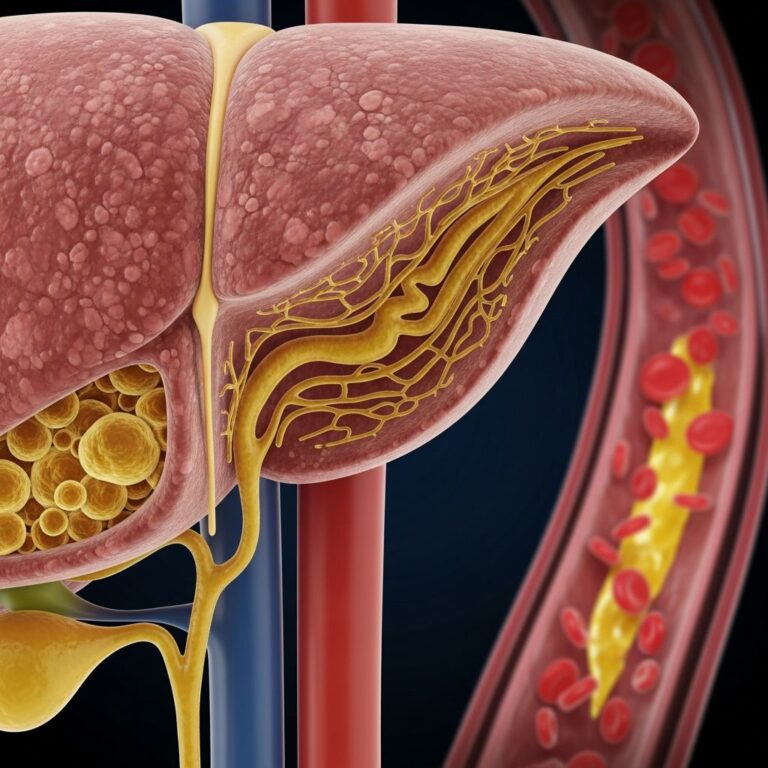
Colesevelam, available as Cholestagel 625 mg film-coated tablets, is a non-absorbed polymer that acts within the intestine by binding bile acids, preventing their reabsorption into the bloodstream. This mechanism forces the liver to utilize more cholesterol to produce bile acids, thereby reducing circulating cholesterol levels, particularly LDL cholesterol, which is a key risk factor for cardiovascular disease.
The tablets are white, capsule-shaped, and film-coated, supplied in blister packs. Unlike earlier bile acid sequestrants like cholestyramine, colesevelam is engineered for better tolerability, with reduced constipating effects, leading to higher patient compliance rates of up to 93% in clinical studies.
Key facts about colesevelam tablets
- Dose: Typically 3.75 g daily (6 tablets), divided with meals.
- Starting dose: 3.8 g/day (6 tablets), adjustable based on response.
- Time to work: Significant LDL reductions within 2 weeks.
- Available as: Tablets (625 mg).
- Age limit: 18+ years for primary hypercholesterolaemia; also approved for certain pediatric use in familial cases.
- Common side effects: Constipation (less frequent than alternatives), dyspepsia, nausea.
- Is it an NHS contraceptive? No.
- Can you overdose? Unlikely due to non-absorption; seek medical advice if excessive doses taken.
- Cost: Prescription-only; costs vary by region.
About primary hypercholesterolaemia
Primary hypercholesterolaemia refers to elevated blood cholesterol levels not caused by secondary factors like hypothyroidism or nephrotic syndrome. It includes conditions such as heterozygous familial hypercholesterolaemia (HeFH), where genetic mutations impair LDL clearance. High LDL cholesterol promotes atherosclerosis, increasing risks of heart attacks and strokes.
Management prioritizes lifestyle changes—diet low in saturated fats, regular exercise, weight control—followed by pharmacological intervention if targets aren’t met. Colesevelam fits as adjunctive therapy, especially when statins alone are insufficient or not tolerated.
How colesevelam works and key benefits
Colesevelam binds bile acids in the gut, forming an insoluble complex excreted in feces. This bile acid depletion prompts hepatic cholesterol conversion to bile acids, upregulating LDL receptor expression to clear more LDL from blood. Clinical trials show dose-dependent LDL reductions: up to 18% at 3.75 g/day, with total cholesterol dropping 8-10%, and modest HDL increases (8-11%).
Benefits include:
- Additive LDL lowering (up to 16% extra) when combined with statins.
- Compatible with ezetimibe for 32% total LDL reduction without statins.
- Improved tolerability over older sequestrants, minimizing constipation.
- No systemic absorption, reducing drug interaction risks beyond gut.
- Potential glycemic benefits in type 2 diabetes via similar mechanisms.
How and when to take colesevelam
Take 6 tablets daily (3.8 g total), divided as 3 tablets twice daily or 6 once daily, with meals and a liquid to enhance binding. Swallow whole; do not crush or chew. Maintain consistent timing for optimal effect. If switching from other bile acid sequestrants, start immediately without washout.
Table: Recommended Dosage Regimens
| Regimen | Daily Dose | Tablets per Dose |
|---|---|---|
| Monotherapy | 3.8 g | 6 tablets (e.g., 3 bid) |
| With statin | 3.8 g | 6 tablets (e.g., 3 bid) |
| With ezetimibe ± statin | 3.8 g | 6 tablets |
Miss a dose? Take as soon as remembered unless near next dose; do not double up. Dosage adjustments based on lipid response after 4-6 weeks.
Related Stories



Dosage for colesevelam
Adults: 3.8 g/day (6 × 625 mg tablets). In combination, no change needed. Hepatic impairment: no adjustment; severe cases monitor closely. Renal impairment: caution in CrCl <30 mL/min.
Children: Not routinely for primary hypercholesterolaemia but approved for HeFH in ages 10-17 at similar doses.
Therapy duration: Long-term, with lipid checks every 4-12 weeks initially, then periodically.
Who can and cannot take colesevelam tablets
Can take if: Adults with primary hypercholesterolaemia uncontrolled by diet; statin-intolerant; or needing add-on therapy.
Cannot take if:
- Bowel obstruction history.
- TG >3.5 mmol/L (hypertriglyceridaemia worsens).
- Vitamin A/D/E/K deficiency.
- Swallowing disorders.
Cautions: Pregnancy/breastfeeding (monitor vitamins); pancreatitis history; GI motility issues.
Common questions about colesevelam tablets
How long do you take colesevelam for?
Long-term or indefinitely to maintain cholesterol targets, alongside lifestyle measures.
How long does colesevelam take to work?
LDL drops rapidly: maximal effect by week 6, with early reductions by week 2.
How effective is colesevelam?
Monotherapy: 15-18% LDL reduction; +statin: additional 10-16%; +ezetimibe: 32% total.
Can you take other medicines with colesevelam?
Separate by 4 hours from most oral drugs (e.g., statins morning, colesevelam evening). Exceptions: fenofibrate, quinidine. No interaction with digoxin, warfarin, oral contraceptives.
Does colesevelam affect fertility or pregnancy?
No direct evidence; animal studies show no issues. Use in pregnancy only if benefits outweigh risks; supplement fat-soluble vitamins.
Side effects of colesevelam tablets
Generally well-tolerated; constipation less common (10-15%) than with cholestyramine (up to 30%). Most effects GI-related, dose-dependent, mild-moderate.
Common side effects
- Constipation, flatulence, nausea, dyspepsia.
- Headache, muscle pain.
Serious side effects
- Bowel obstruction (rare).
- Hypovitaminosis (long-term).
- Hypertriglyceridaemia worsening.
Report persistent symptoms; increase fiber/water for constipation.
How to cope with side effects of colesevelam tablets
- Constipation: High-fiber diet, fluids, laxatives if needed.
- Nausea: Take with food; antiemetics if severe.
- Flatulence: Reduce gas-producing foods.
- Monitor lipids/vitamins regularly.
Pregnancy and breastfeeding with colesevelam tablets
Pregnancy: Category B; limited data. Not absorbed systemically but may reduce vitamin absorption—supplement.
Breastfeeding: Minimal excretion; caution advised.
Other medicines, food and drink with colesevelam
Administer other orals 4 hours before or 4+ hours after to avoid binding (e.g., thyroid hormones, antibiotics). No food/drink restrictions; take with meals for efficacy. Grapefruit: no interaction.
Common concerns about colesevelam tablets
Analyses of response (how well it works)
In trials, 3.75 g/day reduced LDL by 13-18%, TC by 8%, HDL up 8-11%; TG unchanged. Compliance high at 93%.
Drug interactions
| Drug Class | Interaction | Management |
|---|---|---|
| Statins | Reduced absorption | Separate by 4h |
| Ezetimibe | Synergistic | Compatible |
| Thyroid meds | Binding | 4h separation |
Analyses of safety data
Low systemic exposure; well-tolerated across doses. Adverse events similar to placebo; dropout low.
Frequently Asked Questions (FAQs)
Q: Is Cholestagel the same as colesevelam?
A: Yes, Cholestagel is the brand name for colesevelam hydrochloride tablets.
Q: Can colesevelam be used in diabetes?
A: Yes, it improves glycemic control in type 2 diabetes as an off-label benefit.
Q: Does it cause weight gain?
A: No significant effect reported.
Q: Can it be crushed?
A: No, swallow whole to avoid choking risk.
Q: Is it suitable for vegans?
A: Tablets contain no animal products; confirm with manufacturer.
References
- Colesevelam Hydrochloride (Cholestagel): A New, Potent Bile Acid Sequestrant — JAMA Internal Medicine. 2000-05-08. https://jamanetwork.com/journals/jamainternalmedicine/fullarticle/485105
- Cholestagel 625 mg film-coated tablets – Summary of Product Characteristics — electronic Medicines Compendium (emc). 2023-01-01. https://www.medicines.org.uk/emc/product/12384/smpc
- Cholestagel | European Medicines Agency (EMA) — EMA. 2024-06-12. https://www.ema.europa.eu/en/medicines/human/EPAR/cholestagel
- Colesevelam: Uses, Interactions, Mechanism of Action — DrugBank. 2025-01-01. https://go.drugbank.com/drugs/DB00930
- Colesevelam – StatPearls — NCBI Bookshelf. 2023-11-20. https://www.ncbi.nlm.nih.gov/books/NBK557815/
- Colesevelam: MedlinePlus Drug Information — MedlinePlus. 2024-05-15. https://medlineplus.gov/druginfo/meds/a699050.html
Similar Articles








Read full bio of medha deb