Colestyramine Sachets: 3 Key Benefits And Uses
Comprehensive guide to colestyramine sachets (Questran) for lowering cholesterol, relieving itching, and managing diarrhoea.
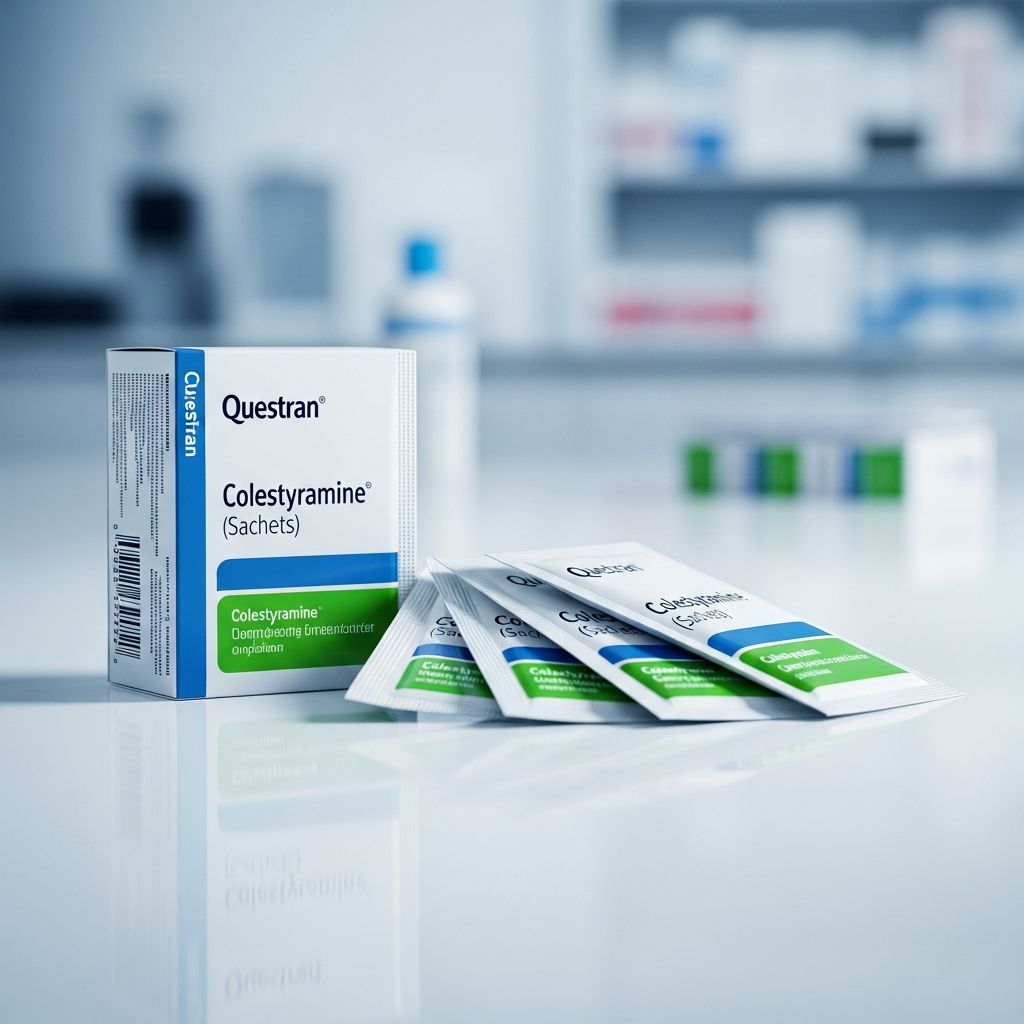
Colestyramine sachets, also known as Questran, are a bile acid sequestrant used primarily to lower high cholesterol levels, relieve itching due to bile duct problems, and manage certain types of diarrhoea. This powder binds bile acids in the intestine, preventing their reabsorption and promoting cholesterol reduction or symptom relief.
About colestyramine
Colestyramine is classified as a
bile acid sequestrant
or binder. It works by attaching to bile acids produced by the liver in the digestive tract. Normally, bile acids are reabsorbed and recycled, but colestyramine traps them, leading to their excretion in faeces. This forces the liver to use more cholesterol to produce new bile acids, thereby reducing blood cholesterol levels and lowering the risk of heart disease.When used for
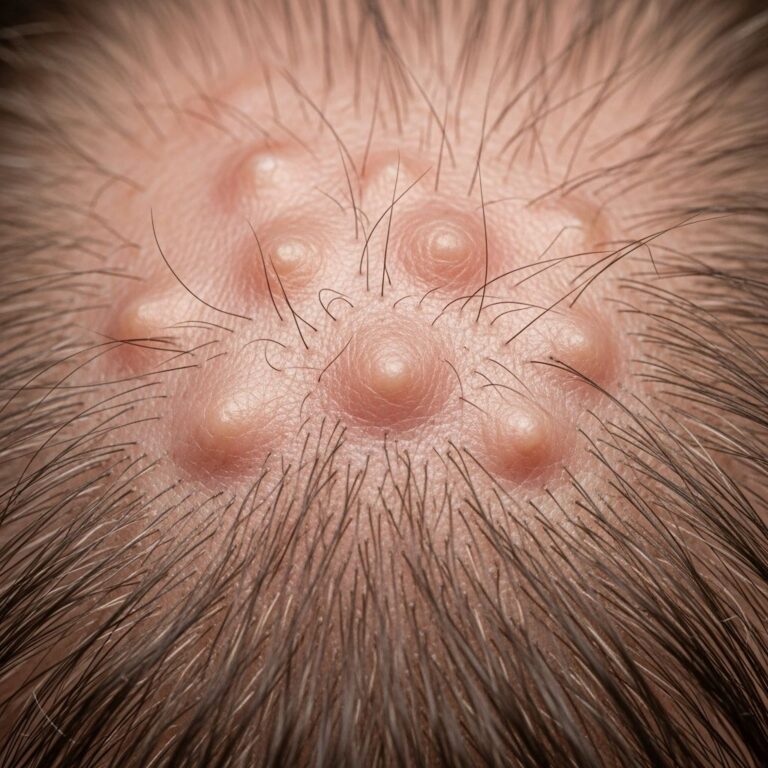
itching (pruritus)
associated with partial bile duct obstruction (e.g., primary biliary cholangitis), it decreases circulating bile acids that cause skin irritation. Fordiarrhoea
, particularly from excess bile acids post-surgery or in conditions like Crohn’s disease, it binds unabsorbed bile acids in the gut to firm stools.| Type of medicine | Bile acid sequestrant (binder) |
|---|---|
| Used for | Lowering cholesterol; itching from bile duct damage; diarrhoea |
| Also called | Cholestyramine (US); Questran®; Questran® Light |
| Available as | Sachets of powder for oral suspension |
Each sachet typically contains 4g of colestyramine resin, often with sucrose or aspartame in formulations like Questran Light. It is not absorbed systemically, acting locally in the gut.
Key benefits and mechanism
- Cholesterol reduction: Lowers LDL (‘bad’) cholesterol by 15-30% in primary hypercholesterolaemia when combined with diet.
- Itch relief: Effective for cholestatic pruritus by reducing serum bile acid levels.
- Diarrhoea control: Useful in bile acid malabsorption syndromes.
Clinical studies show it reduces cardiovascular risk by addressing hypercholesterolaemia, a major factor in atherosclerosis.
Before taking colestyramine
Consult your doctor before starting, as it may not suit everyone. Do not take if:
- You are allergic to colestyramine or ingredients (e.g., sucrose, aspartame).
- You have complete bile duct obstruction (e.g., due to gallstones).
Take extra care if you have:
- Diabetes (contains sucrose in standard Questran).
- Phenylketonuria (Questran Light has phenylalanine).
- Constipation, haemorrhoids, or bowel issues.
- Kidney or liver disease (risk of electrolyte imbalance or acidosis).
- History of gallstones, stomach ulcers, or underactive thyroid.
Pregnancy and breastfeeding: Limited data; use only if benefits outweigh risks. Inform your doctor if pregnant or planning. Surgery: Tell your doctor/dentist about colestyramine use.
Long-term use may impair absorption of fat-soluble vitamins (A, D, E, K) and folic acid, especially in children or those with high doses. Supplements may be recommended.
How to take colestyramine
Always follow your doctor’s instructions. Mix powder from each sachet in at least 150ml of liquid (water, skimmed milk, fruit juice, thin soup, or puréed fruit). Stir well; it thickens quickly. Do not use hot liquids. Drink immediately or within hours if refrigerated.
Related Stories



Dosage guidelines:
| Condition | Adults | Children |
|---|---|---|
| High cholesterol | 3-6 sachets/day (12-24g), divided up to 4 times/day. Max 9 sachets (36g). | Dose per doctor’s advice; start low. |
| Itching (pruritus) | 1-2 sachets/day, increase as needed. | Not typically for children unless specified. |
| Diarrhoea | 1-6 sachets/day based on response. | Per doctor’s guidance. |
Take before meals for cholesterol; timing flexible for symptoms. Start low to minimise side effects.
Important: Separate from other medicines by 1 hour before or 4-6 hours after, as it binds drugs like warfarin, digoxin, thyroid hormones, reducing absorption.
Getting the most from your treatment
- Combine with a low-fat, low-cholesterol diet and exercise for best cholesterol control.
- Attend regular check-ups for blood tests monitoring cholesterol, vitamins, liver/kidney function.
- Treatment is often long-term; do not stop without advice.
- If diabetic, monitor blood sugar; sucrose content may affect levels.
- For children with familial hypercholesterolaemia, folic acid supplement may be needed.
Monitor for hyperchloraemic acidosis in long-term use, especially in young patients or renal impairment.
Side effects
Most common is
constipation
(up to 30% of users). Others include bloating, flatulence, nausea.| Common side effects | What to do |
|---|---|
| Constipation | Increase fibre, water intake; consider laxative if severe. Speak to doctor. |
| Upset stomach, indigestion | Eat simple meals; avoid spicy/rich foods. |
| Bloating, gas | Usually settles; start low dose. |
Serious side effects (rare): Steatorrhea (fatty stools), vitamin deficiencies (bleeding tendency, osteoporosis, night blindness), rash, hyperchloremic acidosis, bowel obstruction.
Report severe symptoms like severe abdominal pain, blood in stools, or persistent vomiting to your doctor immediately.
Interactions
Colestyramine reduces absorption of many oral drugs. Key interactions:
- Warfarin, oral contraceptives: May alter effects; monitor levels.
- Digoxin, thyroid hormones: Reduced efficacy; time doses apart.
- Antibiotics (e.g., tetracycline): Decreased absorption.
- Statins, beta-blockers: Possible interaction; consult doctor.
Always inform your doctor of all medications.
FAQs
What is colestyramine used for?
Primarily to lower high cholesterol, relieve itching from bile duct issues, and control bile acid diarrhoea.
How do you mix Questran sachets?
Mix one sachet in 150ml+ liquid (water, juice, milk); stir vigorously and drink promptly.
Does colestyramine cause constipation?
Yes, commonly. Increase fluids/fibre; consult doctor if persistent.
Can I take colestyramine if pregnant?
Only if advised by doctor; limited safety data.
How long does treatment last?
Often long-term for cholesterol; continue as prescribed.
References
- Package leaflet: Information for the patient Questran™ 4 g/sachet — Medicines.org.uk (MHRA). 2023. https://www.medicines.org.uk/emc/files/pil.10589.pdf
- Colestyramine sachets – Patient.info — Patient.info. Accessed 2026. https://patient.info/medicine/colestyramine-sachets-questran
- Cholestyramine (oral route) — Mayo Clinic. Updated 2025. https://www.mayoclinic.org/drugs-supplements/cholestyramine-oral-route/description/drg-20068562
- Cholestyramine Resin: MedlinePlus Drug Information — MedlinePlus (NIH). Updated 2025. https://medlineplus.gov/druginfo/meds/a682672.html
- Cholestyramine Powder: High Cholesterol Treatment — Cleveland Clinic. 2024. https://my.clevelandclinic.org/health/drugs/19459-cholestyramine-powder-for-suspension
- Cholestyramine: Uses, Interactions, Mechanism of Action — DrugBank. Accessed 2026. https://go.drugbank.com/drugs/DB01432
Similar Articles








Read full bio of Sneha Tete