Collagen Replacement Therapy: 7 Essential Uses For Firmer Skin
Safe, non-surgical collagen injections to soften facial lines, scars, and wrinkles with natural skin rejuvenation.
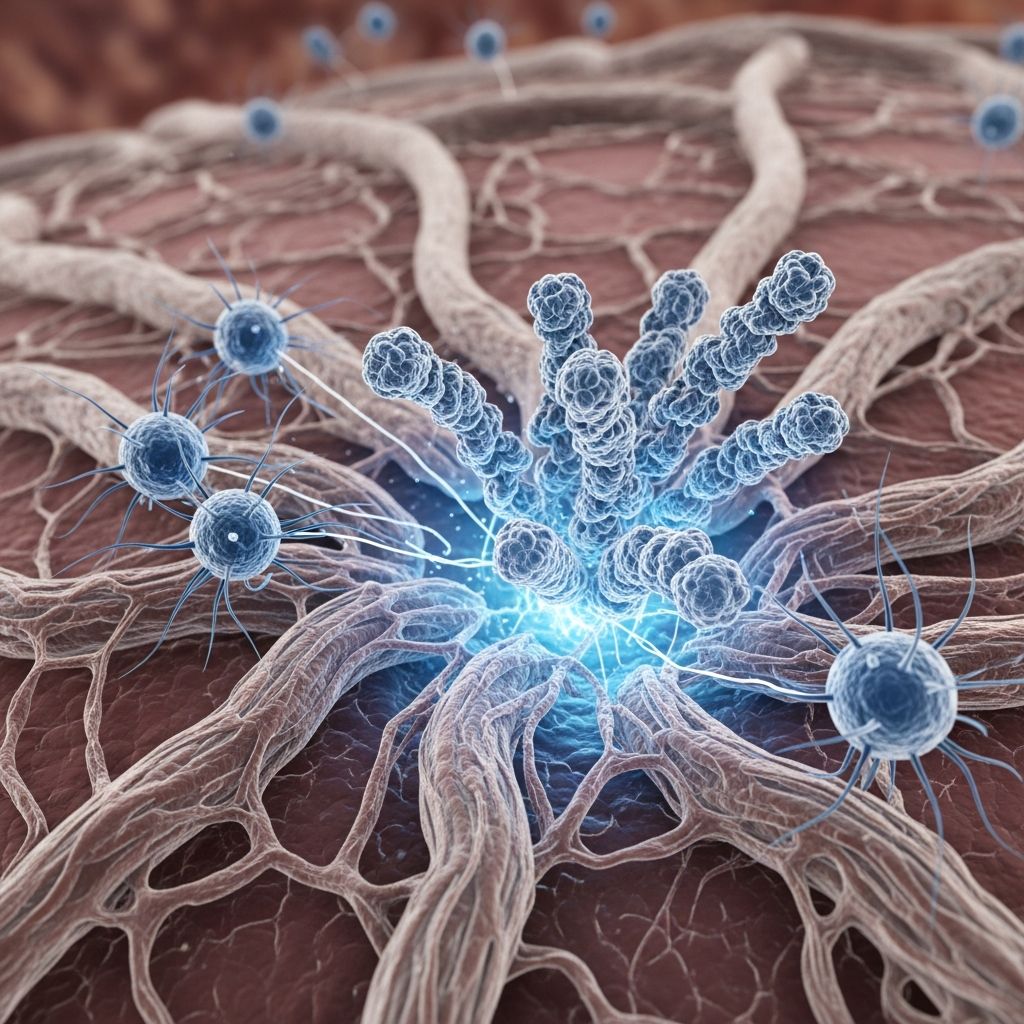
Collagen replacement therapy is a safe, non-surgical cosmetic procedure designed to soften lines, furrows, wrinkles, and scars on the face and other areas of the skin. Tiny quantities of collagen, a natural protein, are injected beneath the skin’s surface using very narrow-gauge needles, effectively boosting the skin’s own collagen production and providing structural support to smooth out imperfections.
This treatment has been a popular choice for dermal augmentation since the late 20th century, offering immediate results with minimal downtime. By replenishing lost collagen, it restores volume and elasticity, counteracting the effects of aging, sun damage, and injury. Patients often see improvements in facial contours, making it an accessible option for those seeking youthful skin without invasive surgery.
What is collagen?
Collagen is the most abundant protein in the human body, serving as the primary structural component of skin, muscles, tendons, bones, and ligaments. It provides essential support and elasticity to connective tissues, particularly in the dermis, the mid-layer of the skin.
In the dermis, collagen is produced by specialized fibroblast cells, forming a robust fibrous network that anchors new cells and maintains skin firmness. This network gives skin its plump, smooth appearance during youth. As part of the natural aging process, collagen production declines, leading to gradual loss in the dermis. This degradation contributes significantly to the formation of facial lines, wrinkles, sagging skin, and depressions from scars or injuries.
Environmental factors like ultraviolet radiation from sun exposure accelerate collagen breakdown by increasing enzymes called metalloproteinases, which degrade collagen fibers. Lifestyle elements such as smoking, poor diet, and hormonal changes, including menopause, further diminish collagen levels, exacerbating skin laxity and roughness. By middle age, collagen content can drop by up to 30%, resulting in visible signs of aging.
Types of collagen used
Injectable collagens for replacement therapy are derived from bovine (cow), human, porcine (pig), or autologous (patient’s own) sources. Each type is highly purified and sterile to ensure biocompatibility and minimize immune responses.
Bovine collagen is extracted from cow skin and processed into implantable forms. Popular brands include Zyderm® (for fine lines), Zyplast® (for deeper furrows), and Resoplast®. These products have been extensively studied and used for decades.
Human collagen is cultured from human fibroblasts grown in laboratories, often for skin equivalents used in burn treatments. Brands like CosmoDerm®, CosmoPlast®, Dermalogen®, and Cymetra™ offer reduced allergy risk. No skin testing is required, making them preferable for sensitive patients.
Porcine collagen products, such as Evolence™ and Fibrel®, provide alternatives. Fibrel® is mixed with the patient’s serum at injection, though it can be painful and cause reactions.
Autologous options include Isolagen® (fibroblast cultures from the patient’s skin) and Autologen® (suspension of the patient’s collagen). These personalized treatments eliminate allergy risks. Artecoll® combines collagen with synthetic PMMA beads for semi-permanent results.
Related Stories



Recent advancements include bioengineered collagens and hybrids with hyaluronic acid, though traditional injectables remain staples for targeted wrinkle correction.
What is it used for?
Collagen replacement therapy excels at improving skin contour and filling depressions caused by scars, injuries, acne pits, or age-related volume loss. It is particularly effective for dynamic and static facial lines.
- Glabellar frown lines (between eyebrows)
- Perioral lines (around the mouth, smoker’s lines)
- Nasolabial folds (nose-to-mouth creases)
- Marionette lines (mouth-to-chin)
- Chin and cheek creases
- Acne scars and other atrophic scars
- Lip augmentation for fuller appearance
Treatment can be combined with other procedures like botulinum toxin (Botox®) injections to relax muscles, laser resurfacing for surface rejuvenation, chemical peels, or fat grafting for comprehensive results. This multimodal approach enhances longevity and outcomes.
Who is suitable / not suitable?
Ideal candidates are adults with mild to moderate wrinkles, scars, or volume loss seeking temporary, natural-looking improvements. Those with realistic expectations and no active skin infections benefit most.
Bovine collagen requires allergy screening due to a 3% risk of reactions in the general population. Unsuitable candidates include individuals with:
- Known bovine collagen allergy
- Autoimmune disorders (e.g., rheumatoid arthritis, lupus)
- History of severe allergies or anaphylaxis
- Pregnancy or breastfeeding
- Active skin infections or inflammation at injection sites
Human collagen is safer for allergy-prone patients, active rheumatologic conditions, or those with prior bovine reactions. A dermatologist assesses suitability via medical history and skin tests.
Pre-treatment skin testing for bovine collagen
To ensure safety with bovine products, patients undergo one or two skin tests 4-6 weeks before treatment. A small amount (0.1 mL) of diluted collagen is injected intradermally into the forearm. The site is monitored for reactions like redness, swelling, or induration at 48 hours and 4 weeks.
If no reaction occurs, treatment proceeds. A second test confirms results. Human collagen skips this step due to low immunogenicity.
Procedure details
Treatments occur in a medical setting by trained dermatologists or nurses, lasting 20-60 minutes depending on areas treated. No anesthesia is typically needed beyond lidocaine-mixed collagen.
- Cleansing and marking of treatment areas.
- Injection using 30-32 gauge needles into the dermis, precisely placing collagen under lines or scars.
- Massage to distribute evenly and avoid lumps.
- Post-care instructions provided.
Results appear immediately, with full effects in 1-2 weeks as swelling subsides.
Post-treatment care and review
Immediate post-injection effects include tenderness, redness, swelling, or bruising, resolving in days. Makeup can camouflage sites. Avoid:
- Strenuous exercise for 24-48 hours
- Sun exposure and tanning
- Alcohol consumption
- Massaging aggressively
Follow-up at 2-3 weeks assesses results and allows top-ups. Apply ice and arnica for bruising.
How long does it last?
Collagen implants are temporary, lasting 1-6 months typically, as the body breaks them down into amino acids. Some last up to 2 years in low-movement areas like scars. Facial muscles (smiling, frowning) shorten duration; thicker products like Zyplast® endure longer.
Maintenance requires 2-3 top-ups yearly. Factors influencing longevity include site, dose, patient metabolism, and lifestyle.
What is the pain experience?
Most report minor discomfort, likened to pinpricks, minimized by lidocaine in formulations. Topical numbing creams enhance comfort for sensitive areas like lips.
Side effects of collagen replacement therapy
Common, mild effects: redness, swelling, tenderness, bruising (resolves 3-7 days). Rare visibility as white bumps smooths over weeks.
Serious risks (rare):
- Allergic reactions (bovine: 3%; prevented by testing)
- Infection
- Vascular occlusion leading to ulceration/scarring (most in glabellar area)
- Granulomas or nodules
Human collagen reduces allergy risks significantly.
Frequently Asked Questions (FAQs)
Is collagen replacement therapy permanent?
No, effects last 1-6 months on average, requiring repeat injections for maintenance.
Does it hurt?
Discomfort is minimal due to lidocaine; feels like small stings.
Who cannot have bovine collagen?
Those with allergies, autoimmune diseases, or positive skin tests.
Can it treat acne scars?
Yes, excellent for atrophic scars and depressions.
How soon can I wear makeup?
Immediately after, if desired.
References
- Collagen replacement therapy — DermNet NZ. 2023-10-15. https://dermnetnz.org/topics/collagen-replacement-therapy
- Skin substitutes as treatment for chronic wounds: current and future perspectives — PMC/NCBI. 2023-09-12. https://pmc.ncbi.nlm.nih.gov/articles/PMC10498286/
- Collagen — DermNet NZ. 2024-02-20. https://dermnetnz.org/topics/collagen
- Dermal fillers and augmentation procedures — DermNet NZ. 2023-11-05. https://dermnetnz.org/topics/dermal-fillers-and-augmentation-procedures
- Collagen: What It Is, Types, Function & Benefits — Cleveland Clinic. 2023-07-18. https://my.clevelandclinic.org/health/articles/23089-collagen
Similar Articles








Read full bio of Sneha Tete