Collagen-Rich Vegetables: 9 Best Options To Boost Collagen
Boost your body's collagen production with these nutrient-packed vegetables that support skin, joint, and overall health naturally.
Collagen is the most abundant protein in the body, providing structure to skin, bones, joints, and connective tissues. While animal products like bone broth and chicken are direct sources of collagen, vegetables play a crucial role by supplying vitamins, minerals, and antioxidants that fuel the body’s own collagen synthesis. As we age, collagen production declines, leading to wrinkles, joint pain, and weaker tissues. Incorporating
collagen-supporting vegetables
can help counteract this process naturally.Unlike direct collagen from meat or fish, plant-based foods provide precursors like vitamin C, which is essential for converting proline and lysine into collagen fibers. Sulfur-containing veggies aid in collagen stabilization, while antioxidants protect existing collagen from damage caused by UV rays, pollution, and inflammation. A diet rich in these vegetables supports skin elasticity, hair strength, nail growth, and joint mobility without relying on supplements.
What Is Collagen and Why Do We Need It?
Collagen makes up about 30% of the body’s total protein, forming a scaffold that maintains skin firmness, tendon flexibility, and bone density. There are at least 28 types, with types I, II, and III being most relevant for skin and joints. Production peaks in youth but drops by 1% annually after age 20, accelerated by sun exposure, smoking, and poor diet. Harvard’s Nutrition Source notes that while collagen is animal-derived, plant foods supply amino acids like glycine, proline, and hydroxyproline, plus cofactors such as vitamin C and zinc, to stimulate endogenous production.
Cleveland Clinic emphasizes that eating collagen-rich foods doesn’t directly boost levels since the body breaks it down into amino acids. Instead, focus on nutrient-dense veggies for sustained synthesis. A balanced diet with leafy greens, citrus relatives like bell peppers, and sulfur-rich alliums can optimize this process.
How Vegetables Support Collagen Production
Vegetables contribute indirectly but powerfully:
- Vitamin C: Essential for hydroxylation of proline and lysine, stabilizing collagen’s triple-helix structure. Found in bell peppers, broccoli, tomatoes, and leafy greens.
- Sulfur Compounds: Garlic and onions provide sulfur for cross-linking collagen fibers, preventing breakdown.
- Antioxidants: Chlorophyll in greens and lycopene in tomatoes combat free radicals that degrade collagen.
- Minerals like Copper and Zinc: Beans and nuts (often paired with veggies) aid enzyme function in synthesis, though veggies like potatoes contribute modestly.
Studies show vitamin C-rich diets improve skin collagen density. For instance, chlorophyll from leafy greens boosts pro-collagen precursors in skin cells.
Top Collagen-Boosting Vegetables
Here are the standout vegetables, ranked by nutrient density for collagen support. Aim for 5-7 servings daily.
1. Bell Peppers
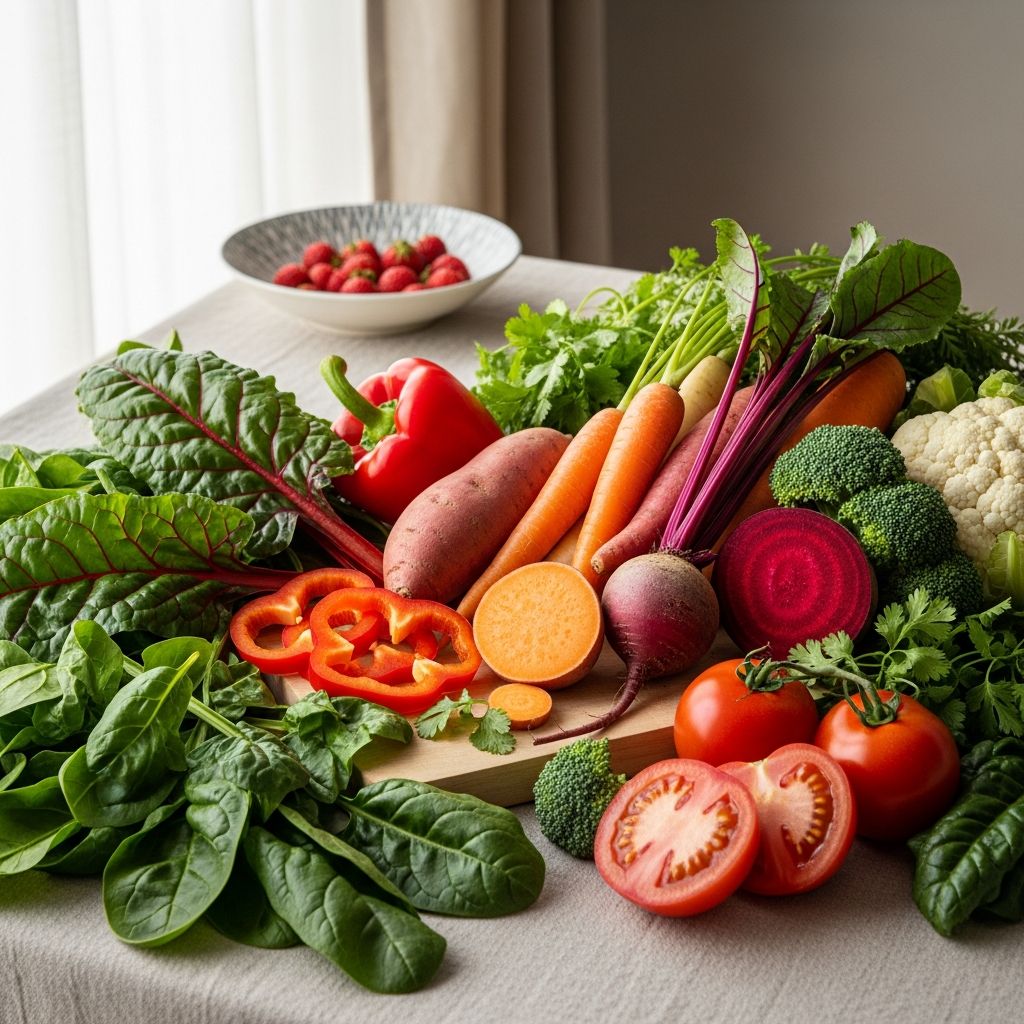
Red and yellow bell peppers top the vitamin C charts, with one cup providing over 200% of the daily value—more than oranges. This vitamin is critical for collagen’s stability. They also offer beta-carotene for skin protection. Add sliced peppers to salads, stir-fries, or roast for snacks.
2. Leafy Greens (Spinach, Kale, Swiss Chard)
These chlorophyll-packed greens deliver vitamin C, vitamin A, and antioxidants. Chlorophyllin supplements derived from greens have increased skin pro-collagen by 31% in trials. Spinach has folate for cell repair, while kale’s lutein shields collagen from oxidative stress. Steam or blend into smoothies.
Related Stories



3. Tomatoes
A medium tomato yields 28% DV vitamin C plus lycopene, which accumulates in skin to enhance collagen protection against UV damage. Cooking boosts lycopene bioavailability. Use in sauces, soups, or fresh salsas.
4. Broccoli
Broccoli provides vitamin C, sulforaphane (an anti-inflammatory), and vitamin K for tissue integrity. One cup steamed offers 135% DV vitamin C. Sulforaphane activates Nrf2 pathways, preserving collagen. Roast or add to stir-fries.
5. Garlic and Onions
High in sulfur, these alliums support collagen synthesis and prevent enzymatic breakdown via MMP inhibition. Garlic’s allicin has anti-aging effects. Crush and let sit 10 minutes before cooking to maximize benefits. Use in dressings, soups, or roasted veggies.
6. Brussels Sprouts
These cruciferous veggies pack vitamin C (one cup: 75mg), fiber, and kaempferol antioxidants. They support detoxification, reducing inflammation that harms collagen. Shred for salads or air-fry.
7. Carrots
Rich in beta-carotene (converts to vitamin A), carrots promote collagen cross-linking and skin repair. Paired with vitamin C sources, they enhance efficacy. Eat raw, juiced, or roasted.
8. Sweet Potatoes
Loaded with beta-carotene, vitamins A and C, they fight free radicals and support mucosal collagen. Bake or mash for meals.
9. Citrus Zest Vegetables (e.g., in pairings)
While not veggies, pair with citrus for synergy, but cabbage and cauliflower offer similar sulforaphane benefits.
Vegetable-Rich Recipes for Collagen Boost
Incorporate these into daily meals:
- Collagen-Boosting Stir-Fry: Bell peppers, broccoli, garlic, onions, and leafy greens with tofu.
- Tomato Basil Soup: Tomatoes, garlic, onions simmered with herbs.
- Kale Citrus Salad: Kale, bell peppers, tomatoes, lemon dressing.
- Roasted Veggie Medley: Brussels sprouts, sweet potatoes, carrots.
These recipes maximize nutrient synergy, with cooking methods preserving vitamin C.
Collagen Benefits for Skin, Joints, and More
Skin Health: Veggies enhance elasticity, reduce wrinkles. Vitamin C diets correlate with 10-20% less photoaging.
Joint Support: Antioxidants lower inflammation; chlorophyll aids cartilage collagen.
Hair and Nails: Minerals strengthen keratin-collagen bonds.
Gut Health: Fiber from veggies supports gut lining collagen.
Potential Downsides and Tips
- Oxalates in spinach may hinder mineral absorption; rotate greens.
- Overcooking destroys vitamin C; steam or eat raw when possible.
- Avoid excess sugar, which glycates collagen, stiffening fibers.
Combine with proteins for amino acids. Sun protection and no smoking amplify benefits.
Supplements vs. Whole Vegetables
While veggie-derived vitamin C powders exist, whole foods offer fiber and phytonutrients. Collagen peptides from animals may help, but plants sustain long-term production. Harvard advises against over-relying on bone broth due to variability.
Frequently Asked Questions (FAQs)
Can vegetables directly provide collagen?
No, collagen is animal-derived, but vegetables supply building blocks like vitamin C for your body to produce it.
How much vitamin C do I need for collagen?
75-90mg daily for adults; one bell pepper meets this.
Are there vegan ways to boost collagen?
Yes, focus on these veggies plus lysine-rich beans and zinc from nuts.
Do cooking methods affect nutrients?
Yes, steaming preserves vitamin C better than boiling.
How long to see benefits?
4-12 weeks with consistent intake and lifestyle support.
This comprehensive guide empowers you to harness vegetables for natural collagen support. Prioritize variety for optimal results.
References
- 13 Foods That Help Your Body Produce Collagen — Healthline. 2024-07-05. https://www.healthline.com/health/beauty-skin-care/collagen-food-boost
- Collagen — Harvard T.H. Chan School of Public Health, The Nutrition Source. Accessed 2026. https://nutritionsource.hsph.harvard.edu/collagen/
- Collagen: What It Is, Types, Function & Benefits — Cleveland Clinic. Accessed 2026. https://my.clevelandclinic.org/health/articles/23089-collagen
Similar Articles








Read full bio of Sneha Tete