Collagen Vs. Whey Protein: Key Comparison For Fitness & Beauty
Discover the key differences between collagen and whey protein to choose the best supplement for muscle building, joint health, skin support, and overall wellness.

Collagen and whey protein are two popular supplements, but they serve different primary functions in the body. Whey protein, derived from milk, is a complete protein ideal for muscle growth and post-workout recovery due to its high content of essential amino acids (EAAs) and branched-chain amino acids (BCAAs). Collagen protein, sourced from animal connective tissues, is incomplete but rich in glycine and proline, supporting skin elasticity, joint health, and connective tissues.
Understanding their differences helps tailor supplementation to specific goals like building muscle, improving joint comfort, or enhancing skin appearance. Both can complement a balanced diet, but whey edges out for athletic performance while collagen shines for tissue repair.
What Is Collagen Protein?
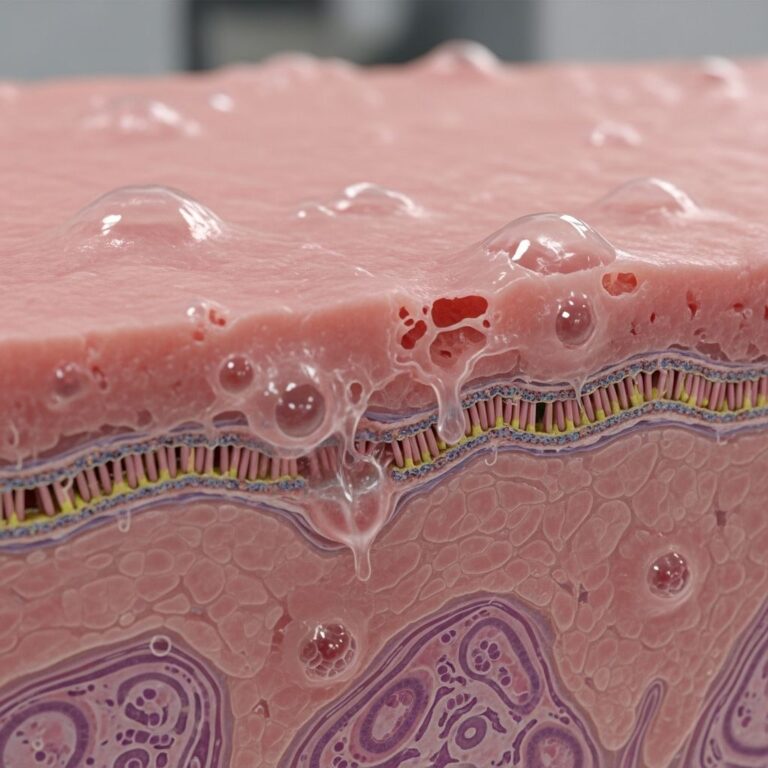
Collagen is the most abundant protein in the human body, forming the structure of skin, bones, tendons, ligaments, and cartilage. As we age, natural collagen production declines, leading to wrinkles, joint pain, and reduced mobility. Collagen supplements, typically hydrolyzed peptides from bovine, marine, or porcine sources, are broken down for better absorption.
These supplements provide targeted benefits beyond general protein intake. Studies indicate collagen peptides support skin hydration and elasticity, reduce wrinkles, strengthen bones, and alleviate joint discomfort, particularly in active individuals or those with osteoarthritis. Doses of 5-15 grams daily show efficacy for these effects, making it suitable for beauty-from-within approaches and injury prevention.
What Is Whey Protein?
Whey protein is a byproduct of cheese production from cow’s milk, available as concentrate, isolate, or hydrolysate. It is rapidly digested and absorbed, earning its status as a ‘fast-acting’ protein perfect for post-exercise consumption. Whey contains all nine EAAs, including high levels of leucine, which triggers muscle protein synthesis (MPS).
Research demonstrates whey supplementation enhances muscle mass, strength gains, and recovery after resistance training. It also boosts resting metabolic rate and aids fat loss in overweight individuals, outperforming collagen in body composition improvements. Typical doses range from 20-30 grams per serving, ideal for athletes and those prioritizing lean muscle.
Collagen vs. Whey Protein: Key Differences
The primary distinction lies in their amino acid profiles and biological roles. Here’s a detailed comparison:
| Aspect | Collagen Protein | Whey Protein |
|---|---|---|
| Source | Animal hides, bones, scales (bovine, marine) | Milk (dairy byproduct) |
| Protein Completeness | Incomplete (lacks tryptophan, low BCAAs) | Complete (all 9 EAAs, high BCAAs) |
| Absorption Speed | Slower, but hydrolyzed forms improve it | Fast-acting |
| Primary Benefits | Skin, joints, gut, connective tissue | Muscle growth, recovery, fat loss |
| Best For | Anti-aging, joint support, dairy-free | Athletes, muscle building |
Whey’s superior EAA profile makes it better for MPS, while collagen’s unique amino acids like glycine (for sleep and gut lining) and proline (for cartilage) address overlooked areas. Collagen is not vegetarian-friendly, whereas whey suits most but may cause issues for lactose-intolerant individuals.
Collagen vs. Whey for Muscle Growth
For muscle hypertrophy and strength, whey is superior. Its high leucine content (about 10-12% of total amino acids) potently stimulates MPS, especially post-workout. Studies confirm whey increases muscle mass and reduces soreness more effectively than collagen.
Collagen, low in BCAAs, does not match whey’s anabolic effects. A pilot study found no significant difference in delayed onset muscle soreness (DOMS) reduction between the two, but whey consistently shows better body composition outcomes in overweight women, decreasing android fat and boosting nesfatin (an appetite-suppressing hormone). Collagen may support tendon strength when combined with training, but it’s secondary to whey for pure muscle gains.
Related Stories



Collagen vs. Whey for Weight Loss
Whey protein aids weight management by increasing satiety, preserving lean mass during calorie deficits, and elevating metabolism. Research shows whey reduces body fat more than collagen in overweight populations, partly due to its complete profile promoting thermogenesis.
Collagen offers modest support via improved body composition in some studies (e.g., with resistance training in elderly), but it may not curb appetite as effectively without tryptophan and BCAAs. Overall, whey is preferable for fat loss goals.
Collagen vs. Whey for Skin Health
Collagen peptides excel here, with multiple studies showing reduced wrinkles, improved elasticity, and hydration after 8-12 weeks of 2.5-10 grams daily. It provides the building blocks for dermal collagen synthesis.
Whey supports skin indirectly through muscle health and antioxidants, but lacks collagen-specific amino acids. Expert dietitians note whey’s role in repair but recommend collagen for anti-aging.
Collagen vs. Whey for Joint Health
Collagen supplementation (10-15 grams/day) reduces joint pain and improves function in athletes and osteoarthritis patients, enhancing cartilage regeneration. Whey does not target joints directly; its benefits are muscle-focused. Combining both may optimize mobility by strengthening surrounding muscles and tissues.
Can You Take Collagen and Whey Together?
Yes, they are complementary. Use whey post-workout for muscle repair and collagen (e.g., 10-15 grams) morning or evening for joints/skin. This duo provides comprehensive protein support: whey’s EAAs for muscle, collagen’s for tissues. Athletes report better injury prevention and recovery. Start with recommended doses to assess tolerance.
Which Should You Choose?
- Muscle growth/recovery: Whey
- Skin/joint/gut health: Collagen
- Both or comprehensive wellness: Combine them
- Dairy-free/vegetarian: Collagen (if not strict vegetarian)
Consult a healthcare provider for personalized advice, especially with allergies or conditions.
Frequently Asked Questions (FAQs)
Is collagen a complete protein like whey?
No, collagen lacks tryptophan and sufficient BCAAs for optimal muscle growth, unlike complete whey.
Can whey help with skin or joints like collagen?
Whey supports muscle-related benefits but lacks high glycine/proline for connective tissues; collagen is superior there.
How much collagen or whey daily?
Collagen: 5-15g for benefits; Whey: 20-30g post-workout or to meet protein needs.
Any side effects?
Whey: Digestive issues in lactose-sensitive; Collagen: Generally well-tolerated, rare allergies.
Who should choose collagen over whey?
Those prioritizing beauty, joints, or avoiding dairy; athletes may use both.
References
- Collagen vs Whey Protein: Which Supplement Is Right for You? — Natural Force. 2023. https://naturalforce.com/blogs/nutrition/collagen-vs-whey-protein
- From Whey to Collagen Peptides: Understanding Protein Types and Their Health Impacts — Rupa Health. 2024. https://www.rupahealth.com/post/from-whey-to-collagen-peptides-understanding-protein-types-and-their-health-impacts
- What’s the Difference Between Collagen Protein and Whey Protein — Chief Nutrition. 2023. https://wearechief.com/blogs/articles/whats-the-difference-between-collagen-protein-and-whey-protein
- Whey Protein Supplementation Compared to Collagen Increases… — PMC (NCBI). 2019-08-14. https://pmc.ncbi.nlm.nih.gov/articles/PMC6770102/
- A Pilot Study of the Effects of Collagen vs. Whey Protein… — Research Directs (Strength and Performance). 2023. https://researchdirects.com/index.php/strengthandperformance/article/view/92
Similar Articles








Read full bio of medha deb