Collagen: 3 Proven Benefits For Skin And Joints
Essential protein for skin structure, ageing effects, synthesis, and therapeutic supplementation strategies.
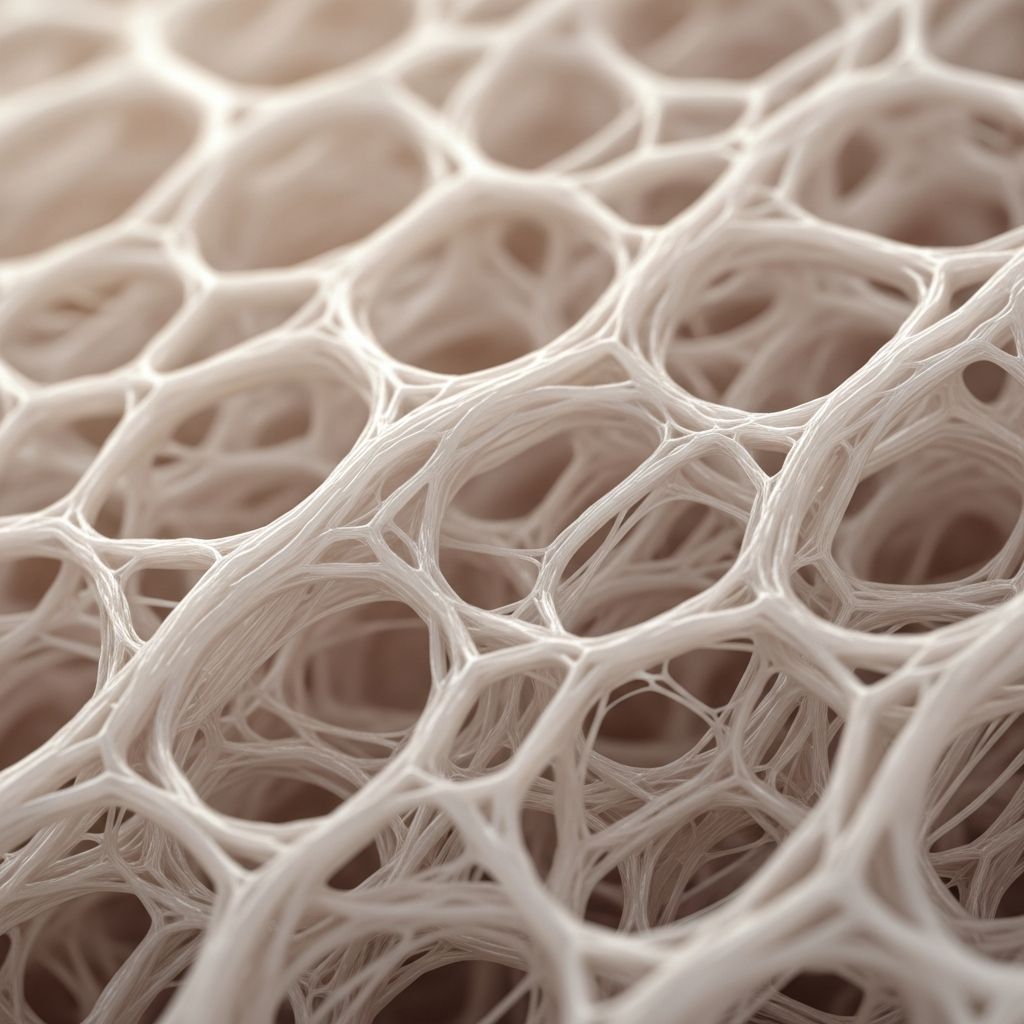
Collagen is the main structural protein in skin and other connective tissues, accounting for at least
70% of the dry weight of human skin
. It provides tensile strength and support through its unique triple helical structure.What is collagen?
Collagen forms the foundational framework of many connective tissues including skin, bones, ligaments, tendons, and muscles. It consists of protein fibrils arranged in a robust
triple helical structure
, enabling it to withstand mechanical stress. In mammals, collagen represents 25–35% of total protein mass, with types I, II, and III comprising 80–90% of the body’s collagen.Type
I collagen
dominates the dermis at about 80%, delivering tensile strength, whiletype III
makes up around 15%, especially prominent in fetal skin.Type II
prevails in cartilage (90–95%),type IV
andVII
anchor the basement membrane. These variations allow collagen to fulfill diverse roles across tissues.How is collagen made?
Dermal fibroblasts synthesize collagen by linking amino acids into sequences like glycine-proline-X or glycine-X-hydroxyproline, where every third amino acid is glycine and 20% are proline or hydroxyproline. Three alpha helix chains then coil into a triple helix procollagen molecule inside the fibroblast.
Post-secretion, collagen peptidases trim propeptides to form tropocollagen. A copper-dependent
lysyl oxidase
enzyme creates stable crosslinks between lysine and hydroxylysine residues on adjacent tropocollagen molecules, yielding strong fibrils with tensile properties.This biosynthesis demands specific nutrients: vitamin C for hydroxylation of proline and lysine, zinc and copper as cofactors, and amino acids like glycine and proline from diet. Deficiencies, such as in scurvy, impair this process leading to fragile collagen.
Collagen turnover
Collagen undergoes constant renewal. Fibrils degrade via
collagenase
enzymes triggered by oxidative damage or normal metabolism. Balance between synthesis and breakdown maintains skin integrity; imbalance reduces tensile strength, causing wrinkles.Degradation accelerates with poor diet, excessive UV exposure, pollution, and smoking, which elevate matrix metalloproteinases (MMPs). Genetic disorders like
Ehlers-Danlos syndrome
andosteogenesis imperfecta
introduce synthesis errors, weakening collagen.Skin ageing and collagen
Ageing diminishes collagen synthesis while boosting degradation, transforming the three-dimensional fibril network of young skin into fragmented, clumped two-dimensional bundles. This results in dryness, thinning, and wrinkling.
External aggravators include
UV light
(photoageing), pollution, smoking (via MMP induction and elastin degradation), and malnutrition. Collagen density, elasticity, and hydration decline, with wrinkles forming from lost dermal support.Oral collagen supplements
Hydrolyzed collagen peptides (0.3–8 kDa) show superior absorption over native forms due to high digestibility. Studies (2000–2022) demonstrate benefits: reduced wrinkles, enhanced elasticity, hydration, firmness, brightness, collagen density, and synthesis.
Doses of 2–20 g/day hydrolyzed collagen, often with vitamin C, yield anti-ageing effects, outperforming topical or large-molecule options. Marine-derived collagen absorbs better with fewer contaminants; source origin affects quality and sustainability.
In orthopedic contexts, supplementation boosts bone density, joint function, reduces pain, and curbs cartilage degradation, especially in at-risk groups (ageing, athletes).
| Benefit | Skin Effects | Orthopedic Effects |
|---|---|---|
| Structural Improvement | ↑ Elasticity, hydration, collagen density | ↑ Bone strength, mineral mass |
| Anti-Degradative | ↓ Wrinkles, pores, elastosis | ↓ Cartilage markers, inflammation |
| Functional | ↑ Firmness, brightness | Improved mobility, pain reduction |
Other ways to boost collagen
Beyond supplements,
alpha-hydroxy acids (AHAs)
exfoliate and stimulate fibroblast activity. Procedural interventions like fractional lasers and radiothermoplasty remodel dermis, promoting neocollagenesis.Related Stories



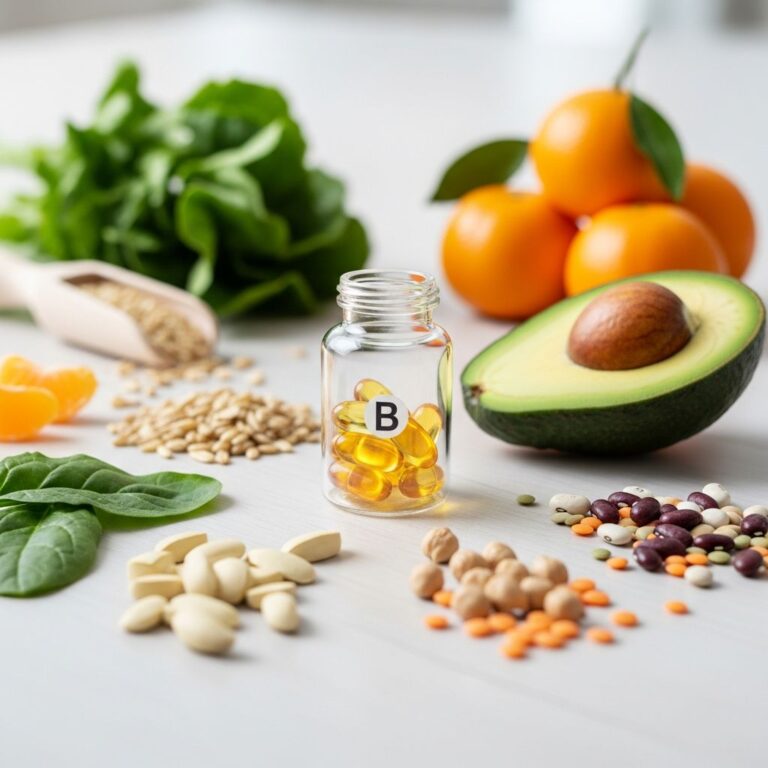
Nutrient-rich diets supply precursors: proline/glycine from bone broth, eggs; vitamin C from citrus; zinc from nuts. Avoiding UV, quitting smoking preserves existing collagen.
Injectable bovine or human fibroblast-derived fillers provide immediate volume. Bioengineered scaffolds aid wound healing.
Frequently Asked Questions
What percentage of skin’s dry weight is collagen?
**70% or more**, primarily type I for strength.
Which collagen type dominates cartilage?
**Type II** at 90–95%.
Does oral collagen really work for skin?
Yes, hydrolyzed peptides reduce wrinkles and boost elasticity/hydration per clinical trials.
What accelerates collagen loss?
UV exposure, smoking, ageing, poor nutrition.
Are marine collagen supplements better?
Often yes, due to superior absorption and purity.
Collagen in Disease Contexts
Reactive perforating collagenosis involves transepithelial collagen elimination. Acne scarring stems from collagen destruction in atrophic lesions. Supplementation aids recovery in such inflammatory states.
Who should consider collagen supplements? Postmenopausal women, athletes, elderly with joint issues benefit most from anabolic effects.
References
- Collagen supplementation in skin and orthopedic diseases — de Miranda RB et al. National Institutes of Health (PMC). 2023-04-01. https://pmc.ncbi.nlm.nih.gov/articles/PMC10102402/
- Collagen replacement therapy — DermNet NZ. 2023. https://dermnetnz.org/topics/collagen-replacement-therapy
- Collagen — DermNet NZ. 2024. https://dermnetnz.org/topics/collagen
- Collagen: What It Is, Types, Function & Benefits — Cleveland Clinic. 2023-10-10. https://my.clevelandclinic.org/health/articles/23089-collagen
- Reactive perforating collagenosis — DermNet NZ. 2023. https://dermnetnz.org/topics/reactive-perforating-collagenosis
Similar Articles








Read full bio of Sneha Tete