Collarbone Pain: 8 Causes, Symptoms, And Treatment
Discover the common and serious causes of collarbone pain, from fractures to arthritis, plus effective treatments and when to seek help.
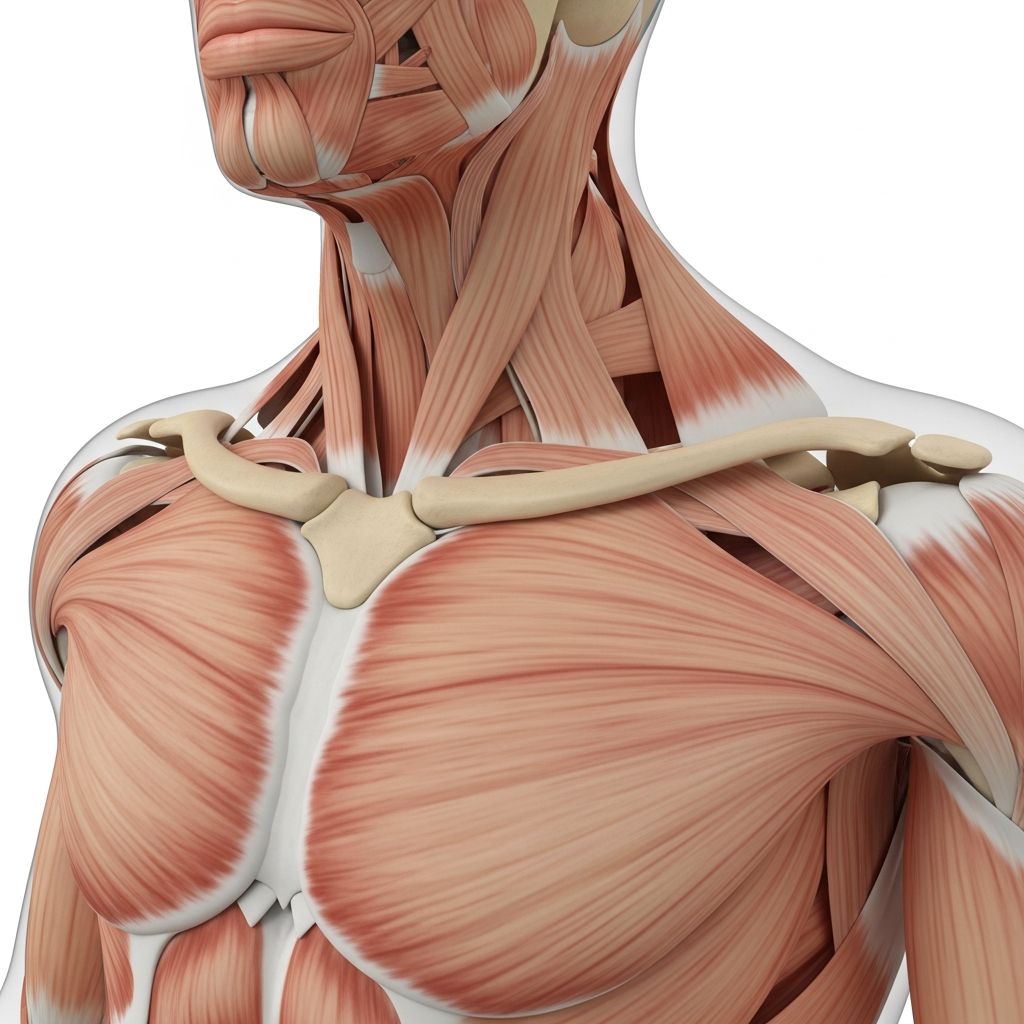
The collarbone, or clavicle, is a slender S-shaped bone connecting the shoulder blade to the breastbone (sternum). It plays a key role in shoulder mobility and stability. Pain in this area can range from mild discomfort to severe agony, often disrupting daily activities like lifting arms or sleeping. Common culprits include trauma, overuse, poor posture, or underlying conditions. While many cases resolve with rest and home care, persistent or sudden pain warrants medical evaluation to rule out fractures or infections.
What Causes Collarbone Pain?
Collarbone pain arises from various sources, including acute injuries and chronic degenerative changes. Identifying the cause is crucial for appropriate treatment. Below are the primary causes, supported by symptoms and risk factors.
1. Fractures and Breaks
Clavicle fractures account for about 5% of all adult fractures, often from falls on an outstretched arm, direct blows in sports, or car accidents. Pain starts suddenly, intensifying with shoulder movement, accompanied by grinding sensations, swelling, bruising, tenderness, a visible bump, and inability to lift the arm.
- Symptoms: Sharp pain, swelling, bruising, shoulder sagging.
- Diagnosis: X-ray and physical exam.
- Treatment: Sling immobilization for 4-6 weeks, ice, pain relievers; surgery for displaced fractures.
Healing typically takes 6-8 weeks in adults, longer in older individuals. Complications like non-union are rare but possible if untreated.
2. Sleeping Position
Side-sleeping can compress the acromioclavicular (AC) or sternoclavicular (SC) joints, especially if arthritic or inflamed. This leads to morning stiffness and pain that eases with movement. New pillows or back-sleeping often resolves it.
- Prevention: Orthopedic pillows, mattress upgrades, position changes.
- Relief: OTC pain meds like ibuprofen.
3. Thoracic Outlet Syndrome (TOS)
TOS involves compression of nerves, arteries, or veins in the space between the collarbone and first rib. Causes include poor posture, repetitive arm use, pregnancy, or tumors. Symptoms: arm weakness, numbness, neck/shoulder pain, hand color changes, painful lump under collarbone.
- Risk Factors: Desk jobs, overhead activities, anatomical variations.
- Treatment: Physical therapy for posture and strength; surgery in severe vascular cases.
4. Joint Injuries (AC or SC Joint)
AC joint separation occurs from falls or impacts, tearing ligaments without always breaking the bone. Symptoms: pain, swelling, tenderness, visible deformity or bulge. SC joint issues cause pain where clavicle meets sternum.
| Injury Type | Symptoms | Treatment |
|---|---|---|
| AC Joint Separation | Pain, bulge, limited motion | Rest, ice, sling; surgery for Grade III-V |
| SC Joint Sprain | Pain at sternum junction, swelling | Immobilization, NSAIDs; rare surgery |
5. Arthritis (Osteoarthritis)
Wear-and-tear on AC or SC joints from aging, prior injuries, or repetitive stress causes gradual pain, stiffness worsening with activity. Common in weightlifters or older adults.
- Symptoms: Dull ache, joint stiffness, pain on overhead reach.
- Treatment: NSAIDs, corticosteroid injections, lifestyle changes; distal clavicle resection surgery if severe.
6. Distal Clavicular Osteolysis (Weightlifter’s Shoulder)
Micro-fractures at the clavicle’s distal end from repetitive heavy lifting erode bone. Symptoms: pain crossing arm or overhead lifting, aches at rest.
Related Stories



- Treatment: Rest (4-6 weeks), NSAIDs, PT; injections or surgery if persistent.
7. Osteomyelitis (Bone Infection)
Rare but serious, often from open fractures, nearby wounds, or bloodstream spread. Symptoms: severe pain, swelling, warmth, fever, pus drainage, nausea.
- Treatment: IV antibiotics (weeks to months), drainage, immobilization; surgery if abscess forms.
8. Other Causes: Cancer and Rare Conditions
Cancer (primary bone tumors or metastases to clavicle/lymph nodes) causes persistent pain, swelling. Stress fractures in elderly present atypically. Seek urgent care for unexplained pain with weight loss or night sweats.
Symptoms That Require Immediate Medical Attention
Not all collarbone pain is minor. Emergency signs include:
- Sudden severe pain post-trauma.
- Open wound or bone protrusion.
- Numbness, weakness, or color changes in arm/hand.
- Fever, swelling, redness suggesting infection.
- Breathing difficulty (rare lung/vessel injury).
See a doctor promptly for gradual pain with swelling or limited motion.
Diagnosis of Collarbone Pain
Doctors start with history and exam, checking tenderness, range of motion, deformities. Imaging includes:
- X-rays: First-line for fractures, arthritis.
- MRI/CT: Soft tissue, TOS, infections.
- Ultrasound: Vascular TOS or effusions.
- Blood tests: Infection markers (ESR, CRP).
Specialists like orthopedists or rheumatologists may be consulted.
Treatment Options for Collarbone Pain
Treatment varies by cause:
- Conservative: RICE (Rest, Ice, Compression, Elevation), NSAIDs, slings/braces.
- Therapy: PT for strength, posture; key for TOS, post-fracture.
- Injections: Corticosteroids for arthritis/inflammation.
- Surgery: ORIF for fractures, ligament repair, joint debridement; 10-20% of cases.
Home Remedies
For mild pain:
- Ice 15-20 mins every 2-3 hours.
- Gentle stretches after acute phase.
- Posture correction exercises.
- OTC pain relief (ibuprofen 400-600mg as needed).
Avoid overhead activities until cleared.
Prevention Tips
Reduce risk with:
- Protective gear in sports.
- Strength training for shoulders/posture.
- Ergonomic workspaces.
- Calcium/vitamin D for bone health.
- Weight management to lessen joint stress.
When to See a Doctor
Consult if pain lasts >1 week, worsens, or includes red flags. Early intervention prevents complications like chronic instability or non-healing fractures.
Frequently Asked Questions (FAQs)
Can collarbone pain go away on its own?
Yes, minor strains or poor sleeping positions often resolve in days with rest and ice. Persistent pain needs evaluation.
How long does a broken collarbone take to heal?
Typically 6-8 weeks with sling use; full strength returns in 3-4 months with rehab.
Is collarbone pain a sign of heart problems?
Rarely, but referred pain from heart issues can mimic it. Accompanying chest pain, shortness of breath requires ER visit.
Can physical therapy fix AC joint pain?
Often yes, by strengthening stabilizers and improving mechanics, avoiding surgery.
What exercises help collarbone pain?
Pendulum swings, wall slides, scapular squeezes—start post-acute phase under guidance.
References
- 8 causes of collarbone (clavicle) pain: Symptoms and treatment — Medical News Today. 2019-05-23. https://www.medicalnewstoday.com/articles/321264
- Collarbone Pain: 7 Causes — Healthline. 2019-03-08. https://www.healthline.com/health/collarbone-pain
- An unusual cause of shoulder pain in an elderly woman: a case report — PMC (NCBI). 2013. https://pmc.ncbi.nlm.nih.gov/articles/PMC3878686/
- Broken Collarbone — Kaiser Permanente. n.d. https://healthy.kaiserpermanente.org/health-wellness/health-encyclopedia/he.broken-collarbone.tw9145spec
- Broken Collarbone (Clavicle Fracture) (for Teens) — KidsHealth. n.d. https://kidshealth.org/en/teens/clavicle-fracture.html
- Sternoclavicular (SC) Joint Disorders — OrthoInfo – AAOS. n.d. https://orthoinfo.aaos.org/en/diseases–conditions/sternoclavicular-sc-joint-disorders/
Similar Articles








Read full bio of Sneha Tete