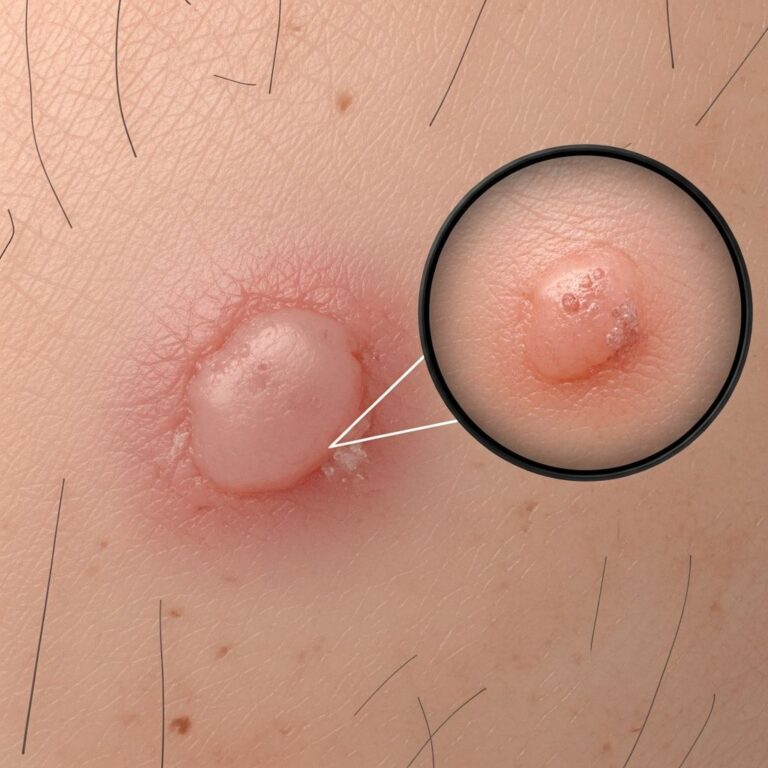
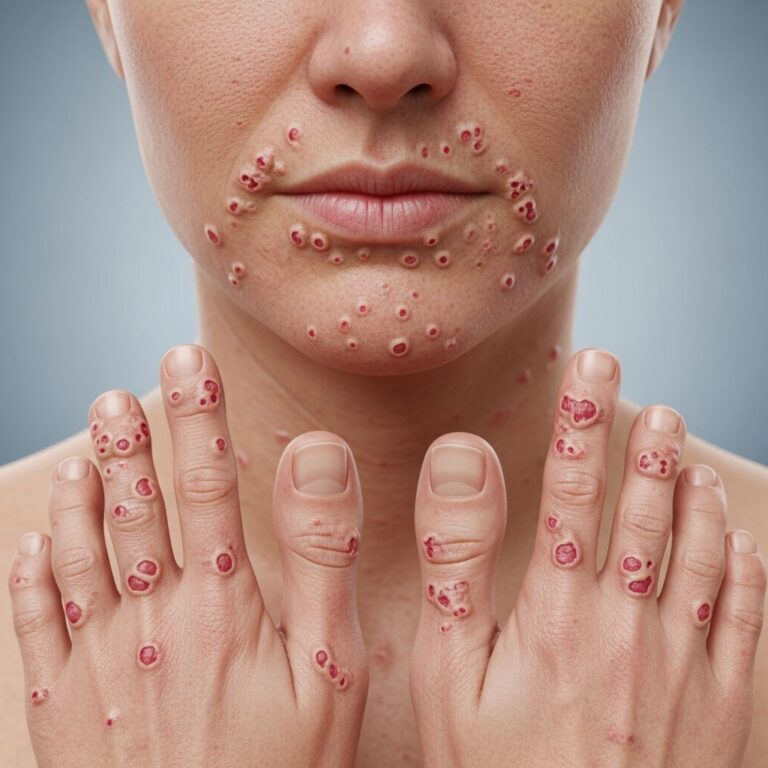
Colloidal Oatmeal: Nature’s Solution for Skin Relief
Discover how this ancient ingredient provides modern relief for irritated and sensitive skin conditions.
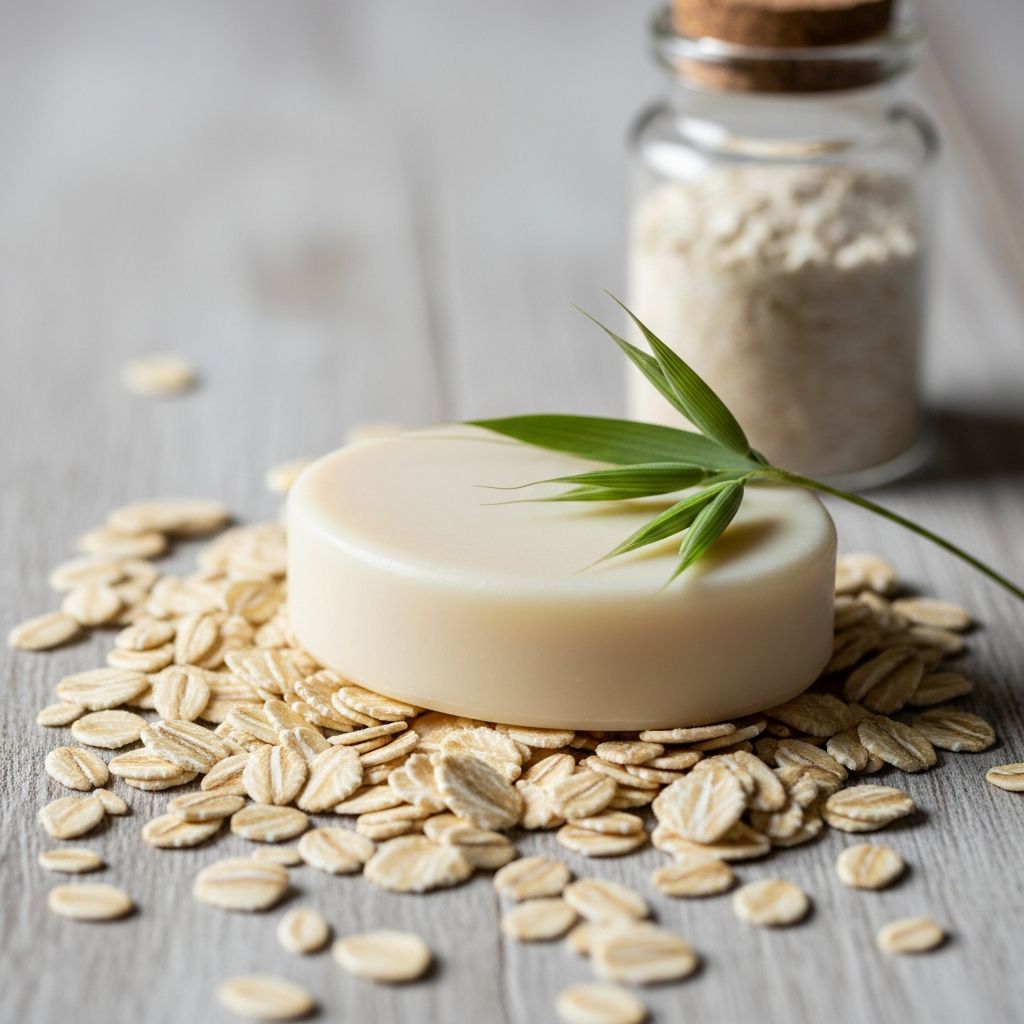
Understanding Colloidal Oatmeal: More Than Breakfast
While oatmeal is commonly known as a nutritious breakfast staple, colloidal oatmeal represents a specialized form of this grain that has become increasingly recognized in dermatological science. Colloidal oatmeal is created by grinding whole oat kernels into an ultra-fine powder and then boiling them to extract their beneficial compounds. This process differs significantly from regular breakfast oatmeal, which is simply rolled or cut oats without extraction of their active ingredients.
The production method is crucial to understanding why colloidal oatmeal has become such a valued skincare ingredient. When oats undergo this specialized processing, they retain their complete nutrient profile while becoming more bioavailable to the skin. The resulting product contains a complex matrix of naturally occurring compounds that work synergistically to address various skin concerns. Due to its proven efficacy and safety profile, the FDA recognizes colloidal oatmeal as an active skin protectant ingredient in over-the-counter dermatological products, with specific standardization requirements established by the United States Pharmacopeia.
The Molecular Science Behind Skin Soothing
The effectiveness of colloidal oatmeal cannot be attributed to a single compound but rather to a sophisticated combination of naturally occurring molecules. Understanding these components illuminates why dermatologists consistently recommend this ingredient for various skin conditions.
Key Active Compounds in Colloidal Oatmeal:
- Avenanthramides: These are polyphenolic molecules unique to oats that function as natural anti-inflammatories and antioxidants. Their antihistamine-like properties make them particularly effective at reducing itching sensations.
- Beta-glucans: A soluble fiber that creates a protective film on the skin’s surface while actively moisturizing. This compound also stimulates the body’s natural collagen production and supports wound healing processes.
- Lipids and proteins: These provide multiple benefits including humectant properties (drawing moisture to the skin), occlusive effects (sealing in hydration), and emollient functions (softening and smoothing).
- Starches: Contributing to the protective barrier formation, starches work with beta-glucans to lock moisture into the skin and shield it from environmental aggressors.
- Saponins: Natural compounds with cleansing properties that help unclog pores without disrupting the skin’s natural balance.
- Phenolic compounds and minerals: Including zinc, which reduces inflammation and possesses antimicrobial properties, plus various flavonoids and vitamins that provide additional antioxidant protection.
This diverse biochemical composition means that colloidal oatmeal addresses skin issues through multiple mechanisms simultaneously, rather than relying on a single active ingredient. This multi-pathway approach often translates to more comprehensive and lasting relief compared to single-mechanism treatments.
How Colloidal Oatmeal Restores Skin Barrier Function
One of the most significant benefits of colloidal oatmeal relates to its ability to restore and maintain the skin’s protective barrier. Healthy skin maintains a carefully balanced pH level, typically between 4.5 and 5.5, which optimizes the function of barrier proteins and natural protective mechanisms.
Compromised skin conditions such as atopic dermatitis, eczema, and general dermatitis often exhibit elevated pH levels that further impair barrier function and increase moisture loss. Colloidal oatmeal acts as a pH buffer, neutralizing excessive alkalinity and helping restore the skin’s natural acid mantle. This pH normalization triggers a cascade of beneficial effects, including improved stratum corneum integrity and enhanced expression of genes responsible for producing barrier proteins and essential skin lipids.
The protective film created by the starches and beta-glucans serves a dual purpose. First, it prevents trans-epidermal water loss—the evaporation of moisture through the skin’s surface—by creating an occlusive layer that locks hydration into the skin. Second, it acts as a shield against environmental irritants, allergens, and pollutants that might otherwise penetrate compromised skin and trigger inflammatory responses.
Additionally, the phenolic compounds and antioxidants in colloidal oatmeal actively suppress the expression of pro-inflammatory mediators that contribute to redness, swelling, and irritation. This multi-level approach to barrier restoration makes colloidal oatmeal particularly valuable for individuals whose skin conditions stem from barrier dysfunction.
Related Stories



Therapeutic Benefits Across Multiple Skin Conditions
Relief for Eczema and Atopic Dermatitis
Eczema, scientifically known as atopic dermatitis, represents one of the primary conditions for which colloidal oatmeal is recommended by dermatologists. This chronic inflammatory condition causes intense itching, redness, and skin barrier dysfunction. The combination of anti-inflammatory avenanthramides, pH-buffering properties, and barrier-restoring compounds makes colloidal oatmeal particularly well-suited for this application. Individuals with severe atopic dermatitis often find that incorporating colloidal oatmeal products into their skincare routine provides noticeable relief of both acute symptoms and underlying skin dysfunction.
Management of Psoriasis and Other Chronic Conditions
Beyond eczema, colloidal oatmeal demonstrates efficacy in managing psoriasis and other conditions characterized by chronic skin irritation and inflammation. The ingredient’s ability to reduce pro-inflammatory cytokines while simultaneously supporting barrier function addresses the underlying pathophysiology of these conditions. Many individuals report that colloidal oatmeal-based products help minimize flare-ups and reduce the severity of symptoms during active disease periods.
Treatment of Acute Skin Irritations
Even without chronic skin conditions, colloidal oatmeal offers relief for temporary irritations such as razor burn, minor burns, insect bites, poison ivy exposure, and chickenpox-related itching. The rapid anti-inflammatory and soothing action makes it suitable for addressing these acute concerns without the potential side effects associated with pharmaceutical interventions.
Acne Management and Prevention
The antifungal and anti-inflammatory properties of colloidal oatmeal extend its utility to acne-prone skin. The saponins help combat environmental pollutants and bacteria, while the zinc content specifically targets acne-causing microorganisms. Furthermore, colloidal oatmeal’s ability to absorb excess sebum while exfoliating gently makes it effective as both a cleanser and treatment agent for acneic skin conditions.
Mechanisms of Action: A Comprehensive Overview
The multi-factorial approach to skin healing distinguishes colloidal oatmeal from single-mechanism skincare ingredients. The mechanism of action operates on several levels:
- Physical Protection: The protective film created on the skin surface prevents moisture loss and shields against environmental irritants while allowing normal skin respiration.
- Chemical Buffering: Water-soluble compounds including oat proteins and carbohydrates normalize skin pH, restoring optimal conditions for barrier function.
- Anti-inflammatory Signaling: Active molecules reduce the expression of inflammatory mediators, decreasing redness and irritation at the cellular level.
- Barrier Restoration: Colloidal oatmeal increases the expression of genes encoding barrier proteins and lipids essential for skin integrity.
- Hydration Enhancement: Humectant properties draw moisture into the skin while occlusive elements prevent loss, creating sustained hydration.
- Antioxidant Protection: Phenolic compounds and flavonoids neutralize free radicals that accelerate skin aging and compromise barrier function.
This comprehensive approach to skin restoration explains why dermatologists consistently recommend colloidal oatmeal across diverse patient populations and conditions.
Integration Into Skincare Routines
Colloidal oatmeal’s versatility allows for multiple application methods, enabling individuals to select approaches that best suit their lifestyle and specific skin concerns. Colloidal oatmeal can be used independently in baths and soaks, or incorporated into existing skincare products including lotions, creams, and cleansers. For those with severe conditions, intensive applications such as healing ointments combining colloidal oatmeal with complementary ingredients like shea butter and cocoa butter provide enhanced therapeutic benefits.
The gentleness of colloidal oatmeal allows it to be incorporated into skincare regimens for individuals of all ages, from infants to elderly populations. Many baby care products leverage colloidal oatmeal’s skin-soothing properties, recognizing that even delicate infant skin benefits from its barrier-protective and anti-inflammatory effects. This broad safety profile and efficacy across age groups demonstrates the ingredient’s fundamental biocompatibility with human skin.
As a cleanser, colloidal oatmeal effectively removes environmental debris and excess oils without disrupting the skin’s natural microbiome or pH balance. This gentle yet effective cleansing action makes it suitable for use in daily skincare routines without concerns about over-stripping or barrier damage.
Who Benefits Most From Colloidal Oatmeal
While colloidal oatmeal’s safety profile makes it appropriate for all skin types, certain populations experience particularly pronounced benefits. Those with sensitive, dry, or chronically irritated skin represent primary candidates for colloidal oatmeal integration. Individuals diagnosed with eczema, psoriasis, rosacea, or other inflammatory skin conditions often find that colloidal oatmeal-based products become cornerstone components of their skincare regimen.
Beyond those with diagnosed conditions, individuals experiencing environmental sensitivity, reactive skin, or those seeking to enhance their natural barrier function represent secondary beneficiary populations. The ingredient’s role in barrier restoration and hydration makes it valuable for anyone concerned with skin health and resilience, particularly in response to environmental stressors or seasonal changes affecting skin condition.
Safety, Efficacy, and Professional Recommendations
Colloidal oatmeal maintains an excellent safety record with minimal potential for adverse reactions. Unlike many pharmaceutical interventions for skin conditions, colloidal oatmeal works in harmony with the skin’s natural physiology rather than suppressing or altering normal biological processes. This fundamental biocompatibility contributes to its universal acceptance among dermatological professionals and its increasing presence in clinical treatment recommendations.
The scientific evidence supporting colloidal oatmeal’s efficacy continues to expand, with research demonstrating its effectiveness as a cleanser, moisturizer, and anti-inflammatory agent. This evidence base supports the ingredient’s recognition by medical professionals and regulatory bodies, including the FDA’s classification as an active skin protectant in over-the-counter products.
Dermatologists consistently recommend colloidal oatmeal to patients as a safe, evidence-based approach to managing both acute and chronic skin irritation. The ingredient’s rich antioxidant content and multifaceted mechanisms of action make it particularly valuable in clinical settings where comprehensive skin restoration is desired.
Complementary Properties for Comprehensive Skin Health
Beyond its anti-inflammatory and barrier-protective functions, colloidal oatmeal offers additional benefits that contribute to overall skin health. Research has identified UV-absorbing properties that provide supplementary sun protection, though colloidal oatmeal should not replace conventional sunscreen in a comprehensive sun protection regimen.
The ingredient’s role in supporting the skin microbiome represents an emerging area of research. By gently cleansing while maintaining pH balance and not disrupting beneficial microbial communities, colloidal oatmeal supports the establishment of a healthy skin microbiome that contributes to overall skin resilience and immune function at the skin surface.
Conclusion
Colloidal oatmeal represents a convergence of traditional natural wisdom and modern dermatological science. Its sophisticated array of bioactive compounds, multi-mechanism approach to skin restoration, and demonstrated efficacy across diverse skin conditions position it as a cornerstone ingredient in contemporary skincare. Whether addressing chronic inflammatory conditions such as eczema and psoriasis, managing temporary irritations, or supporting general skin health and barrier function, colloidal oatmeal offers a safe, evidence-based option that dermatologists continue to recommend and patients consistently report as beneficial. For anyone seeking natural, effective solutions to skin concerns, colloidal oatmeal warrants serious consideration as a valuable addition to their skincare routine.
References
- Colloidal Oatmeal In Skincare – Benefits & Uses — Prequel Skin. https://prequelskin.com/blogs/skin-notes-skincare-blog/colloidal-oatmeal-in-skincare
- The Benefits of Oatmeal On the Skin — Eight Saints Skincare. https://eightsaintsskincare.com/blogs/page-eight/the-benefits-of-oatmeal-on-the-skin
- Colloidal Oatmeal: What Is It And Top Benefits — Babo Botanicals. https://www.babobotanicals.com/blogs/news/colloidal-oatmeal
- Types Of Oats In Skincare & Their Benefits — Aveeno SkinMindBalance. https://www.aveeno.com/journal/types-oats-skincare-and-why-theyre-so-valuable
- Colloidal Oatmeal: What Is It and What Are Its Benefits? — Cleveland Clinic. 2024. https://health.clevelandclinic.org/colloidal-oatmeal
- What Is Colloidal Oatmeal? Benefits, Uses, and Safety — Healthline. https://www.healthline.com/nutrition/colloidal-oatmeal
- Mechanism of action and clinical benefits of colloidal oatmeal for dermatologic conditions — PubMed Central. https://pubmed.ncbi.nlm.nih.gov/20865844/
Similar Articles








Read full bio of Sneha Tete