Coloboma: Types, Symptoms, Causes & Treatment
Understanding coloboma: congenital eye condition with missing tissue affecting vision.
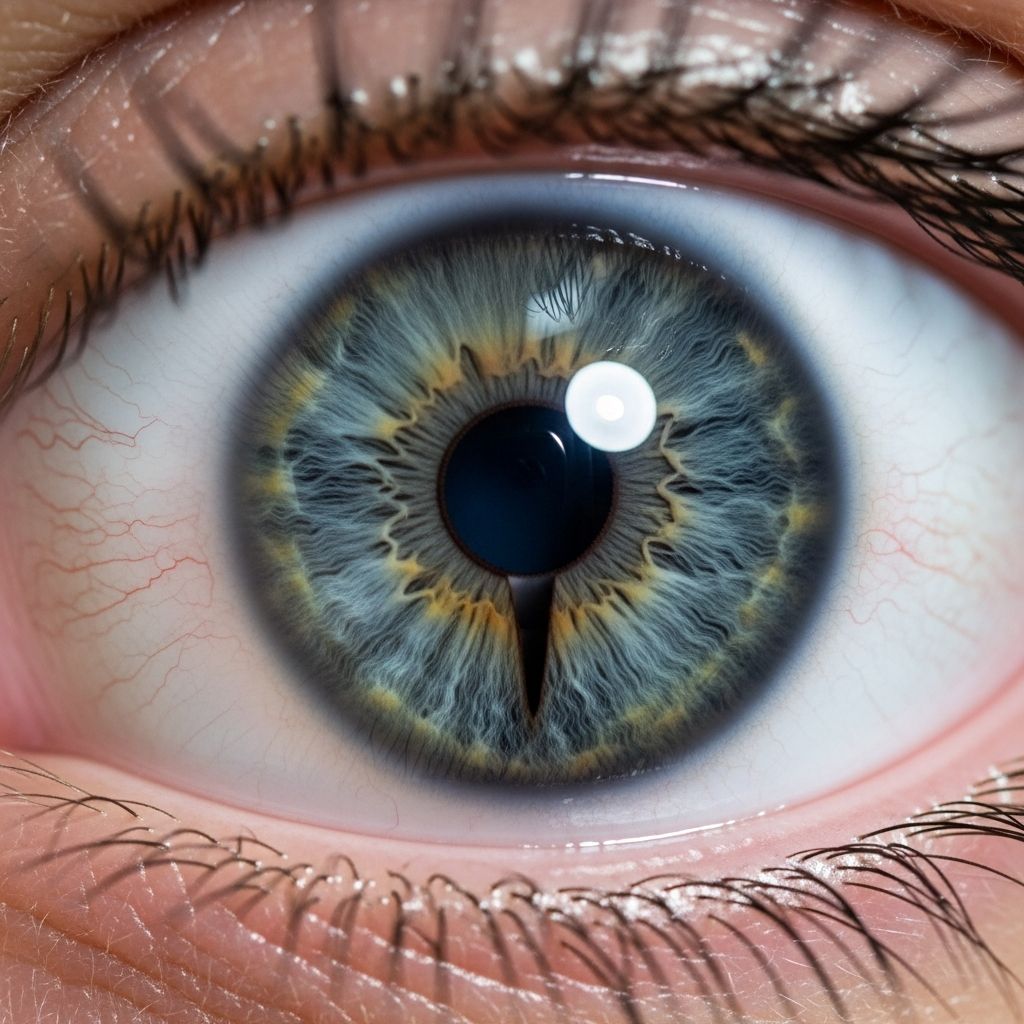
Coloboma is a congenital eye condition in which a person is born with tissue missing from inside or around the eye. This developmental disorder affects the eye’s structure and can impact vision to varying degrees depending on the location and extent of the missing tissue. While colobomas are present from birth, they represent a significant consideration in pediatric ophthalmology and require proper diagnosis and management to preserve vision and quality of life.
What Is a Coloboma?
A coloboma occurs when part of the eye fails to develop completely during fetal development. The term “coloboma” comes from the Greek word meaning “to curtail” or “to shorten,” which describes the characteristic notch or gap in the affected ocular structure. This congenital defect results in missing tissue that can affect different parts of the eye, ranging from the iris to deeper structures like the retina and optic nerve. The severity of a coloboma varies widely, from minor cosmetic concerns to significant vision-threatening conditions.
Colobomas can affect one eye (unilateral) or both eyes (bilateral). The appearance and functional impact depend entirely on which part of the eye is affected. Some colobomas are readily visible, while others require specialized equipment to detect. Early identification and appropriate management are crucial for optimizing visual development and preventing complications.
Types of Coloboma
Colobomas are classified based on the specific part of the eye that contains missing tissue. Understanding these different types helps guide treatment decisions and predict potential visual outcomes.
Iris Coloboma (Uveal Coloboma)
Iris colobomas are the most common and most visible type of coloboma. These occur when part of the iris—the colored part of the eye—is missing. The characteristic appearance is a notch or gap in the iris, often at the bottom of the eye, giving it a keyhole-like appearance. While iris colobomas are typically the most visually apparent, they often have the least impact on vision. Patients may experience mild light sensitivity and slight vision disturbances, but many individuals with isolated iris colobomas maintain relatively normal vision.
Retinal Coloboma (Chorioretinal Coloboma)
Chorioretinal colobomas occur when tissue is missing from the retina—the light-sensitive layer lining the back of the eye. The retina is responsible for converting light into neural signals that travel to the brain, enabling vision. When retinal tissue is missing, this can result in reduced vision, blind spots in the visual field, or difficulty with depth perception. The extent of vision loss depends on the size and location of the retinal coloboma. Central retinal colobomas involving the macula—the area responsible for detailed central vision—cause more significant vision problems than peripheral retinal colobomas.
Macular Coloboma
The macula is a specialized region within the retina responsible for detailed, high-acuity central vision. Macular colobomas occur when this critical area fails to develop properly. These colobomas typically result in significant vision reduction, as they directly affect the area of the retina used for reading, recognizing faces, and performing detailed tasks. Macular colobomas are among the more vision-threatening types.
Optic Nerve Coloboma
The optic nerve is the bundle of nerve fibers that transmits visual information from the eye to the brain. Optic nerve colobomas occur when the optic nerve is hollowed out or incompletely developed. This type frequently results in substantially reduced vision or blindness in the affected eye. The visual prognosis depends on the extent of optic nerve involvement and whether the condition is unilateral or bilateral.
Related Stories



Lens Coloboma
Lens colobomas involve missing tissue from the lens—the clear structure behind the iris that focuses light onto the retina. These colobomas are relatively uncommon and may affect focusing ability and visual clarity.
Eyelid Coloboma
Eyelid colobomas occur when a segment of the upper or lower eyelid is missing. These defects are readily visible and can affect eyelid function, including the ability to close the eye completely and protect the cornea. Large eyelid defects can be difficult to treat, particularly in newborns, due to limited available tissue for reconstruction and the increased risk of amblyopia. While delaying surgical treatment until a child is three or four years old is generally preferred, some cases with significant corneal exposure cannot wait and require prompt intervention to prevent vision-threatening complications like exposure keratopathy and corneal ulceration.
Causes and Risk Factors
Most colobomas are idiopathic, meaning they occur without an identified specific cause. However, research has identified several factors that may increase the risk of coloboma development:
Genetic and Syndromic Associations
While most colobomas appear as isolated findings, some occur as part of recognized genetic syndromes. Colobomas can be associated with conditions including:
- CHARGE syndrome (characterized by congenital heart defects, atresia of the choanae, retarded growth, genital abnormalities, and ear abnormalities)
- Goldenhar syndrome (characterized by irregular development of the eye, ear, or spine, facial asymmetry, benign growths on the eyelids, and potential cardiac involvement)
- Treacher Collins syndrome
- Marfan syndrome
- Various chromosomal abnormalities
Environmental Factors
Maternal exposure to certain medications, infections, or environmental toxins during the first trimester may increase the risk of ocular colobomas, though specific causative agents have not been definitively established for all cases.
Developmental Factors
Colobomas result from incomplete closure of the embryonic fissure during fetal development. This occurs between the fifth and seventh weeks of gestation when the eye is forming. Disruption of normal developmental processes during this critical window can result in coloboma formation.
Symptoms and Clinical Presentation
The symptoms associated with coloboma vary significantly depending on the type, size, and location of the missing tissue. Many individuals with colobomas may have no noticeable symptoms, while others experience significant vision problems.
Vision-Related Symptoms
Common vision problems associated with colobomas include:
- Reduced or low vision
- Blindness or significant vision loss in affected eye
- Sensitivity to light (photophobia)
- Inability to control eye movements (nystagmus)
- Blurred vision
- Difficulty with peripheral vision
- Reduced depth perception
- Blind spots in the visual field
Appearance-Related Observations
Depending on the coloboma type, parents or caregivers may notice:
- Visible notch or keyhole appearance in the iris
- Unusual pupil shape
- Drooping eyelid (ptosis)
- Missing segment of eyelid
- Eye appears smaller than normal
- Asymmetrical appearance of the eyes
Behavioral Indicators in Infants
In newborns and infants, colobomas may present with:
- Poor fixation or inability to track objects
- Excessive tearing
- Light sensitivity
- Nystagmus (involuntary eye movements)
- Failure to respond to visual stimuli
Diagnosis
Diagnosis of coloboma typically involves comprehensive ophthalmological examination by a qualified eye specialist experienced in pediatric eye conditions.
Clinical Examination
The ophthalmologist will perform a thorough eye examination, including:
- Visual acuity testing (age-appropriate)
- External examination of eye structures
- Assessment of pupillary responses
- Evaluation of eye movements
- Measurement of intraocular pressure
Ophthalmoscopy
An ophthalmoscope is a specialized instrument that allows the eye specialist to look directly into the eye and visualize internal structures. This tool enables the doctor to determine the exact location and extent of the coloboma, identify which tissues are affected, and assess for any associated complications or abnormalities.
Additional Testing
Depending on the findings, additional tests may include:
- Optical coherence tomography (OCT) for detailed imaging of retinal structures
- Visual field testing (in older children)
- Imaging studies to assess for associated systemic conditions
- Genetic testing if syndromic coloboma is suspected
Prenatal Diagnosis
In some cases, colobomas can be detected during prenatal ultrasound or fetal imaging, allowing for early preparation and immediate ophthalmological evaluation after birth.
Treatment Options
There is currently no cure for colobomas, as the missing tissue cannot be regenerated. However, various treatment approaches can help manage symptoms, prevent complications, and maximize visual function.
Surgical Interventions
Surgery may be recommended to address specific complications or improve function:
- Eyelid coloboma repair: Surgical reconstruction of missing eyelid tissue using various techniques including sliding tarsoconjunctival flaps, skin grafts, myocutaneous flaps, or internal cantholysis with direct closure. The choice of technique depends on the defect size and characteristics. Internal cantholysis followed by direct closure has shown excellent cosmetic and functional results with reduced operative time and complications, particularly in medically complex patients.
- Iris surgery: Cosmetic procedures to improve iris appearance
- Cataract surgery: If cataracts develop secondary to the coloboma
- Retinal detachment repair: If this complication occurs
- Glaucoma surgery: If glaucoma develops as a secondary condition
Optical Corrections
Visual aids and corrective devices can optimize remaining vision:
- Corrective lenses (glasses or contact lenses) to address refractive errors
- Colored or cosmetic contact lenses to improve iris appearance
- Specialized contact lenses designed for specific visual needs
- Low-vision aids such as magnifiers, screen readers, and other assistive devices
Amblyopia Prevention and Management
Amblyopia, or “lazy eye,” is a significant concern when coloboma affects only one eye. Prevention strategies include:
- Patching the unaffected eye to strengthen the affected eye
- Prescription eyeglasses or contact lenses
- Topical medications
- Regular monitoring by the ophthalmologist
- Early intervention during the critical period of visual development (typically before age seven)
Protective Measures
Depending on the coloboma characteristics, protective strategies may be recommended:
- Surface lubrication to prevent corneal damage in cases with eyelid involvement
- UV-protective eyewear
- Regular eye examinations to monitor for complications
Complications and Long-Term Effects
While some colobomas have minimal impact on vision, others can result in significant complications that require ongoing management.
Amblyopia (Lazy Eye)
Amblyopia occurs when one eye does not develop properly, resulting in reduced vision. In unilateral colobomas, the affected eye may not stimulate proper visual development in the brain, leading to amblyopia. Early intervention is critical, as amblyopia is most treatable before age seven. Symptoms include poor depth perception, head tilting, or abnormal vision in screening tests. Treatment depends on severity and may include corrective eyewear, patching, or surgery.
Cataracts
Secondary cataracts can develop in eyes with colobomas. Cataracts cause lens clouding, resulting in blurred vision, double vision, light sensitivity, difficulty with night vision, or faded color perception. Mild cataracts may be managed with updated eyeglass prescriptions, while advanced cataracts typically require surgical removal.
Glaucoma
Some individuals with colobomas develop glaucoma, a condition of elevated intraocular pressure that damages the optic nerve. Regular monitoring of intraocular pressure is essential for early detection and treatment.
Retinal Detachment
Retinal detachment, where the retina pulls away from its normal position, is a serious complication that can occur with chorioretinal colobomas. This represents an ophthalmologic emergency requiring immediate surgical intervention to prevent permanent vision loss. Symptoms include eye floaters, light flashes, blurred vision, and sudden vision reduction. The most common type, rhegmatogenous retinal detachment, occurs due to holes or tears in the retina.
When to Seek Medical Attention
Parents and caregivers should contact a pediatrician or ophthalmologist if they observe:
- Visible notch or unusual appearance in the iris or eyelid
- Signs of poor vision or failure to respond to visual stimuli
- Excessive light sensitivity
- Abnormal eye movements
- Discharge or excessive tearing
- Any concern about normal visual development
Living with Coloboma
Many individuals with colobomas lead full, active lives with appropriate management and support. The key to optimizing outcomes involves early detection, regular ophthalmologic monitoring, prompt treatment of complications, and provision of visual aids as needed. Families benefit from understanding the specific characteristics of their child’s coloboma and working closely with experienced pediatric eye specialists to ensure the best possible visual and developmental outcomes.
Frequently Asked Questions
Q: Is coloboma inherited?
A: Most colobomas are idiopathic (occur without identified cause). However, some colobomas are inherited as part of genetic syndromes. Genetic counseling may be recommended if coloboma is associated with a recognized syndrome or if there is family history of the condition.
Q: Can coloboma be detected before birth?
A: Yes, some colobomas can be detected during prenatal ultrasound or fetal imaging. This allows for early preparation and immediate ophthalmologic evaluation after birth, ensuring prompt diagnosis and management.
Q: Will my child be blind if they have coloboma?
A: Not necessarily. The extent of vision loss depends on the type, size, and location of the coloboma. Many individuals with colobomas have functional vision and can perform most daily activities. Some may have minor vision limitations, while others with retinal or optic nerve involvement may experience more significant vision reduction.
Q: When should coloboma surgery be performed?
A: Timing depends on the type and severity of coloboma. Generally, surgery for eyelid colobomas is delayed until age three or four to allow for proper anesthesia tolerance and eye growth. However, if significant corneal exposure poses immediate risk, prompt surgical intervention may be necessary even in newborns.
Q: Can coloboma be cured?
A: There is no cure for coloboma because the missing tissue cannot be regenerated. However, various treatments can manage symptoms, prevent complications, and optimize vision function. The goal of treatment is to maximize the child’s visual potential and quality of life.
Q: How often should my child have eye examinations?
A: Regular eye examinations are essential for monitoring coloboma and detecting complications. Your ophthalmologist will establish an appropriate examination schedule based on your child’s specific condition, typically ranging from several times per year to annually.
References
- Some Eyelid Defects in Infants Warrant Prompt Surgical Intervention — Cleveland Clinic Consult QD. 2023. https://consultqd.clevelandclinic.org/some-eyelid-defects-in-infants-warrant-prompt-surgical-intervention
- What Is a Coloboma? Types, Symptoms, and Treatments — WebMD. 2024. https://www.webmd.com/eye-health/what-is-a-coloboma
- CHARGE Syndrome: Symptoms & Causes — Cleveland Clinic. 2024. https://my.clevelandclinic.org/health/diseases/23472-charge-syndrome
- Digital Journal of Ophthalmology — Peer-reviewed medical journal publishing case studies and research on ophthalmologic conditions. 2023. https://www.djo.harvard.edu
- Pediatric Eye Care Services — Cleveland Clinic. 2024. https://my.clevelandclinic.org/pediatrics/services/eye-care
Similar Articles








Read full bio of Sneha Tete