Colon Anatomy: 5 Essential Segments And Their Functions
Understand the structure, function, and key parts of the colon for better digestive health awareness.
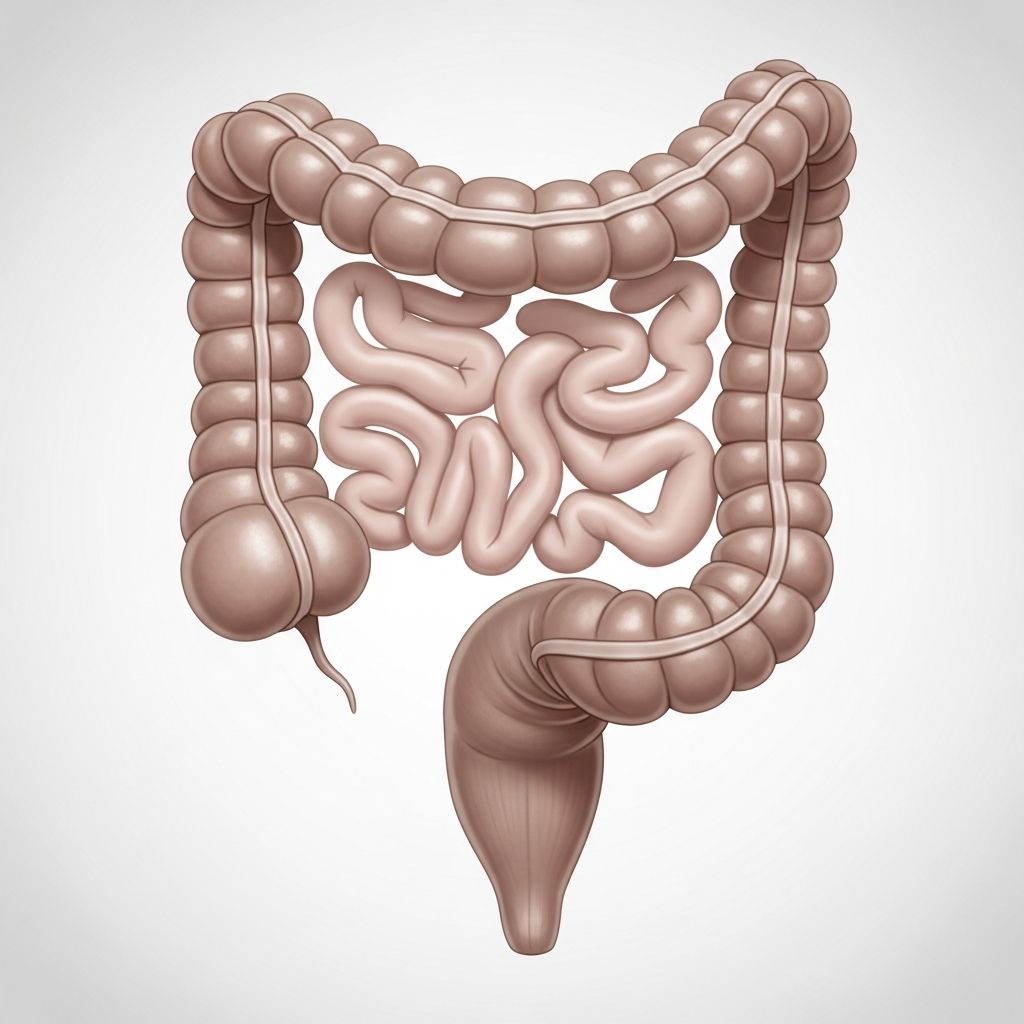
The colon, often referred to as the large intestine (though technically distinct), is a crucial component of the digestive system responsible for absorbing water and electrolytes from indigestible food matter, forming stool, and facilitating waste elimination. Spanning approximately 6 feet (1.8 meters) in length and about 3 inches (8 cm) in diameter, it forms a U-shaped tube looping around the small intestine in the abdominal cavity.
What Is the Colon?
The colon receives partially digested liquid chyme from the small intestine via the ileocecal valve. Its primary role involves processing this material through peristaltic movements, microbial fermentation, and absorption to produce solid feces. Unlike the small intestine, which focuses on nutrient absorption, the colon handles fiber breakdown via its gut microbiome—a diverse community of bacteria, fungi, and archaea that aids digestion, nutrient synthesis, and immune function. In healthy individuals, the colon appears as a segmented tube with haustra (pouches) formed by longitudinal muscle bands called taeniae coli and a vertical seam called the mesentery.
Colon Anatomy
The colon consists of five primary segments: the cecum, ascending colon, transverse colon, descending colon, and sigmoid colon. Each segment contributes uniquely to waste processing and propulsion toward the rectum.
Cecum
The cecum, or proximal right colon, is a pouch-like structure about 2 inches (6 cm) long located in the lower right abdomen. It connects the ileum (end of the small intestine) to the ascending colon via the ileocecal valve, allowing one-way flow of chyme while preventing reflux. The appendix, a 3-4 inch worm-like appendage, attaches here; recent research posits it as a reservoir for beneficial gut bacteria, potentially aiding microbiome recovery after infections.
Ascending Colon
Positioned vertically on the right side of the abdomen, the ascending colon extends 8 inches (20 cm) from the cecum to the hepatic flexure near the liver. It absorbs remaining water and nutrients, compacting waste into a semisolid form, and relies on haustral contractions for mixing.
Transverse Colon
The longest and most mobile segment at 18-20 inches (45-50 cm), the transverse colon spans horizontally from the right (hepatic flexure) to left (splenic flexure) upper abdomen, suspended by the transverse mesocolon. Its key function is further water and salt absorption, with increased motility due to its flexibility.
Descending Colon
This 6-12 inch (15-30 cm) segment descends along the left abdominal wall from the splenic flexure to the sigmoid colon. It primarily stores fecal matter, continuing water absorption and using slower peristalsis to consolidate stool.
Sigmoid Colon
Shaped like an S (about 15 inches or 40 cm long), the sigmoid colon hangs from the descending colon into the pelvis, leading to the rectum. It employs strong contractions to propel stool, absorbs final water and electrolytes, and regulates defecation timing.
Other Important Parts of the Colon
Beyond the main segments, additional structures support colon function. The rectum (5-6 inches or 12-15 cm) stores stool until defecation, triggering the urge when distended; the anal canal (2 inches or 5 cm) features internal (involuntary) and external (voluntary) sphincters for controlled expulsion. Paracolic gutters—peritoneal recesses beside the ascending and descending colons—drain fluid and potential infections, with the right gutter being wider and more clinically significant.
Related Stories



Colon Function
The colon transforms 16 ounces (474 ml) of liquid waste into about 5 ounces (148 ml) of stool daily by absorbing ~90% of remaining water and electrolytes. Gut microbes ferment fibers into short-chain fatty acids (SCFAs) for energy, while haustral churning and mass movements propel contents 1-2 times daily toward elimination. It also synthesizes vitamins (e.g., K, B) and modulates immunity.
Colon Conditions
Numerous disorders affect the colon, ranging from functional to malignant:
- Irritable Bowel Syndrome (IBS): Alters motility, causing pain, bloating, diarrhea, or constipation.
- Inflammatory Bowel Disease (IBD): Includes Crohn’s (any segment) and ulcerative colitis (colon-limited), involving chronic inflammation.
- Diverticular Disease: Pouches (diverticula) in the wall, prone to infection (diverticulitis).
- Colorectal Cancer: Adenomatous polyps progress to malignancy; screening via colonoscopy detects early.
- Colonic Polyps: Benign growths, some precancerous.
- Ischemic Colitis: Reduced blood flow causes inflammation, often in elderly.
Symptoms include abdominal pain, altered bowel habits, blood in stool, unexplained weight loss, or bloating.
When to See a Healthcare Provider
Seek medical attention for persistent changes: rectal bleeding, severe pain, chronic diarrhea/constipation, iron-deficiency anemia, or family history of colorectal cancer. Routine screening colonoscopies start at age 45 (earlier if high-risk). Diagnostic tools include colonoscopy, CT colonography, stool tests, or sigmoidoscopy.
Treatments for Colon Conditions
Treatment varies by diagnosis:
| Condition | Common Treatments |
|---|---|
| IBS | Dietary changes (low-FODMAP), antispasmodics, probiotics, stress management. |
| IBD | Anti-inflammatories (5-ASA), biologics, immunosuppressants, surgery. |
| Diverticulitis | Antibiotics, liquid diet, resection for complications. |
| Colorectal Cancer | Polypectomy, surgery, chemotherapy, radiation. |
| Constipation | Laxatives, fiber supplements, enemas. |
Lifestyle forms the foundation: high-fiber diet, hydration, exercise.
How to Keep Your Colon Healthy
- Consume 25-30g fiber daily from fruits, vegetables, whole grains.
- Stay hydrated (8+ cups water/day).
- Exercise 150 minutes/week to promote motility.
- Avoid smoking and limit alcohol/red/processed meats.
- Undergo regular screenings: colonoscopy every 10 years from age 45.
Frequently Asked Questions
What is the main function of the colon?
The colon absorbs water, electrolytes, and vitamins from waste, forms stool via microbial action, and propels it to the rectum.
How long is the human colon?
Approximately 6 feet (1.8 m) long, varying slightly by individual.
Can you live without your colon?
Yes, via colectomy and ileostomy or J-pouch surgery, though adaptation is required.
What causes colon cancer?
Risk factors include age, genetics (e.g., Lynch syndrome), polyps, IBD, diet, smoking; most preventable via screening.
Does the appendix have a function?
It likely serves as a safe haven for beneficial bacteria, aiding gut recovery.
References
- Colon anatomy: Pictures, features, and function — Medical News Today. 2023-10-12. https://www.medicalnewstoday.com/articles/colon-anatomy
- Large Intestine & Colon: Function, Anatomy & Location — Cleveland Clinic. 2024-09-19. https://my.clevelandclinic.org/health/body/22134-colon-large-intestine
Similar Articles








Read full bio of Sneha Tete