Colon Cancer Symptoms: 11 Warning Signs To Act On
Recognize the early warning signs of colon cancer, from rectal bleeding to unexplained weight loss, to improve outcomes through timely screening.
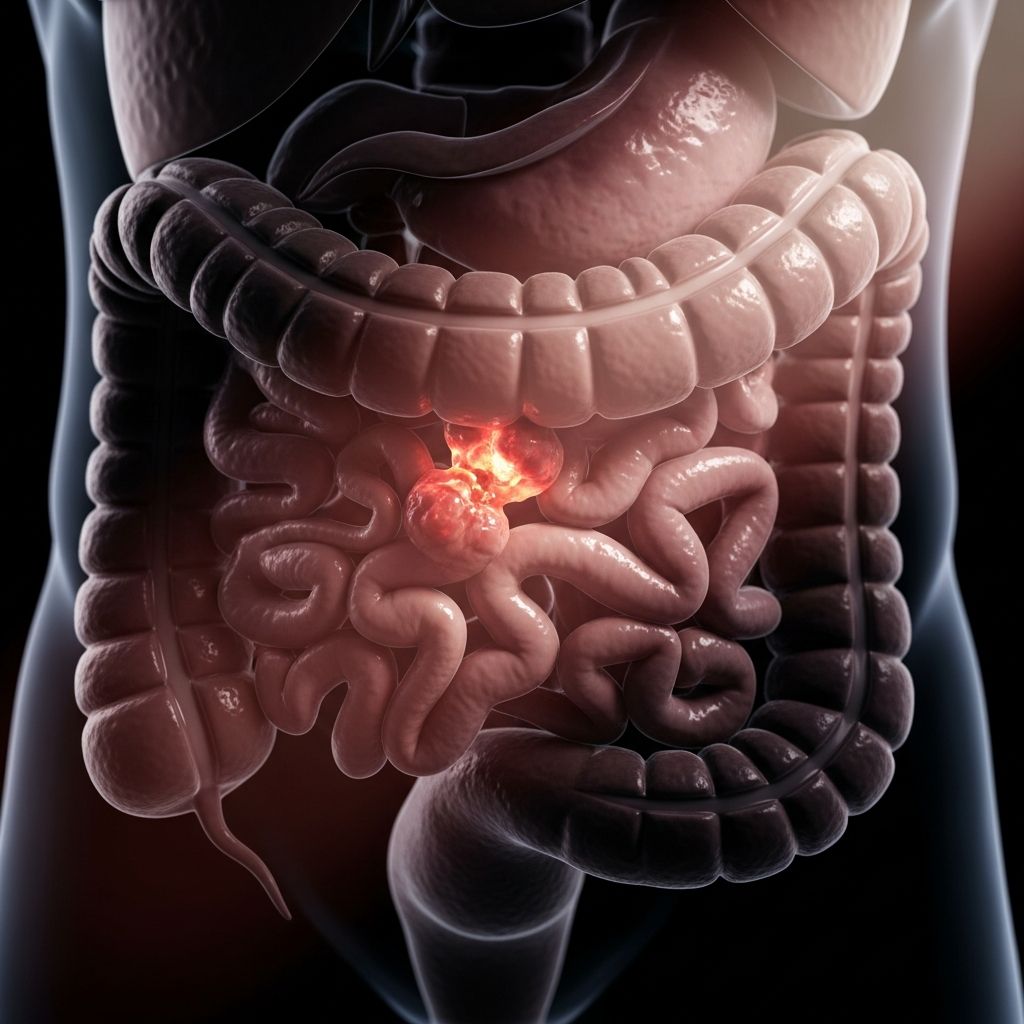
Colon cancer, also known as colorectal cancer, often develops without noticeable symptoms in its early stages, making regular screening crucial for early detection. However, as the disease progresses, various warning signs emerge that should prompt immediate medical attention. Recognizing these symptoms can significantly improve survival rates, especially since colon cancer is increasingly affecting younger adults under 50. This article details the most common symptoms, risk factors, screening guidelines, and when to consult a healthcare provider.
What Are the Most Common Symptoms of Colon Cancer?
Colorectal cancer symptoms can vary widely depending on the tumor’s location, size, and stage. Many people experience no symptoms until the cancer advances, but persistent issues warrant investigation. According to a study of 286 young patients (median age 44), 95% were symptomatic at presentation, with 85% having two or more symptoms. Common presentations include:
- Rectal bleeding or blood in the stool: One of the most frequent signs, reported in 53% of young patients. Bright red or dark blood may appear on toilet paper, in the bowl, or mixed with stool.
- Changes in bowel habits: Seen in 54% of cases, this includes diarrhea, constipation, or a feeling that the bowel doesn’t empty completely. Diarrhea was more common than constipation in young patients.
- Abdominal pain or cramping: The top symptom at 63%, often described as persistent pain, bloating, or discomfort.
- Unexplained weight loss: Occurring in 32% of patients, this accompanies other symptoms and signals advanced disease.
- Fatigue or weakness: Resulting from anemia due to chronic blood loss, leading to tiredness despite rest.
These symptoms overlap with benign conditions like hemorrhoids, IBS, or infections, but their persistence—often over three months—raises red flags. Left-sided tumors (77% in young patients) more commonly cause bleeding and bowel changes, while right-sided ones lead to anemia.
Rectal Bleeding
Bright red blood on stool or toilet paper is alarming and often the first symptom noticed. In colorectal cancer, it stems from tumors irritating the rectal lining. A NIH study found rectal bleeding in 53% of young patients, frequently misattributed to “hemorrhoids”. Unlike hemorrhoids, cancer-related bleeding persists and may darken if from higher in the colon. Seek evaluation if bleeding lasts more than a few days or recurs.
Changes in Bowel Habits
A shift to narrower stools, alternating diarrhea and constipation, or incomplete evacuation affects 54% of cases. Tumors can obstruct the bowel, causing these changes. Cleveland Clinic notes that while temporary issues from diet or illness are common, lasting more than a few weeks requires checking via colonoscopy. Young patients often delay care, with symptoms enduring months.
Abdominal Pain or Cramping
Persistent belly pain, distinct from gas or indigestion, signals tumor growth or obstruction. Reported by 63% in one cohort, it includes pressure or bloating. Pain may worsen after eating or radiate to the back. MD Anderson lists this among top symptoms, urging prompt investigation.
Related Stories



Unexplained Weight Loss
Losing 10 pounds or more without diet or exercise changes indicates cancer in 32% of young cases. This results from the body’s energy diversion to the tumor or reduced appetite. Combined with fatigue, it’s a stage III/IV marker.
Fatigue and Weakness
Chronic iron-deficiency anemia from occult bleeding causes profound tiredness. Patients feel weak despite sleep, often with pallor. This is more common in right-sided cancers.
Feeling Like You Still Need to Poop
An urgent sensation of incomplete emptying, even after bowel movements, arises from rectal tumors pressing on nerves. This tenesmus-like feeling persists and differentiates from typical constipation.
Narrow Stools
Pencil-thin stools suggest a tumor narrowing the colon lumen. Consistent changes over weeks merit endoscopic evaluation.
Bloating or Abdominal Fullness
Gas buildup or distention from partial blockages causes swelling. Over 37% report bloating with pain.
Nausea, Vomiting, or Upper GI Symptoms
Advanced obstruction leads to nausea or vomiting. Upper GI issues like heartburn occur less commonly but were noted.
Anemia
Low red blood cell count from bleeding causes dizziness, shortness of breath, and fatigue, especially in proximal tumors.
Other Symptoms
Less common signs include back pain, fever, urinary issues, or appetite loss, linked to worse prognosis. Over 85% have multiple symptoms lasting ≥3 months.
Colon Cancer Symptoms in Young Adults
Rates are rising in those under 50, now the leading cancer killer for ages 20-49. A PMC study of patients <50 showed similar symptoms to older groups: pain (63%), bowel changes (54%), bleeding (53%), but advanced stages at diagnosis (75% III/IV). Delays stem from dismissal as benign; vigilance is key.
Colon Cancer Stages and Symptoms
Symptoms correlate with progression:
| Stage | Description | Common Symptoms |
|---|---|---|
| Stage 0/I | Cancer confined to inner lining or wall | Often none; detected via screening |
| Stage II | Through colon wall, no nodes | Bleeding, bowel changes |
| Stage III | Lymph node involvement | Pain, weight loss, anemia |
| Stage IV | Metastatic (liver, lungs) | Severe fatigue, obstruction, ascites |
Early stages (0-II) are often asymptomatic; screening prevents progression.
Who’s at Risk for Colon Cancer?
Risk factors include age >45, family history, IBD, polyps, obesity, smoking, diet low in fiber/high in red meat, diabetes, and alcohol. Young cases link to genetics and lifestyle.
Colon Cancer Screening Guidelines
USPSTF recommends screening at 45 for average risk, earlier with symptoms/family history. Tests: colonoscopy (gold standard), stool FIT, Cologuard. Early polyp removal prevents 75% of cases.
Diagnosis: Tests for Colon Cancer
Providers start with history, exam, blood tests (anemia), then colonoscopy, CT, biopsy. Staging guides treatment.
When to See a Doctor
Consult if any symptom persists >2 weeks, especially bleeding, weight loss, or bowel changes. Don’t self-diagnose.
Treatment for Colon Cancer
Depends on stage: surgery, chemo, radiation, immunotherapy. Early detection yields 90% 5-year survival.
Frequently Asked Questions (FAQs)
Are colon cancer symptoms always obvious?
No, early stages are often silent; screening detects them.
Can colon cancer be cured?
Yes, especially if caught early via screening.
Why is colon cancer rising in young people?
Unknown, but symptoms mirror older patients; awareness needed.
Is blood in stool always cancer?
No, but persistent cases require evaluation.
How long do symptoms last before diagnosis?
Often 3+ months in young patients.
References
- Characteristics and Symptomatology of Colorectal Cancer in Young Patients — NIH/PMC. 2023-04-15. https://pmc.ncbi.nlm.nih.gov/articles/PMC10116569/
- Colon Cancer: Symptoms, Causes & Treatment — Cleveland Clinic. 2024-08-20. https://my.clevelandclinic.org/health/diseases/14501-colorectal-colon-cancer
- Warning Signs of Colon Cancer You Should Never Ignore — Leonid Kim MD (YouTube). 2025-02-26. https://www.youtube.com/watch?v=94jFdMhZmZg
- 12 Top Colorectal Cancer Symptoms & Signs — MD Anderson Cancer Center. 2024-11-10. https://www.mdanderson.org/cancer-types/colorectal-cancer/colorectal-cancer-symptoms.html
Similar Articles








Read full bio of medha deb