Colonoscopy Guide: Prep, Procedure, Recovery & Risks
Comprehensive guide to colonoscopy: preparation, procedure, recovery, and why it's essential for colon health and cancer prevention.
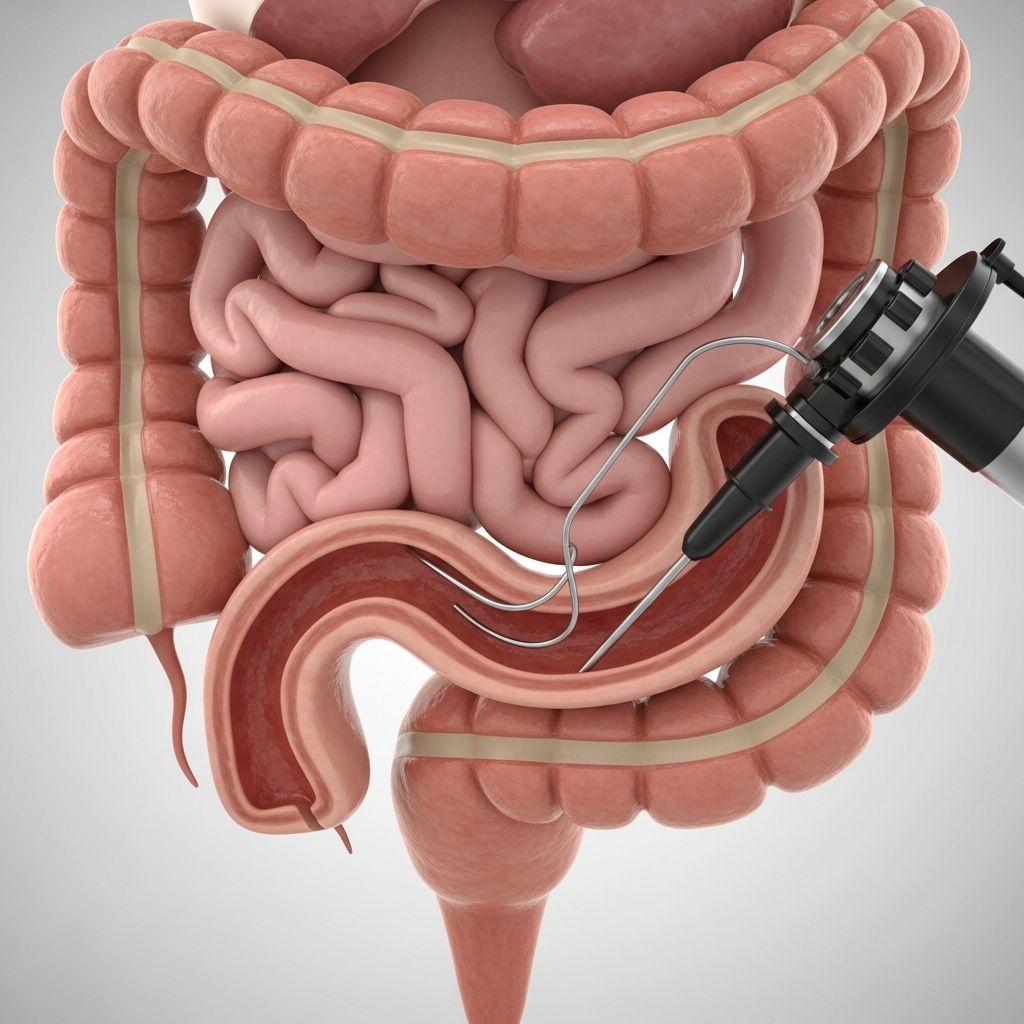
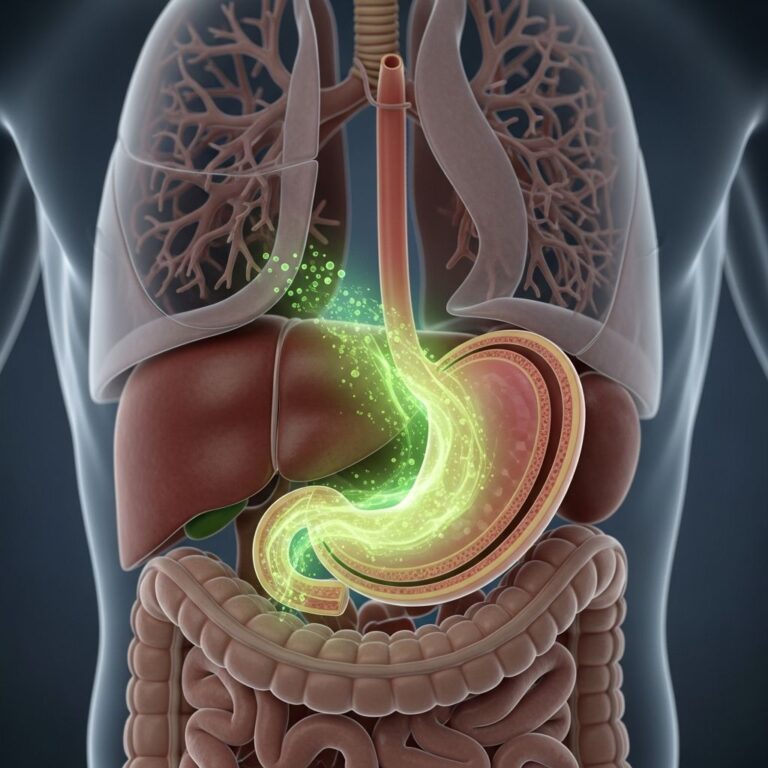
A colonoscopy is a vital diagnostic tool that allows healthcare providers to visually inspect the inner lining of the colon and rectum using a flexible tube equipped with a camera. This procedure plays a crucial role in detecting abnormalities, preventing colorectal cancer through polyp removal, and investigating digestive symptoms.
Understanding the Purpose of a Colonoscopy
Healthcare professionals recommend colonoscopies for several key reasons. Primarily, it serves as a frontline screening method for colorectal cancer, which remains one of the most common cancers worldwide. By identifying and removing precancerous polyps during the exam, the procedure can significantly lower cancer risk. Additionally, it helps diagnose conditions causing symptoms like rectal bleeding, persistent abdominal pain, unexplained weight loss, or changes in bowel habits such as chronic diarrhea or constipation.
Beyond screening, colonoscopies monitor inflammatory bowel diseases like Crohn’s disease or ulcerative colitis, track the progression of diverticular disease, and evaluate anemia potentially linked to gastrointestinal bleeding. For individuals with a family history of colorectal issues or certain genetic predispositions, regular colonoscopies start earlier and occur more frequently.
Who Should Consider This Procedure?
Screening guidelines vary by organization but generally advise starting at age 45 for average-risk adults, or earlier for those with elevated risks. The U.S. National Institute of Diabetes and Digestive and Kidney Diseases (NIDDK) emphasizes its use for people over 45, with follow-ups every 10 years if results are normal. High-risk groups, including those with polyps history or family cancer cases, may need exams every 3-5 years.
- Average-risk individuals: Begin at 45, repeat every 10 years.
- Family history of colorectal cancer: Start at 40 or 10 years before relative’s diagnosis.
- Personal history of polyps: Follow-up in 3-5 years based on polyp type.
- Inflammatory bowel disease patients: Annually or as advised.
Consult a gastroenterologist to personalize scheduling based on health profile.
Preparing for Your Colonoscopy
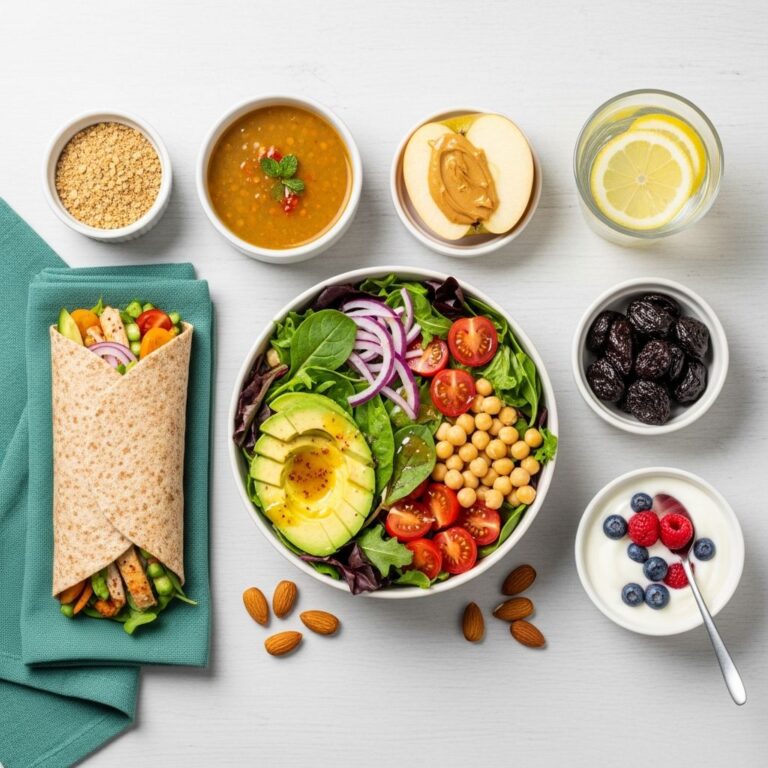
Effective preparation ensures clear visualization of the colon, which is critical for accuracy. This involves a low-residue diet days before, followed by a liquid-only phase, and bowel-cleansing laxatives.
Dietary Adjustments
Typically, start with clear liquids 24-48 hours prior: broth, clear juices (no pulp), tea, coffee (black), sports drinks, and gelatin. Avoid red or purple dyes, dairy, solids, and alcohol. The day before, consume only approved liquids and take prescribed laxatives like polyethylene glycol solutions or sodium phosphate tablets.
Bowel Cleansing Regimen
Laxatives induce diarrhea to empty the colon. Split-dose regimens—half the night before, half morning of—are common for better tolerance and efficacy. Drink plenty of water to stay hydrated. Expect frequent bathroom visits; stay near facilities.
| Prep Timeline | Actions |
|---|---|
| 3-5 days before | Low-fiber diet: avoid nuts, seeds, raw veggies, whole grains. |
| 1 day before | Clear liquids only; start laxative at specified time. |
| Evening before | Continue laxative; output should be clear yellow. |
| Day of | Second laxative dose if split; nothing by mouth after midnight except meds. |
Inform your doctor of medications; adjust blood thinners, diabetes drugs, or iron supplements as directed. Arrange transportation since sedation impairs driving.
Related Stories



Step-by-Step: What Occurs During the Procedure
Performed in an outpatient setting by a gastroenterologist or colorectal surgeon, the exam lasts 30-60 minutes. You’ll receive sedation via IV for comfort, monitoring vital signs throughout.
- Positioning: Lie on your left side, knees drawn up.
- Insertion: Lubricated colonoscope enters through the anus into rectum and advances to cecum, sometimes terminal ileum.
- Inflation: Air or CO2 expands colon for better views; camera transmits live video.
- Examination: Doctor maneuvers scope, repositions patient if needed, inspecting for polyps, inflammation, ulcers, or tumors.
- Interventions: Polyps snared and removed via polypectomy (wire loop with electric current); biopsies taken painlessly.
- Withdrawal: Slow pull-back allows second review; procedure ends.
You may feel pressure or bloating but no sharp pain due to sedation. Rare full anesthesia used for complex cases.
Immediate Aftercare and Recovery
Recovery in a monitored area lasts 30-60 minutes as sedation wears off. Expect mild cramping, gas, or bloating from air insufflation—walking helps expel it. Resume light activities same day; avoid heavy lifting for 24-48 hours.
- Diet: Start with clear liquids, progress to soft foods.
- Medications: Resume as instructed; bleeding risk if polyps removed.
- Driving: No operating vehicles for 24 hours.
- Results: Mostly immediate verbal; biopsy results in days.
Contact provider for fever, severe pain, heavy bleeding, or vomiting.
Potential Risks and Complications
Colonoscopy is safe, with serious complications under 0.5%. Common minor issues: bloating, minor bleeding post-polyp removal. Rare risks include perforation (tear in colon wall, ~1/1,000), sedation reactions, or infection. Perforation may require surgery; risk higher with interventions.
Adverse events more likely in frail elderly, those with bowel obstruction history, or severe constipation. Discuss personal risks beforehand.
Benefits Outweighing the Drawbacks
The procedure’s polyp removal capability prevents up to 90% of colorectal cancers attributable to polyps, per studies. Early detection boosts survival rates dramatically. Compared to stool tests or virtual CT colonography, it offers direct visualization and treatment in one visit.
Alternatives to Traditional Colonoscopy
- Stool-based tests: Fecal immunochemical test (FIT) or occult blood detects blood; positive prompts colonoscopy.
- CT colonography: Non-invasive scan; misses small polyps, requires follow-up colonoscopy for positives.
- Sigmoidoscopy: Examines lower colon only; less comprehensive.
- Capsule endoscopy: Pill camera for small bowel, not standard for colon.
Colonoscopy remains gold standard for full exam and intervention.
Frequently Asked Questions (FAQs)
Does colonoscopy hurt?
With sedation, most feel no pain, only mild pressure. Rare cramping occurs.
How long does prep take?
Bowel cleansing starts evening before, peaks overnight; clear output signals readiness.
Can I work after?
Take the day off; fatigue from sedation common.
What if polyps are found?
Removed safely; sent for cancer check. Most benign.
Is sedation mandatory?
Optional but recommended; unsedated possible for some.
Empowering Your Colon Health Journey
Regular screening via colonoscopy transforms colon health management. By understanding prep, procedure, and recovery, patients approach it confidently. Schedule based on guidelines; early action saves lives.
References
- Colonoscopy Procedure: What Happens and How to Prep — WebMD. 2023. https://www.webmd.com/colorectal-cancer/colonoscopy-what-you-need-to-know
- Colonoscopy – NIDDK — National Institute of Diabetes and Digestive and Kidney Diseases (NIH). 2024-05-01. https://www.niddk.nih.gov/health-information/diagnostic-tests/colonoscopy
- Colonoscopy — American Cancer Society. 2024. https://www.cancer.org/cancer/diagnosis-staging/tests/endoscopy/colonoscopy.html
- Colonoscopy — Mayo Clinic. 2024-09-12. https://www.mayoclinic.org/tests-procedures/colonoscopy/about/pac-20393569
- What happens during and after a colonoscopy? — Cleveland Clinic (YouTube transcript). 2022. https://www.youtube.com/watch?v=mh90RPA-C10
- Colonoscopy: Prep & Procedure Details — Cleveland Clinic. 2024. https://my.clevelandclinic.org/health/diagnostics/4949-colonoscopy
Similar Articles








Read full bio of Sneha Tete