Colonoscopy: Complete Guide to Prep & Procedure
Understanding colonoscopy: preparation, procedure details, and what to expect during this vital screening test.
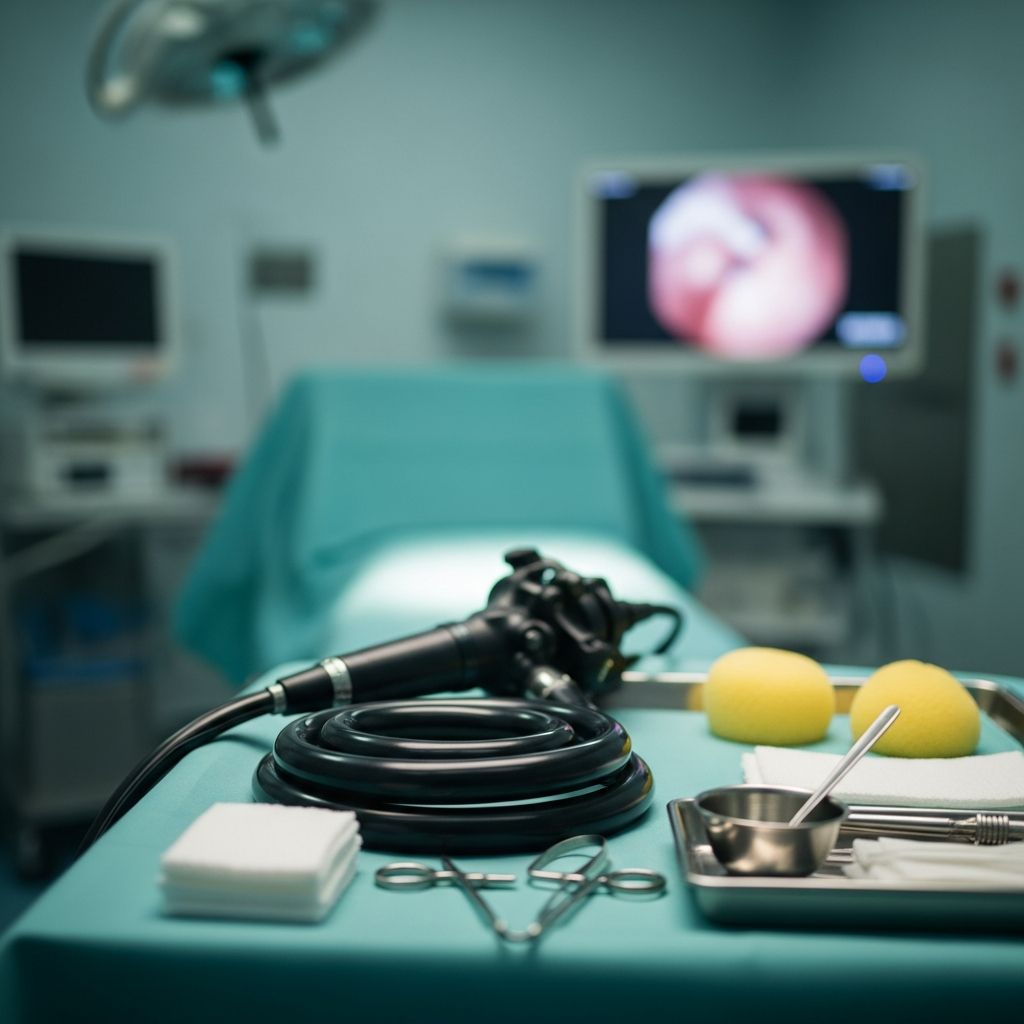
A colonoscopy is an examination of the inside of your large intestine, also known as the colon and rectum. This outpatient procedure uses a long, flexible instrument called a colonoscope, which is approximately one-half inch in diameter, to visualize the lining of your colon. Colonoscopies are instrumental in diagnosing various gastrointestinal diseases and conditions, making them an essential tool in modern healthcare.
Why You Need a Colonoscopy
A colonoscopy serves multiple important purposes in healthcare. The procedure is commonly used to evaluate gastrointestinal symptoms such as rectal and intestinal bleeding, abdominal pain, and changes in bowel habits. Additionally, colonoscopies are performed in individuals without symptoms to screen for colorectal polyps or cancer. A screening colonoscopy is recommended for anyone 50 years of age and older, and for anyone with a family history of colorectal cancer or polyps in parents, siblings, or children. The procedure allows accurate diagnosis and treatment of colorectal problems without the need for major surgical operations in many cases.
Preparing for Your Colonoscopy
The Importance of Bowel Preparation
To have a successful colonoscopy, your bowel must be completely empty so that your doctor can clearly view the colon. This is absolutely critical for the procedure’s success. If your bowel is not adequately prepared, your colonoscopy will not be successful and may need to be repeated. It is very important that you read and follow all instructions given by your healthcare provider well in advance of your procedure.
Dietary Guidelines Before Your Procedure
You’ll begin by adjusting your diet a few days ahead of your colonoscopy. Typically, you’ll eat a low-fiber diet for two or three days, followed by a clear liquid diet on the last day before your appointment. The low-fiber diet helps reduce the amount of stool in your intestines, making the bowel preparation process more effective. During the clear liquid phase, you should avoid solid foods entirely.
Bowel Preparation Medications
The afternoon or evening before your colonoscopy, you’ll take a laxative formula to purge your bowels completely. You’ll spend the next several hours in and out of the bathroom as the medication works to clear out all bowel contents. Common bowel preparation options include polyethylene glycol solutions (such as Golytely, Nulytely, Trilyte, or Colyte), Clenpiq, MiraLAX combined with Gatorade, or a two-day bowel prep involving magnesium citrate, Dulcolax, and polyethylene glycol solutions. Your healthcare provider will prescribe the specific bowel preparation kit that’s best for your situation.
Night Before Your Appointment
After completing your bowel preparation, make yourself comfortable and get a good night’s sleep. Your colonoscopy will usually occur the following morning. Ensure you have all necessary supplies and medications prepared at least five days before your scheduled procedure to avoid last-minute complications.
Day of Your Colonoscopy
Transportation Requirements
You must bring someone with you to your appointment who can drive you home. Since it takes a full day for anesthesia to completely wear off, most healthcare facilities won’t check you in for your colonoscopy unless you have a responsible driver with you. Your driver will be at the facility for approximately two hours total. This is a critical requirement, and if you don’t have a responsible driver available, your exam will be cancelled. You are not allowed to drive a vehicle or operate any type of transportation after your procedure for the rest of the day.
Related Stories



Check-In and Preparation
After check-in, a healthcare provider will lead you to a room where you can change into a hospital gown. A nurse will install an intravenous (IV) line into your arm to begin delivering sedatives and pain medication to your bloodstream. This ensures you receive proper medication throughout the procedure and helps you remain comfortable.
Anesthesia Options
You have options when it comes to anesthesia for your colonoscopy. You can choose general anesthesia, which is a controlled loss of consciousness similar to sleeping, or conscious sedation, which is a depression of awareness where you might fall asleep or stay awake, but in either case, you probably won’t remember much afterward. You’ll discuss your options for anesthesia with a healthcare provider in advance of your procedure, so you’ll know exactly what to expect on the day of your colonoscopy. Your healthcare provider will help you select the right type of anesthesia for your body and specific needs, taking into account your medical history and personal preferences.
The Colonoscopy Procedure
Timeline and Process
The actual colonoscopy procedure follows a specific timeline. It takes approximately 15 minutes to advance the colonoscope through your large intestine to the end, and another 15 minutes to bring it back out the way it came. In this way, your doctor examines your entire large intestine twice, ensuring thorough visualization of all areas. If your doctor finds something during the process that needs to be removed or treated, this will add extra time to the procedure.
Polyp Management
Colon polyps are common findings during colonoscopies, appearing in approximately 30% of routine colonoscopies. Although most polyps are benign and non-cancerous, it is standard procedure to remove them during the colonoscopy since they have the potential to develop into cancer over time. The removal of polyps may add another 15 minutes or more to your procedure time. The good news is that removing polyps during the colonoscopy eliminates the need for additional procedures and provides significant preventive benefits.
Recovery and Results
Post-Procedure Recovery
You’ll spend the first hour after your procedure recovering in the healthcare center. This recovery time allows you to wake up from the anesthesia and regain full consciousness. Your healthcare team will continue to monitor your vital signs and watch for any signs of complications during this period. When you’re fully awake, your gastroenterologist will go over what they found during the exam and any procedures they performed, such as polyp removal or tissue biopsies.
Getting Your Results
You’ll receive a formal report of your colonoscopy results by mail or electronically. If your doctor took tissue samples for biopsy analysis, you’ll get those test results a little later, as they require laboratory processing time. The detailed report will include findings, recommendations for follow-up care if needed, and information about any polyps that were removed.
Important Considerations
Following Instructions Precisely
Following your gastroenterologist’s instructions on how to prepare for your exam is absolutely critical. Having a clear colon makes it significantly easier for your doctor to detect polyps and other abnormalities. If you’re a Cleveland Clinic patient or receive care at any major medical facility, you must follow the instructions for bowel preparation exactly as prescribed, or your colonoscopy may be cancelled. Be sure to ask your healthcare provider any questions you have about your specific bowel preparation instructions before you begin.
Hiring a Driver
If you don’t have a family member or friend available to drive you, you can hire a professional driver, but only under specific conditions. An adult escort must be present with you at check-in, must remain in the endoscopy area until you’re discharged, and must take the hired ride home with you. You cannot leave the facility alone under any circumstances following your procedure.
Frequently Asked Questions
Q: How long does a colonoscopy procedure take?
A: The procedure typically lasts from 30 minutes to 1 hour, depending on findings. Insertion and withdrawal of the colonoscope usually takes about 30 minutes total, but if polyps need to be removed or biopsies taken, the procedure may take longer.
Q: Will I feel pain during the colonoscopy?
A: With proper sedation, you should not experience significant pain during the procedure. You may feel mild pressure or sensation, but the anesthesia and pain medication administered through your IV will keep you comfortable.
Q: Can I eat or drink after my colonoscopy?
A: You should wait until the anesthesia has completely worn off before eating or drinking. Your healthcare team will advise you when it’s safe to resume normal food and beverage intake, typically after your recovery period.
Q: What should I do if I have side effects after my colonoscopy?
A: Mild bloating or gas is normal after a colonoscopy. However, if you experience severe abdominal pain, fever, or rectal bleeding, contact your healthcare provider immediately.
Q: How often do I need a colonoscopy?
A: If your colonoscopy is normal and you have no polyps, you typically need screening every 10 years. If polyps are found and removed, your doctor may recommend follow-up colonoscopies sooner, typically within 3 to 5 years depending on the type and number of polyps.
Q: Can I drive myself home after the procedure?
A: No, you cannot drive yourself home. You must have a responsible adult drive you home, as anesthesia effects can last throughout the day and impair your ability to operate vehicles safely.
Q: What if I can’t complete my bowel preparation?
A: Contact your healthcare provider immediately. If your bowel isn’t adequately prepared, your colonoscopy may be cancelled and rescheduled. Following the preparation instructions exactly is essential for a successful procedure.
Conclusion
A colonoscopy is an important screening and diagnostic tool that plays a vital role in maintaining gastrointestinal health and detecting colorectal problems early. While the preparation process requires commitment and following specific instructions, the benefits of early detection and prevention of colorectal cancer are substantial. By understanding what to expect before, during, and after your colonoscopy, you can approach your appointment with confidence. Work closely with your healthcare provider to ensure proper preparation, and don’t hesitate to ask questions about any aspect of the procedure. Your healthcare team is there to support you and ensure the best possible outcome for your colonoscopy screening.
References
- Colonoscopy: Prep & Procedure Details — Cleveland Clinic. 2024. https://my.clevelandclinic.org/health/diagnostics/4949-colonoscopy
- Colonoscopy Procedure — Cleveland Clinic Abu Dhabi. 2024. https://www.clevelandclinicabudhabi.ae/en/health-hub/health-resource/treatments-and-procedures/colonoscopy-procedure
- Preparing for Your Colonoscopy: Types of Kits & Instructions — Cleveland Clinic. 2024. https://my.clevelandclinic.org/health/treatments/22657-colonoscopy-bowel-preparation
- Colonoscopy Bowel Preparation Using MiraLAX & Gatorade — Cleveland Clinic. 2024. https://my.clevelandclinic.org/health/articles/21217-miralax-gatorade-bowel-preparation-instructions
- Two-Day Bowel Prep for Colonoscopy Instructions — Cleveland Clinic. 2024. https://my.clevelandclinic.org/health/articles/two-day-bowel-preparation-instructions
- Clenpiq Bowel Preparation Instructions — Cleveland Clinic. 2024. https://my.clevelandclinic.org/health/articles/21218-clenpiq-bowel-preparation-instructions
Similar Articles








Read full bio of Sneha Tete