Colonoscopy: What To Expect, Prep, 5 Risks Explained
Everything you need to know about colonoscopy: preparation, procedure, risks, recovery, and why it's essential for colorectal cancer screening.
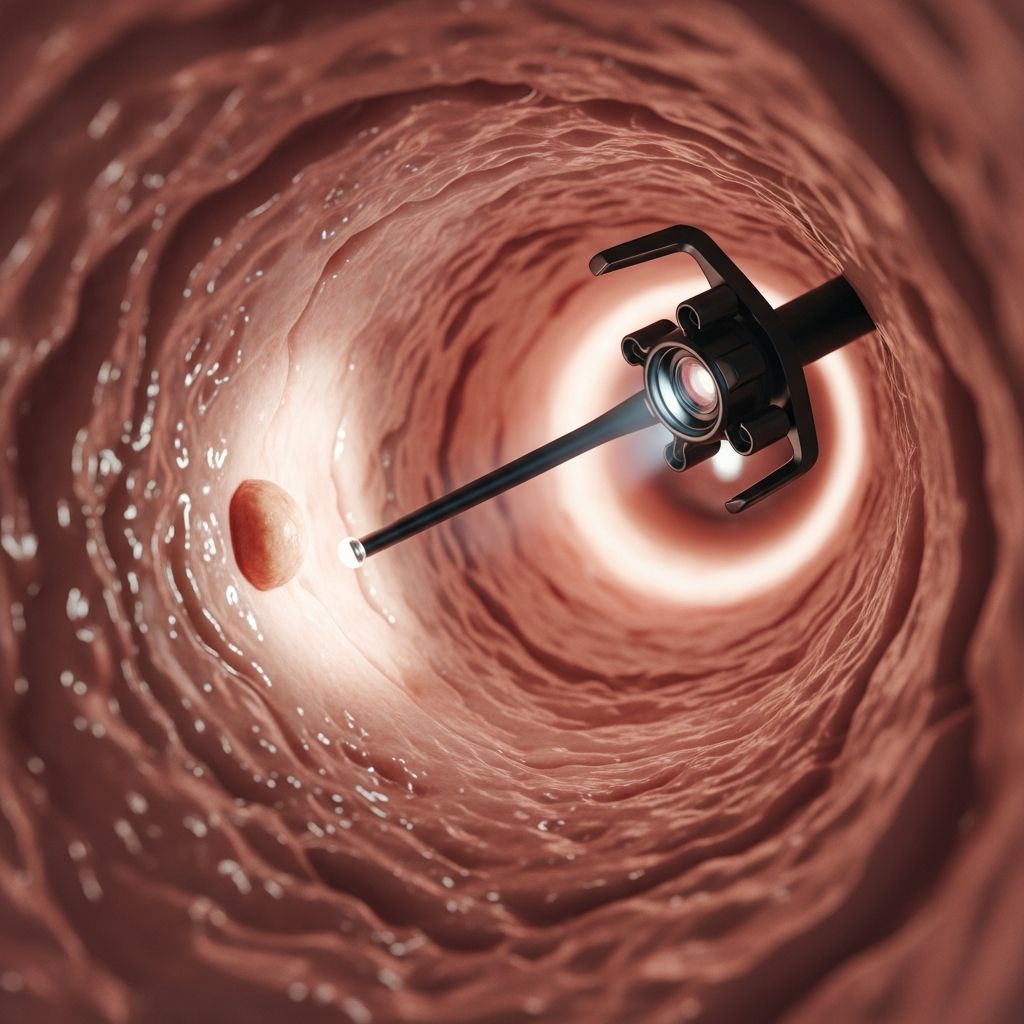
A colonoscopy is a vital medical procedure that allows doctors to examine the inside of your colon and rectum using a flexible tube with a camera, helping detect issues like polyps, cancer, and gastrointestinal symptoms early.
What Is a Colonoscopy?
A
colonoscopy
is a diagnostic and therapeutic procedure where a gastroenterologist uses a colonoscope—a long, flexible tube equipped with a light and camera—to visually inspect the entire colon (large intestine) and rectum. This exam is crucial for identifying abnormalities such as polyps (precancerous growths), inflammation, bleeding sources, and early-stage colorectal cancer. The procedure not only diagnoses conditions but also allows interventions like polyp removal (polypectomy) or tissue biopsies during the same session.In the United States, colorectal cancer is the third most common cancer and the second leading cause of cancer deaths, making colonoscopy the gold standard for screening and prevention. By removing precancerous polyps, it can prevent cancer development altogether. Unlike other screening methods like stool tests or CT colonography, colonoscopy provides direct visualization and immediate treatment, offering superior sensitivity and specificity.
Why Do You Need a Colonoscopy?
Colonoscopies serve both screening and diagnostic purposes. For
screening
, the U.S. Preventive Services Task Force recommends it every 10 years for adults aged 45-75 at average risk, as early detection dramatically improves outcomes. High-risk individuals—those with a family history of colon cancer or polyps, personal history of inflammatory bowel disease, or symptoms—may need it more frequently.**Diagnostic indications** include:
- Rectal bleeding or blood in stool
- Chronic diarrhea or constipation
- Unexplained abdominal pain
- Changes in bowel habits
- Unexplained weight loss
- Anemia, possibly from gastrointestinal bleeding
Therapeutically, it’s used for polyp removal, treating bleeding lesions, dilating strictures, and monitoring conditions like ulcerative colitis or diverticular disease. Skipping it can be risky; studies show colonoscopy reduces colorectal cancer risk by 31% and mortality by 50% compared to no screening.
Who Should Get a Colonoscopy?
Guidelines have lowered the screening start age to
45
for average-risk adults due to rising colorectal cancer rates in younger people. You should definitely consider it if:- You’re 45 or older with no symptoms
- You have a first-degree relative with colon cancer or polyps (start 10 years before their diagnosis age or at 40)
- You experience symptoms like rectal bleeding or persistent bowel changes
- You have a history of polyps, IBD, or radiation to the abdomen
Medicare covers screening colonoscopies every 10 years for average risk or every 2 years for high risk, with potential copays for interventions like polyp removal. Private insurance often follows similar guidelines.
How to Prepare for a Colonoscopy
Preparation, or “**colon prep**,” is critical for a clear view of the colon lining. An unclean colon can miss polyps or cancer, reducing effectiveness. Start 1-2 days before with a
low-residue diet
(avoid nuts, seeds, raw veggies, popcorn), then switch to clear liquids (broth, Jell-O, sports drinks—no red/purple dyes) the day before.The main step is taking
laxatives
(bowel prep solution) to empty the colon. Common regimens:| Prep Type | Description | Timing |
|---|---|---|
| Split-Dose | Half the night before, half morning of procedure | Most effective, recommended |
| Day-Before | Full dose evening prior | Alternative if split not feasible |
| Pills/Tablets | Sodium phosphate pills with clear liquids | Easier to swallow |
Related Stories



Expect frequent, clear bowel movements (like urine color) signaling success. Stop drinking 2-4 hours before arrival. Arrange a ride home due to sedation. Discuss medications (e.g., blood thinners) with your doctor; you may pause iron, aspirin, or diabetes meds.
What Happens During a Colonoscopy?
Performed outpatient in 30-60 minutes, you’ll receive
sedation
(moderate via IV—propofol or midazolam/fentanyl) for comfort, though some opt for unsedated. Steps include:- Lie on your side; monitor vitals attached.
- Colonoscope lubricated and inserted via rectum.
- Gently advanced to cecum (colon end), confirmed by photos of landmarks like appendix orifice.
- Air/CO2 insufflated to expand colon; mucosa inspected during slow
withdrawal
(minimum 6-9 minutes for thoroughness). - Biopsies or polypectomy if needed using snares/forceps.
- Scope withdrawn; rectal retroflexion checks anus/rectum.
You’ll feel pressure or cramping, but sedation minimizes discomfort. Complications are rare (<0.5%).
Risks and Complications of Colonoscopy
Overall safe, but risks include:
- Perforation (tear in colon wall): 1 in 1,000-2,000; higher with polyps/diverticula.
- Bleeding: Post-polypectomy (1-2%), usually self-resolves.
- Sedation reactions: Breathing issues, allergic (rare).
- Infection: Minimal, scope sterilized.
- Missed lesions: Up to 20% if rushed prep/inspection poor.
U.S. standards exceed European (e.g., higher adenoma detection >25-39%). Report severe pain, fever, heavy bleeding post-procedure.
Recovery After a Colonoscopy
Recovery room monitoring 30-60 minutes until sedation wears off. Expect:
- Bloating/gas from air (walks it off).
- Light spotting if polyps removed.
- No driving 24 hours; light diet first, resume normal.
Results: Normal = rescreen 10 years; polyps = 3-5 years. Cancer found = immediate treatment. Full recovery by next day; 40% have precancerous polyps removed preventively.
Colonoscopy vs. Other Colorectal Cancer Screenings
| Method | Frequency | Pros | Cons |
|---|---|---|---|
| Colonoscopy | Every 10 years | Gold standard; prevents cancer via removal | Invasive, prep required |
| Stool Tests (FIT/gFOBT) | Yearly | Non-invasive | Detects, doesn’t prevent; follow-up scope |
| Cologuard (DNA stool) | Every 3 years | At-home | False positives; needs confirmation |
| CT Colonography | Every 5 years | No scope | Radiation, no removal |
Colonoscopy remains top for prevention.
Frequently Asked Questions (FAQs)
Does a colonoscopy hurt?
With sedation, most feel no pain—only mild pressure. Unsated is possible but crampy.
How long does colonoscopy prep take?
4-8 hours of active purging; start evening prior.
When should I start colonoscopies?
Age 45 for average risk; earlier if family history.
What if polyps are found?
Removed safely; follow-up based on number/size.
Can I go to work after?
Take next day off; resume normal activities after 24 hours.
Is colonoscopy covered by insurance?
Yes, screening often 100%; copays for diagnostics/interventions.
References
- Colonoscopy: Purpose, prep, and procedure — Medical News Today. 2023-10-12. https://www.medicalnewstoday.com/articles/colonoscopy
- Colonoscopy – StatPearls — NCBI Bookshelf / NIH. 2023-07-17. https://www.ncbi.nlm.nih.gov/books/NBK559274/
- You Shouldn’t Skip Your Colonoscopy. Here’s Why — Orlando Health. 2022-11-14. https://www.orlandohealth.com/content-hub/you-shouldnt-skip-your-colonoscopy-heres-why
- Q&A: Why getting a colonoscopy is so important — HonorHealth. 2023-01-01. https://www.honorhealth.com/healthy-living/qa-why-getting-colonoscopy-so-important
- Colorectal Cancer Screening: Colonoscopy – The Prep — Washington Health. 2024-02-01. https://www.washingtonhealth.com/news/2024/february/colorectal-cancer-screening-colonoscopy-the-prep/
- Have a Colonoscopy Coming Up? Here’s How to Prepare — Network Health. 2022-03-01. https://networkhealth.com/grow-in-the-know/2022/03/common-preparations-colonoscopy
Similar Articles








Read full bio of medha deb