Color Blindness: 3 Types, Causes, Diagnosis, Treatment
Discover the science behind color vision deficiency, from genetic roots to acquired forms, and strategies for daily living.
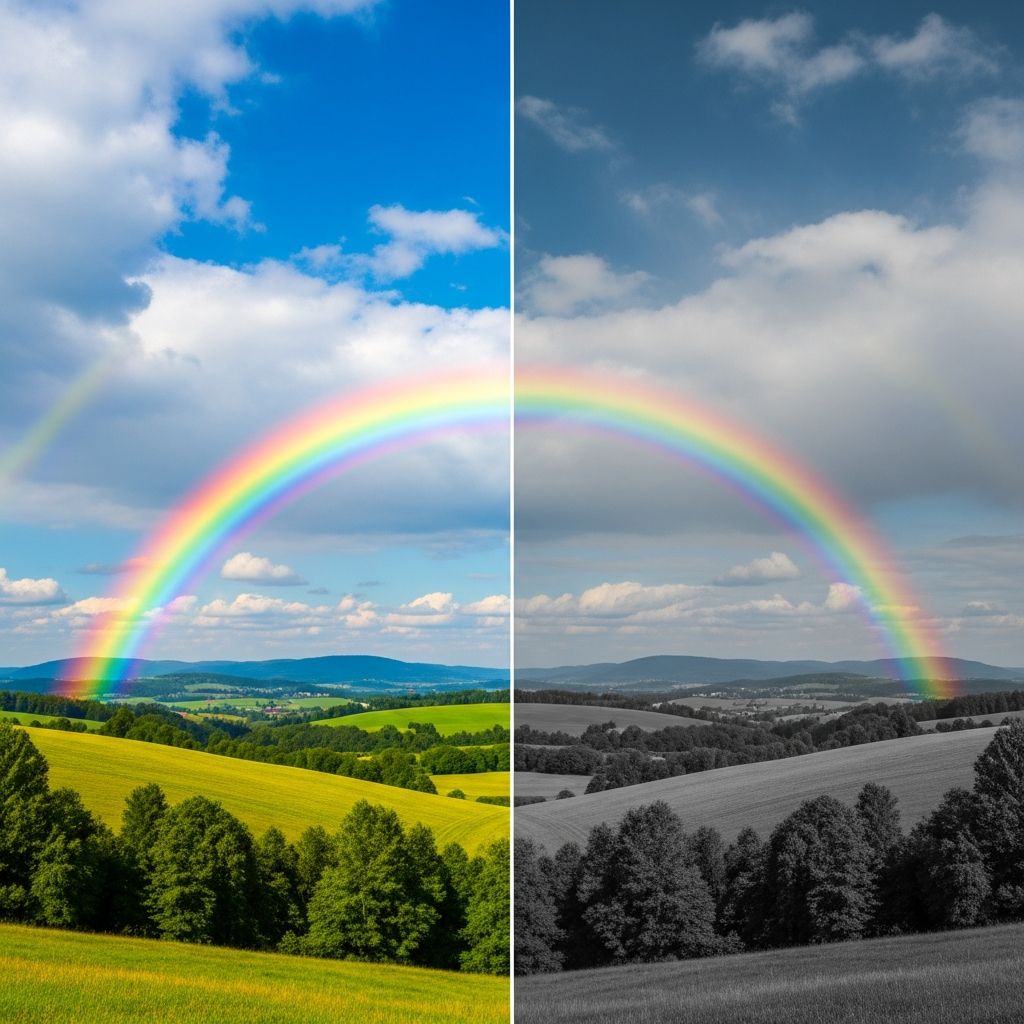
Color blindness, medically termed color vision deficiency, affects how individuals perceive hues and shades in their surroundings. This condition arises when the eye’s light-sensitive cells fail to distinguish specific wavelengths of light accurately, leading to challenges in identifying certain colors. While not complete blindness to color, it significantly alters visual experiences for millions worldwide.
The Science of Color Perception
Human color vision relies on specialized cells in the retina called cones. These cones contain photopigments sensitive to different light wavelengths: short (blue), medium (green), and long (red). Normal trichromatic vision combines signals from these cones to produce a full spectrum of colors. Disruptions in cone function or number result in deficiency, where the brain receives incomplete or altered color information.
Most people with normal vision possess all three cone types functioning optimally. In deficiency cases, one or more cone types may be absent, reduced in sensitivity, or malfunctioning, compressing the visible color range. This biological foundation explains why deficiencies manifest as confusion between similar hues rather than total color absence.
Primary Types of Color Vision Deficiency
Deficiencies classify by affected cones and severity. The spectrum ranges from mild anomalies, where subtle shade differences challenge perception, to severe monochromacy, involving minimal color detection.
- Red-Green Deficiency: Most prevalent, impacting about 8% of males and 0.5% of females. Subtypes include protan (red cone issues) and deutan (green cone issues), causing reds and greens to blend.
- Blue-Yellow Deficiency: Rarer, affecting tritan cones equally in both sexes. Blues and yellows appear indistinct, often with greenish tinges.
- Total Color Blindness (Achromatopsia): Extremely rare, where only rod cells function for grayscale vision, accompanied by light sensitivity and poor acuity.
These categories highlight genetic predispositions, with red-green linked to X-chromosome mutations.
Genetic Origins: Why It Runs in Families
Inherited deficiencies stem primarily from X-linked recessive genes. Males (XY chromosomes) express the trait if inheriting the mutated gene from their mother, as they lack a second X to compensate. Females (XX) require mutations on both chromosomes, making them carriers more often than affected.
Red-green types trace to opsin gene mutations on the X chromosome, altering photopigment structure. Less common blue-yellow forms involve autosomal chromosomes, explaining equal gender impact. Family history significantly raises risk; genetic counseling can map inheritance patterns.
| Type | Genetic Basis | Prevalence | Affected Genders |
|---|---|---|---|
| Red-Green (Protan/Deutan) | X-linked recessive | 8% males, 0.5% females | Primarily males |
| Blue-Yellow (Tritan) | Autosomal dominant | Rare (<0.01%) | Equal |
| Achromatopsia | Autosomal recessive | Very rare | Equal |
This table summarizes key distinctions, underscoring genetic variance.
Acquired Causes Beyond Genetics
Not all deficiencies are congenital; acquired forms develop later from disease, injury, or environmental factors. Eye diseases like glaucoma damage optic nerves, impairing blue-yellow discrimination. Age-related macular degeneration dulls central vision colors by affecting macular cones.
Related Stories



Diabetes induces macular edema, swelling color-sensitive retina areas and fading perceptions. Neurological conditions such as Alzheimer’s, Parkinson’s, or multiple sclerosis disrupt visual processing pathways, often desaturating reds. Cataracts yellow lens filtering, muting blues until surgically removed.
Medications including hydroxychloroquine (for arthritis), sildenafil (erectile dysfunction), and ethambutol (tuberculosis) temporarily or permanently alter vision. Chemical exposures like fertilizers or styrene, chronic alcoholism, and aging-related retinal changes contribute. Trauma to eyes or brain visual centers can induce sudden onset.
- Eye-related: Cataracts, glaucoma, diabetic retinopathy, AMD.
- Neurological: MS, Alzheimer’s, Parkinson’s.
- Other: Medications, chemicals, injury, aging.
Recognizing Symptoms in Daily Life
Symptoms vary by type and severity but commonly include difficulty differentiating reds/greens (e.g., confusing ripe vs. unripe fruit), trouble with color-coded maps or signals, and subtle shade insensitivity. Children might avoid colored toys or struggle with picture books; adults face challenges in professions like design or piloting.
In blue-yellow cases, neon signs or sky-ocean distinctions blur. Severe forms add photophobia and nystagmus. Self-tests reveal issues, but professional evaluation confirms. Impacts extend to safety (traffic lights) and emotions (missing sunset vibrancy).
How Specialists Diagnose Color Vision Issues
Optometrists or ophthalmologists use standardized tests. Ishihara plates—dot patterns embedding numbers visible only to normal vision—detect red-green deficiencies reliably. Anomaloscope matches colors for precise typing. Farnsworth-Munsell 100 Hue Test assesses full spectrum arrangement.
Advanced tools like electroretinography measure cone responses electrically. Genetic testing identifies mutations for inherited cases. Routine screenings during school or occupational exams catch issues early.
Living Well with Color Vision Deficiency
No cure exists for genetic forms, but adaptations enhance quality. Corrective lenses like EnChroma filter overlapping wavelengths, aiding mild cases (effectiveness varies). Apps convert images to distinguishable patterns; labeled clothing and verbal cues help daily tasks.
Occupational accommodations include software for designers and non-color-reliant roles in aviation/security. Education raises awareness, reducing stigma. Acquired deficiencies often improve by treating underlying causes, e.g., cataract surgery restores vibrancy.
Frequently Asked Questions
Can color blindness develop suddenly?
Yes, acquired forms from illness, medication, or injury can onset abruptly, unlike stable genetic types.
Do women get color blind?
Less commonly due to genetics, but possible if both X chromosomes carry mutations or from acquired causes.
Is there a treatment to fix it?
Genetic forms lack cures, but tinted glasses and apps assist; underlying diseases treatable.
Does color blindness affect night vision?
Severe types like achromatopsia impair low-light vision via rod reliance, but most do not.
Can children outgrow it?
No, congenital deficiency persists lifelong, though some adapt developmentally.
Prevention and Future Outlook
Genetic forms evade prevention, but family screening aids awareness. Managing health—controlling diabetes, avoiding toxic exposures—curbs acquired risks. Research explores gene therapy to restore cone function and advanced lenses. Awareness campaigns promote inclusive design, benefiting all.
References
- Understanding color blindness (color vision deficiency) — All About Vision. 2023. https://www.allaboutvision.com/conditions/color-blindness/color-deficiency/
- Causes of Color Vision Deficiency — National Eye Institute (NIH). 2024-02-15. https://www.nei.nih.gov/eye-health-information/eye-conditions-and-diseases/color-blindness/causes-color-vision-deficiency
- Color vision deficiency — American Optometric Association. 2023. https://www.aoa.org/healthy-eyes/eye-and-vision-conditions/color-vision-deficiency
- Color blindness — Wikipedia (references primary sources). 2026-02-01. https://en.wikipedia.org/wiki/Color_blindness
- Color Blindness: What It Is, Types & Causes — Cleveland Clinic. 2024. https://my.clevelandclinic.org/health/diseases/11604-color-blindness
- Causes of Colour Blindness — Colour Blind Awareness. 2023. https://www.colourblindawareness.org/colour-blindness/causes-of-colour-blindness/
- Color blindness — MedlinePlus (NIH). 2025-01-10. https://medlineplus.gov/ency/article/001002.htm
Similar Articles








Read full bio of Sneha Tete