Color-Changing Eye Drops: Are They Safe?
Exploring the truth behind trending eye color-changing drops and their health risks.
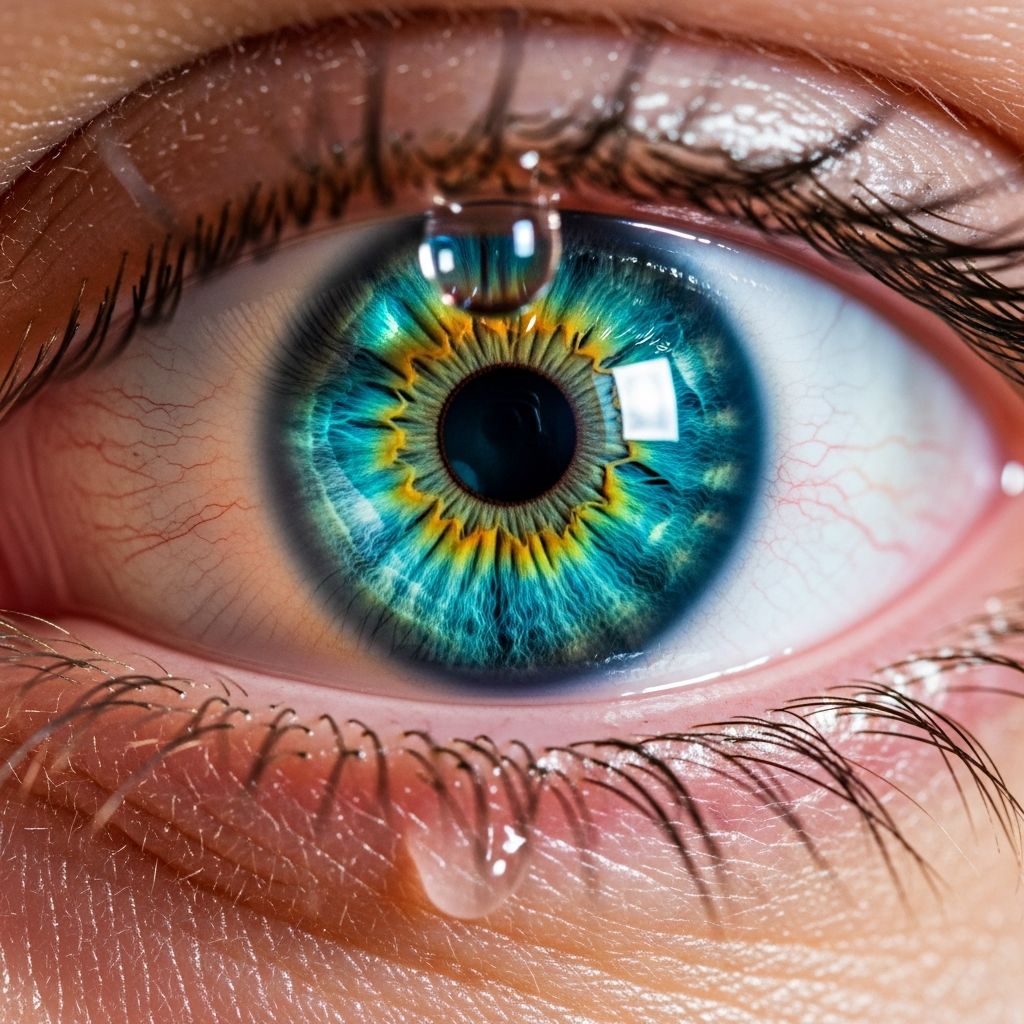
Social media platforms like TikTok have recently made color-changing eye drops increasingly popular, with influencers showcasing dramatic before-and-after transformations of their eye color. These drops promise an easy, non-invasive way to change eye appearance without surgery or contact lenses. However, beneath the appealing marketing claims lies a concerning reality: these products are neither safe nor effective, according to leading eye care organizations and regulatory bodies.
The rising popularity of these unproven products has prompted warnings from major health organizations, including the American Academy of Ophthalmology (AAO) and the American Optometric Association (AOA). Understanding the truth about these drops is essential for protecting your vision and making informed health decisions.
What Are Color-Changing Eye Drops?
Color-changing eye drops are over-the-counter products marketed online and through social media channels as a solution for altering eye color. Manufacturers claim these drops work by adjusting natural melanin levels in the iris—the colored part of the eye responsible for determining eye color.
According to manufacturers, the active ingredients in these drops supposedly target iris pigmentation to lighten or change eye color. Some products claim to work within weeks, while others suggest results appear within days. The marketing promises are certainly attractive to individuals interested in changing their appearance without the commitment or cost of colored contact lenses or surgical procedures.
The Claims vs. The Reality
While manufacturers present compelling marketing narratives, the scientific evidence simply doesn’t support their claims. The most significant problem is that there is no credible evidence that these drops actually work as advertised.
Equally important is the absence of any safety data. These products have not undergone the rigorous testing required by the FDA, meaning we don’t have scientific proof that they’re safe to use in or around the eye. The claims about melanin reduction lack substantiation, and the actual mechanisms by which these drops supposedly function remain largely unexplained.
FDA Status and Regulatory Issues
One of the most critical facts consumers need to understand is that no FDA-approved color-changing eye drops currently exist on the market. This regulatory status is not a minor technicality—it represents a fundamental gap in consumer protection.
When the FDA approves a product, it means the manufacturer has demonstrated that the product is:
- Safe: The product has been proven safe for human use with minimal or manageable side effects
- Effective: The product actually performs its intended function and delivers the promised benefits
- Manufactured to high standards: The product meets rigorous quality, purity, and consistency requirements
Color-changing eye drops have not undergone any of this testing. Manufacturers have not submitted these products for FDA evaluation, and the FDA has not verified that Current Good Manufacturing Practice (cGMP) regulations were followed during production. This lack of oversight creates significant health risks for consumers.
The Science Behind Eye Color
To understand why color-changing eye drops are particularly concerning, it’s important to understand how eye color actually works. Eye color is determined by melanin—a pigment produced by specialized cells called melanocytes located in the iris and other parts of the eye.
Related Stories



Melanin serves critical functions beyond determining eye color. It also protects the eye from light damage and plays an essential role in retinal function. The retina, the light-sensitive tissue at the back of the eye, depends on melanin to function properly.
Any product that claims to remove or reduce iris pigmentation would necessarily interfere with these vital processes. If the drops actually destroyed melanocytes in the iris or retina, they would cause serious damage to eye structures and compromise vision.
Health Risks and Safety Concerns
The potential dangers of using unregulated, untested eye drops are severe and well-documented by eye care professionals. The American Academy of Ophthalmology has identified multiple serious risks associated with color-changing eye drops.
Primary Safety Risks
- Inflammation: The eye is extremely sensitive, and introducing unapproved substances can trigger painful inflammatory responses
- Infection: Unregulated manufacturing conditions may allow bacterial or fungal contamination, leading to serious eye infections
- Increased eye pressure: Pigment particles could clog the eye’s drainage system (trabecular meshwork), raising internal eye pressure
- Glaucoma: Elevated eye pressure can damage the optic nerve, leading to vision loss that may be irreversible
- Light sensitivity: Damage to pigment-producing cells can compromise the eye’s ability to regulate light exposure
- Permanent vision loss: In the worst cases, these drops can cause irreversible damage to vision
These aren’t theoretical concerns. The FDA and major eye care organizations have received reports of adverse effects from consumers who used these products, and some reports include serious complications.
Manufacturing and Contamination Risks
Because color-changing eye drops are not FDA-approved, they are not subject to the same manufacturing oversight as approved medications. This creates significant contamination risks. Eye drops must be sterile—any bacterial or fungal contamination can cause serious infections that potentially lead to permanent vision damage.
History demonstrates that even heavily regulated products can become contaminated. In 2023, the FDA recalled multiple brands of over-the-counter artificial tear drops after they became contaminated with Pseudomonas aeruginosa, a particularly virulent strain of bacteria that had never before been seen in the United States. This outbreak affected numerous consumers and highlighted the dangers of eye drop contamination.
For unregulated products produced in facilities that don’t follow cGMP standards, contamination risks are substantially higher. Several manufacturers of color-changing eye drops, including companies like LightEyez, have already been found to produce contaminated products containing bacteria and fungi.
Problems with the Marketing Claims
The marketing strategies used to promote color-changing eye drops rely heavily on misleading information and visual manipulation. Advertisements typically feature dramatic “before-and-after” photos that are often heavily edited or use lighting changes to create the illusion of color transformation.
Marketing materials frequently use vague scientific terminology without explaining the actual mechanism of action. Some products falsely suggest they have FDA approval or use language implying regulatory endorsement. These tactics exploit consumer interest in cosmetic self-improvement while avoiding transparent discussion of the product’s actual effects—or lack thereof.
Professional Medical Guidance
Eye care professionals universally advise against using color-changing eye drops. Both the American Academy of Ophthalmology and the American Optometric Association have issued formal consumer alerts and statements recommending that people avoid these products entirely.
Dr. JoAnn A. Giaconi, clinical spokesperson for the American Academy of Ophthalmology, has stated: “There’s no evidence that they do anything at all, and no evidence that they’re safe.”
Eye care professionals emphasize that while social media influencers may showcase these products, their use carries real health risks that consumers may not fully appreciate until damage occurs.
Safe Alternatives for Changing Eye Color
If you’re interested in changing your eye color, there are safe, proven methods that don’t jeopardize your vision. The most popular and safest option is FDA-approved colored contact lenses.
Colored Contact Lenses
Colored contact lenses are the only safe, proven method for changing eye color. Unlike unproven eye drops, colored contacts are FDA-approved products that have undergone rigorous safety testing. They offer several advantages:
- Available in numerous colors and styles to achieve your desired look
- Temporary—you can change your look whenever you choose
- Reversible with no permanent effects
- FDA-regulated to ensure safety and quality
However, it’s essential to obtain colored contact lenses through a proper prescription from an optometrist or ophthalmologist. A professional eye exam ensures that the lenses are properly fitted to your specific eye dimensions. Improper fit can cause discomfort, inflammation, corneal damage, and infection.
Over-the-counter contact lenses that aren’t FDA-approved or properly fitted can cause serious complications, including hypoxia (insufficient oxygen to the cornea), corneal swelling, scarring, and infection. Additionally, non-FDA-approved lenses are more prone to contamination and can cause permanent visual problems.
Care for Colored Contact Lenses
If you decide to use colored contact lenses, proper care is essential to prevent complications:
- Always wash your hands before handling lenses
- Use only FDA-approved saline solution to clean lenses
- Follow all instructions provided by your eye care provider and on the lens packaging
- Never sleep in lenses unless specifically approved for extended wear
- Replace lenses according to the prescribed schedule
- Schedule regular eye exams to ensure lens fit remains appropriate
What If You’ve Already Used Color-Changing Eye Drops?
If you have already used color-changing eye drops and are experiencing any symptoms, contact your eye care provider immediately. Symptoms to watch for include eye pain, redness, blurred vision, light sensitivity, discharge, or any other vision changes.
Be honest with your eye care professional about which products you used and when. This information will help them provide appropriate treatment and monitor for potential complications. Early intervention can prevent permanent damage in many cases.
Frequently Asked Questions
Q: Do color-changing eye drops actually work?
A: No. There is no scientific evidence that any color-changing eye drops currently on the market actually change eye color. The dramatic transformations shown in advertisements are not genuine results of the products.
Q: Are color-changing eye drops FDA-approved?
A: No. There are currently no FDA-approved color-changing eye drops available. The FDA has issued warnings about these products and has not approved any manufacturers’ claims about eye color modification.
Q: What are the main risks of using color-changing eye drops?
A: The primary risks include infection, inflammation, increased eye pressure, glaucoma, light sensitivity, and permanent vision loss. These risks are particularly high because the products are not regulated and may be contaminated.
Q: Can I use colored contact lenses instead?
A: Yes. FDA-approved colored contact lenses are the safe, proven alternative for changing eye color. You must obtain them through a prescription from an eye care professional who will ensure proper fit and provide care instructions.
Q: What should I do if I’ve already used these drops?
A: Contact your eye care provider if you experience any symptoms such as pain, redness, vision changes, or light sensitivity. Be prepared to tell your provider which products you used and when.
Q: Why are these drops still being sold online if they’re unsafe?
A: Because these products are not FDA-regulated, they operate in a gray area of internet commerce. However, the FDA has taken action against some manufacturers, and major platforms are increasingly removing listings for these products in response to safety concerns.
References
- Warning: Give Eye Color-Changing Drops a Hard NO — Atlantic Eye. 2025-01-15. https://atlanticeye.com/2025/01/warning-give-eye-color-changing-drops-a-hard-no/
- Reasons you should avoid color-changing eye drops — UT Southwestern Medical Center. 2024. https://utswmed.org/medblog/eye-drops-color-change/
- What your patients need to know about eye color-changing drops — Ophthalmology Times. 2024. https://www.ophthalmologytimes.com/view/what-your-patients-need-to-know-about-eye-color-changing-drops
- Consumer Alert: Eye Color Changing Eye Drops — American Optometric Association. 2024. https://www.aoa.org/about-the-aoa/press-room/statements/consumer-alert-eye-color-changing-eye-drops
- The Truth About Eye Color Changing Drops: What You Need to Know — Ritz and Johnson. 2024. https://www.ritzandjohnson.com/blog/1167331-the-truth-about-eye-color-changing-drops-what-you-need-to-know
Similar Articles








Read full bio of medha deb