Colorectal Cancer: Symptoms, Diagnosis, Treatment Guide
Understand colorectal cancer: symptoms, causes, diagnosis, treatment, prevention, and living with the disease.
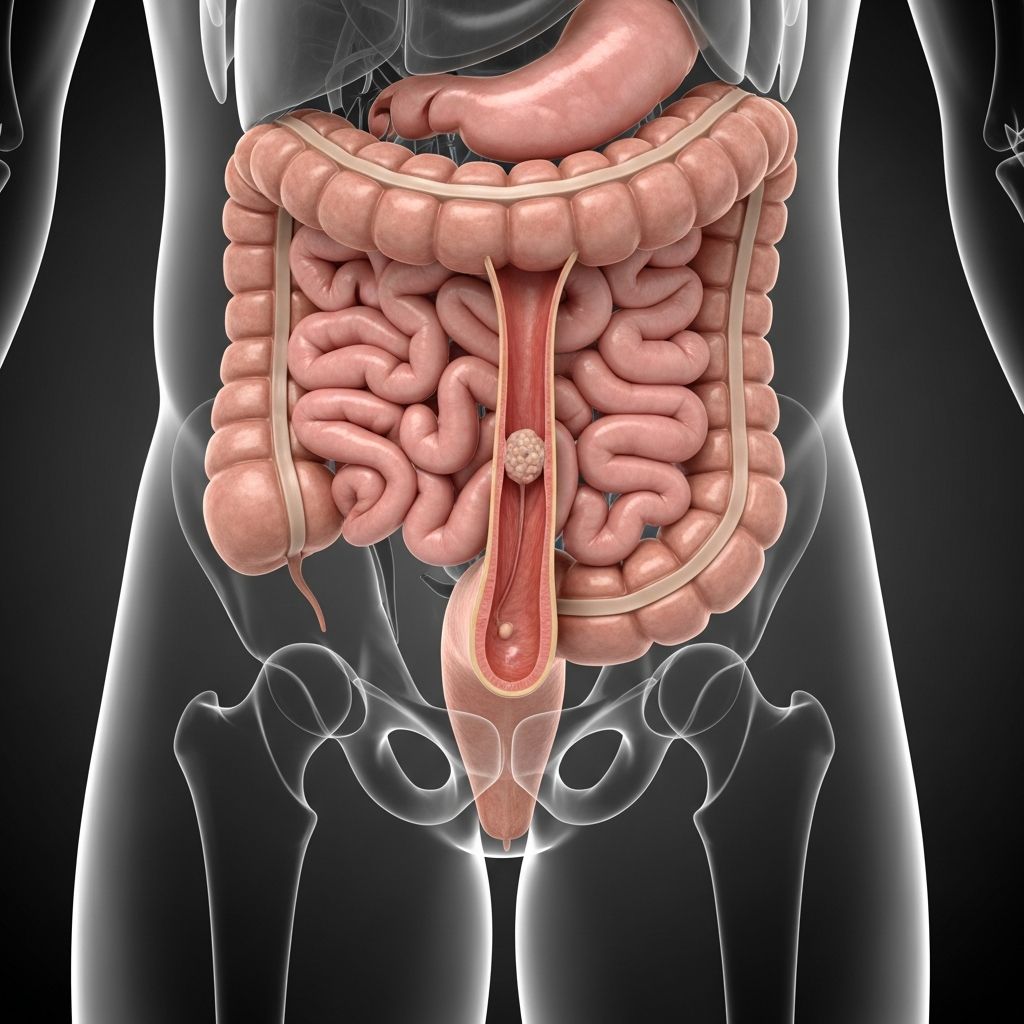
Colorectal cancer, also known as bowel cancer, originates in the colon (large intestine) or rectum. It typically develops from benign growths called polyps in the intestinal lining, though not all polyps become cancerous, and progression takes years. Early detection through screening like colonoscopy allows polyp removal, preventing cancer development. This guide covers symptoms, causes, diagnosis, treatment, prevention, prognosis, and support for those affected.
What Is Colorectal Cancer?
Colorectal cancer describes malignancies starting in the colon or rectum, distinct from rare small intestine cancers. It arises when cells in the mucous lining mutate, grow uncontrollably, and invade surrounding tissue. The body’s immune system usually eliminates malignant cells, but aging reduces repair efficiency, increasing risk.
Polyps, non-cancerous growths common in people over 55 (affecting about one-third), mark the initial stage. Most remain harmless, resembling warts or mushrooms, but some grow and turn malignant over years, penetrating bowel walls and potentially metastasizing to organs like the liver.
Symptoms of Colorectal Cancer
Early colorectal cancer often produces no symptoms, allowing unnoticed progression. When symptoms appear, they include:
- Abdominal pain or cramping.
- Changes in bowel habits, such as frequency, timing, constipation, or diarrhea.
- Blood in stool, appearing black or dark.
- Unintended weight loss, nausea, or loss of appetite in advanced stages.
These signs warrant medical evaluation, as they can indicate other conditions but also signal cancer needing prompt attention.
Causes and Risk Factors
In most cases, no clear cause exists; cellular mutations occur spontaneously. However, about 5% stem from genetic conditions: familial adenomatous polyposis (FAP) or hereditary nonpolyposis colorectal cancer (HNPCC, or Lynch syndrome), often onsetting younger.
Risk escalates with age due to accumulating cell division errors. Lifestyle factors like diet, smoking, and inactivity contribute, though not detailed here. The table below shows average 10-year risk by age group in Germany, highlighting age as a primary factor:
| Age Group | 10-Year Risk of Developing Colorectal Cancer |
|---|---|
| 50-54 | 0.5% |
| 55-59 | 0.8% |
| 60-64 | 1.2% |
| 65-69 | 1.7% |
| 70-74 | 2.3% |
Note: Individual risks vary with personal factors.
Diagnosis of Colorectal Cancer
Suspicion prompts colonoscopy first: a camera-equipped endoscope examines the entire large intestine, enabling biopsy. Results take days. If impassable due to narrowing, CT or MRI scans assess the bowel.
Blood tests measure carcinoembryonic antigen (CEA), a tumor marker aiding treatment prognosis. For recurrence post-treatment, PET scans may detect issues. Early, accurate diagnosis is crucial for effective intervention.
Treatment Options
Treatment depends on cancer stage. Early-stage requires surgery to excise the tumor. Advanced stages combine surgery with chemotherapy or radiation.
Surgery varies: local removal for small tumors or resection of colon/rectum sections for larger ones, possibly with lymph node dissection. Chemotherapy targets remaining cells or metastases, while radiation shrinks rectal tumors pre-surgery. Targeted therapies and immunotherapy emerge for specific mutations, improving outcomes.
Related Stories



Multidisciplinary teams tailor plans, considering patient health and preferences.
Prevention and Screening
Prevention focuses on screening. In Germany, ages 50-75 receive stool tests and colonoscopies. Colonoscopy detects and removes polyps instantly, preventing cancer. Despite discomfort and minor risks like bleeding or perforation, benefits outweigh for high-risk individuals.
- Stool tests: Detect hidden blood, prompting colonoscopy.
- Colonoscopy: Gold standard, every 10 years if normal.
- Lifestyle: High-fiber diet, exercise, avoiding smoking/alcohol reduce risk.
Regular screening dramatically lowers incidence and mortality.
Prognosis and Stages
Colorectal cancer progresses slowly: polyps to invasive cancer to metastases. Staging uses TNM system:
| Stage | Description | 5-Year Survival Rate (Approx.) |
|---|---|---|
| 0 (Carcinoma in situ) | Confined to lining | ~100% |
| I | Into submucosa | 90-95% |
| II | Through muscle wall | 70-85% |
| III | Lymph nodes involved | 50-70% |
| IV | Distant metastases | 10-15% |
Rates from recent data; early detection boosts survival.
Living With Colorectal Cancer
Diagnosis disrupts life profoundly. Emotional support via counseling, groups helps cope. Returning to work varies by treatment and stage.
Post-treatment, surveillance includes CEA tests, colonoscopies detect recurrence early. Ostomies (colostomy/ileostomy) may be permanent, requiring adaptation. Nutritionists aid diet management; exercise maintains strength.
Caregivers provide vital support. Resources include patient advocacy organizations offering education and peer connections.
Frequently Asked Questions (FAQs)
Does everyone with polyps get colorectal cancer?
No, most polyps remain benign; only some become cancerous over years. Removal during screening prevents this.
At what age should screening start?
Typically 45-50, earlier for family history or genetic risks. Consult a doctor for personalized advice.
Is colorectal cancer preventable?
Largely yes, through screening and healthy lifestyle. Colonoscopy polyp removal is highly effective.
What does blood in stool mean?
It can signal cancer but also hemorrhoids or other issues. Seek medical evaluation promptly.
Can colorectal cancer be cured?
Yes, especially early stages with surgery. Even advanced cases respond to combined therapies.
Support and Resources
Numerous organizations provide support:
- Cancer societies for emotional/practical aid.
- Genetic counseling for hereditary risks.
- Rehabilitation for post-treatment recovery.
Connecting with survivors fosters resilience during treatment and beyond.
References
- Overview: Colorectal cancer – InformedHealth.org — NCBI Bookshelf / InformedHealth.org. 2023 (last updated). https://www.ncbi.nlm.nih.gov/books/NBK279198/
- Colorectal Cancer Screening — U.S. Preventive Services Task Force (USPSTF). 2021-05-18. https://www.uspreventiveservicestaskforce.org/uspstf/recommendation/colorectal-cancer-screening
- Colorectal Cancer — American Cancer Society. 2025-01-15. https://www.cancer.org/cancer/types/colon-rectal-cancer.html
- Colorectal Cancer — National Cancer Institute (NCI). 2024-11-20. https://www.cancer.gov/types/colorectal
- Worldwide Cancer Report: Colorectal Cancer — World Health Organization (WHO) / International Agency for Research on Cancer (IARC). 2024. https://gco.iarc.who.int/media/globocan/factsheets/cancers/39-45-colorectal-fact-sheet.pdf
Similar Articles








Read full bio of medha deb