Colostomy: Procedure, Recovery, and Living Well
Complete guide to colostomy surgery, types, recovery, and lifestyle management.
Understanding Colostomy
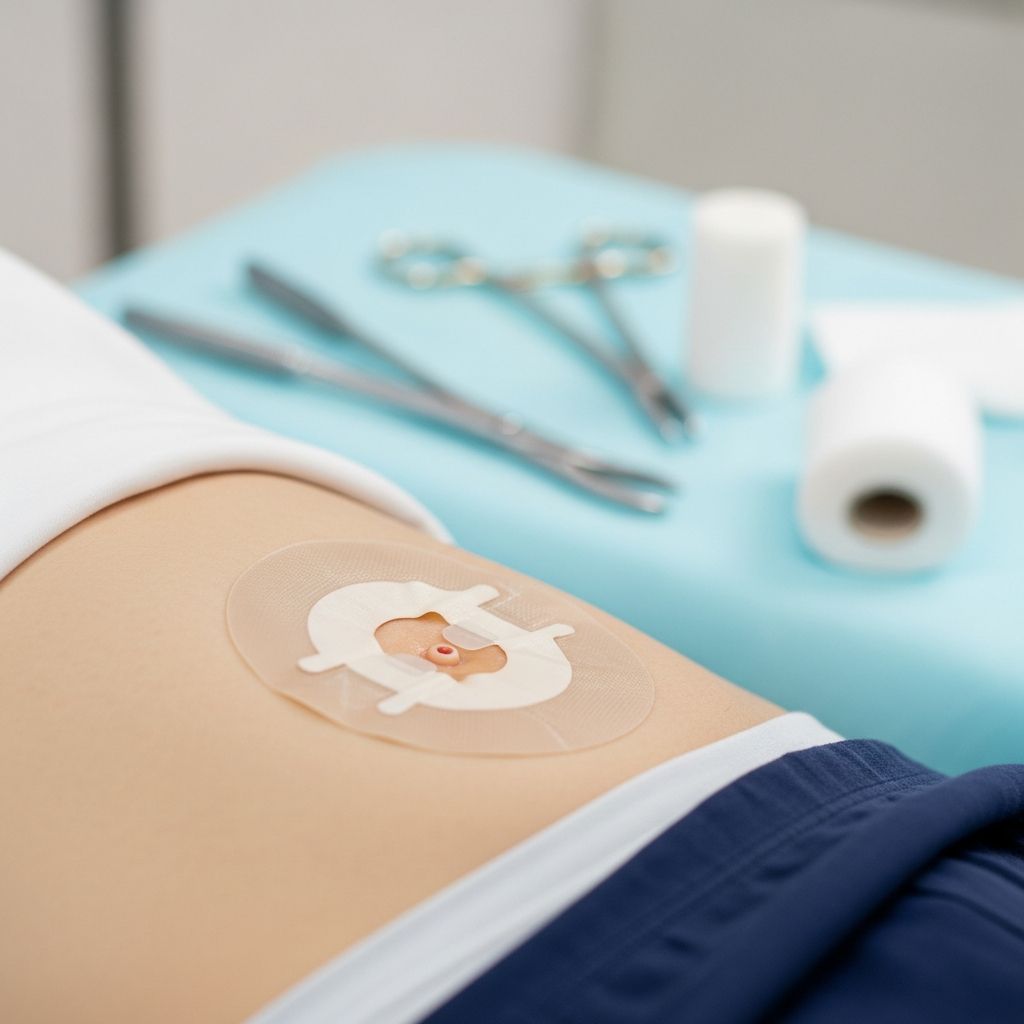
A colostomy is a surgical procedure that creates an opening, called a stoma, in the abdominal wall to allow stool to pass directly into an external collection bag. This procedure is performed when the colon, rectum, or anus cannot function normally due to disease, injury, or cancer. During a colostomy, part of the colon is brought through the abdominal wall and stitched to the skin, forming the stoma. Instead of stool exiting the body through the anus in the normal manner, it now passes through this new opening into a specialized pouch worn on the outside of the body.
The stoma itself is made from the intestine and should appear pink to red in color, warm, and moist. It has no nerve endings, so you won’t feel pain when touching it, though you may experience sensation around the surrounding skin. The stoma remains a permanent part of your body after the procedure and requires ongoing care and management.
Why You Might Need a Colostomy
There are several medical conditions and circumstances that may necessitate a colostomy procedure. Your healthcare provider might recommend this surgery if you have:
- Colorectal cancer or other abdominal cancers
- Inflammatory bowel diseases such as Crohn’s disease or ulcerative colitis
- Familial adenomatous polyposis (FAP)
- Bowel obstruction or perforation
- Traumatic injury to the bowel
- Loss of bowel control (fecal incontinence)
- Familial polyposis
- Diverticulitis or other bowel diseases
- Birth defects affecting the colon or rectum
In some cases, a colostomy may be temporary, allowing your bowel to rest and heal following infection or injury. In other situations, the procedure is permanent, particularly when the rectum, anus, or the muscles that control bowel movements have been removed or can no longer function properly.
Types of Colostomy
Colostomies are classified based on which section of the colon is used and the location of the stoma on the abdomen. Understanding the different types helps you know what to expect regarding stool consistency and management.
Transverse Colostomy
A transverse colostomy is created from the transverse colon, which runs horizontally across the upper abdomen. This type typically produces more liquid stool because it’s positioned earlier in the digestive process, before the colon has fully absorbed water. The stool may also contain more digestive enzymes. Transverse colostomies are sometimes performed as temporary procedures to allow the lower bowel to heal.
Descending and Sigmoid Colostomy
These colostomies are created in the lower left portion of the abdomen. A descending colostomy produces firmer stool, while a sigmoid colostomy produces even more solid stool since these areas are later in the digestive process where more water has been absorbed. Some individuals with these types of colostomies may develop a degree of bowel control by timing their fluid and food intake, potentially allowing them to predict when bowel movements will occur.
Ascending Colostomy
An ascending colostomy is created from the ascending colon on the right side of the abdomen. This type is less commonly performed because the stool tends to be quite liquid. It requires more frequent pouch changes and more careful skin care to prevent irritation.
Related Stories



Loop and Double-Barrel Colostomies
In a loop colostomy, a loop of bowel is pulled through the abdominal wall and partially cut, creating two openings. One opening allows stool to pass, while the other allows mucus to exit. This configuration is often used for temporary colostomies. A double-barrel colostomy also creates two separate stomas, each serving a different purpose. The stoma for mucus discharge is typically smaller than the one for stool passage.
Before Your Colostomy Surgery
Preparation is an essential part of ensuring a successful colostomy procedure and smooth recovery. In the days or weeks before surgery, you’ll meet with your surgical team to discuss the procedure, review your medical history, and address any concerns or questions you may have.
Pre-Operative Assessment
Your healthcare provider will conduct a thorough pre-operative assessment to evaluate your overall health status. This may include blood tests, imaging studies, and other diagnostic tests to ensure you’re in the best possible condition for surgery. This is an excellent opportunity to discuss any medications you’re currently taking and whether adjustments will be needed before or after the procedure.
Stoma Site Marking
One of the most important pre-operative steps is the marking of your stoma site. Your surgeon or ostomy nurse will carefully mark the location on your abdomen where the stoma will be created. This site is chosen to ensure that it’s easily visible to you, accessible for cleaning, and positioned away from skin folds, creases, scars, or bony prominences that might interfere with pouch application and management. Proper site selection significantly impacts your long-term comfort and ability to manage your colostomy.
Dietary and Medication Guidelines
If time permits before your surgery, your healthcare team will provide specific instructions regarding diet and medications. You may be asked to follow a clear liquid diet for a period before surgery or receive instructions about bowel preparation. Your surgical team will inform you about any medications that should be stopped or continued through the time of surgery. It’s important to follow these instructions carefully to minimize complications during and after the procedure.
The Colostomy Surgical Procedure
Understanding what happens during your colostomy surgery can help reduce anxiety and prepare you mentally for the experience. The procedure typically follows a consistent sequence of steps.
Anesthesia and Preparation
You’ll receive general anesthesia to ensure you’re completely asleep and unaware during the surgery. Once you’re anesthetized, the surgical team will clean and prepare your surgical site using sterile techniques to minimize infection risk. Your vital signs will be continuously monitored throughout the procedure.
Surgical Approach
Your surgeon will perform either open surgery or laparoscopic (keyhole) surgery. Open surgery involves making a larger incision in your abdominal wall, allowing the surgeon direct visualization and access to the surgical field. Laparoscopic surgery uses several small incisions through which a tiny camera and specialized surgical instruments are inserted. This minimally invasive approach often results in less post-operative pain, smaller scars, and faster recovery, though not all patients are candidates for this technique.
Creating the Stoma
During the procedure, your surgeon will isolate the section of colon that will form the stoma. The end of the colon is brought through the opening created in the abdominal wall. The colon is then everted (turned under) and stitched to the skin of the abdominal wall, creating the stoma opening. The surgeon takes care to ensure the stoma has adequate blood supply and is properly positioned for optimal function and management.
Pouch Application
Once the stoma is created and the surgical wounds are closed, a temporary collection pouch (stoma bag) is applied over the stoma opening. This pouch collects stool that now exits through the stoma instead of passing through the anus. The pouch remains in place to prevent any stool from contaminating the surgical wound during your recovery.
Recovery After Colostomy Surgery
Recovery from colostomy surgery varies depending on whether you had open or laparoscopic surgery, your overall health, and any complications that may arise. However, there are general phases of recovery you can expect.
Immediate Post-Operative Period
After surgery, you’ll be moved to a recovery room where medical staff will monitor your vital signs, pain level, and overall condition as you wake from anesthesia. You may feel groggy, experience some nausea, or feel cold. Most patients remain hospitalized for several days to a week following colostomy surgery, though this timeline can vary. During this time, your healthcare team will manage your pain, monitor for any complications, and begin teaching you about stoma care and pouch management.
First Few Weeks at Home
Once discharged, your recovery continues at home. You’ll likely experience some abdominal soreness and fatigue during the first few weeks. It’s important to follow your surgeon’s instructions regarding activity restrictions. Most people gradually increase their activity level as they feel able. Driving, heavy lifting, and strenuous exercise are typically restricted for 4-6 weeks after surgery, though your surgeon will provide specific guidance based on your individual situation.
Stoma Function Timeline
Your stoma may not function immediately after surgery. It’s normal for output to be minimal or absent for the first few days. As your bowel recovers from surgery, it will gradually begin producing stool through the stoma. Your healthcare team will help you understand what to expect as your stoma begins functioning and will guide you through the process of emptying and changing your pouch.
Living with a Colostomy
Adjusting to life with a colostomy involves both practical management and emotional adaptation. With proper training and support, most people successfully incorporate colostomy care into their daily routines.
Pouch Management
You’ll need to empty your collection pouch regularly throughout the day and change the entire pouch system every few days. The frequency depends on the type and location of your colostomy and your individual output patterns. Descending and sigmoid colostomies may produce more predictable output, potentially allowing some people to develop a routine. Many people find that establishing a consistent schedule for pouch changes helps them manage their colostomy more effectively.
Diet and Nutrition
Most people with a colostomy can eat a regular, balanced diet. However, some foods may affect stool consistency or odor. It’s helpful to keep a food diary to identify any foods that cause problems for you personally. Generally, adequate fluid intake, fiber, and balanced nutrition support optimal colostomy function and overall health. Your healthcare team or a dietitian can provide personalized dietary guidance.
Skin Care Around the Stoma
Proper skin care is essential to prevent irritation and infection. The skin around your stoma should be gently cleaned with warm water and mild soap, then dried thoroughly before applying a new pouch. Using properly fitted pouching systems and following manufacturer instructions helps prevent leakage that can irritate surrounding skin.
Activity and Exercise
Most people with a colostomy can return to their normal activities, including exercise and sports. Some people prefer to wear a pouch cover or use a special sports pouch during vigorous activity. Swimming is generally possible with modern pouching systems. Discussing your specific interests and concerns with your healthcare team can help you develop strategies for maintaining an active lifestyle.
Reversing a Temporary Colostomy
If your colostomy was created as a temporary measure, a second surgery may be performed to reverse it after your bowel has healed sufficiently. This reversal surgery reconnects the colon, allowing stool to pass through the anus again in the normal manner. The timing of reversal depends on the original reason for the colostomy and how well your bowel has healed. Your surgeon will determine when you’re ready for reversal and will explain what to expect during this second procedure.
Potential Complications and Management
While colostomy surgery is generally safe, potential complications can occur. These may include infection, bleeding, stoma retraction or prolapse, parastomal hernia, or bowel obstruction. Regular follow-up with your healthcare provider helps identify and manage any complications early. Most complications can be effectively treated with appropriate medical care.
Emotional and Psychological Adjustment
Adapting to a colostomy involves more than just physical changes. Many people experience a range of emotions, from relief that their underlying condition is being treated to concerns about body image, self-esteem, or social activities. Speaking with a counselor, joining support groups, or connecting with others who have colostomies can provide valuable emotional support. Most people find that with time and support, they successfully adapt to their colostomy and maintain a good quality of life.
Frequently Asked Questions
Q: Will my colostomy be permanent or temporary?
A: This depends on the reason for your colostomy. Some colostomies are temporary, performed to allow the bowel to heal, while others are permanent. Your surgeon will discuss whether your colostomy is expected to be temporary or permanent based on your specific condition.
Q: Can I shower or bathe with a colostomy?
A: Yes, you can shower and bathe with a colostomy. Many people remove their pouch before showering and apply a new one afterward. Some use waterproof pouches that can get wet. Your healthcare team can discuss options that work best for you.
Q: Will people be able to tell I have a colostomy?
A: No, with properly fitted pouching systems and appropriate clothing, your colostomy should not be noticeable to others. Many people wear their regular clothing without anyone knowing about their colostomy.
Q: Can I travel with a colostomy?
A: Yes, most people travel successfully with a colostomy. Planning ahead by packing extra supplies and knowing where to find additional supplies at your destination helps ensure a smooth trip.
Q: Will I have pain or discomfort from my stoma?
A: The stoma itself has no nerve endings, so you shouldn’t feel pain from it. However, you may feel sensation around the surrounding skin. If you experience persistent pain or discomfort, contact your healthcare provider.
Q: How long does it take to adjust to a colostomy?
A: Adjustment timelines vary from person to person. Most people require several weeks to months to become comfortable with colostomy care and management. Support from healthcare providers, family, and support groups can facilitate this adjustment process.
References
- Loop Colostomy: What It Is, Benefits, Risks, & More — HealthCentral. 2024. https://www.healthcentral.com/condition/crohns-disease/loop-colostomy
- What is a Colostomy? Procedure, Risks, and Recovery — Medical News Today. 2024. https://www.medicalnewstoday.com/articles/colostomy
- Surgical Procedures: Colostomy — OncoLink. 2024. https://www.oncolink.org/cancers/gastrointestinal/anal-cancer/colostomy
- Colostomy — Johns Hopkins Medicine. 2024. https://www.hopkinsmedicine.org/health/treatment-tests-and-therapies/colostomy
- Inflammatory Bowel Disease and Surgical Management — Gastroenterology Research and Practice. 2023. https://pubmed.ncbi.nlm.nih.gov/
- Ostomy Management and Patient Quality of Life — Cleveland Clinic. 2024. https://my.clevelandclinic.org/
Similar Articles








Read full bio of Sneha Tete