Combat Winter Depression: Boost Serotonin Naturally
Discover effective strategies to fight seasonal affective disorder and naturally increase serotonin levels.
Understanding Winter Depression and Seasonal Affective Disorder
Winter depression, clinically known as seasonal affective disorder (SAD), affects approximately 2 million people in the UK and millions more worldwide. Unlike occasional feelings of sadness during the darker months, SAD is a recurrent pattern of depression that follows the seasons, typically beginning as daylight hours decrease in autumn and winter and resolving as spring arrives.
The physiological changes that occur during winter months are responsible for triggering SAD symptoms in susceptible individuals. While many people experience some mood variation with seasonal changes, those with SAD encounter significant depressive episodes that can substantially impact their daily functioning, relationships, and overall quality of life.
How SAD is Affected by Winter and Serotonin Levels
Understanding the biological mechanisms behind SAD is crucial for addressing this condition effectively. The primary culprit is the dramatic reduction in sunlight exposure during winter months, which creates a cascade of hormonal and neurochemical changes in the body.
The Vitamin D Connection
As daylight hours diminish in winter, our bodies produce significantly less vitamin D, a crucial nutrient that plays an important role in serotonin activity. Serotonin is a neurotransmitter responsible for balancing mood and promoting feelings of well-being and happiness. While this physiological change affects everyone to some degree, research demonstrates that individuals with SAD are more likely to have insufficient vitamin D levels.
The connection between vitamin D and serotonin is particularly significant: vitamin D is believed to promote serotonin activity in the brain. With less sunlight exposure in winter, people with SAD may experience compounding effects—both direct reduction in serotonin from reduced sunlight exposure and indirect reduction through vitamin D deficiency.
Serotonin Regulation Problems
Healthcare professionals believe that individuals with SAD have more difficulty regulating serotonin compared to those without the condition. Research has revealed a particularly important finding: people with SAD have approximately 5% more SERT (serotonin transporter protein) in their brains, especially during winter months. SERT is a protein that hinders serotonin production and contributes to depression. The more SERT a person has in their brain, the less mood-enhancing serotonin is freely available, making depression more likely.
Studies conducted by researchers using brain imaging have confirmed that people with SAD had significantly higher levels of SERT in winter compared to healthy individuals. This biological distinction helps explain why standard advice about “getting more sunlight” may not be equally effective for everyone.
Melatonin and Circadian Rhythm Disruption
Beyond serotonin changes, winter also triggers an increase in melatonin, the hormone responsible for regulating sleep and making us feel sleepier. While melatonin is essential for healthy sleep, excessive levels during winter can contribute to the fatigue and lethargy associated with SAD.
These hormonal changes—decreased serotonin combined with increased melatonin—disrupt our internal body clock, known as circadian rhythms. Our circadian rhythms normally respond to daily light-to-dark changes, but in winter, the persistent darkness can desynchronize this critical system. For people with SAD, research suggests their body’s signal responsible for seasonal adjustment is timed differently than in those without the condition, making it more difficult for them to adapt to seasonal changes.
Related Stories



Seasonal Affective Disorder Symptoms
SAD manifests through a distinct constellation of symptoms that typically emerge in autumn or early winter and persist through the winter season. Recognizing these symptoms is the first step toward seeking appropriate help and implementing effective interventions.
Common SAD Symptoms Include:
- Persistent low mood and depressed feelings throughout most of the day
- Fatigue and low energy levels, making even routine tasks feel exhausting
- Oversleeping and increased desire to sleep (notably different from typical depression, where insomnia is common)
- Carbohydrate cravings leading to potential weight gain, as the body attempts to boost serotonin through dietary means
- Low motivation to accomplish tasks and engage in activities
- Difficulty concentrating and focusing on work or study
- Social withdrawal and reduced desire to socialize with friends and family
- Feelings of helplessness, hopelessness, and low self-worth
- Frequent crying and emotional sensitivity
- Reduced interest in hobbies and previously enjoyed activities
It’s important to note that some people experience these symptoms in distinct periods, feeling happy, energetic, and sociable during other times of the year. The severity and specific symptom profile can vary significantly between individuals.
How to Increase Serotonin Levels When You Feel Depressed in Winter
According to Sir Cary Cooper, professor of organisational psychology and health, incorporating specific lifestyle adjustments can increase serotonin levels and improve mood during winter months. These evidence-based strategies range from simple daily modifications to more structured interventions.
Spending Time Outdoors
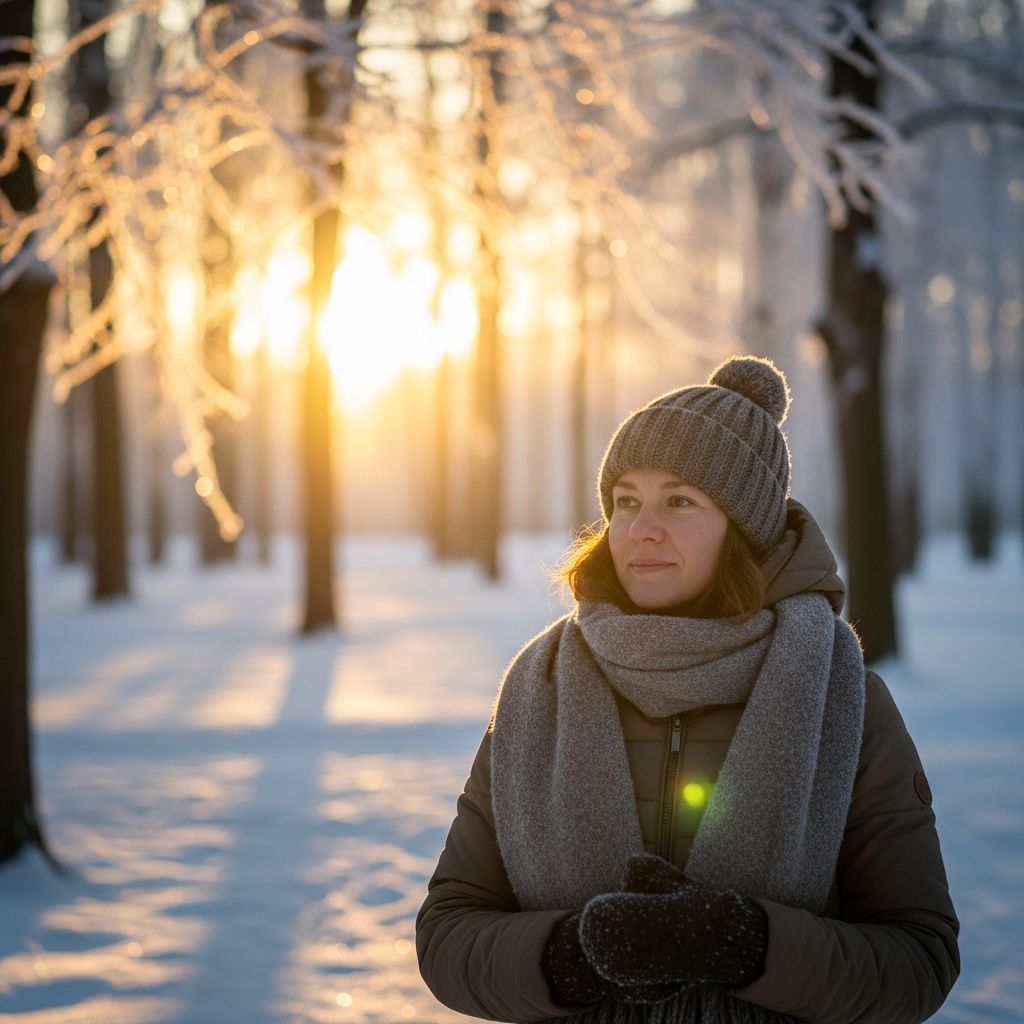
One of the most accessible and effective strategies for combating winter depression is spending time outdoors. As noted by leading researchers, during winter most people work indoors and live indoors, receiving predominantly artificial light exposure. Making deliberate time to be outdoors is especially important for those working inside five days a week.
Even on overcast days, natural light provides measurable benefits that artificial indoor lighting cannot replicate. The intensity and spectrum of natural light, even diffused through clouds, has therapeutic effects on circadian rhythm regulation and serotonin production. Experts recommend making outdoor time a regular part of your routine, whether through brief morning walks, lunch breaks outside, or evening strolls during daylight hours.
Vitamin D Supplementation
Sunlight exposure on the skin produces vitamin D, which alongside numerous other health benefits increases serotonin activity. The UK government advises everyone to take a vitamin D supplement daily during autumn and winter months when sunlight exposure is insufficient for natural vitamin D synthesis.
For individuals with SAD, vitamin D supplementation serves dual purposes: it addresses the direct vitamin D deficiency common in SAD, and it supports the biological mechanisms that maintain normal serotonin levels. Healthcare providers typically recommend vitamin D3 (cholecalciferol) in doses of 10-25 micrograms daily during winter months, though individual recommendations may vary based on baseline levels and risk factors.
Physical Activity and Exercise
Physical activity is a powerful tool for increasing serotonin and improving mental health during winter. Exercise stimulates the release of serotonin in the brain, directly addressing one of the core biological problems in SAD. Beyond serotonin production, regular physical activity helps balance other stress hormones such as adrenaline, preventing these from reaching excessive levels that can worsen mood and anxiety.
Making exercise a regular part of your winter routine can have dramatically positive impacts on mental well-being. Research supports the efficacy of both aerobic exercise (such as running, cycling, or brisk walking) and strength training. Aim for at least 150 minutes of moderate-intensity exercise weekly, or combine shorter sessions throughout the week—even 20-30 minute walks during daylight hours can provide meaningful benefits.
Social Connection and Activity
Winter depression often creates a vicious cycle: the condition causes people to withdraw from social contact, and this isolation actually worsens the depression. Breaking this cycle is crucial for recovery. Making deliberate efforts to maintain regular contact with friends and family is essential, even when motivation is low.
Social interactions naturally boost mood and provide psychological support during difficult periods. Social activity becomes even more powerful when combined with other beneficial strategies—for example, exercising with a friend outdoors provides the combined benefits of physical activity, natural light exposure, and social engagement. This synergistic approach amplifies the mood-boosting effects of individual interventions.
Full-Spectrum Light Therapy
Light therapy is frequently recommended as a treatment for SAD, particularly for moderate to severe cases. This intervention involves exposure to bright light boxes that emit full-spectrum or specific wavelengths of light, typically in the morning to help reset circadian rhythms and boost serotonin.
While research assessing light therapy’s effectiveness shows varying methodological quality across studies, the treatment is notably safe with virtually no side effects. The evidence that does exist demonstrates that light therapy can be as effective as antidepressant medication for many people with SAD. Light therapy typically involves 20-30 minutes of exposure to a 10,000 lux light box each morning, though optimal duration and timing should be discussed with a healthcare provider.
Additional Treatments for Seasonal Affective Disorder
Beyond lifestyle modifications, several medical and psychological interventions are available for individuals whose SAD symptoms are more severe or resistant to self-help strategies.
Antidepressant Medications
If you have been formally diagnosed with SAD, your doctor may prescribe antidepressant medication. Selective serotonin reuptake inhibitors (SSRIs) are the primary class of antidepressants used to treat SAD. These medications work by restoring the balance of serotonin in the brain, thereby alleviating depressive symptoms.
The FDA has also approved bupropion in extended-release form specifically designed for SAD prevention and treatment. This medication is taken daily from fall through early spring and can significantly prevent the recurrence of seasonal depressive episodes. Antidepressants can be particularly valuable when combined with other interventions like light therapy and lifestyle modifications, providing a comprehensive approach to treatment.
Psychological Therapy
Cognitive-behavioral therapy (CBT) is an evidence-based psychological intervention for SAD. CBT helps individuals become more aware of the connections between their thoughts, feelings, and behaviors, enabling them to identify and modify patterns that contribute to depression. This approach is particularly useful for addressing negative thoughts and feelings about winter and its associated limitations, which can either cause or perpetuate SAD symptoms.
When to Seek Professional Help
If your depressed mood persists for more than two weeks, or if it intensifies and impairs your ability to function in daily life, you should consider consulting with a healthcare provider about medication and therapy options. Professional assessment is particularly important to rule out other forms of depression or mental health conditions and to develop a personalized treatment plan.
Frequently Asked Questions About Winter Depression
Q: Is SAD the same as just feeling down during winter?
A: No, SAD is a clinical condition that causes significant depressive symptoms recurring each winter, distinct from temporary mood changes. Those with SAD experience symptoms that substantially interfere with daily functioning, whereas occasional winter blues do not cause this level of impairment.
Q: Can I treat SAD with lifestyle changes alone?
A: For mild to moderate SAD, lifestyle modifications including outdoor time, exercise, vitamin D supplementation, and social engagement can be effective. However, more severe cases typically require additional interventions such as light therapy or medication. A healthcare provider can help determine the most appropriate approach for your situation.
Q: How much time outdoors do I need to see benefits?
A: Even brief periods of outdoor exposure provide measurable benefits, with many benefits observable from daily 20-30 minute exposures to natural light. Morning outdoor time is particularly beneficial for circadian rhythm regulation.
Q: Is vitamin D supplementation necessary during winter?
A: The UK government recommends that everyone take vitamin D supplements daily during autumn and winter when natural synthesis from sunlight is insufficient. This is especially important for individuals with SAD, as vitamin D deficiency exacerbates serotonin dysfunction.
Q: How long does light therapy take to work?
A: Many people notice improvements in mood and energy within 3-7 days of beginning light therapy, though some may take up to 2-3 weeks to experience full benefits. Consistency with daily morning exposure is key to achieving therapeutic effects.
Q: Are antidepressants addictive?
A: No, antidepressants used for SAD are not addictive. SSRIs work by restoring serotonin balance in the brain and can be safely discontinued under medical supervision when no longer needed.
References
- How to combat winter depression and increase your serotonin — Patient.info. https://patient.info/features/mental-health/how-to-combat-winter-depression-and-boost-your-serotonin
- Seasonal Affective Disorder — National Institute of Mental Health (NIMH), National Institutes of Health. https://www.nimh.nih.gov/health/publications/seasonal-affective-disorder
- Seasonal affective disorder (SAD) – Symptoms & causes — Mayo Clinic. https://www.mayoclinic.org/diseases-conditions/seasonal-affective-disorder/symptoms-causes/syc-20364651
- Seasonal Affective Disorder (SAD): Symptoms and Treatment — Patient.info. https://patient.info/mental-health/seasonal-affective-disorder-leaflet
- Seasonal Depression (Seasonal Affective Disorder) — Cleveland Clinic. https://my.clevelandclinic.org/health/diseases/9293-seasonal-depression
- Seasonal Affective Disorder (SAD) — American Psychiatric Association (Psychiatry.org). https://www.psychiatry.org/patients-families/seasonal-affective-disorder
Similar Articles








Read full bio of medha deb