Comedonal Acne: Complete Guide To Causes And Treatment
Understanding comedonal acne: non-inflammatory skin bumps primarily on forehead and chin, causes, treatments, and prevention strategies.
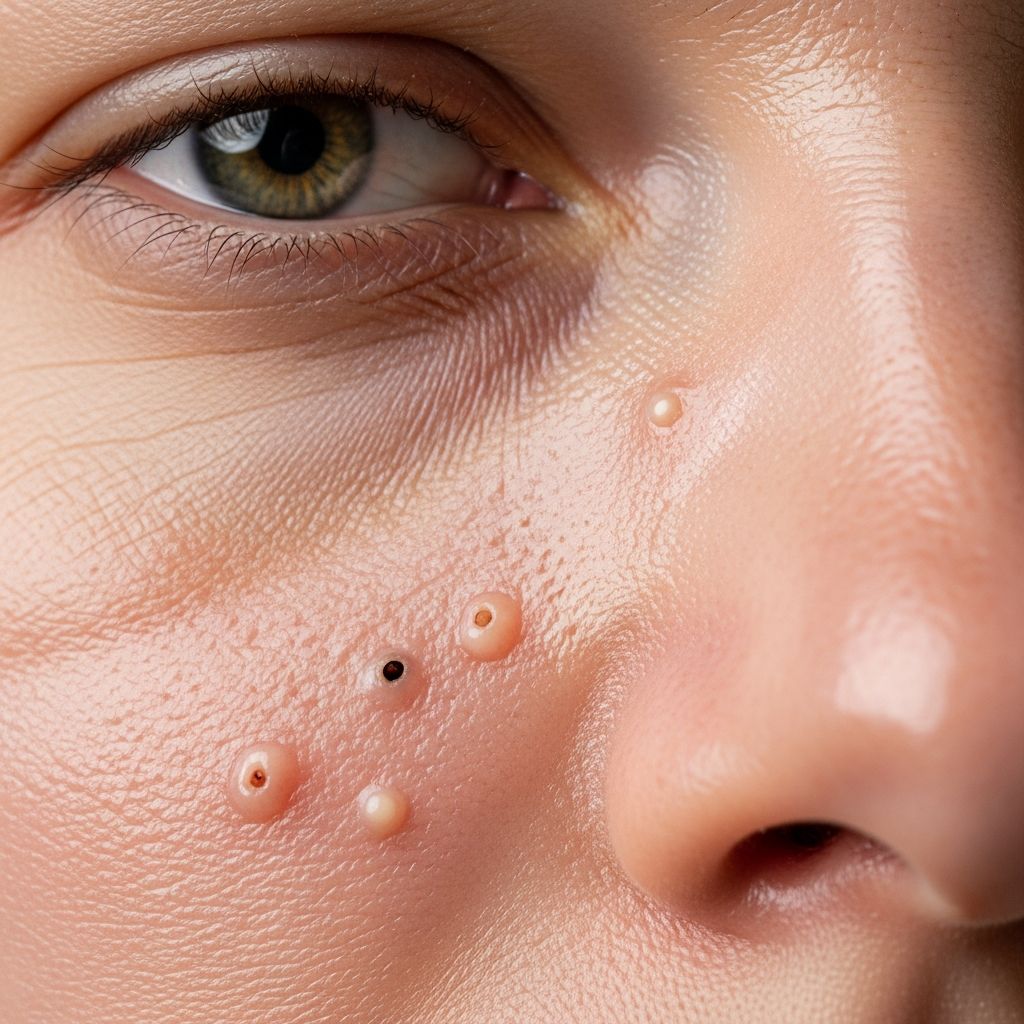
Comedonal acne is a pattern of acne in which most lesions are
comedones
—skin-coloured, small bumps (papules) frequently found on the forehead and chin.What is comedonal acne?
Comedonal acne represents a non-inflammatory form of acne vulgaris where the primary lesions are comedones rather than pustules or nodules. A single lesion is called a
comedo
(plural: comedones), which arises when cells lining the sebaceous duct proliferate (a process known as cornification) and sebum production increases. This leads to debris blocking the sebaceous duct and hair follicle, forming the characteristic bump.Unlike inflammatory acne, comedonal acne lesions are typically not red, tender, or pus-filled, making it a milder condition. It most commonly affects the forehead and chin but can appear on other acne-prone areas like the chest or back.
Who gets comedonal acne?
Comedonal acne can develop in individuals of any age but is most prevalent during adolescence due to hormonal changes that boost sebum production. It affects both males and females, though hormonal fluctuations in women—such as during menstrual cycles, pregnancy, or polycystic ovary syndrome (PCOS)—can exacerbate it.
Adults may also experience persistent or late-onset comedonal acne, particularly in humid climates or with certain lifestyle factors. Those with oily skin types or a family history of acne are at higher risk.
What causes comedonal acne?
The development of comedones involves multiple factors that disrupt normal skin follicle function:
- Excess sebum production: Sebaceous glands, largest on the forehead, chin, mid-back, and around genitals, overproduce oil due to androgens (hormones like testosterone) from pituitary, adrenal, ovarian, or testicular sources.
- Abnormal keratinization: Rapid shedding and clumping of skin cells (keratinocytes) within the follicle blocks the pore.
- Bacterial involvement: *Cutibacterium acnes* (formerly *Propionibacterium acnes*) proliferates in the oily environment, contributing to inflammation even in early stages.
- Inflammatory mediators: Linoleic acid deficiency and immune responses play roles in comedo formation.
- External aggravators: Hormonal factors, humid weather, oil-based cosmetics, smoking, high-sugar/fat/dairy diets, and skin irritation from harsh products or friction.
When the duct ruptures, it triggers a foreign body granulomatous reaction, releasing free fatty acids into the dermis, potentially progressing to inflammatory acne if untreated.
What are the clinical features of comedonal acne?
Comedonal acne manifests as multiple small, skin-coloured papules that give the skin a bumpy texture without significant redness or pain. Key lesion types include:
- Closed comedones (whiteheads): Completely blocked follicles appearing as small white or flesh-coloured bumps under the skin surface.
- Open comedones (blackheads): Partially blocked pores oxidized at the surface, appearing grey, orange, brown, or black (not dirt).
- Giant comedones: Large cystic lesions with a prominent blackhead-like opening.
- Macrocomedones: Closed comedones larger than 2–3 mm.
- Microcomedones: Tiny, often invisible precursors to visible comedones.
- Solar comedones: Occur in older adults on sun-damaged cheeks.
Severity is graded as mild to moderate, distinct from nodular acne’s larger, painful lesions. Comedones last weeks to months and may coexist with mild inflammation.
Diagnosis
Diagnosis is clinical, based on visual inspection of characteristic comedones on forehead and chin. No biopsies are typically needed. Differential diagnoses include folliculitis, rosacea, or keratosis pilaris. Severe or unresponsive cases warrant dermatologist referral for hormonal evaluation or biopsy.
How is comedonal acne treated?
Treatment focuses on reducing sebum, unclogging pores, and preventing new comedones. Improvement may take weeks to months, requiring long-term maintenance.
General measures
- Wash face twice daily with mild soap and lukewarm water.
- Use oil-free, non-comedogenic cosmetics and hair products.
- Avoid smoking; adopt a low-sugar, low-fat, low-dairy diet.
- Minimize sun exposure and use non-oily sunscreens.
Related Stories



Topical treatments (comedolytics)
Apply thin smears once or twice daily to the entire affected area:
- Retinoids: Adapalene (OTC or prescription), tretinoin, tazarotene, trifarotene—promote cell turnover, reduce microcomedones.
- Benzoyl peroxide: Antibacterial, comedolytic (2.5–10%).
- Azelaic acid: Anti-inflammatory, keratolytic.
- Salicylic acid: Exfoliates pores (OTC).
Start low-strength to avoid irritation; adapalene gel (e.g., Differin) is well-tolerated OTC option.
Oral medications
- Isotretinoin: For persistent cases; reduces sebum dramatically (requires dermatologist).
- Antibiotics: Less effective for pure comedonal but used if inflammation present (e.g., tetracyclines).
- Hormonal therapies: Oral contraceptives or spironolactone for females with hormonal acne.
Physical treatments
For stubborn comedones:
- Comedo extraction: Manual removal by professional.
- Microdermabrasion: Exfoliates surface.
- Cryotherapy or electrosurgery: Freezes or destroys lesions.
| Treatment | Mechanism | Availability | Potential Side Effects |
|---|---|---|---|
| Adapalene | Retinoid; normalizes keratinization | OTC/Prescription | Irritation, dryness |
| Benzoyl Peroxide | Antibacterial, keratolytic | OTC | Bleaching, dryness |
| Salicylic Acid | Exfoliant | OTC | Mild stinging |
| Azelaic Acid | Anti-inflammatory | Prescription | Itching, burning |
Prevention of comedonal acne
Consistent skincare prevents recurrence:
- Daily routine: Gentle cleansing, oil-free products, daily topical retinoid.
- Lifestyle: Low-glycaemic diet, no smoking, stress management.
- Professional maintenance: Periodic extractions or chemical peels.
Retinoids are particularly effective prophylactically by targeting microcomedones.
Acne severity and outcomes
Comedonal acne is mild; untreated, it may progress to inflammatory types. Early intervention yields excellent outcomes, with most clearing fully on maintenance therapy. Scarring is rare.
Frequently Asked Questions (FAQs)
Q: Is comedonal acne the same as regular acne?
A: No, comedonal acne is a subtype focused on non-inflammatory comedones, while acne vulgaris includes inflammation (papules, pustules).
Q: Can I pop blackheads at home?
A: Avoid popping; it risks irritation, infection, and scarring. Seek professional extraction.
Q: How long until I see results from treatment?
A: 4–12 weeks for noticeable improvement; continue for months.
Q: Does diet really affect comedonal acne?
A: Evidence is limited, but reducing dairy, sugar, and high-GI foods may help some.
Q: Is isotretinoin safe for comedonal acne?
A: Reserved for severe/persistent cases due to side effects; monitored by dermatologists.
References
- Comedonal acne – DermNet — DermNet NZ (Dr Amanda Oakley et al.). 2014-04 (reviewed/updated). https://dermnetnz.org/topics/comedonal-acne
- Comedonal acne: Types, pictures, and treatment — Medical News Today. 2023 (approx., recent update). https://www.medicalnewstoday.com/articles/comedonal-acne
- Acne – Follicular disorders – DermNet — DermNet NZ. Recent (2023+ access). https://dermnetnz.org/cme/follicular/acne
- Acne – DermNet — DermNet NZ. Recent. https://dermnetnz.org/topics/acne
- Comedo – DermNet — DermNet NZ. Recent. https://dermnetnz.org/topics/comedones
Similar Articles








Read full bio of Sneha Tete