Comedones: Types, Causes, And Treatment Guide
Understanding comedones: types, causes, clinical features, and effective treatment strategies for blackheads and whiteheads.
A
comedo
(pluralcomedones
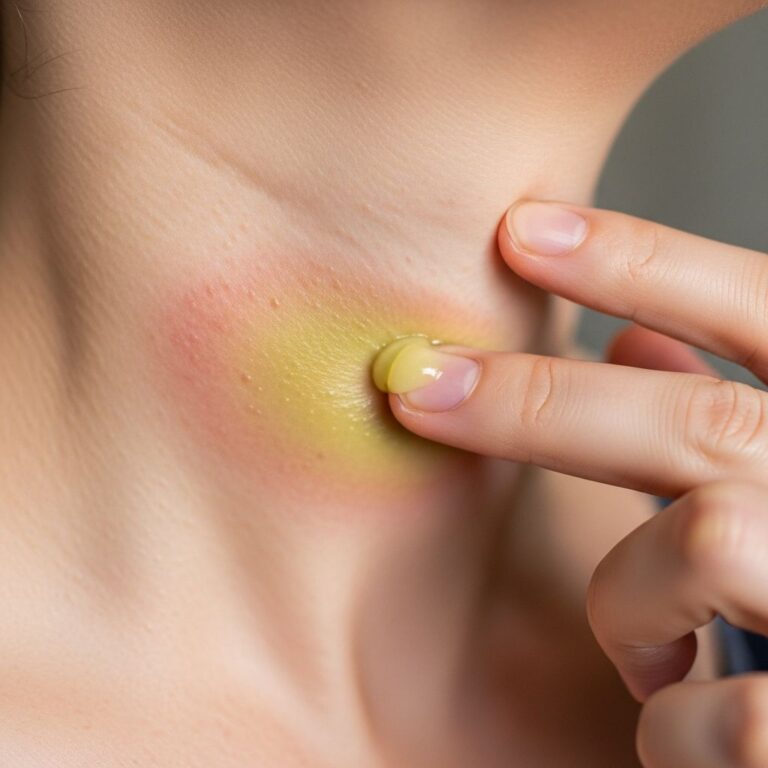
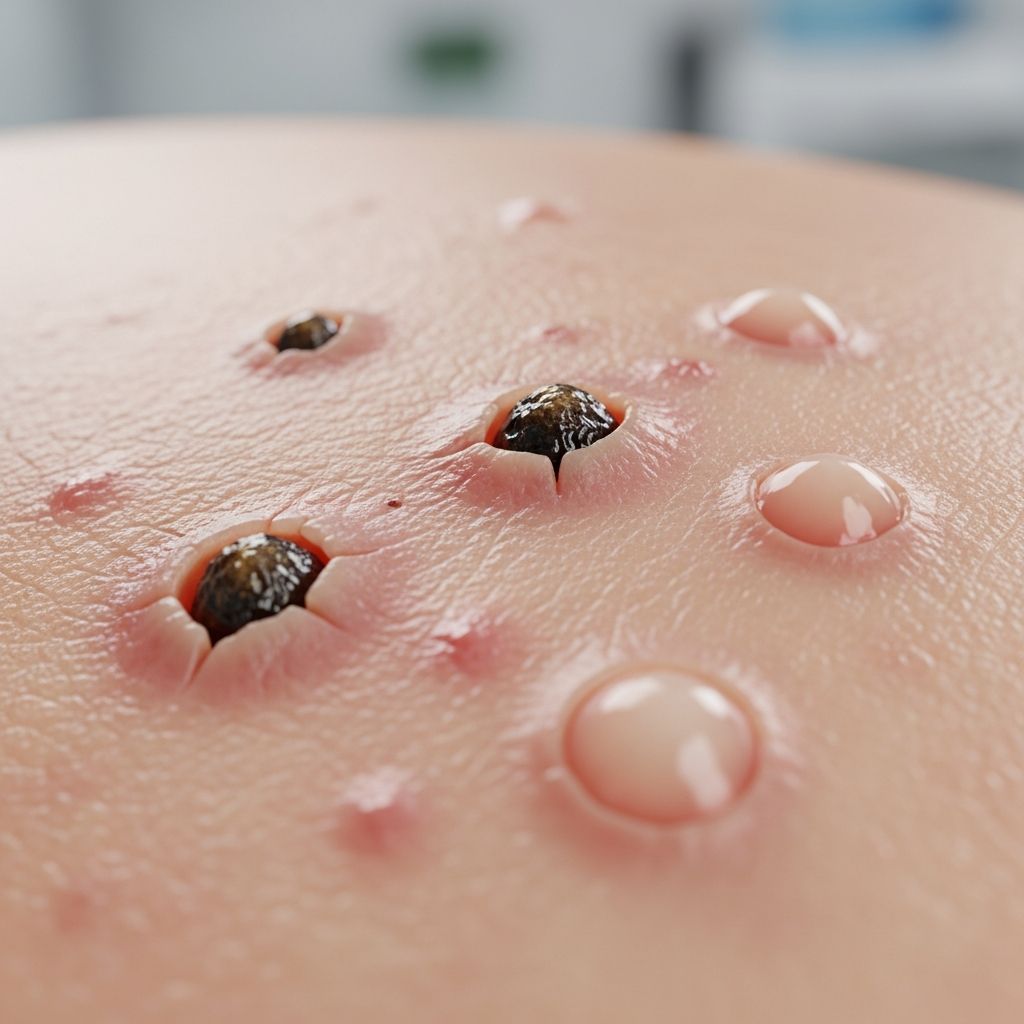
) is a plugged follicular orifice, representing the primary lesion in acne and various other skin conditions. Open comedones appear as grey, orange, brown, or black papules due to oxidized keratin, while closed comedones present as white or skin-coloured papules.What are comedones?
Comedones form when the hair follicle becomes obstructed by excess sebum, dead skin cells, and keratin debris. This blockage leads to dilation of the follicle, creating characteristic bumps on the skin. They are fundamental to understanding acne vulgaris, where they evolve into inflammatory lesions if untreated.
The term ‘comedo’ derives from Latin, meaning ‘glutton’ or ‘to devour,’ reflecting the follicle’s accumulation of material. Comedones are non-inflammatory initially but can progress to papules, pustules, nodules, or cysts in acne.
Types of comedones
- Open comedones (blackheads): These have a dilated opening to the skin surface, allowing oxidation of the dark keratin plug, giving a black appearance. Commonly found on the face, especially the nose, forehead, and chin.
- Closed comedones (whiteheads): The follicular opening is blocked, trapping the keratin and sebum beneath the skin surface, appearing as small white or flesh-coloured bumps. They are prevalent in comedonal acne patterns.
Skin conditions associated with comedones
Prominent comedones characterise several dermatological disorders beyond simple acne:
- Acne vulgaris: The most common, featuring both open and closed comedones alongside inflammatory lesions.
- Comedonal acne: Predominantly non-inflammatory, affecting forehead and chin with numerous comedones.
- Solar comedones: Occur on sun-damaged skin of older individuals, often in Favre-Racouchot syndrome with elastosis.
- Comedo naevus (nevus comedonicus): Rare hamartoma with grouped dilated follicles resembling comedones, often linear or zosteriform.
- Comedonal cysts: Retention cysts filled with keratin, either open or closed.
- Hidradenitis suppurativa: May show comedone-like lesions in apocrine areas.
Acne vulgaris and comedones
Acne affects hair follicles and sebaceous glands, starting with comedone formation due to hyperkeratinisation, excess sebum, and Propionibacterium acnes proliferation. Lesions include uninflamed comedones, papules, pustules, nodules, and pseudocysts.
Demographics: Affects 80-90% of adolescents, persisting into adulthood in many. Risk factors include family history, hormones, diet, and medications.
Pathogenesis of comedones in acne
Key factors:
- Increased sebum production from androgens.
- Abnormal keratinisation causing follicular hypercornification.
- Bacterial colonisation by Cutibacterium acnes.
- Inflammation via cytokines.
Comedonal acne
A subtype where comedones predominate, often on forehead and chin. Arises from sebaceous duct cornification and sebum overproduction, with inflammatory components.
Management:
- Oil-free skincare, gentle cleansing twice daily.
- Low-sugar, low-fat, low-dairy diet; smoking cessation.
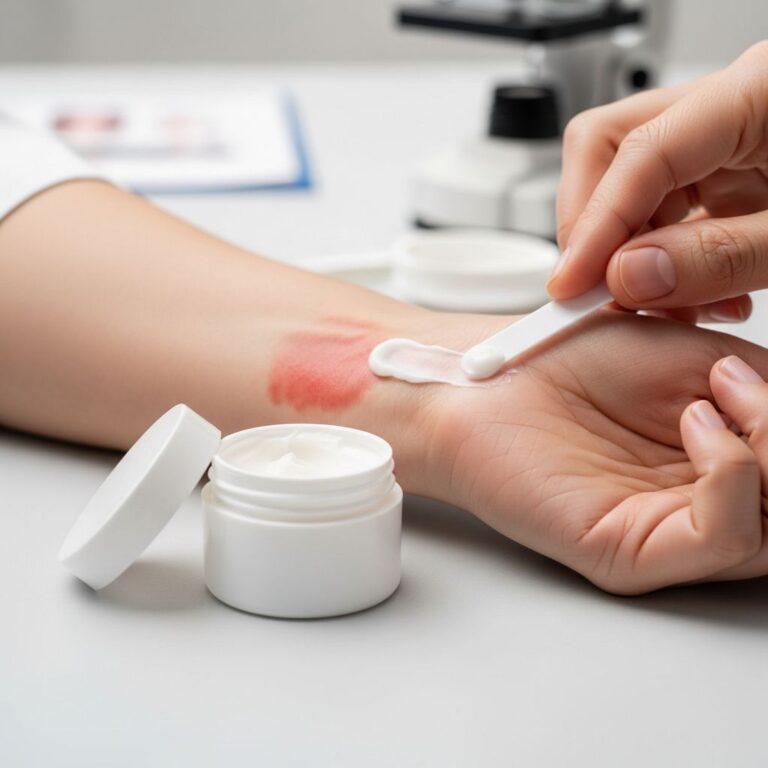
- Topical comedolytics: retinoids (adapalene, tretinoin), benzoyl peroxide, azelaic acid, salicylic acid.
- Oral options: isotretinoin for severe cases.
- Extraction for persistent lesions.
Solar comedones
Found on actinically damaged facial skin in middle-aged/older adults, unrelated to acne. Often open or closed, non-inflamed, associated with solar elastosis. Favre-Racouchot syndrome includes comedones, pseudocysts, and furrowed skin around eyes/temples/neck, linked to UV exposure and smoking.
Treatment: Topical retinoids, extraction, electrocautery, or laser; recurrence common.
Comedo naevus
Rare benign epidermal naevus with grouped dark keratin-filled follicles, resembling a honeycomb. Usually solitary on face, trunk, neck, arms; present at birth or early childhood. Genetic: somatic mutations in FGFR2, NEK9, or ABCA12; mosaic disorder.
Related Stories



Clinical features: Hyperkeratotic papules, linear/blaschkitis/zosteriform patterns. Syndrome associations: skeletal, ocular, CNS, cutaneous issues.
Complications: Cysts, abscesses, scarring (adolescence onset).
Pathology of comedonal cysts
Follicular retention cysts: open show dilated follicles with keratin; closed lack surface patency. Distinguished from solar types by absent elastosis.
Clinical features
Comedones vary by type:
| Type | Appearance | Location | Associations |
|---|---|---|---|
| Open (blackheads) | Black papules | Face (T-zone) | Acne vulgaris |
| Closed (whiteheads) | White papules | Forehead, chin | Comedonal acne |
| Solar | Skin-coloured | Cheeks, temples | Elastosis, smoking |
| Comedo naevus | Grouped, dark plugs | Trunk, limbs | Syndrome features |
Skin of colour variations minimal; complications include inflammation, scarring.
Diagnosis
Primarily clinical, aided by dermoscopy showing dilated follicles with keratin. Biopsy rarely needed: shows infundibular dilation, acanthosis, keratin lamellae. Differentials: milia, sebaceous hyperplasia, syringomas.
Differential diagnosis
- Milia: Small keratin cysts.
- Dilated pores: Sun-damaged enlarged follicles.
- Sebaceous filaments: Normal sebum-filled structures.
- Trichostasis spinulosa: Multiple vellus hairs in follicle.
Treatment
Tailored to condition:
- Topical: Retinoids, benzoyl peroxide, salicylic acid, azelaic acid for acne/solar.
- Procedural: Comedo extraction, chemical peels, laser, dermabrasion.
- For naevus: Topical retinoids, tazarotene; oral isotretinoin; excision, laser.
Prevention: Gentle cleansing, non-comedogenic products, sun protection.
Frequently Asked Questions (FAQs)
Q: What causes comedones?
A: Excess sebum, dead skin cells, and bacteria block follicles; hormones, diet, genetics contribute.
Q: How to remove blackheads at home?
A: Use salicylic acid cleansers; avoid picking. Professional extraction best.
Q: Do solar comedones go away?
A: They persist on sun-damaged skin; treatments manage but recurrence likely.
Q: Is comedo naevus cancerous?
A: Benign, but monitor for complications like cysts.
Q: Can diet affect comedones?
A: High glycemic/dairy diets worsen acne comedones; low-sugar diets help.
Outlook: Early treatment prevents scarring. Comedones in acne respond well to topicals; chronic conditions need ongoing management.
References
- Comedo naevus — DermNet NZ. 2022-02. https://dermnetnz.org/topics/comedo-naevus
- Comedonal acne — DermNet NZ. 2014-04. https://dermnetnz.org/topics/comedonal-acne
- Comedonal cyst pathology — DermNet NZ. 2013. https://dermnetnz.org/topics/comedonal-cyst-pathology
- Solar comedo — DermNet NZ. 2024-01. https://dermnetnz.org/topics/solar-comedo
- Acne — DermNet NZ. Recent. https://dermnetnz.org/topics/acne
- Comedones — DermNet NZ. 2017-02. https://dermnetnz.org/topics/comedones
Similar Articles








Read full bio of Sneha Tete