Comminuted Fracture: Symptoms, Causes & Treatment
Understanding comminuted fractures: causes, symptoms, treatment options, and recovery timeline for severe bone injuries.
What Is a Comminuted Fracture?
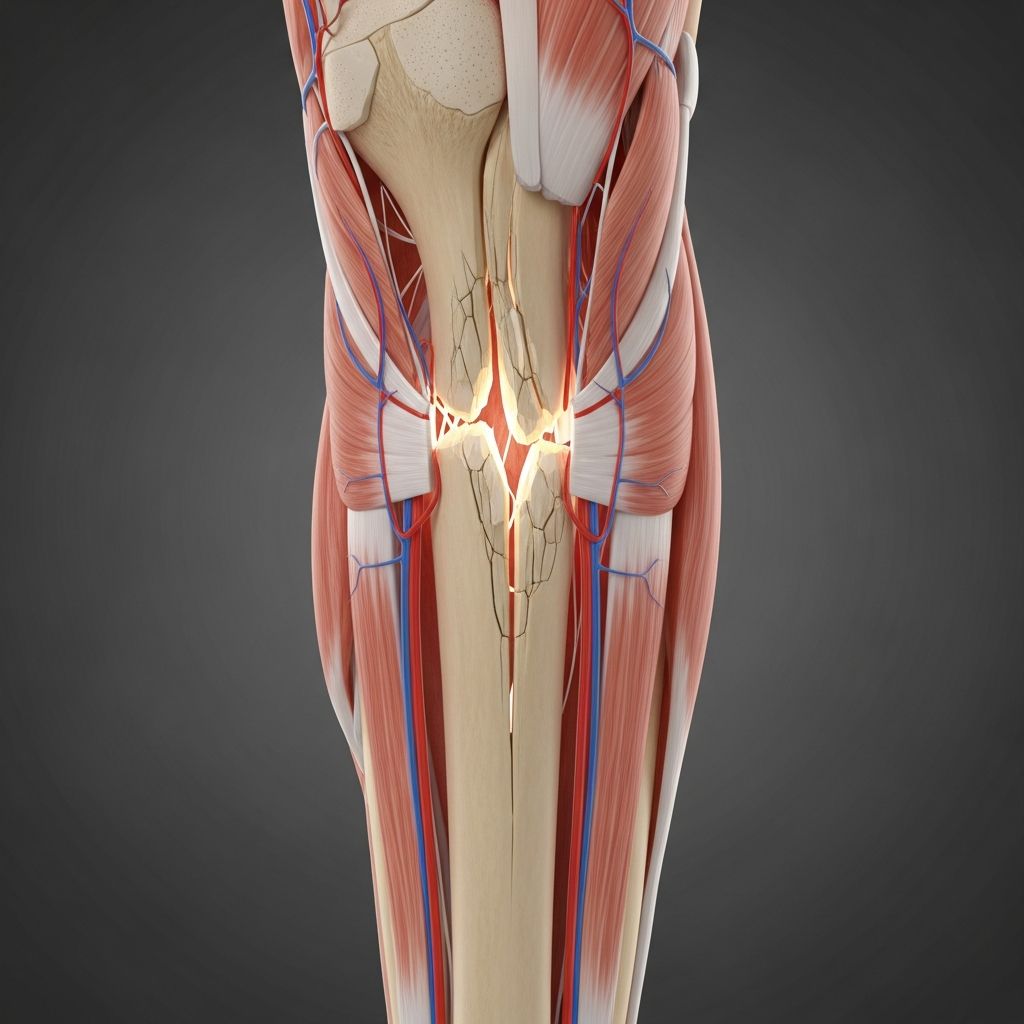
A comminuted fracture is one of the most severe types of bone injuries, occurring when a bone breaks into three or more pieces. This type of fracture typically results from high-impact trauma and represents a serious medical emergency requiring immediate professional attention. Unlike simple fractures where a bone breaks cleanly into two pieces, comminuted fractures involve significant bone fragmentation that makes the healing process more complex and prolonged.
The term “comminuted” comes from the Latin word meaning “to break into pieces,” which accurately describes the nature of this injury. These fractures are particularly concerning because the multiple bone fragments must be carefully realigned and secured during treatment to restore proper function to the affected area. The severity of comminuted fractures makes them distinct from other fracture types and demands specialized orthopedic intervention.
Understanding Comminuted Fractures vs. Segmental Fractures
While comminuted fractures involve bone breaking into multiple pieces, segmental fractures occur when a bone breaks in two different places and a section of the bone has separated from the rest of the bone due to the fracture. Some segmental fractures are comminuted, while others are not, making the distinction important for treatment planning. Both types of fractures are serious injuries that typically require surgical intervention.
The key difference lies in the pattern of the breaks. In a segmental fracture, there are two separate fracture points with an isolated bone segment in between, whereas comminuted fractures involve multiple irregular fracture lines throughout the bone. Understanding this distinction helps healthcare providers determine the most appropriate treatment approach for your specific injury.
Causes of Comminuted Fractures
Comminuted fractures are caused by severe traumas that exert significant force on the bone. The most common causes include:
High-Impact Incidents: Car accidents are among the leading causes of comminuted fractures, as the sudden deceleration and collision forces can crush bones severely. Motor vehicle accidents generate tremendous force that can shatter bones into multiple fragments.
Falls from Height: Falling from significant heights onto hard surfaces can cause comminuted fractures, particularly in the legs, pelvis, or arms as the body attempts to cushion the impact.
Crush Injuries: Direct crushing forces from heavy objects or machinery can pulverize bone into numerous pieces, creating comminuted fracture patterns.
Sports and Recreational Injuries: High-impact sports, motorcycle accidents, or severe athletic injuries can produce the force necessary to create comminuted fractures.
The severity of the trauma required to cause a comminuted fracture means that individuals who sustain this type of injury often have multiple injuries requiring coordinated medical care across multiple specialties.
Symptoms of Comminuted Fractures
If you have a comminuted fracture, you’ll also likely experience serious symptoms of the trauma that caused it. Your symptoms will depend on the other injuries you have, but in general, the symptoms of a comminuted fracture can include:
Pain and Swelling: Severe pain at the fracture site is universal, accompanied by significant swelling as the body’s inflammatory response activates to address the injury.
Related Stories



Deformity and Bruising: The affected area may appear visibly deformed or twisted, with extensive bruising developing around the injury site as blood vessels rupture from the trauma.
Loss of Function: The injured limb or body part typically cannot be used normally, with immediate loss of function being evident.
Numbness or Tingling: Nerve compression from bone fragments or swelling may cause abnormal sensations in the affected area or beyond.
Open Wound: In open fractures, the bone may break through the skin, creating a visible wound that increases infection risk.
The severity of symptoms reflects the serious nature of the injury. If you experience any combination of these symptoms following trauma, seek immediate medical attention in an emergency room.
Open vs. Closed Comminuted Fractures
Your healthcare provider will classify your fracture as either open or closed, a distinction that significantly affects treatment and recovery.
Open Fractures (Compound Fractures): If you have an open fracture, your bone breaks through your skin. Open fractures usually take longer to heal and have an increased risk of infections and other complications. The open wound created by the protruding bone creates a pathway for bacteria to enter the body, necessitating careful wound management and often antibiotic therapy. These fractures require meticulous surgical cleaning and may need multiple interventions to prevent serious infections like osteomyelitis.
Closed Fractures: Closed fractures are still serious, but your bone does not push through your skin. While they avoid the infection risk associated with open wounds, closed fractures can still cause significant internal bleeding and tissue damage around the fracture site.
Diagnosis of Comminuted Fractures
Your healthcare provider will diagnose a comminuted fracture with a physical exam and imaging tests. In some cases, this may be done in the emergency room if you’re admitted after trauma. If you’re taken to an ER, a team of providers will work to stabilize you and treat your injuries in the order of severity, especially if some are life-threatening. After you’re stabilized, you will need imaging tests to confirm your fracture.
Physical Examination: Your healthcare provider will perform a thorough physical examination, looking for visible deformities, swelling, bruising, and checking for any signs of nerve or blood vessel damage. They’ll gently palpate the area to assess tenderness and may test your ability to move the injured area.
Imaging Tests: You’ll need at least one of several imaging tests to take pictures of your fracture:
X-rays: X-ray imaging uses energy beams to take pictures of your bones and other parts of your body. Your bones will show up as white parts of the image. If your bone has a fracture, it’ll show up as a darker spot on the X-ray. X-rays are typically the first imaging study ordered because they’re quick, readily available, and effective for visualizing most fractures.
CT Scans: Computed tomography scans provide more detailed cross-sectional images of the bone and surrounding soft tissues. CT scans are particularly useful for comminuted fractures because they show the exact configuration of bone fragments, helping surgeons plan the surgical approach.
MRI Imaging: Magnetic resonance imaging creates detailed images of bone and soft tissue without using radiation. MRI is sometimes used to assess associated soft tissue injuries like ligament or nerve damage.
Treatment Options for Comminuted Fractures
Your treatment may vary based on your age, overall health, severity of the injury, tolerance for certain treatments, and your preferences. However, no matter which treatment you receive, the goal is to heal the injury, control your pain, avoid complications, and restore the function of the affected area.
Surgical Repair
You’ll need surgery to repair a comminuted fracture if one of your long or large bones is broken. There are a few techniques used to repair comminuted fractures, and which one your surgeon uses will depend on your injuries, which bone is fractured, and any other complications after your trauma.
Internal Fixation: Your surgeon will realign (set) your bones to their correct position and then secure them in place so they can heal and grow back together. They usually perform what’s called an internal fixation, which means your surgeon inserts pieces of metal into your bone to hold it in place while it heals. Internal fixation techniques include plates and screws, intramedullary rods, and various other metallic devices designed to maintain bone alignment during the healing process.
External Fixation: Surgeons sometimes recommend external fixation as a first step before more invasive surgeries to fix your comminuted fracture. External fixation uses a frame with pins or wires inserted through the skin into the bone fragments, holding them in proper alignment from outside the body. If you have lots of other injuries, your body might need time to regain its strength to be able to tolerate internal fixation surgeries. External fixation can be temporary, allowing your overall condition to stabilize before definitive internal fixation surgery.
Bone Grafting: You might need bone grafting if your comminuted fracture is severely displaced or if your bone isn’t healing back together as well as it should. Your surgeon will insert additional bone tissue to rejoin your fractured bone. After that, they’ll usually perform an internal fixation to hold the pieces together while your bone regrows. Bone grafts can come from several sources including autografts (your own bone), allografts (donor bone), or synthetic bone substitutes.
Non-Surgical Management
Immobilization with Cast or Splint: After your surgery, the part of your body with the fractured bone in it will be immobilized. Depending on where this is, you’ll need some combination of a brace, splint, or cast before you can start putting any weight on it again or using it like you did before your injury.
Traction: You might need to use a pulley, string, weight, or metal frame to stretch your muscles and tendons around the broken bone. This will help the ends of your bones stay in position and heal properly. Traction is particularly useful for certain fractures and may be used before surgical intervention.
Pain Management: You may need pain medicine to feel better. Your healthcare provider will recommend appropriate pain management strategies, which may include oral medications, intravenous pain relief during acute phases, or other pain control methods.
Recovery and Rehabilitation
If you have a comminuted fracture, you’ll have a longer road to recovery than people who get other types of broken bones. It might take up to a year to heal, especially if you have other injuries from your original trauma.
On their own, comminuted fracture surgeries are outpatient procedures, which means you might be able to go home the same day. However, it’s likely the trauma that led to your comminuted fracture caused other injuries that will require you to stay in the hospital to recover.
Physical Therapy: You will need physical therapy to regain strength and range of motion in the part of your body that was injured. This therapy will be part of your larger recovery plan from other injuries. Physical therapists will design progressive exercise programs to gradually rebuild strength and restore normal function to the injured area.
Follow-Up Care: Your provider may closely monitor your healing by taking periodic X-rays. You’ll have imaging performed at regular intervals to ensure your bone is healing properly and that the fixation devices are maintaining proper alignment.
Warning Signs: If you experience intense pain that doesn’t get better, contact your healthcare provider. Additionally, watch for signs of infection, compromised circulation, or nerve damage, including numbness, tingling, color changes, or unusual swelling.
Frequently Asked Questions
Q: How long does it take to recover from a comminuted fracture?
A: Recovery from a comminuted fracture can take up to a year or longer, especially if you have other injuries from the trauma that caused the fracture. The timeline depends on the specific bone fractured, the severity of fragmentation, your age, and overall health.
Q: Will I need surgery for a comminuted fracture?
A: Yes, most comminuted fractures of long or large bones require surgical repair. Surgery is necessary to realign the bone fragments and secure them in place using internal fixation (metal plates and screws), external fixation, or bone grafting techniques.
Q: What is the difference between an open and closed comminuted fracture?
A: An open fracture means the bone breaks through the skin, creating an open wound with increased infection risk and longer healing time. A closed fracture means the bone does not break through the skin, though both types are serious and typically require surgical intervention.
Q: Can a comminuted fracture heal without surgery?
A: Most comminuted fractures of major bones require surgery to ensure proper alignment and healing. However, the specific treatment approach depends on the bone affected, the severity of the fracture, and other injuries you may have sustained.
Q: What should I watch for during recovery from a comminuted fracture?
A: During recovery, watch for signs of infection, compromised circulation, or nerve damage such as intense pain, numbness, tingling, color changes, unusual swelling, or warmth around the surgical site. Contact your healthcare provider immediately if you experience these symptoms.
Q: Will physical therapy be necessary after comminuted fracture treatment?
A: Yes, physical therapy is an essential component of recovery from comminuted fractures. It helps restore strength, range of motion, and function to the injured area and is typically part of your comprehensive recovery plan.
Prognosis and Outlook
Comminuted fractures are very serious injuries. You may not know you have one until after you’ve been treated as a result of the trauma that hurt you. Even though it’s scary to find out you have a broken bone—especially a severe one—treatment for comminuted fractures has a very high success rate. Your healthcare provider and surgeon will guide you along your road to recovery, utilizing advanced surgical techniques and comprehensive rehabilitation programs to help restore function to the injured area.
References
- Comminuted Fracture: Symptoms, Causes & Treatment — Cleveland Clinic. 2021-12-27. https://my.clevelandclinic.org/health/diseases/22252-comminuted-fracture
- What Is a Comminuted Fracture? — WebMD. https://www.webmd.com/a-to-z-guides/comminuted-fracture-overview
- Bone Fractures: Types, Symptoms & Treatment — Cleveland Clinic. https://my.clevelandclinic.org/health/diseases/15241-bone-fractures
- Segmental Fracture: Symptoms, Causes & Treatment — Cleveland Clinic. https://my.clevelandclinic.org/health/diseases/22234-segmental-fracture
Similar Articles








Read full bio of medha deb