Constipation: 12 Causes And Solutions For Lasting Relief
Understand the most common causes of constipation and effective solutions to manage digestive health.
Understanding Constipation: Causes and Solutions
Constipation is one of the most common gastrointestinal complaints affecting people across all age groups worldwide. With an average prevalence of 16% globally, constipation impacts millions of individuals seeking relief from this uncomfortable condition. While occasional constipation is normal and typically benign, understanding its underlying causes can help you prevent and manage symptoms effectively. Constipation occurs when bowel movements become difficult, infrequent, or involve straining, often resulting in discomfort and reduced quality of life.
What is Considered Normal Bowel Function?
Before exploring the causes of constipation, it’s important to understand what constitutes a normal bowel pattern. Bowel movements vary significantly among individuals and are influenced by age, physiology, diet, and cultural factors. A “normal” schedule may range anywhere from 2-3 bowel movements per day to as few as 3 bowel movements per week. Rather than focusing on a fixed number, the key is understanding your personal baseline and recognizing when changes occur that deviate from your typical pattern.
Recognizing the Symptoms of Constipation
Constipation manifests through various symptoms that may occur individually or in combination. Common signs include abdominal pain, difficult or painful bowel movements, fewer than 3 bowel movements per week, bloating, general discomfort, straining during defecation, lumpy or hard stools, and a sensation of incomplete evacuation. If you experience at least two of these symptoms consistently over six months, you may meet the diagnostic criteria for functional constipation according to medical guidelines.
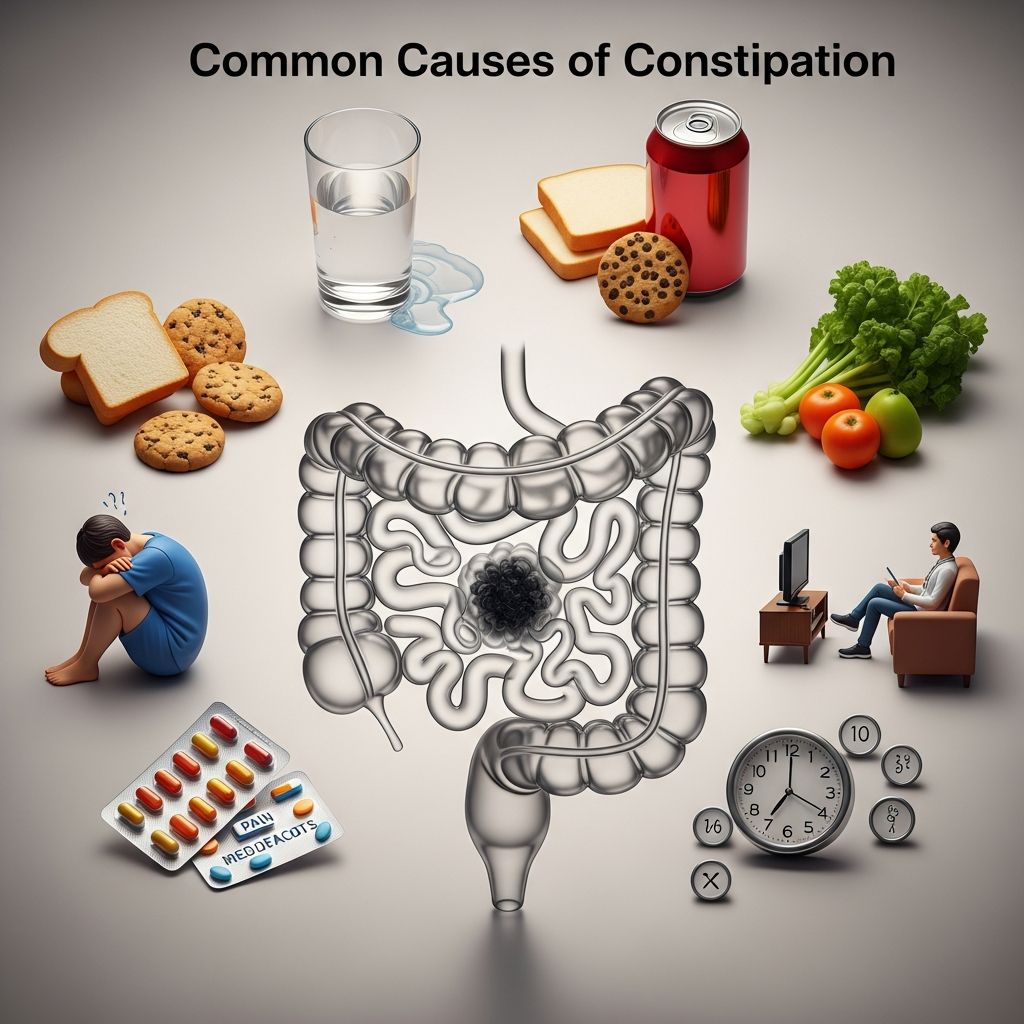
Major Causes of Constipation
Low Dietary Fiber Intake
One of the most prevalent causes of constipation is insufficient dietary fiber consumption. Fiber plays a crucial role in maintaining regular bowel movements by absorbing fluids, softening stool, and increasing its bulk. A low-fiber diet, typical of modern Western eating patterns that emphasize processed foods high in fats and sugars, significantly increases constipation risk. Most dietary guidelines recommend consuming 15-20 grams of fiber daily for optimal digestive health.
Solution: Gradually increase your fiber intake through a balanced diet incorporating fruits, vegetables, legumes, and whole grains. High-fiber foods include beans, whole grains, bran cereals, fresh fruits, and vegetables. Make these dietary changes gradually to allow your digestive system to adjust and prevent bloating or gas.
Dehydration and Insufficient Fluid Intake
Dehydration is a direct cause of constipation because it results in dry, hard stools that are difficult to pass through the digestive tract. When your body lacks adequate hydration, the colon absorbs excessive water from stool, creating the hard consistency characteristic of constipation. This problem becomes more acute in hot weather or during periods of physical activity when fluid loss increases.
Solution: Consume at least 8 cups of water and other fluids daily to soften stool and facilitate easier passage. Increase fluid intake during hot weather or when exercising. However, limit beverages containing caffeine, such as coffee, tea, and cola, as these act as diuretics and increase urine production, potentially worsening dehydration.
Related Stories



Physical Inactivity and Sedentary Lifestyle
A sedentary lifestyle significantly increases constipation risk. Physical activity stimulates intestinal muscles and promotes healthy bowel movements. When you remain inactive for extended periods or experience prolonged bed rest, your digestive system slows, contributing to constipation development.
Solution: Incorporate regular physical activity into your daily routine. Exercise stimulates gut motility and helps maintain healthy bowel function. Even moderate activities like walking, swimming, or gentle yoga can provide significant benefits.
Ignoring the Urge to Defecate
Many people develop constipation by routinely ignoring or delaying their natural urge to have a bowel movement. This habit causes the colon to reabsorb water from stool, making it harder and more difficult to pass. Over time, repeatedly ignoring these signals can train your digestive system to suppress the urge entirely.
Solution: Respond promptly to your body’s signals when you feel the need to defecate. Establish a regular bathroom routine and avoid delaying nature’s call. This simple practice helps maintain healthy bowel habits and prevents constipation development.
Medication Side Effects
Certain medications can contribute to constipation as a side effect. Opioid pain medications, some antidepressants, antacids containing calcium or aluminum, and certain iron supplements slow gut motility, leading to constipation. These medications affect the nerves and muscles controlling bowel movements, making constipation a common complaint among individuals taking these drugs.
Solution: If you suspect a medication is causing constipation, consult your healthcare provider immediately. Your doctor may adjust your dosage, switch you to an alternative medication, or recommend a laxative. Never discontinue medications without professional guidance.
Pregnancy-Related Constipation
Approximately 2 out of every 5 women experience constipation during pregnancy due to multiple factors. Hormonal changes during pregnancy affect the digestive system’s normal functioning. Additionally, the enlarging uterus creates physical pressure on the intestines, impairing their ability to move and propel stool. Pregnancy-related dietary changes and reduced physical activity further contribute to constipation development.
Solution: Pregnant women should consult their healthcare provider for guidance on managing constipation safely during pregnancy. Dietary modifications incorporating adequate fiber and fluids, combined with safe exercise approved by your physician, can provide significant relief.
Excessive Laxative Use
While laxatives provide short-term constipation relief, chronic overuse can create dependency. The intestines become conditioned to rely on laxatives, eventually losing their ability to function independently and produce natural bowel movements without medication assistance.
Solution: Use laxatives only as directed by your healthcare provider and after attempting all lifestyle modifications mentioned above. Focus on addressing underlying causes through diet and lifestyle changes rather than relying on laxatives. Various laxative types exist, including bulk-forming laxatives that increase stool weight, osmotic laxatives that absorb water to soften stool, stimulant laxatives that increase gut motility, and stool softeners that ease hard stool passage.
Stress and Anxiety
The brain and gut maintain intimate bidirectional communication through the “brain-gut axis.” This connection explains why stress and anxiety directly affect digestive function, slowing bowel movements and contributing to constipation. Your emotional state profoundly influences your gastrointestinal system’s performance.
Solution: Reduce stress through deep breathing exercises, meditation, yoga, or other relaxation techniques. Identify and avoid stress triggers when possible. Managing your mental health directly improves digestive health and can alleviate constipation symptoms.
Age-Related Constipation
Constipation prevalence increases significantly in elderly populations due to multiple interconnected factors. The natural aging process slows digestive system muscle activity. Seniors frequently suffer from chronic diseases affecting digestive movement and nerve function, such as diabetes. Additionally, older adults often take multiple medications that contribute constipation as a side effect.
Solution: Elderly individuals should maintain a healthy lifestyle including balanced nutrition, regular physical activity appropriate to their capabilities, adequate hydration, and regular medical checkups. Healthcare providers can monitor medication effects and adjust treatment plans accordingly.
Routine Changes and Travel
Your body’s biological clock, or circadian rhythm, significantly influences bowel habits. Travel, alterations to daily routines, or disruptions to your usual schedule can disturb these established patterns, resulting in constipation. The body thrives on consistency, and sudden changes confuse digestive function.
Solution: Maintain a consistent daily routine as much as possible, even while traveling. Stay hydrated and eat a balanced diet despite schedule changes. Returning to your normal routine typically resolves travel-related constipation naturally.
Underlying Medical Conditions
Several medical conditions contribute to chronic constipation by slowing gut motility or impeding stool passage. Irritable bowel syndrome (IBS), hypothyroidism, and diabetes can all cause constipation. Neurological conditions such as multiple sclerosis or Parkinson’s disease affect the nerves controlling bowel movements, leading to constipation development.
Solution: Consult your healthcare provider if you suspect an underlying medical condition causes constipation. Proper diagnosis and targeted treatment addressing the underlying condition can effectively resolve constipation symptoms.
Intestinal Obstruction
In rare cases, a partial or complete obstruction within the digestive tract can prevent stool and gas passage, causing severe constipation. This condition constitutes a medical emergency requiring immediate professional intervention and evaluation.
Solution: Seek immediate medical attention if you suspect an intestinal obstruction, as this requires urgent professional evaluation and treatment.
Effective Strategies for Constipation Relief
Fortunately, constipation responds well to dietary and lifestyle modifications for most individuals. These evidence-based strategies address underlying causes rather than merely masking symptoms:
Dietary Modifications
Consuming a diet providing 15-20 grams of daily fiber promotes soft, bulky stool formation. Emphasize whole grains, legumes, fresh fruits, and vegetables while minimizing processed foods containing little to no fiber. Simultaneously increase fluid intake to support fiber’s beneficial effects on bowel function.
Physical Activity
Regular exercise stimulates intestinal muscles and supports healthy bowel function. Incorporate daily movement into your routine through walking, swimming, cycling, or other activities you enjoy.
Hydration
Drinking adequate water and other non-caffeinated fluids softens stool and facilitates easier passage through the digestive tract.
Establishing Regular Bathroom Habits
Set aside dedicated time daily for bathroom visits, typically after meals when natural bowel movement urges occur most frequently. Consistency helps train your digestive system and normalize bowel function.
Frequently Asked Questions
Q: How many bowel movements per week indicate constipation?
A: Fewer than 3 bowel movements per week generally indicates constipation, though normal ranges vary widely among individuals. The key is recognizing changes from your personal baseline.
Q: When should I see a doctor about constipation?
A: Consult your healthcare provider if constipation persists beyond two weeks, causes severe pain, involves blood in stool, or if you experience unexplained weight loss alongside constipation symptoms.
Q: Are over-the-counter laxatives safe for long-term use?
A: Long-term laxative use can create dependency and reduce your intestines’ natural function. Use laxatives only as recommended by your healthcare provider and focus on lifestyle modifications for sustainable relief.
Q: How quickly does increasing fiber intake relieve constipation?
A: Most individuals notice improvement within a few days to a week of increasing fiber intake, though some require longer adjustment periods. Increase fiber gradually to minimize bloating or gas.
Q: Can stress really cause constipation?
A: Yes, the brain-gut connection means stress directly affects digestive function, slowing bowel movements and contributing to constipation. Managing stress can significantly improve digestive health.
References
- Constipation and the Gut-Brain Axis — Canadian Digestive Health Foundation. 2022. https://cdhf.ca/en/constipation-and-the-brain-gut-axis/
- Harvard Health Publishing Guide to Gastrointestinal Health — Harvard Medical School. 2021. https://www.health.harvard.edu/diseases-and-conditions/constipation
- Rome IV Diagnostic Criteria for Functional Gastrointestinal Disorders — The Rome Foundation. 2016. https://theromefoundation.org/
- Dietary Fiber and Digestive Health — Mayo Clinic. 2023. https://www.mayoclinic.org/
- The Brain-Gut Axis and Stress-Related Gastrointestinal Disorders — National Institutes of Health. 2022. https://www.nih.gov/
Similar Articles








Read full bio of medha deb