Summer Rashes: Causes, Treatments, And Prevention Tips
Discover the most frequent summer skin rashes, their triggers, symptoms, and effective prevention strategies for a rash-free season.
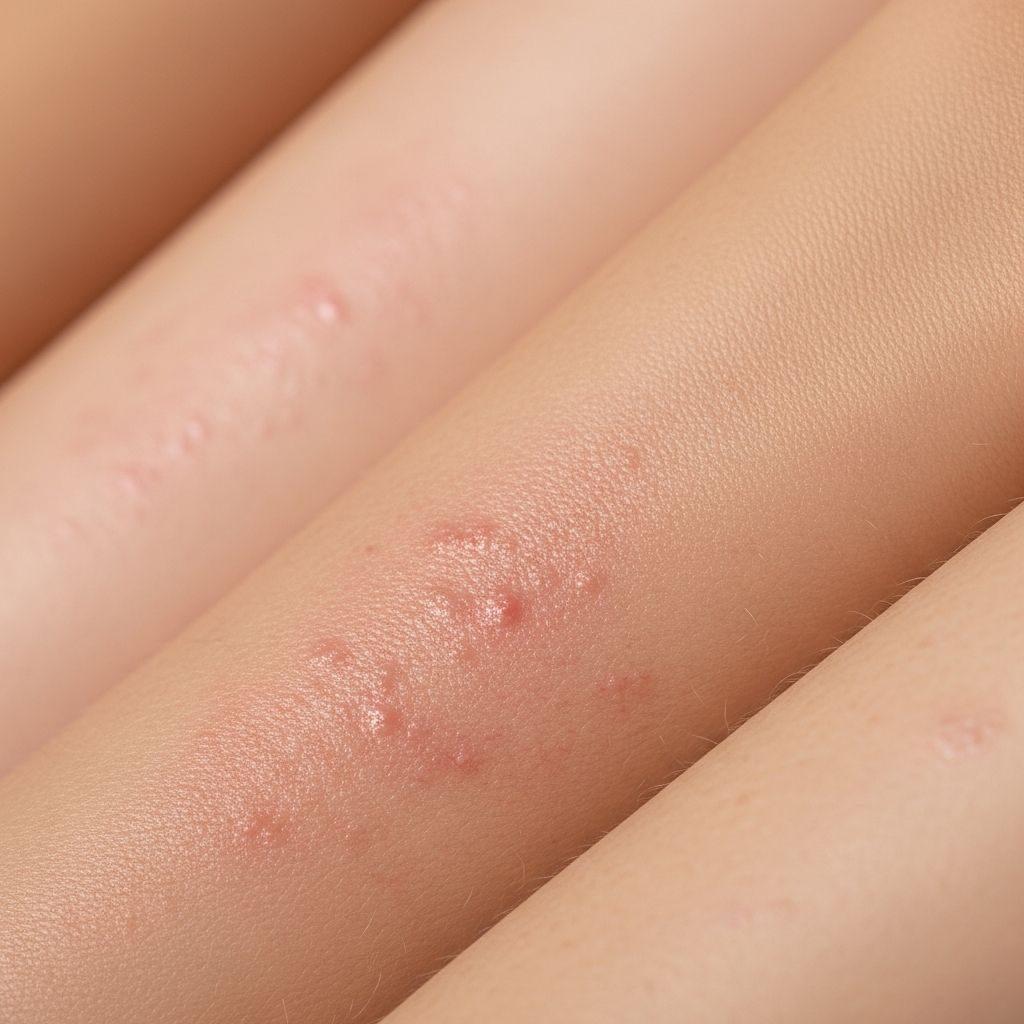
Summer brings warmth, outdoor activities, and unfortunately, a higher risk of skin rashes due to heat, sun exposure, sweat, insects, and allergens. These rashes affect millions, particularly in hot, humid climates, and can range from mild irritations to severe reactions requiring medical attention. Understanding the causes helps in prevention and prompt treatment.
What Causes Summer Rashes?
Summer rashes often stem from environmental factors like excessive heat, ultraviolet (UV) radiation, sweating, and increased insect activity. In Australia, for instance, many experience rashes from heat, sun, allergies, bites, or stings, with babies and those with pre-existing conditions being especially vulnerable. Heat and humidity block sweat ducts, while sun exposure triggers photosensitivity in susceptible individuals. Allergies to plants, chemicals, or medications exacerbate issues during peak outdoor seasons.
Heat Rash (Prickly Heat)
**Heat rash**, also known as prickly heat, occurs when sweat ducts become blocked, trapping sweat under the skin and causing inflammation. This is common in hot, humid weather where overheating leads to tiny bumps, blisters, red spots, itching, prickling sensations, and mild swelling. It frequently appears in skin folds like the neck, armpits, groin, or under breasts.
Infants are prone due to underdeveloped sweat glands, and adults in tight clothing or hot environments face higher risks. Unlike other rashes, it resolves quickly with cooling but can worsen if scratched.
Treatment for Heat Rash
- Move to a cool, air-conditioned area and use fans to reduce sweating.
- Take cool showers or baths; pat skin dry gently.
- Wear loose, breathable cotton clothing to minimize friction and heat trapping.
- Avoid ointments that block pores; use calamine lotion for itch relief if needed.
- Stay hydrated and limit sun exposure.
Symptoms typically clear in days with these measures. Consult a doctor if persistent or infected.
Sun-Related Rashes
Sun exposure causes several rashes beyond classic sunburn.
Photosensitivity
or sun rash develops in some upon direct sunlight contact, manifesting as itchy, red patches. This can result from medications like antibiotics, or contact with chemicals, fragrances, dyes, disinfectants, or sunscreens, leading tophotodermatitis
.Polymorphous Light Eruption (PMLE)
**PMLE** is a common itchy, red rash on the neck, chest, arms, or face triggered by spring or early summer sun. It usually self-resolves in days but recurs seasonally. Unlike sunburn, which is painful red skin from UV overexposure potentially blistering, PMLE is an allergic-like response.
**Sunburn** prevention is key: apply broad-spectrum SPF 30+ sunscreen, reapply every 2 hours, wear protective clothing, and seek shade.
Treatment for Sun Rashes
- Cool compresses and aloe vera for soothing.
- Over-the-counter hydrocortisone cream for inflammation.
- Antihistamines for itching; avoid triggers like certain meds.
Insect Bites and Stings
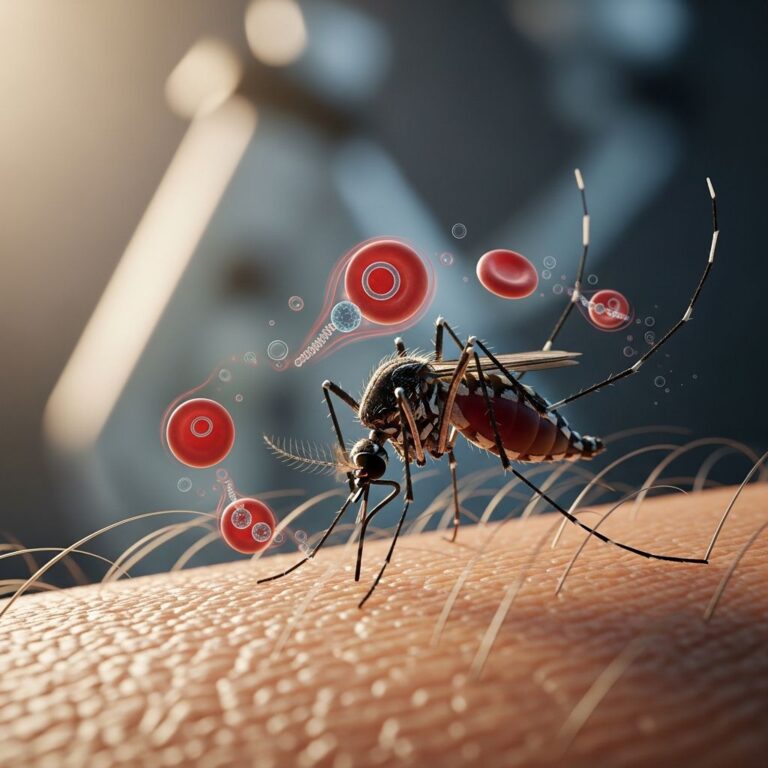
Summer insects like mosquitoes, bees, wasps, fire ants, and ticks cause itchy, red welts or bumps via allergic reactions. Bites often swell and itch intensely, while stings may lead to hives or anaphylaxis in severe cases—a medical emergency.
Related Stories



**Swimmer’s itch** (cercarial dermatitis) arises from parasites in warm shallow waters, causing reddish spots, welts, or blisters on exposed skin.
Seabather’s eruption
from jellyfish or sea anemone larvae trapped under swimsuits leads to similar itchy rashes.Treatment
- Clean with soap and water; apply ice or cool compresses.
- OTC hydrocortisone or calamine lotion; oral antihistamines.
- For severe reactions, seek epinephrine and medical care.
Plant Contact Rashes
Plants like poison ivy, oak, sumac contain urushiol oil, triggering allergic dermatitis with redness, swelling, blisters, and intense itching. Wild parsnip, giant hogweed, or citrus can cause phytophotodermatitis—sunlight hypersensitivity post-contact.
Prevention and Treatment
| Step | Action |
|---|---|
| Immediate | Wash skin, clothes, nails with soap to remove oil. |
| Symptom Relief | Calamine lotion, 1% hydrocortisone; trim nails to prevent spreading. |
| Avoid | Anesthetics or antihistamine ointments that may cause further allergy. |
| Medical | Severe cases: oral steroids from doctor. |
Swimming-Related Rashes
**Hot tub folliculitis** (hot tub rash) from bacteria in unclean pools or hot tubs infects hair follicles, causing itchy pimples or pus-filled blisters 12-48 hours post-exposure. Damp swimsuits can also trigger it.
**Swimmer’s itch** as noted earlier, affects shallow water play. Treatment: shower immediately, avoid scratching, use oatmeal baths or baking soda paste; prescription creams for severe itch.
Sand-Related Issues
**Cutaneous larva migrans** from dog/cat hookworm larvae in contaminated sand penetrates skin, causing serpentine itchy tracks. Prevent by wearing shoes on pet beaches; treat with prescription anti-parasitics like ivermectin.
Chronic Skin Conditions Worsening in Summer
Heat and sweat aggravate
eczema
(atopic dermatitis),psoriasis
,rosacea
,seborrheic dermatitis
, and fungal infections like tinea. Eczema flares from chlorine, sweat; psoriasis from Koebner phenomenon (injury in heat).Management Tips
- Daily fragrance-free moisturizers, especially post-swim/bath.
- Broad-spectrum, mineral-based sunscreens (SPF 30+).
- Mild soaps; avoid hot showers.
- Consult dermatologist for tailored plans.
Other Summer Rashes
**Molluscum contagiosum** (water warts): Viral pearly bumps common in humid summers; self-resolve in 6-12 months, no FDA-approved treatments.
Impetigo
: Bacterial crusty sores needing antibiotics.General Prevention Strategies
To minimize summer rashes:
- Clothing: Light, loose cotton; UPF fabrics.
- Hygiene: Shower after swimming/outdoors; dry thoroughly.
- Sun Protection: Sunscreen, hats, shade 10am-4pm.
- Hydration: Drink water; cool environments.
- Insect Repellent: DEET-based; check for ticks.
- Avoid known allergens/plants.
When to See a Doctor
Seek medical help for rashes with fever, spreading infection, pus, severe swelling, breathing issues, or lasting >1 week. Chronic conditions worsening warrant dermatologist review.
Frequently Asked Questions (FAQs)
What is the most common summer rash?
Heat rash (prickly heat) tops the list, caused by blocked sweat ducts in hot, humid conditions.
How do I treat sunburn?
Cool compresses, aloe vera, moisturizers, pain relievers; prevent with SPF 30+ sunscreen reapplied often.
Can babies get summer rashes?
Yes, infants are highly prone to heat rash due to sensitive skin; keep cool and use gentle care.
Does poison ivy rash spread by scratching?
No, but urushiol under nails can spread it; wash immediately.
How long does swimmer’s itch last?
Usually 7-10 days with home care; severe cases need prescription relief.
References
- Summer skin rashes – heat rash, hives and treatment — Healthdirect (Australian Government). 2023. https://www.healthdirect.gov.au/summer-skin-rashes
- 12 Common Summertime Skin Rashes in Children — American Academy of Pediatrics (healthychildren.org). 2023-10-01. https://www.healthychildren.org/English/health-issues/conditions/skin/Pages/Common-Summertime-Skin-Rashes-in-Children.aspx
- A Guide to Common Summer Rashes — Forefront Dermatology. 2024. https://forefrontdermatology.com/a-guide-to-common-summer-rashes/
- Summertime Skin Rashes — American Academy of Allergy, Asthma & Immunology (AAAAI). 2023. https://www.aaaai.org/tools-for-the-public/conditions-library/allergies/summertime-skin-rashes
- 12 summer skin problems you can prevent — American Academy of Dermatology (AAD). 2024. https://www.aad.org/public/everyday-care/skin-care-secrets/routine/prevent-summer-skin-problems
- Heat rash – Symptoms & causes — Mayo Clinic. 2024-05-15. https://www.mayoclinic.org/diseases-conditions/heat-rash/symptoms-causes/syc-20373276
Similar Articles








Read full bio of medha deb