Common Cold: Symptoms, Causes, and Treatment Guide
Learn about common cold symptoms, causes, transmission, and effective home remedies for relief.
Common Cold: Understanding This Common Viral Infection
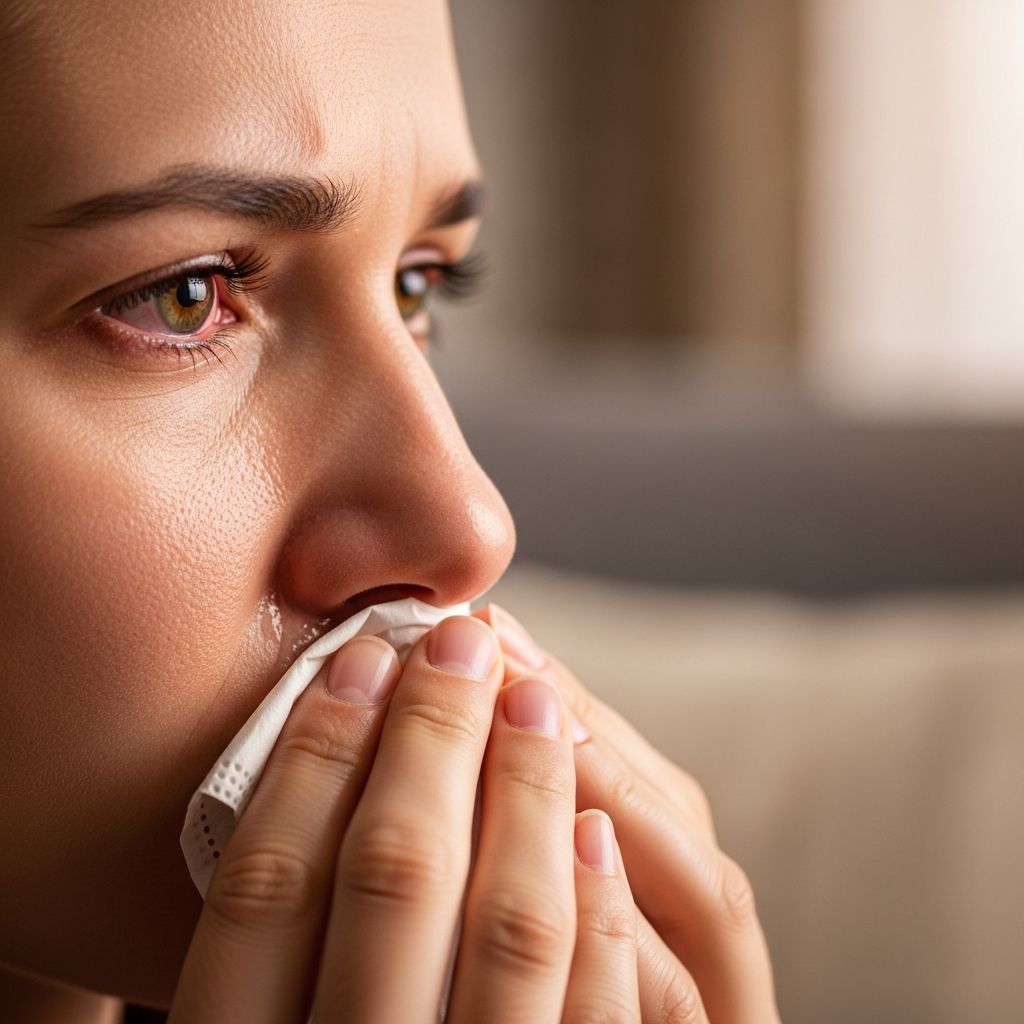
The common cold is one of the most prevalent viral respiratory infections affecting people of all ages. It is caused by various viruses that inflame the membranes lining your upper respiratory tract, including your nose and throat. While the common cold can cause significant discomfort, it is generally harmless and resolves on its own within one to two weeks with appropriate home care and symptom management.
Understanding the causes, symptoms, and treatment options for the common cold can help you manage the illness effectively and know when to seek medical attention. This comprehensive guide provides evidence-based information to help you navigate this common respiratory condition.
What Causes the Common Cold?
The common cold is caused by more than 200 different types of viruses, with rhinoviruses being the most common culprits. Other viruses that can cause cold symptoms include coronaviruses, parainfluenza viruses, human metapneumoviruses, adenoviruses, and enteroviruses. These viruses enter your body through your mouth, eyes, or nose and begin to multiply in the cells of your upper respiratory tract.
Cold viruses are highly contagious and spread through multiple pathways. A cold virus can spread by droplets in the air when someone who is sick coughs, sneezes, or talks. Additionally, the virus can be transmitted through hand-to-hand contact with someone who has a cold or by sharing contaminated objects such as dishes, towels, toys, telephones, doorknobs, and utensils. You can catch a cold at any time of year, but it is more likely during colder months when people spend more time indoors in close contact with each other.
Recognizing Common Cold Symptoms
Cold symptoms typically begin one to three days after exposure to a cold virus. The symptoms can vary from person to person and may develop gradually over several days. Common cold symptoms include:
- Runny or stuffy nose
- Sore throat
- Cough
- Sneezing
- Watery eyes
- Mild body aches
- Low-grade fever or no fever
- Fatigue or tiredness
- Headache
Symptoms can be mild to moderate in severity and typically resolve within seven to ten days. However, some people may experience a lingering cough that persists for several weeks. Most colds do not develop into more serious conditions, though complications can occur in certain populations.
How the Body Responds: Understanding Nasal Congestion
During a cold, your body produces extra mucus to help clear germs from your nose and sinuses. This excess mucus production causes the veins in your nose to become inflamed, resulting in swollen nasal tissues. The inflammation and mucus buildup can interfere with the sinuses’ ability to drain properly, causing the characteristic congestion associated with a cold. This nasal congestion creates pressure or pain in the forehead, between or behind the eyes, and in some cases, in the teeth. Understanding this biological response can help you appreciate why certain remedies focus on reducing inflammation and clearing mucus.
Related Stories



Managing Common Cold Symptoms at Home
Since there is no cure for the common cold, treatment focuses on managing symptoms and allowing your immune system to fight the infection. Most people with cold symptoms will not require specific medical treatment and can take steps at home to manage their symptoms and prevent spreading the virus to others. Here are evidence-based strategies for symptom relief:
Rest and Recovery
Getting plenty of rest is one of the most important steps in treating a cold. When you rest, your body can focus its energy on fighting the viral infection. Stay home to recuperate and to avoid spreading the virus to others. Adequate sleep helps strengthen your immune system’s response to the infection.
Hydration
Drinking plenty of fluids is essential for cold recovery. Water, herbal teas, and warm broths help loosen congestion and prevent dehydration. Mom’s chicken soup and other warm fluids can be soothing and help relieve congestion. Avoid caffeinated beverages, which may have a mild diuretic effect.
Over-the-Counter Medications
Over-the-counter medications can help alleviate cold symptoms and improve your comfort while you recover. Options include:
- Pain relievers and fever reducers: Acetaminophen (Tylenol) or ibuprofen (Advil, Motrin IB) can relieve pain, aches, and fever in adults. Do not give children or teenagers aspirin, as it has been linked to Reye’s syndrome, a rare life-threatening condition.
- Decongestants: Help relieve nasal congestion and sinus pressure
- Antihistamines: May help reduce sneezing and runny nose symptoms
- Cough medicine: Can help suppress cough symptoms
- Throat lozenges: Provide temporary sore throat relief
Always ask your healthcare provider or pharmacist about appropriate over-the-counter medicines and mention any other prescription or over-the-counter medications you are taking to avoid harmful interactions. Always use over-the-counter medicines as directed on the package label.
Home Remedies and Comfort Measures
Several home remedies can provide relief from cold symptoms:
- Saline nasal drops or spray: Help relieve nasal congestion without medications
- Steam inhalation: Breathing steam from a bowl of hot water or during a hot shower can help clear nasal passages and ease congestion
- Warm salt water gargle: Gargling with warm salt water can soothe a sore throat
- Humidifier or cool mist vaporizer: Using a clean humidifier increases moisture in the air, which can ease congestion and soothe irritated nasal passages
- Petroleum jelly: Apply around the nose and lips to prevent rawness and chapping from frequent nose blowing
- Healthy nutrition: Eating nutritious foods supports your immune system’s ability to fight the infection
For young children, a rubber suction bulb can be used to gently clear mucus from the nose.
What About Antibiotics?
A common misconception is that antibiotics can treat a cold. However, antibiotics do not work against viruses and will not help you feel better or speed up your recovery. Antibiotics are medications that fight infections caused by bacteria, not viruses. Since colds are caused by viruses, antibiotics are ineffective. Healthcare providers do not recommend antibiotics for colds for this reason.
In rare cases, a viral infection can lead to a secondary bacterial infection, such as pneumonia or a bacterial ear infection, which would require antibiotic treatment. However, antibiotics would only be prescribed to treat the bacterial complication, not the original viral cold.
Supplements and Alternative Remedies
You may have heard claims about supplements and herbal remedies such as zinc, vitamin C, and echinacea for treating or preventing colds. Researchers have not found evidence that these remedies can prevent colds. However, zinc may help shorten the duration of the illness and reduce symptom severity. It is important to note that nasal zinc sprays may cause permanent loss of smell, especially with repeated use. Always consult with your healthcare provider before starting any supplements or alternative treatments.
When to Seek Medical Attention
While most colds are mild and self-limiting, certain situations warrant medical evaluation. You should contact your healthcare provider if:
- Your symptoms persist or worsen after 10 days
- You develop a cough lasting more than three weeks
- You have cold symptoms and a long-term medical condition such as diabetes or heart, lung, or kidney disease
- You have cold symptoms and a weakened immune system
- You develop symptoms suggesting COVID-19 or influenza, especially if you are at higher risk for severe illness
- You experience signs of complications such as severe headache, chest pain, shortness of breath, or confusion
Potential Complications
Although the common cold is usually harmless, it can occasionally lead to more serious conditions, particularly in certain populations. Possible complications include:
- Sinusitis: A common cold that lasts for an extended period can lead to swelling and pain in the sinuses, which are air-filled spaces in the skull above the eyes and around the nose. Either a virus or bacteria may cause sinusitis.
- Pneumonia or bronchitis: The common cold can lead to illnesses of the lungs such as pneumonia or bronchitis.
- Ear infections: Particularly common in children
- Asthma exacerbation: People with asthma have an increased risk of complications from colds
People with weakened immune systems have an increased risk of developing serious complications from a cold. If you notice symptoms of these complications, seek medical attention promptly.
Prevention Strategies
While you cannot always prevent catching a cold, you can reduce your risk of infection by following these strategies:
- Wash your hands frequently and thoroughly with soap and water, especially before eating and after being around sick people
- Avoid touching your eyes, nose, and mouth with unwashed hands
- Avoid close contact with people who are sick
- Clean and disinfect frequently touched surfaces
- Cover your mouth and nose when coughing or sneezing
- Stay home when you are sick to avoid spreading the virus to others
- Maintain a healthy lifestyle with adequate sleep, regular exercise, and a balanced diet to support immune function
Cold Versus Flu: Understanding the Difference
Some cold symptoms and flu symptoms are similar, making it important to see your primary care provider if you have concerns about whether you have a cold or the flu. Generally, flu symptoms tend to be more severe and come on more suddenly than cold symptoms. If you suspect you have the flu or develop a fever, contact your provider right away, as you may be eligible for antiviral treatment that can lessen symptoms and shorten the duration of illness.
Frequently Asked Questions
Q: How long does a common cold last?
A: Most colds last between seven to ten days, though some symptoms like a cough may persist for a few weeks after the acute illness has resolved.
Q: Can I catch a cold from cold weather?
A: You cannot catch a cold directly from cold weather. However, you are more likely to catch a cold during winter months because people spend more time indoors in close contact with each other. Additionally, research suggests that cold temperatures may affect your immune system’s response to the rhinovirus.
Q: Is it safe to give my child over-the-counter cold medicines?
A: Check with a healthcare provider before giving your child over-the-counter cold medications. Some of these medications are not safe for children. Additionally, be careful not to combine medicines that treat multiple symptoms, as you could get too much of some ingredients, which could cause other health problems.
Q: Can I go to work or school with a cold?
A: It is best to stay home while you are sick to avoid spreading the virus to others. Most people with colds should remain home during the acute phase of illness.
Q: Do I need an antibiotic if my cold develops into a cough?
A: Not necessarily. A cough is a common symptom of a viral cold and does not require antibiotic treatment. However, if your cough persists for more than three weeks or you develop signs of a bacterial infection like pneumonia, contact your healthcare provider.
References
- Common Cold: Symptoms and Treatments — UCHealth. Accessed December 2025. https://www.uchealth.org/diseases-conditions/common-cold/
- Manage Common Cold — Centers for Disease Control and Prevention (CDC). Accessed December 2025. https://www.cdc.gov/common-cold/treatment/index.html
- Common Cold – Symptoms and Causes — Mayo Clinic. Accessed December 2025. https://www.mayoclinic.org/diseases-conditions/common-cold/symptoms-causes/syc-20351605
- Common Head Cold: Symptoms, Causes and Treatment — Sudafed. Accessed December 2025. https://www.sudafed.com/know-your-congestion/common-cold
- Common Cold (Rhinovirus): Symptoms, Causes & Treatment — Cleveland Clinic. Accessed December 2025. https://my.clevelandclinic.org/health/diseases/12342-common-cold
- Common Cold — National Health Service (NHS). Accessed December 2025. https://www.nhs.uk/conditions/common-cold/
- Cold Remedies: What Works, What Doesn’t, What Can’t Hurt — Mayo Clinic. Accessed December 2025. https://www.mayoclinic.org/diseases-conditions/common-cold/in-depth/cold-remedies/art-20046403
- Common Cold: Symptoms, Treatment, and Prevention — Mass General Brigham. Accessed December 2025. https://www.massgeneralbrigham.org/en/about/newsroom/articles/common-cold-treatment
Similar Articles








Read full bio of Sneha Tete