Common Cold: Symptoms, Causes & Treatment Guide
Complete guide to understanding, treating, and managing the common cold effectively.
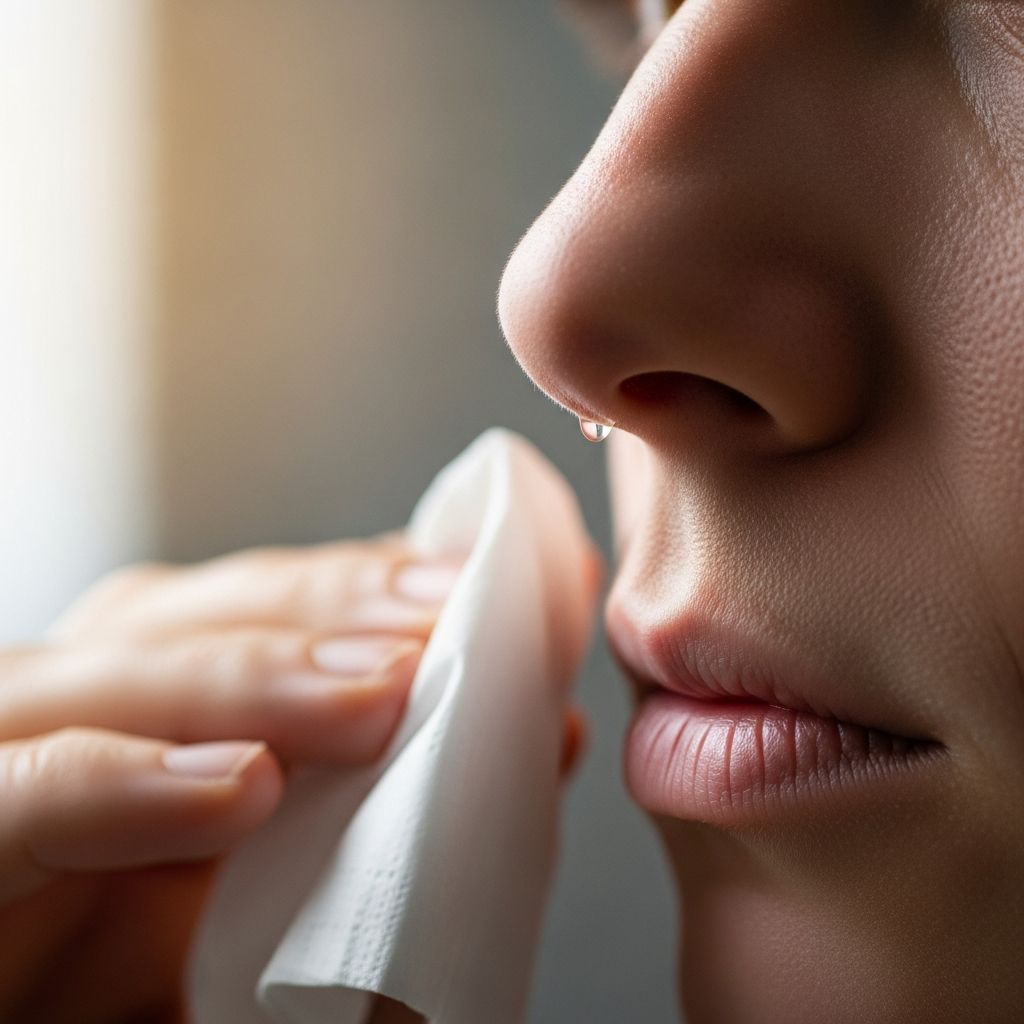
The common cold is one of the most frequent infections affecting people worldwide, causing discomfort and disruption to daily routines. This upper respiratory infection impacts your nose, sinuses, throat, and windpipe, spreading with remarkable ease through homes, classrooms, and workplaces. While generally harmless, understanding the progression and management of a cold can help you recover more efficiently and minimize its impact on your life.
What is the Common Cold?
The common cold is a viral infection of the upper respiratory tract, most commonly caused by rhinoviruses. Unlike bacterial infections, colds cannot be treated with antibiotics and must run their natural course. This self-limiting illness typically affects multiple parts of your respiratory system simultaneously, causing a range of bothersome symptoms that evolve as your immune system fights the virus.
The infection spreads easily through respiratory droplets when infected individuals cough or sneeze, making it highly contagious in close-quarters environments. Once the virus enters your body, it takes hold in the tissues lining your upper respiratory tract, triggering an inflammatory response that produces the characteristic symptoms associated with colds.
The Three Stages of a Common Cold
Cold symptoms typically appear in predictable stages, with each phase bringing different symptoms and varying severity levels. Understanding these stages helps you anticipate what’s coming and better manage your recovery.
Stage 1: Early Stage (Days 1-3)
The initial stage often begins subtly, sometimes with just a tickle in your throat. About half of all people experiencing a cold report a tickly or sore throat as their first noticeable symptom. During this early phase, you may also experience:
- Runny nose with initial mucus production
- Sneezing as your body’s natural response to viral irritation
- Mild fatigue and reduced energy levels
- Mild headaches in some cases
- Low-grade fever, particularly in children
This stage serves as your body’s initial warning system. Many people don’t immediately realize they’re developing a cold, attributing early symptoms to allergies or other minor irritations. However, within one to three days of exposure to the cold virus, these symptoms typically become more apparent.
Stage 2: Active Stage (Days 4-7)
During this middle phase, your symptoms typically worsen or peak. This is usually when people feel most miserable, as the viral infection reaches its peak activity. You may experience:
- Pronounced nasal congestion making breathing difficult
- Persistent dry cough that may progress to a wet cough with mucus
- Increased body aches and muscle pain
- More pronounced fatigue and weakness
- Loss of appetite
- Chest congestion with coughing up mucus
This stage represents the peak of your illness, where the accumulation of mucus and inflammation causes maximum discomfort. The progression from a dry cough to a productive wet cough indicates your body’s attempt to clear the infection from your respiratory tract.
Related Stories



Stage 3: Late Stage (Days 8-10)
The final stage shows gradual improvement as your immune system gains the upper hand against the virus. Symptoms begin to subside, though some may linger longer than others:
- Residual runny nose and cough that gradually improve
- Thicker nasal discharge that may change color
- Improving energy levels and reduced fatigue
- Decreasing nasal and chest congestion
- General sense of returning to normalcy
While most people feel substantially better by day 10, some individuals develop a nagging cough that can persist for up to two months following the respiratory infection. This lingering cough, though annoying, is typically not serious.
Common Cold vs. Other Respiratory Illnesses
Distinguishing between a cold, the flu, and other respiratory infections helps guide appropriate treatment and care decisions. Here’s how the common cold compares to similar conditions:
| Symptom | Common Cold | Influenza (Flu) | Sinus Infection |
|---|---|---|---|
| Fever | Rare or low-grade | High fever (100-102°F or higher) | Possible but varies |
| Body Aches | Mild to moderate | Severe | Rare |
| Fatigue | Moderate | Severe | Usually more severe |
| Headaches | Mild to moderate | Severe | More common and severe, localized |
| Coughing | Common | More severe, hacking | More persistent |
| Sneezing | More common | Uncommon | More common in colds |
| Chills | Rare | Common | Rare |
| Duration | 7-10 days | 1-2 weeks | Variable, often longer |
Understanding these distinctions helps you determine whether home treatment is appropriate or if medical attention might be necessary. The flu typically presents more severely and suddenly, while colds develop gradually and cause milder symptoms overall.
Treatment Options for the Common Cold
There is currently no cure for the common cold, which means you must allow your body’s immune system to fight off the virus naturally. However, numerous treatment strategies can help manage symptoms and maintain your comfort throughout the illness.
Over-the-Counter Medications
Over-the-counter (OTC) medications provide effective symptom relief while your body recovers. Common options include:
- Pain relievers: Acetaminophen (Tylenol) or ibuprofen (Advil) can reduce fever and alleviate body aches
- Antihistamines: Help control sneezing and runny nose symptoms
- Decongestants: Reduce nasal congestion and sinus pressure
- Cough suppressants: Help control persistent coughing
- Expectorants: Thin mucus to make coughing more productive
When selecting OTC medications, consult with a pharmacist or healthcare provider to ensure you’re choosing the most appropriate option for your specific symptoms and any existing health conditions.
Home Remedies and Natural Approaches
Several self-care strategies can significantly improve your comfort during a cold:
- Rest: Adequate sleep allows your immune system to focus its energy on fighting the infection
- Stay hydrated: Drinking plenty of fluids helps loosen mucus and prevents dehydration
- Use a humidifier: Adding moisture to the air can ease nasal passages and throat irritation
- Gargle with salt water: Mix 1/4 to 1/2 teaspoon of salt with 8 ounces of warm water and gargle several times daily to soothe throat pain
- Try a neti pot: This saline rinse device can clear nasal passages naturally
- Use saline nasal drops: Help relieve congestion without medication
- Stay warm: Dress in layers and use blankets to support your body’s natural healing process
- Use steam inhalation: Breathe in steam from hot water to open airways
Supplements and Herbal Remedies
Many people consider supplements and herbal remedies for cold prevention and treatment. Research shows limited effectiveness for most popular options:
- Vitamin C: Researchers haven’t found that vitamin C can prevent colds or significantly reduce their duration
- Echinacea: Evidence doesn’t support its effectiveness in preventing or treating colds
- Zinc: May shorten illness duration and reduce symptom severity, though results are inconsistent. Important caution: Zinc nasal sprays may cause permanent loss of smell, especially with regular use
Before starting any supplement regimen, discuss options with your healthcare provider to ensure safety and appropriateness.
When to Seek Medical Attention
While most colds resolve independently within seven to ten days without serious complications, certain warning signs indicate you should contact a healthcare provider:
- Fever that doesn’t subside after several days or returns after initially improving
- Severe or persistent headache unresponsive to over-the-counter pain relievers
- Persistent chest pain or discomfort
- Wheezing or whistling sounds when breathing
- Shortness of breath even with minimal exertion
- Cough or other symptoms persisting beyond ten days
- Signs of worsening condition rather than improvement
- Difficulty breathing
These symptoms could indicate complications or a different condition requiring professional medical evaluation and treatment.
Prevention Strategies
While you cannot completely prevent cold exposure, several strategies reduce your risk of infection:
- Wash your hands frequently and thoroughly with soap and water
- Avoid touching your face, especially eyes, nose, and mouth
- Maintain distance from people actively experiencing cold symptoms
- Practice respiratory etiquette by covering coughs and sneezes
- Clean and disinfect frequently touched surfaces
- Maintain a healthy immune system through adequate sleep, nutrition, and exercise
- Stay home when experiencing symptoms to prevent spreading the virus to others
Recovery Timeline and Expectations
Most colds resolve completely within seven to ten days without developing into serious complications. However, individual recovery timelines vary based on factors including age, overall health status, immune system strength, and the specific virus causing the infection.
The key to managing a cold effectively is patience and consistency with symptom management strategies. While it may cause considerable discomfort, the common cold is typically harmless and will run its course naturally. By following appropriate treatment protocols, getting adequate rest, staying hydrated, and using medications judiciously, you can maintain comfort and support your body’s natural healing processes.
Frequently Asked Questions About the Common Cold
Q: How long does the common cold typically last?
A: Most colds resolve within seven to ten days. However, some symptoms, particularly a lingering cough, can persist for up to two months after the initial infection.
Q: Can antibiotics cure the common cold?
A: No, antibiotics are ineffective against viral infections like the common cold. They only work against bacterial infections. Your body’s immune system must fight the virus naturally.
Q: Is it safe to exercise while I have a cold?
A: Generally, rest is recommended during a cold. Strenuous exercise can stress your body when your immune system is actively fighting infection. Light activity may be acceptable if symptoms are mild, but listen to your body.
Q: Should I go to work or school with a cold?
A: It’s best to stay home during the active stages of a cold (particularly days 1-7) to prevent spreading the virus to others. This also allows your body to focus on recovery without additional stress.
Q: Can I prevent the common cold through vaccination?
A: There is no vaccine for the common cold because numerous different viruses cause it. This is different from the flu, which has an annual vaccine available.
Q: Are colds more serious for certain people?
A: While colds are generally mild for most people, young children, elderly individuals, and those with compromised immune systems or chronic conditions may experience more severe symptoms or complications.
Q: What’s the difference between a cold and the flu?
A: Colds typically cause mild symptoms that develop gradually, while the flu hits suddenly with severe symptoms including high fever, severe body aches, and significant fatigue. Flu symptoms are generally more intense than cold symptoms.
References
- Common Cold (Rhinovirus): Symptoms, Causes & Treatment — Cleveland Clinic. 2024. https://my.clevelandclinic.org/health/diseases/12342-common-cold
- Upper Respiratory Infection: Causes, Symptoms & Treatment — Cleveland Clinic. 2024. https://my.clevelandclinic.org/health/diseases/4022-upper-respiratory-infection
- The Do’s and Don’ts of Treating Colds at Home — Cleveland Clinic Newsroom. 2022-11-29. https://newsroom.clevelandclinic.org/2022/11/29/the-dos-and-donts-of-treating-colds-at-home
- Viral Infection: Causes, Symptoms, Tests & Treatment — Cleveland Clinic. 2024. https://my.clevelandclinic.org/health/diseases/24473-viral-infection
- 8 Natural Home Remedies for a Cold — Cleveland Clinic Health. 2024. https://health.clevelandclinic.org/how-to-get-rid-of-a-cold
Similar Articles








Read full bio of medha deb