Common Cold Symptoms: 9 Signs And Home Care Tips
Recognize and manage the telltale signs of the common cold, from sneezing to sore throat, with expert-backed advice.
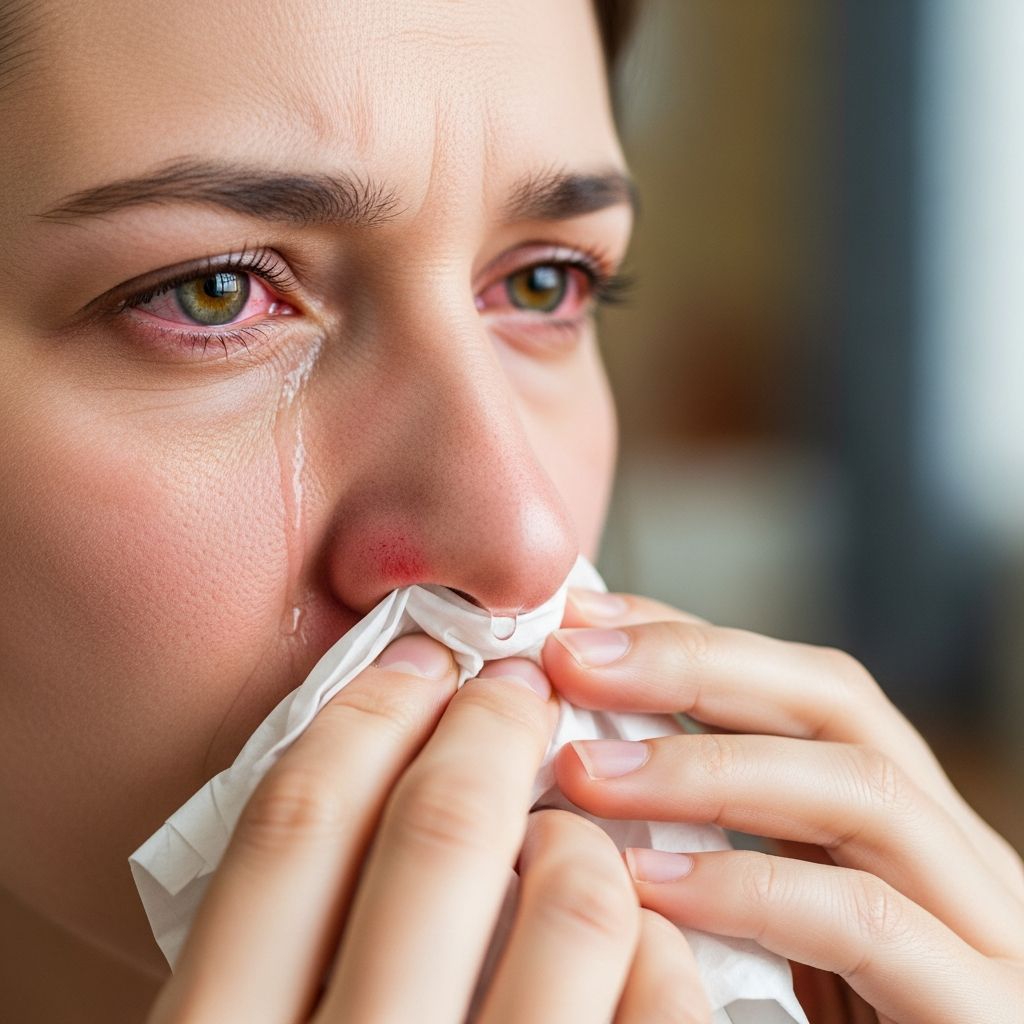
The common cold is one of the most frequent illnesses affecting adults and children alike, caused primarily by rhinoviruses and other respiratory viruses. Unlike more serious conditions like the flu or COVID-19, colds typically resolve on their own within 7-10 days. However, recognizing symptoms early can help you manage discomfort and prevent spread. This comprehensive guide covers everything from initial signs to complications and prevention strategies.
What Is the Common Cold?
The common cold, medically known as acute viral nasopharyngitis, is a mild upper respiratory infection. It affects the nose, throat, sinuses, and larynx. According to the Centers for Disease Control and Prevention (CDC), adults experience an average of 2-3 colds per year, while children get 6-8. Rhinoviruses cause 30-80% of cases, with over 200 viruses implicated overall.1
Colds spread via respiratory droplets from coughing, sneezing, or touching contaminated surfaces. They thrive in cooler temperatures, explaining seasonal peaks in fall and winter. While rarely dangerous for healthy individuals, they pose higher risks to infants, elderly people, and those with weakened immune systems.
Common Cold Symptoms: A Timeline
Symptoms usually appear 1-3 days after exposure and peak around day 3-5. Here’s a breakdown:
- Day 1-2 (Prodromal phase): Scratchy throat, mild fatigue, sneezing.
- Day 3-5 (Peak): Runny or stuffy nose, cough, body aches intensify.
- Day 6+ (Resolution): Symptoms gradually fade, though cough may linger.
1. Runny Nose (Rhinorrhea)
A hallmark symptom, starting clear and watery, then thickening to yellow or green mucus after a few days as immune cells fight the virus. This change doesn’t indicate bacterial infection; it’s normal. Blow gently to avoid ear pressure.
2. Stuffy Nose (Nasal Congestion)
Swollen nasal blood vessels block airflow, causing that plugged feeling. Infants struggle most, risking poor feeding or sleep. Use saline drops and bulb syringes for relief.
3. Sneezing
The body’s reflex to expel irritants. Frequent at onset, it decreases as congestion builds. Antihistamines may help if allergies coexist.
4. Sore Throat
Often the first sign, due to postnasal drip irritating the throat. It rarely exceeds mild discomfort and resolves quickly. Gargle salt water (1/4 tsp salt in 8 oz warm water) for soothing.
5. Cough
Dry and tickly initially from throat irritation, evolving to productive (wet) cough as mucus drains. Nighttime coughing worsens due to lying down. Elevate head while sleeping.
6. Mild Body Aches and Fatigue
Low-grade inflammation causes muscle soreness and tiredness. Unlike flu, aches are mild and short-lived. Rest and hydration aid recovery.
7. Low-Grade Fever
Typically under 100.4°F (38°C) in adults; higher in children. Fevers fight infection but monitor in infants under 3 months.
8. Headache
From sinus pressure or dehydration. Stay hydrated and use OTC pain relievers like acetaminophen.
9. Watery Eyes
Conjunctival irritation mimics allergies. Artificial tears provide comfort.
Cold Symptoms in Children vs. Adults
Related Stories



Children experience more severe, prolonged symptoms due to immature immunity. Common differences:
| Symptom | Adults | Children |
|---|---|---|
| Duration | 7-10 days | 10-14 days |
| Fever | Rare/mild | Common/higher |
| Cough | Mild | Severe, lingering |
| Irritability | Fatigue | Fussiness, poor appetite |
Infants may show only fussiness, poor feeding, or breathing difficulties.
How to Tell a Cold From Flu or Allergies
- Flu: Sudden onset, high fever (over 100.4°F), severe aches, chills. Lasts 1-2 weeks.2
- Allergies: Itchy eyes/throat, clear mucus, no fever, seasonal/triggered.
- COVID-19: Loss of taste/smell, shortness of breath, GI symptoms possible. Test if concerned.
When to See a Doctor
Most colds self-resolve, but seek care if:
- Fever over 101°F (adults) or 100.4°F (infants <3 months)
- Symptoms >10 days or worsening after 7 days
- Difficulty breathing, wheezing, chest pain
- Dehydration (dry mouth, no tears, few wet diapers)
- Severe headache, stiff neck, rash
- Ear pain or persistent crying in children
Treatment and Home Remedies
No cure exists; treatment focuses on symptom relief:
- Decongestants: Pseudoephedrine (adults); saline for kids.
- Pain relievers: Acetaminophen or ibuprofen.
- Cough suppressants: Dextromethorphan for dry cough; expectorants for wet.
- Home remedies: Honey (1+ years), humidifier, fluids (chicken soup reduces inflammation).3
Avoid antibiotics—they don’t work on viruses. Never give OTC cough/cold meds to children under 6.
Prevention Tips
Reduce risk by 20-50% with these habits:4
- Wash hands frequently with soap for 20 seconds.
- Avoid face touching.
- Cover coughs/sneezes with elbow.
- Disinfect high-touch surfaces.
- Get flu vaccine (doesn’t prevent colds but reduces overall respiratory burden).
- Zinc lozenges at symptom onset may shorten duration (use cautiously).
Frequently Asked Questions (FAQs)
Can you catch a cold from getting cold?
No—viruses cause colds, not temperature. Cold weather increases indoor crowding, aiding spread.
Does vitamin C prevent colds?
It may slightly shorten duration in extreme cases (e.g., marathoners), but doesn’t prevent them in general population.5
Is green mucus a sinus infection?
Not necessarily—viral colds cause color change. Bacterial sinusitis suspected if symptoms persist >10 days with facial pain.
How long is a cold contagious?
Most contagious days 1-3; up to 2 weeks. Stay home if feverish or very symptomatic.
Can adults get colds from kids?
Yes—children in daycare/school are prime vectors, bringing home multiple strains.
Complications to Watch For
Rare but possible: sinusitis (10-15% of cases), ear infections (otitis media, common in kids), bronchitis, or pneumonia in vulnerable groups. Asthma exacerbation occurs in 20-30% of sufferers.6
Monitor for secondary bacterial infections signaled by prolonged high fever, purulent discharge, or worsening cough.
References
- Common Colds: Protect Yourself and Others — Centers for Disease Control and Prevention. 2023-10-17. https://www.cdc.gov/features/rhinoviruses/index.html
- Clinical Overview of Flu — Centers for Disease Control and Prevention. 2025-09-11. https://www.cdc.gov/flu/about/index.html
- Chicken Soup and Common Cold Symptoms — Cleveland Clinic. 2024-01-15. https://health.clevelandclinic.org/chicken-soup-for-a-cold
- Respiratory Viruses: Hand Hygiene — World Health Organization. 2024-11-20. https://www.who.int/news-room/questions-and-answers/item/respiratory-viruses-hand-hygiene
- Vitamin C for Preventing and Treating the Common Cold — National Institutes of Health. 2023-06-01. https://ods.od.nih.gov/factsheets/VitaminC-HealthProfessional/#h7
- Acute Bronchitis — American Lung Association. 2024-05-12. https://www.lung.org/lung-health-diseases/lung-disease-lookup/bronchitis
Similar Articles








Read full bio of Sneha Tete