Common Eye Disorders: 5 Symptoms, Causes, Treatments
Discover symptoms, causes, and proven treatments for prevalent eye conditions to safeguard your vision effectively.
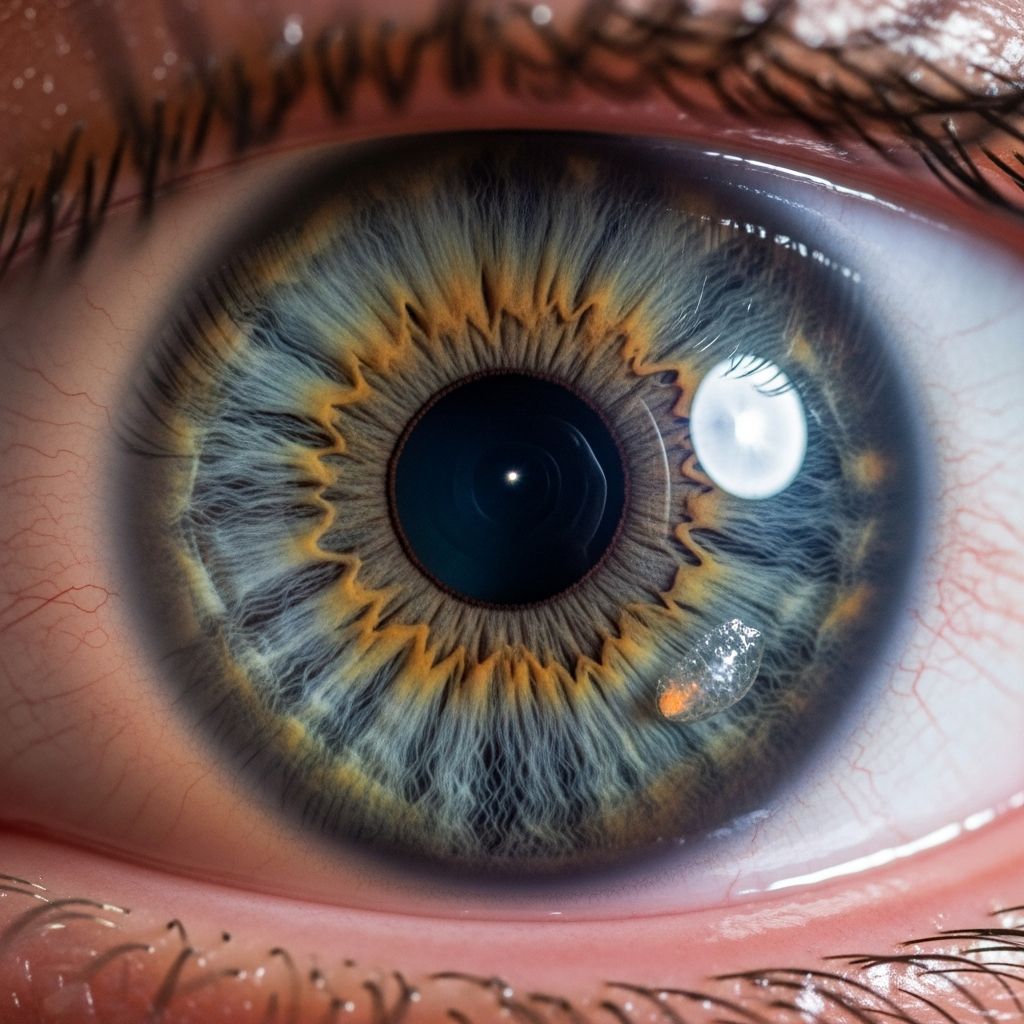
Eye disorders affect millions worldwide, often progressing silently until vision is significantly impaired. This guide examines five prevalent conditions:
cataracts
,glaucoma
,age-related macular degeneration (AMD)
,diabetic retinopathy
, anddry eye disease
. Understanding their symptoms, causes, and management options empowers individuals to seek timely care and preserve eyesight.Understanding Cataracts: The Clouding Lens
Cataracts occur when the eye’s natural lens clouds over, obstructing light and causing vision problems. This condition primarily impacts older adults but can stem from trauma, medications, or health issues.
Symptoms to Watch For
- Blurred or dim vision resembling peering through fog
- Heightened sensitivity to glare from lights or sun
- Challenges with night vision or low-light environments
- Fading color perception or yellowing hues
- Frequent prescription updates for glasses or contacts
Early symptoms might be subtle, but progression leads to noticeable interference in daily tasks like reading or driving.
Causes and Risk Factors
Aging is the top culprit, as lens proteins break down and clump. Additional risks include prolonged UV exposure, smoking, diabetes, and family history. Certain drugs like corticosteroids elevate susceptibility.
Prevention and Treatment Pathways
Protective measures include UV-blocking sunglasses, quitting smoking, and managing chronic conditions. Initial management involves brighter lighting or updated prescriptions. Surgery—replacing the cloudy lens with an artificial intraocular lens—restores clarity in advanced cases, boasting high success rates.
Glaucoma: The Silent Vision Thief
**Glaucoma** encompasses conditions where elevated intraocular pressure damages the optic nerve, risking irreversible vision loss. Often asymptomatic early on, it earns its ‘silent thief’ moniker.
Recognizing Warning Signs
- Peripheral vision loss, creating tunnel vision
- Blurred sight or halos around lights
- Eye discomfort or headaches
- In acute cases, severe pain, nausea, and redness
Open-angle glaucoma, the most common form, advances gradually without pain.
Risk Factors Involved
Age over 60, African American or Asian heritage, diabetes, hypertension, and family history heighten risks. High eye pressure, even without symptoms, warrants monitoring.
Management Strategies
Treatments aim to reduce pressure via eye drops that decrease fluid production or enhance drainage. Oral meds, laser trabeculoplasty, or surgeries like trabeculectomy follow if needed. Lifelong monitoring prevents progression.
Age-Related Macular Degeneration: Central Vision Threat
**AMD** targets the macula, impairing sharp central vision crucial for reading and face recognition. It’s a primary blindness cause in seniors.
Key Indicators
| Dry AMD Symptoms | Wet AMD Symptoms |
|---|---|
| Gradual central blur | Sudden distortion or blind spots |
| Drab colors | Straight lines appear wavy |
| Difficulty with fine details | Rapid vision decline |
Dry AMD (80-90% cases) progresses slowly; wet involves leaky vessels.
Contributing Factors
Aging, genetics, smoking, obesity, and light exposure contribute. The dry form can evolve into wet.
Treatment and Slowing Progression
Dry AMD benefits from AREDS2 supplements with lutein, zeaxanthin, and antioxidants. Wet AMD uses anti-VEGF injections, photodynamic therapy, or lasers to curb vessel growth. Low-vision aids assist adaptation.
Related Stories



Diabetic Retinopathy: Diabetes’ Ocular Complication
This retinopathy arises from diabetes-damaged retinal vessels, leaking fluid or spawning abnormals, threatening vision.
Progression Stages and Symptoms
- Non-proliferative Early: Microaneurysms, minor leaks; often asymptomatic.
- Moderate/Severe: Vessel swelling, macular edema; floaters, blur.
- Proliferative Advanced: New vessels, scarring; severe loss, detachment risk.
Both eyes typically suffer; 4.1 million Americans affected.
Risks and Prevention
Poor glycemic control, hypertension, and long diabetes duration amplify risks. Strict blood sugar, pressure, cholesterol management via lifestyle slashes progression.
Intervention Options
Annual screenings detect early changes. Treatments: focal/grid lasers seal leaks; anti-VEGF/prasteroid injections curb edema; vitrectomy clears blood or scars. Glycemic control remains foundational.
Dry Eye Syndrome: Surface Discomfort
Dry eye happens when tears insufficiently lubricate, from low production or rapid evaporation, inflaming the surface.
Common Complaints
- Stinging, burning, or gritty sensation
- Redness and intermittent blur
- Light sensitivity
- Excess tearing paradoxically
Meibomian gland dysfunction often underlies evaporative type.
Triggers and Contributors
Screen time, low humidity, allergies, menopause, meds (antihistamines, antidepressants), and autoimmune diseases like Sjogren’s.
Relief Methods
| Conservative | Advanced |
|---|---|
| Artificial tears, warm compresses | Prescription drops (cyclosporine) |
| Blink exercises, humidifiers | Punctal plugs, LipiFlow |
| Omega-3 supplements | Intense pulsed light therapy |
Addressing causes optimizes outcomes.
Prevention: Safeguarding Your Sight
Proactive steps mitigate risks across disorders:
- Schedule annual comprehensive exams for early detection
- Wear UV-protective eyewear outdoors
- Control systemic conditions like diabetes, hypertension
- Quit smoking; maintain healthy weight
- Follow the 20-20-20 rule for screen users
Exams assess pressure, retina, optic nerve, and refraction beyond acuity.
When to Seek Immediate Care
Urgent symptoms demand prompt attention:
- Sudden vision loss or shower of floaters
- Persistent pain, redness, light sensitivity
- Double vision or curtain over vision
- Trauma or chemical exposure
Early intervention averts permanent harm.
FAQs on Eye Health
Are eye diseases hereditary?
Yes, glaucoma, AMD, and cataracts have genetic components; family history necessitates vigilant screening.
Can diet influence eye health?
Nutrient-rich foods with leafy greens, fish, and antioxidants support retinal health and may delay AMD.
How often should I get eye exams?
Adults 40+: every 1-2 years; diabetics annually; higher risks more frequently.
Does screen time cause permanent damage?
It exacerbates dry eye and strain but not structural disease; breaks prevent issues.
Is laser surgery safe for all conditions?
Effective for some glaucoma, retinopathy, but candidacy varies; consult specialists.
References
- About Common Eye Disorders and Diseases — CDC. 2023. https://www.cdc.gov/vision-health/about-eye-disorders/index.html
- Eye Diseases — MedlinePlus (U.S. National Library of Medicine). 2024-01-30. https://medlineplus.gov/eyediseases.html
- Symptoms & Causes of 19 Common Eye Problems — WebMD. 2024. https://www.webmd.com/eye-health/common-eye-problems
- Eye Conditions and Diseases — National Eye Institute (NEI). 2024. https://www.nei.nih.gov/eye-health-information/eye-conditions-and-diseases
Similar Articles








Read full bio of medha deb