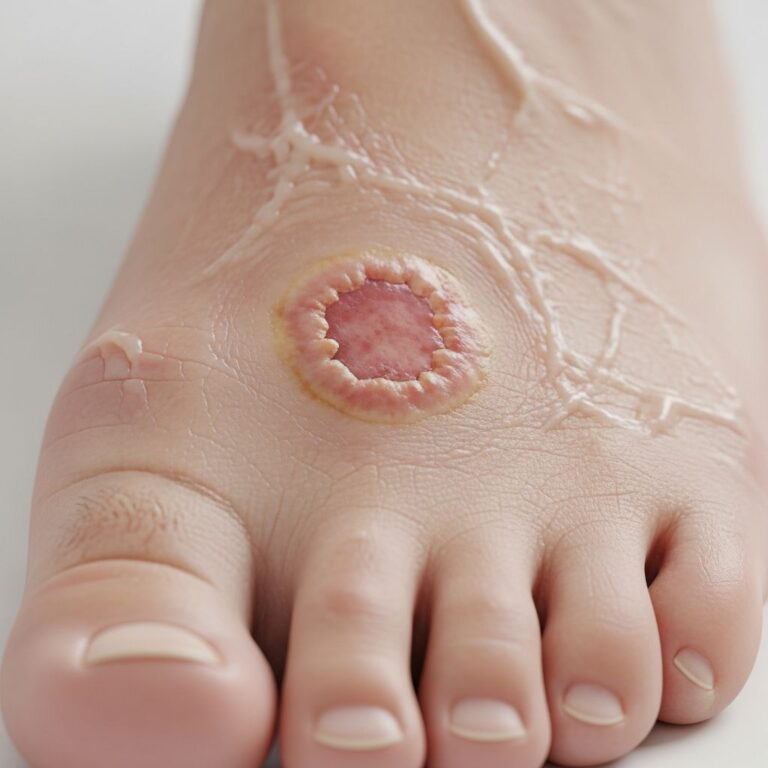
Common Mistakes That Increase Infection Risk
Avoid these everyday errors that heighten infection risks for people with arthritis and everyone else.
People living with arthritis, particularly inflammatory types like rheumatoid arthritis (RA), face heightened vulnerability to infections ranging from common colds to life-threatening conditions like sepsis. Correcting everyday slip-ups can significantly lower these risks, keeping you healthier amid ongoing threats like seasonal viruses or emerging pathogens.
Why Arthritis Increases Infection Vulnerability
Inflammatory arthritis alters the immune system, impairing its ability to combat invaders, though this accounts for only a minor portion of the risk. More substantial factors include comorbid conditions like lung or kidney disease, unhealthy habits such as smoking, and frequent hospitalizations where healthcare-associated infections affect about 1 in 25 patients.
Disease severity amplifies danger: mild RA triples infection odds, while severe cases nearly quintuple them due to immobility, escalated medication use, and surgeries. Immunosuppressants, especially corticosteroids, pose the greatest threat, with studies showing 2- to 6-fold higher infection rates tied to dose and duration.
Biologics also elevate serious infection risks like pneumonia or staph, but benefits in controlling arthritis often outweigh harms when managed properly, such as dose adjustments for frequent infections.
10 Common Mistakes That Heighten Infection Risk
Even vigilant individuals slip during prolonged vigilance periods like flu season or pandemics. Here are key errors, drawn from expert guidance, that undermine protection.
You’ve Given Up on Social Distancing
Temptation grows to relax after weeks of caution, but large crowds spike transmission risks. No interaction is risk-free, yet outdoor settings with 6+ feet separation from non-household members prove safer than indoors. Prioritize sparse venues; skip packed events.
Going to the Store Too Often
Each outing multiplies exposure to potentially infected individuals. Plan meticulously: compile lists, stockpile for 2+ weeks, shop efficiently without browsing. Prolonged stays in virus-laden spaces heighten contraction odds.
Not Wearing a Mask
Despite shifting guidelines, consensus holds: don public masks to curb germ spread for yourself and others. Cloth versions offer benefits, but reserve medical respirators for professionals. Pair with distancing; masks aren’t invincible.
Wearing a Mask Improperly
Benefits vanish if masks fail to snugly cover nose and mouth without gaps requiring fiddling, which spreads germs. Avoid face touching; sanitize hands before removal via ties/ear loops. Wash hands post-handling; launder cloth masks in hot water with detergent.
Using Gloves Incorrectly
Gloves harbor viruses like skin does; they don’t prevent face-touching contamination after shared surfaces. Discard before entering vehicles/homes, then sanitize immediately. Incorrect removal contaminates hands.
Right Way to Remove Gloves:
- Pinch one glove’s outer side, peel off without inner contact.
- Slide exposed hand under second glove’s cuff, peel off inside-out.
- Wash hands thoroughly afterward.
Exercising in Close Proximity
Physical activity bolsters immunity, but crowded gyms amplify exposure via sweat and shared gear. Opt for home workouts or solitary outdoor sessions. In gyms, embrace risk awareness: use bleach wipes on equipment (wait 1 minute), sanitize hands after, seek ventilated spaces.
Related Stories



Going to Crowded Parks or Beaches
Sunshine benefits health, but packed parks, beaches, pools, or festivals foster transmission if 6 feet distancing fails. Evaluate crowd density; pivot to alternatives like quiet trails.
Not Washing Hands Thoroughly
This simplest defense often falters. Scrub 20+ seconds with soap/water post-bathroom, pre-meals, after coughing/sneezing/nose-blowing. Target backs, fingers, nails; dry with clean towels.
Failing to Cover Coughs or Sneezes
Cough/sneeze into elbows or tissues (trash immediately), then wash hands. This curbs droplet spread dramatically.
Neglecting Public Place Precautions
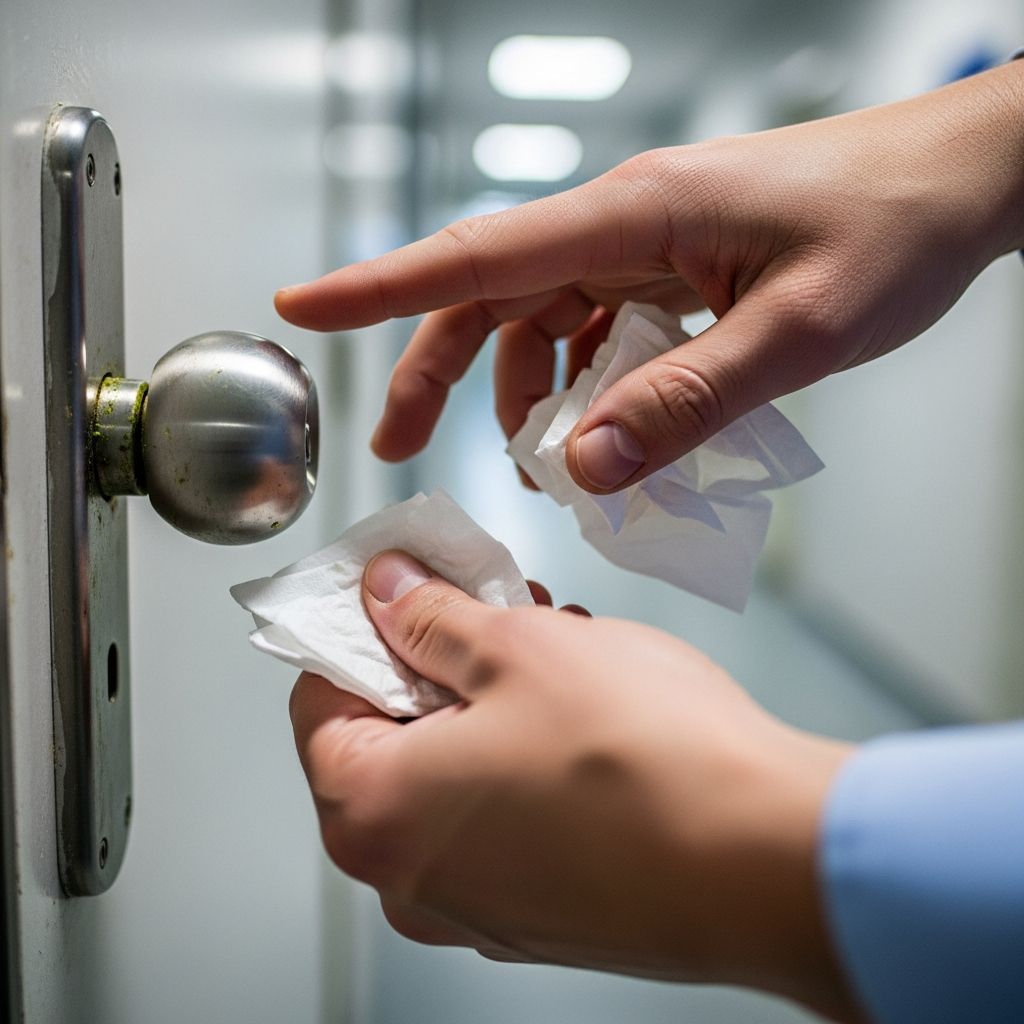
Wipe cart handles, use paper towels on faucets, elbow-open doors. These micro-actions compound protection.
Proactive Steps to Cut Infection Risk
Beyond mistake avoidance, adopt these evidence-based strategies tailored for arthritis patients.
- Stay Current on Vaccinations: Influenza, pneumococcal, COVID-19 boosters shield against severe outcomes.
- Balanced Nutrition & Sleep: Fuel immunity with nutrient-rich diets; aim for 7-9 hours nightly.
- Quit Smoking/Avoid Excess Alcohol: These devastate immune function.
- Monitor Medications: Discuss dose reductions or switches with rheumatologists if infections recur.
- Hygiene Routine: Handwashing remains paramount; use sanitizer (60%+ alcohol) when soap unavailable.
| Drug Type | Risk Level | Examples | Notes |
|---|---|---|---|
| Corticosteroids | High (2-6x) | Prednisone | Dose/duration-dependent |
| Biologics | Moderate | TNF inhibitors | Manageable via adjustments |
| DMARDs | Variable | Methotrexate | Combine with monitoring |
Frequently Asked Questions (FAQs)
Why do arthritis patients face higher infection risks?
The disease impairs immunity slightly, but medications like steroids and biologics suppress it more profoundly, alongside comorbidities and lifestyle factors.
Are biologics safe despite infection risks?
Yes, benefits in preventing joint damage typically exceed risks, which remain low and adjustable.
Does masking still matter post-pandemic?
Absolutely, especially indoors during high-case periods; it protects you and others.
How often should I shop during high-risk periods?
Minimize to every 2 weeks; plan ahead to reduce exposure.
Can exercise increase infection risk?
Not if done solo/outdoors; avoid crowded gyms with poor sanitation.
Special Considerations: Infectious and Septic Arthritis
Beyond general infections, arthritis patients risk septic (infectious) arthritis, where bacteria like Staphylococcus aureus invade joints via bloodstream or wounds/surgeries. Viruses/fungi cause rarer cases. Prompt diagnosis prevents joint destruction; symptoms mimic flares, demanding vigilance.
Maintain skin integrity, report fevers/redness swiftly, especially post-procedure.
This comprehensive guide empowers arthritis warriors to sidestep pitfalls, fostering resilience against infections. Consult healthcare providers for personalized advice.
References
- Common Infection Risk Mistakes — Arthritis Foundation. 2023-05-15. https://www.arthritis.org/health-wellness/about-arthritis/related-conditions/other-diseases/common-mistakes-increase-infection
- Arthritis and Infection Risk — Arthritis Foundation. 2023-08-22. https://www.arthritis.org/health-wellness/about-arthritis/related-conditions/other-diseases/arthritis-and-infection-risk
- Lower Your Infection Risk — Arthritis Foundation. 2023-07-10. https://www.arthritis.org/health-wellness/about-arthritis/related-conditions/other-diseases/lower-your-infection-risk
- Infectious Arthritis — Arthritis Foundation. 2024-01-05. https://www.arthritis.org/diseases/infectious-arthritis
- COVID-19 FAQs: Infection Risk and Prevention — Arthritis Foundation. 2024-02-18. https://www.arthritis.org/health-wellness/about-arthritis/related-conditions/other-diseases/covid-19-faqs-infection-risk-and-prevention
- Septic Arthritis — Arthritis Foundation. 2023-11-30. https://www.arthritis.org/health-wellness/about-arthritis/related-conditions/other-diseases/septic-arthritis
Similar Articles








Read full bio of Sneha Tete