Nutrition Myths Debunked: 12 Facts for Healthier Eating
Unravel the truth behind 12 persistent nutrition myths that mislead your healthy eating journey and discover evidence-based facts.
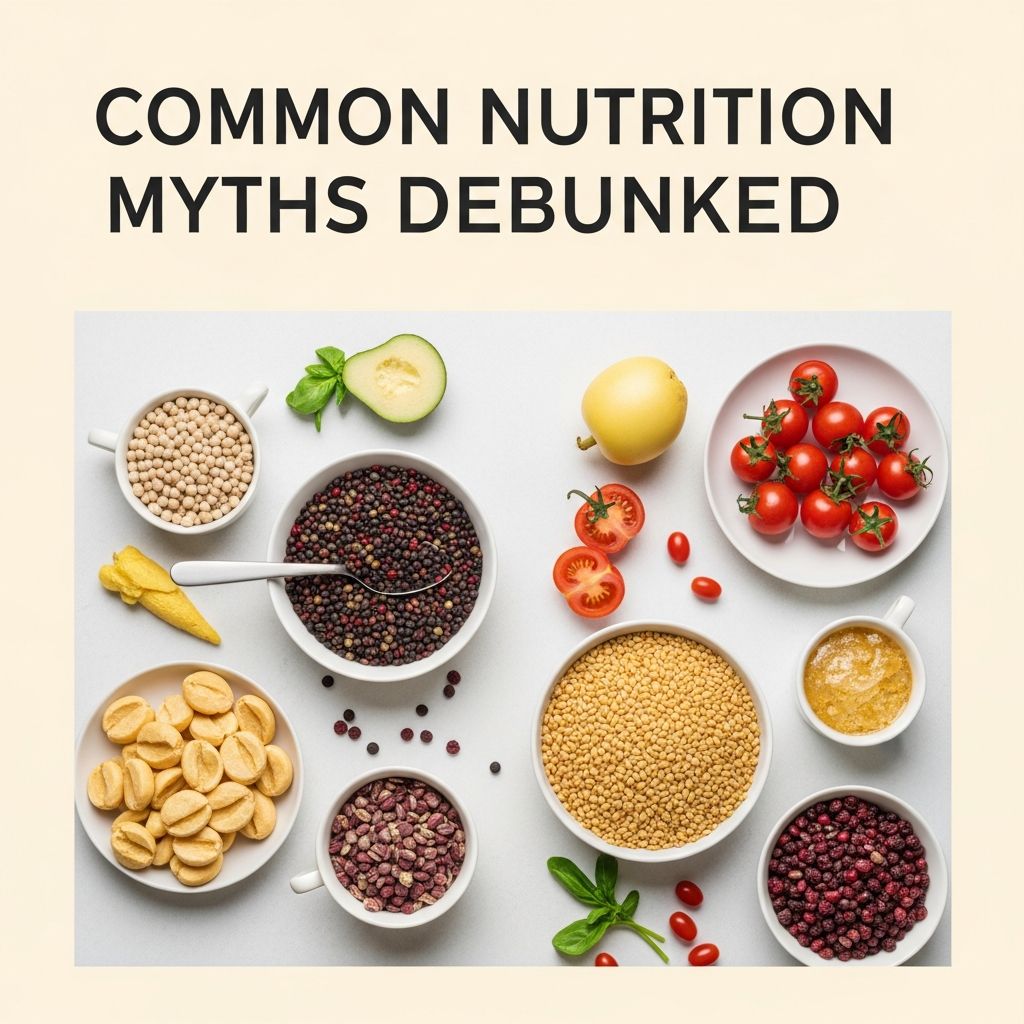
Nutrition advice floods the internet, social media, and even well-meaning friends, but much of it is rooted in myths rather than science. These misconceptions can derail your healthy eating efforts, leading to unnecessary restrictions or ineffective diets. This article debunks 12 of the most common nutrition myths, drawing from authoritative sources like the National Institute of Diabetes and Digestive and Kidney Diseases (NIDDK) and Mayo Clinic Health System, to help you navigate food choices with confidence.
1. Carbs Are Bad for Weight Loss
The low-carb diet trend paints
carbohydrates
as villains responsible for weight gain, but this oversimplifies their role. Carbs are the body’s preferred energy source and essential for brain function, with a minimum daily need of 130 grams for vital organs.Refined carbs like chips, cookies, and white bread contribute to excess calories when overconsumed, but whole grains, fruits, and vegetables provide fiber, vitamins, and sustained energy. Eliminating all carbs risks nutrient deficiencies and is unsustainable.
- Choose whole grains like brown rice, whole-wheat bread, and oats over refined versions to feel fuller longer.
- Incorporate fruits, beans, nuts, and yogurt for nutrient-dense carbs.
- Pair carbs with protein and healthy fats for balanced meals that stabilize blood sugar.
Studies show low-carb diets work short-term by cutting processed foods, but long-term success comes from balanced calorie control, not carb elimination.
2. Gluten-Free Diets Are Healthier for Everyone
Gluten-free products surged in popularity as a ‘healthier’ option, but unless you have celiac disease or gluten sensitivity, avoiding gluten offers no benefits and may lead to deficiencies.
Gluten is a protein in wheat, barley, and rye; gluten-free doesn’t mean lower calories or more nutrients. Many gluten-free foods are processed with added sugars and fats, making them less healthy. The Dietary Guidelines recommend grains, with half as whole grains, regardless of gluten.
- Stick to whole grains like quinoa or brown rice if avoiding gluten isn’t medically necessary.
- Test for gluten intolerance via a doctor before self-diagnosing.
3. All Calories Are Equal
A calorie is a calorie in terms of energy, but nutrient density matters for health and satiety. 100 calories from broccoli differ vastly from 100 from candy in fiber, vitamins, and digestion impact.
Focus on whole foods: vegetables, lean proteins, and healthy fats promote fullness and metabolic health over empty-calorie processed items.
4. Fat-Free Products Are Always Better
The 80s and 90s fat-free craze lingers, but fats are vital for organ protection, vitamin absorption, and hormone production. Fat-free often means added sugar or sodium to compensate for taste, reducing satiety.
Opt for unsaturated fats from avocados, nuts, olive oil, and fish over saturated/trans fats in fatty meats. Full-fat dairy in moderation doesn’t inherently cause weight gain and may aid nutrient absorption.
| Mythical View | Fact-Based Choice | Benefits |
|---|---|---|
| Fat-free yogurt | Full-fat Greek yogurt | Higher protein, better satiety |
| Low-fat dressings | Olive oil + vinegar | Heart-healthy fats, no added sugar |
Related Stories



5. You Must Give Up Favorite Foods to Lose Weight
Weight loss doesn’t require banishing favorites; moderation and portion control suffice. High-calorie foods can fit into a plan by limiting intake and balancing with nutrient-dense options.
The Dietary Guidelines estimate calorie needs by age, sex, and activity, allowing flexibility. Tip: Use smaller plates and savor treats mindfully.
6. Grains Like Bread, Pasta, and Rice Are Fattening
Grains aren’t inherently fattening; refined versions displace healthier choices, but whole grains provide fiber, iron, and satiety. Half your grains should be whole, per guidelines.
- Swap white rice for brown in stir-fries.
- Choose whole-wheat pasta over refined.
7. Organic Foods Are More Nutritious
Organic means no synthetic pesticides, but evidence shows no superior nutrient content compared to conventional produce. Organic can be pricier without health edge; wash all produce thoroughly.
Paleo diets emphasize nutrient-dense foods but limit groups, risking deficiencies and high calories.
8. Sugar Is Completely Bad
Natural sugars in fruits and dairy come with fiber, vitamins, and antioxidants, unlike added sugars. Unrefined sugars like honey offer trace nutrients but count toward daily added sugar limits (under 10% calories).
Moderation key: Limit sodas, prioritize whole fruits.
9. Dairy Products Are Fattening and Unhealthy
Dairy provides protein, calcium, and vitamin D for muscles and bones; low-fat versions cut calories without sacrificing benefits. Three daily servings recommended for adults.
For lactose intolerance: Lactose-free dairy, fortified soy, or calcium-rich greens like kale. Dairy’s saturated fat impacts cholesterol less than red meat’s.
10. Red Meat and Dairy Raise Cholesterol
Dietary cholesterol has minimal impact on blood levels; the body regulates it tightly. Saturated fats matter more. Choose lean meats (90% lean) and low-fat dairy.
11. Detox Diets and Cleanses Remove Toxins
The body detoxes via liver and kidneys; no evidence cleanses enhance this. They risk electrolyte imbalances, GI issues, and are unsustainable. Focus on whole foods and hydration.
- Not for pregnant, elderly, or those with conditions.
12. Plant-Based Milks Are Always Healthier Than Cow’s Milk
Cow’s milk offers complete protein, calcium, and vitamin D; many plant milks lack unless fortified, with added sugars or fats (e.g., coconut, oat). Check labels: Soy is closest nutritionally.
Frequently Asked Questions (FAQs)
Q: Can I eat carbs and still lose weight?
A: Yes, choose whole grains and pair with protein/fats for balanced energy without excess calories.
Q: Is gluten-free better for weight loss?
A: No, unless medically needed; it often adds processed ingredients.
Q: Are low-fat foods ideal for dieting?
A: Not always; they may have more sugar. Prioritize healthy fats.
Q: Does organic food help with health?
A: No proven nutrient superiority; focus on variety.
Q: How much dairy should I eat?
A: 3 low-fat servings daily for calcium and protein.
References
- Some Myths about Nutrition & Physical Activity — NIDDK. 2020. https://www.niddk.nih.gov/health-information/weight-management/myths-nutrition-physical-activity
- Common nutrition myths: Separate fact from fiction — Baylor Scott & White Health. 2023. https://www.bswhealth.com/blog/common-nutrition-myths-separate-fact-fiction
- 10 common nutrition myths debunked — Mayo Clinic Health System. 2023. https://www.mayoclinichealthsystem.org/hometown-health/speaking-of-health/10-nutrition-myths-debunked
- 5 Nutrition Misconceptions Debunked by a Dietitian — Houston Methodist. 2023-10-05. https://www.houstonmethodist.org/blog/articles/2023/oct/5-nutrition-misconceptions-debunked-by-a-dietitian/
- 4 Nutrition Myths and the Truth Behind Them — UNC Health Appalachian. 2024. https://www.unchealthappalachian.org/blog/2024/4-nutrition-myths-and-the-truth-behind-them/
Similar Articles








Read full bio of Sneha Tete