Common Problems of the Cervix: Symptoms and Treatment
Understanding cervical health: Learn about common conditions, symptoms, and effective treatment options.
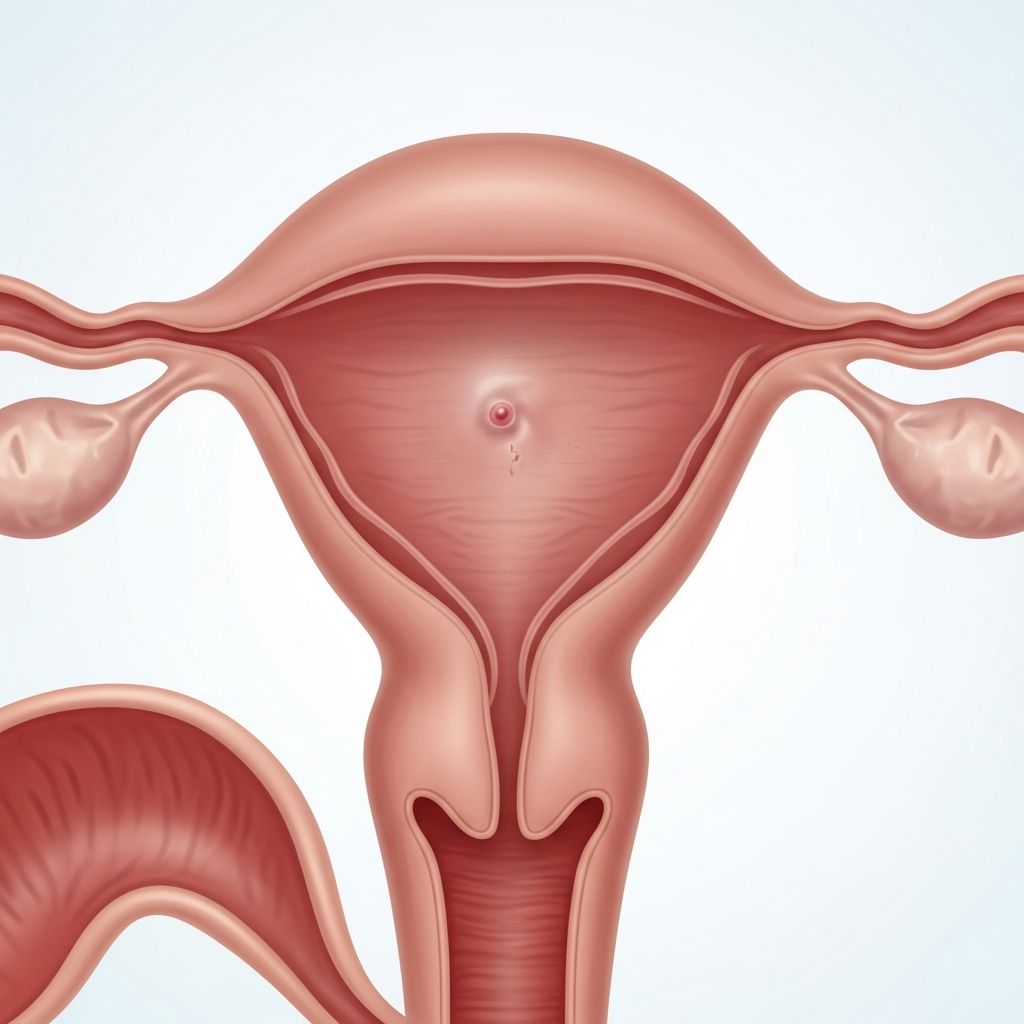
The cervix, or neck of the womb, is a vital part of the female reproductive system. Various conditions can affect the cervix, ranging from mild inflammation to more serious health concerns. These conditions vary widely in severity and impact, with some being harmless and self-resolving, while others require medical intervention. Understanding the different problems that can affect the cervix, along with their symptoms and treatment options, is essential for women’s health and wellbeing.
Many conditions affecting the cervix may not cause any noticeable symptoms, and some are discovered incidentally during routine gynecological examinations or cervical smear tests. Others may present with recognizable signs that warrant medical attention. The type of treatment required depends entirely on the underlying condition, and your healthcare provider will guide you toward the most appropriate management strategy.
Understanding Common Cervical Conditions
Several different conditions can affect the cervix, each with its own characteristics and implications for women’s health. These range from hormonal changes to infections and structural abnormalities.
Cervicitis
Cervicitis is inflammation of the cervix, and it is one of the most commonly encountered cervical conditions. The most common symptom in women with cervicitis is vaginal discharge, which may appear abnormal in color, consistency, or odor. This inflammation can be caused by various pathogens and may be associated with other uncomfortable symptoms.
Cervical Ectropion
Cervical ectropion, also referred to as cervical erosion, is a harmless change to the cervix. This condition is related to estrogen levels and is therefore more commonly observed in young women, pregnant women, and those taking combined oral contraceptive pills. Despite its appearance, cervical ectropion is benign and typically requires no treatment unless it causes bothersome symptoms.
Endometriosis
While endometriosis primarily affects the uterus, it can also extend to involve the fallopian tubes and other sites within the pelvis and throughout the body. When endometriosis affects the cervix, it can contribute to various gynecological symptoms and may require specific management approaches.
Symptoms of Common Cervical Problems
The symptoms associated with cervical problems vary considerably depending on the underlying condition. It is important to recognize that some women experience no symptoms at all, and cervical problems may be detected during routine medical examinations.
Common Symptoms Include:
- Abnormal vaginal bleeding: Including bleeding after sexual intercourse (postcoital bleeding) or bleeding between menstrual periods (intermenstrual bleeding)
- Vaginal discharge: Abnormal discharge that may differ in color, consistency, or odor from normal secretions
- Pain on passing urine: Dysuria or discomfort during urination
- Lower abdominal pain: Discomfort in the lower tummy region
- Bleeding between periods: Breakthrough bleeding occurring outside the normal menstrual cycle
Related Stories



It is crucial to note that the presence or absence of symptoms does not necessarily indicate the severity of the underlying condition. Some serious conditions may cause minimal symptoms, while benign conditions might produce noticeable symptoms.
Causes of Cervical Problems
Cervical problems can arise from multiple different causes, with infections being among the most common.
Infectious Causes
Infections are responsible for many cervical conditions and are caused by various germs including bacteria and viruses. These infections lead to inflammation of the cervix, a condition known as cervicitis. The inflammatory response can trigger various symptoms, with vaginal discharge being the most prevalent presentation. Additional symptoms of infection-related cervicitis may include pain during urination, lower abdominal discomfort, and abnormal bleeding between periods.
Hormonal Factors
Hormonal influences play a significant role in some cervical conditions. Cervical ectropion, for example, is directly related to estrogen levels and is consequently more prevalent in populations with higher estrogen exposure.
Other Contributing Factors
Beyond infections and hormonal changes, other factors including endometriosis and structural or tissue-related changes can affect the cervix. The multifactorial nature of cervical health means that sometimes multiple contributing factors may be involved in the development of cervical problems.
When to Seek Medical Attention
While some cervical conditions are benign and may not require treatment, it is important to consult with a healthcare provider if you experience concerning symptoms or changes in your gynecological health.
You should seek medical attention if you experience:
- Abnormal vaginal bleeding, particularly postcoital bleeding or intermenstrual bleeding
- Changes in vaginal discharge (color, odor, consistency, or amount)
- Pain or discomfort during sexual intercourse
- Pain during urination
- Lower abdominal or pelvic pain
- Any symptoms that persist or worsen over time
Your healthcare provider can perform appropriate examinations and tests to determine the underlying cause of your symptoms and recommend suitable treatment options.
Diagnostic Approaches
Healthcare professionals use various diagnostic methods to identify cervical problems. Many cervical conditions are detected during routine gynecological care, such as when a cervical smear test (also known as a Pap smear or cervical screening test) is performed. A doctor or nurse examining a patient for other reasons may also discover cervical abnormalities.
Diagnostic procedures may include visual inspection of the cervix, pap smears for cancer screening, and other specialized tests depending on the suspected condition. Your healthcare provider will determine which diagnostic approach is most appropriate based on your symptoms and medical history.
Treatment Options for Cervical Conditions
The treatment approach for cervical problems depends entirely on the underlying condition and its severity. Some conditions require no treatment, while others necessitate medical or surgical intervention.
Conservative Management
Some cervical conditions, such as cervical ectropion, are benign and may not require any treatment, especially if they are not causing bothersome symptoms. In these cases, regular monitoring and observation are often the recommended approach.
Infection Management
When cervicitis results from infection, treatment typically involves antimicrobial therapy targeted at the causative organism. This may include antibiotics for bacterial infections or antivirals for viral infections. The specific medication and duration of treatment depend on the type of infection identified.
Personalized Treatment Plans
Your doctor will be able to discuss the most appropriate treatment strategy for your specific condition. This individualized approach ensures that your treatment plan aligns with your health status, symptom severity, and personal preferences.
Prevention and Cervical Health Maintenance
While not all cervical conditions can be prevented, certain measures can help maintain optimal cervical health and reduce the risk of specific problems.
- Regular gynecological screening: Routine cervical smear tests help detect abnormalities early
- HPV vaccination: Protects against certain strains of human papillomavirus associated with cervical cancer
- Safe sexual practices: Reduces the risk of sexually transmitted infections that can cause cervicitis
- Maintaining overall health: A strong immune system helps fight infections
- Regular medical check-ups: Allows healthcare providers to monitor cervical health and detect problems early
Frequently Asked Questions (FAQs)
Q: What is the difference between cervicitis and cervical ectropion?
A: Cervicitis is inflammation of the cervix caused by infection or other irritating factors, while cervical ectropion is a harmless, benign change where glandular tissue from inside the cervix extends to the outer surface. Cervical ectropion is related to estrogen levels and is more common in younger women and those taking oral contraceptives. Unlike cervicitis, ectropion does not involve inflammation from infection.
Q: Can cervical problems affect fertility?
A: Most common cervical problems do not affect fertility. However, some conditions, particularly if they cause scarring or affect cervical mucus production, could potentially impact fertility. Your healthcare provider can assess whether your specific cervical condition might affect your ability to conceive and discuss options if needed.
Q: Are all cervical conditions serious?
A: No, many cervical conditions are benign and do not pose serious health risks. Some conditions, such as cervical ectropion, are harmless changes that require no treatment. However, some conditions do require medical attention, and proper diagnosis is essential to determine the appropriate course of action.
Q: What causes abnormal vaginal discharge?
A: Abnormal vaginal discharge can be caused by several cervical and vaginal conditions, including infections like cervicitis. The characteristics of the discharge—such as its color, odor, consistency, and associated symptoms—can help determine the underlying cause. Always consult with a healthcare provider to identify the specific cause.
Q: How often should I have cervical screening?
A: Screening recommendations vary based on age, risk factors, and previous results. Generally, cervical screening should begin at age 21 and continue at regular intervals as recommended by your healthcare provider. Discuss your individual screening schedule with your doctor.
Q: Is bleeding after intercourse always a cause for concern?
A: Postcoital bleeding (bleeding after intercourse) can result from various causes, ranging from benign conditions to more serious problems. While it is not always indicative of a serious condition, it warrants evaluation by a healthcare provider to determine the underlying cause.
Q: Can cervical ectropion cause pain?
A: Cervical ectropion is typically a benign condition that causes no symptoms. However, in some cases, it may cause mild discomfort or contribute to increased vaginal discharge. If it becomes bothersome, treatment options are available.
References
- Common Problems of the Cervix: Symptoms and Treatment — Patient.info. 2024. https://patient.info/womens-health/common-problems-of-the-cervix
- Cervicitis: Causes, Symptoms and Treatment — American College of Obstetricians and Gynecologists (ACOG). 2023. https://www.acog.org
- Understanding Cervical Health and Screening — Centers for Disease Control and Prevention (CDC). 2025. https://www.cdc.gov/cancer/cervical/
- Gynecological Examinations and Cervical Conditions — National Institutes of Health (NIH). 2024. https://www.nih.gov
- HPV and Cervical Health: Prevention and Screening — World Health Organization (WHO). 2024. https://www.who.int
Similar Articles








Read full bio of medha deb