Understanding Complementary and Alternative Medicine
Exploring non-conventional healing approaches and their integration with standard medical care
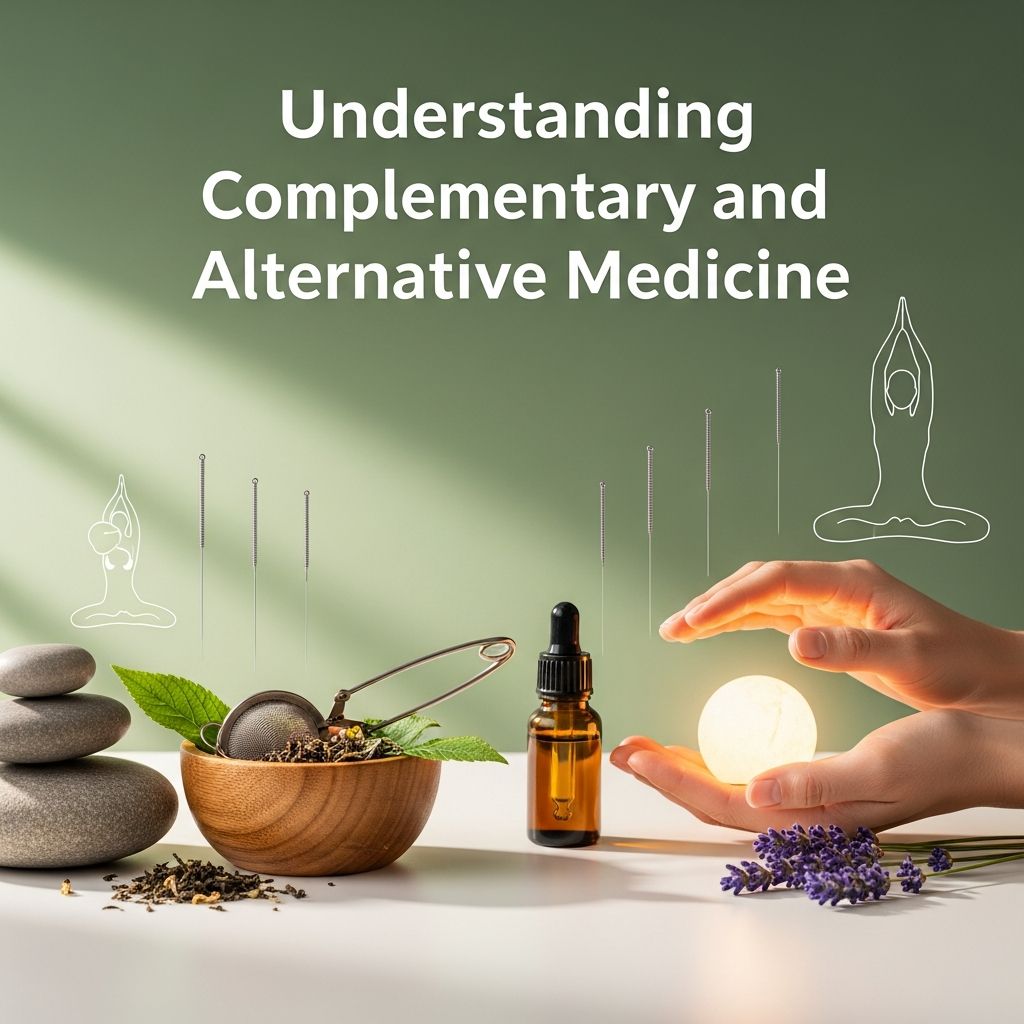
Defining Non-Conventional Health Approaches
The landscape of modern healthcare extends far beyond the pharmaceutical interventions and surgical procedures that dominate conventional medical practice. Complementary and alternative medicine (CAM) represents a diverse collection of healing philosophies, therapeutic techniques, and health practices that operate outside the framework of mainstream Western medicine. This broad category encompasses over 100 distinct healing methodologies, ranging from ancient traditional systems to contemporary mind-body interventions.
The terminology surrounding these approaches requires clarification, as distinctions exist between related but distinct concepts. When non-mainstream health practices are employed alongside conventional medical treatment to enhance or support the therapeutic process, they are classified as complementary medicine. Conversely, when these same approaches replace conventional treatment entirely, they become alternative medicine. A third category, integrative health, represents a coordinated approach that deliberately combines conventional and complementary methods with emphasis on treating the complete person rather than isolated symptoms.
The Scope and Prevalence of Non-Conventional Therapies
The utilization of complementary approaches has become increasingly widespread across diverse populations. Research indicates that the majority of individuals who incorporate non-mainstream health practices simultaneously maintain relationships with conventional healthcare providers. This hybrid approach reflects a growing recognition that different therapeutic modalities may offer complementary benefits when thoughtfully integrated.
Notably, biologically-based therapies—interventions derived from naturally occurring substances—have achieved remarkable penetration into public consciousness, with estimates suggesting that over 95 percent of the United States population has engaged with some form of these therapies at some point in their lives.
Primary Categories of Complementary and Alternative Approaches
Mind-Body Therapeutic Modalities
Mind-body therapies leverage the profound interconnection between psychological processes and physiological function to promote healing and wellbeing. These approaches recognize that mental states significantly influence physical health outcomes.
- Meditation and Mindfulness: Structured practices that cultivate present-moment awareness and mental clarity, often employed to manage stress and promote emotional equilibrium
- Biofeedback: A technique enabling individuals to develop awareness of physiological responses to stress, empowering them to consciously modulate these reactions
- Guided Imagery: Visualization techniques that engage the imagination to facilitate relaxation and psychological healing
- Hypnotherapy: The application of guided relaxation and visualization to facilitate behavioral modification and therapeutic outcomes
- Movement-Based Practices: Disciplines such as tai chi and yoga that integrate physical movement with mental focus and breathing regulation
Physical and Manipulative Therapies
These hands-on interventions work directly with the body’s structure and systems to promote healing and restore function. Practitioners trained in these modalities apply pressure, manipulation, or specialized techniques to address physical dysfunction.
- Massage Therapy: Manual manipulation of soft tissues to reduce tension, improve circulation, and promote relaxation
- Spinal Manipulation: Techniques that adjust vertebral alignment to alleviate pain and improve nervous system function
- Osteopathic Manipulative Medicine: A comprehensive system using pressure and manipulation techniques to promote overall health and healing
- Acupuncture: A traditional technique involving needle insertion at specific body points to stimulate healing and balance energy flow
Related Stories



Biologically-Based Nutritional Interventions
These therapies utilize naturally occurring substances to support health and address disease prevention. The category encompasses a wide range of plant-derived and nutrient-based interventions that have become increasingly mainstream in contemporary healthcare discussions.
- Herbal Medicines: Plant-based treatments utilized across cultures for centuries to prevent illness and enhance wellness
- Dietary Supplements: Concentrated forms of vitamins, minerals, amino acids, and other nutrients intended to supplement dietary intake
- Probiotics and Prebiotics: Beneficial microorganisms and their food sources designed to support digestive and immune function
- Specialized Dietary Approaches: Structured eating patterns formulated to address specific health conditions or wellness goals
- Functional Foods: Whole foods or food components recognized for health-promoting properties beyond basic nutrition
Energy-Based Therapeutic Systems
These approaches operate on the theory that human health depends on balanced energy flow and field integrity. Practitioners in this domain work with purported energy fields surrounding and permeating the body.
- Biofield Therapies: Interventions such as Reiki, Healing Touch, and Therapeutic Touch that purport to affect energy fields through direct or indirect application of pressure or intention
- Qi Gong: A traditional Chinese practice combining movement, breathing, and mental focus to cultivate and balance vital life force
- Bioelectromagnetic-Based Interventions: Treatments employing unconventional applications of electromagnetic, magnetic, pulsed, or direct-current fields for therapeutic purposes
Comprehensive Medical Systems
Unlike discrete techniques, whole medical systems represent complete, internally coherent frameworks of theory and practice that evolved independently from or parallel to conventional Western medicine. Many originated in specific cultural traditions and have been refined over centuries.
- Traditional Chinese Medicine: An ancient system incorporating herbal remedies, acupuncture, tui na massage, and movement practices like tai chi
- Ayurvedic Medicine: A comprehensive Indian system emphasizing plant-based treatments, dietary modification, and lifestyle adjustment
- Homeopathic Medicine: A system utilizing highly diluted preparations of herbs, minerals, and other substances based on the principle of treating like with like
- Naturopathic Medicine: An integrative approach combining conventional practices with botanical medicine, dietary supplements, homeopathy, and manual therapy
- Indigenous Healing Systems: Traditional healing practices developed and refined within specific cultural contexts worldwide
Delivery Methods and Therapeutic Approaches
Complementary therapies can be classified according to how they are administered and experienced. Some interventions operate primarily through nutritional mechanisms, supplying substances consumed by the body. Others work through psychological pathways, engaging mental processes and consciousness. Still others employ physical mechanisms, involving direct manipulation or movement.
Many modern complementary approaches combine multiple mechanisms simultaneously. For instance, yoga simultaneously addresses psychological stress through meditation-like components, physical tension through postures and stretching, and potentially metabolic factors through breath work. This multimodal nature often explains the reported effectiveness of traditional systems that have persisted across cultures and centuries.
Integration with Conventional Medical Care
The contemporary healthcare environment increasingly recognizes that optimal patient outcomes may result from thoughtful integration of complementary approaches with evidence-based conventional medicine. Integrative health specifically emphasizes coordinated care where multiple intervention types work together, with practitioners from different disciplines collaborating toward comprehensive patient wellness.
This integrated model acknowledges that conventional medicine excels in acute care, surgical intervention, and crisis management, while complementary approaches often provide superior benefits for chronic disease management, quality of life enhancement, and prevention-oriented care. Rather than viewing these systems as competing or contradictory, integrative medicine recognizes their complementary strengths.
Important Considerations Before Starting Complementary Therapies
While many complementary approaches offer potential benefits, responsible use requires informed decision-making. Healthcare providers recommend several precautions:
- Consult with your conventional healthcare provider before initiating any new complementary therapy to ensure compatibility with existing treatments and medical conditions
- Recognize that complementary therapies remain less extensively studied and regulated than conventional medications and procedures
- Understand that the absence of scientific validation does not necessarily indicate ineffectiveness, but rather reflects research gaps and funding limitations
- Be cautious about claims that complementary approaches can replace proven conventional treatments, particularly for serious conditions
- Verify practitioner qualifications and credentials in their specific discipline
- Monitor your body’s responses and maintain open communication with all healthcare providers involved in your care
Frequently Asked Questions
What is the difference between complementary and alternative medicine?
Complementary medicine refers to non-mainstream therapies used alongside conventional medical treatment to enhance results and support wellness. Alternative medicine, by contrast, involves using these same non-mainstream approaches instead of conventional treatment. Most people who use non-mainstream health approaches actually continue using conventional medicine as well, making complementary applications more common than purely alternative ones.
Are complementary therapies scientifically proven?
The scientific evidence supporting various complementary approaches varies considerably. Some therapies have undergone rigorous research and demonstrate measurable benefits, while others lack substantial clinical evidence. Many traditional approaches have historical documentation of effectiveness spanning centuries, but this differs from modern scientific validation. Research in complementary medicine continues to expand, with many therapies being studied more rigorously.
Can complementary medicine replace conventional medical treatment?
While some individuals choose complementary approaches as alternatives to conventional medicine, healthcare professionals generally recommend against completely replacing proven conventional treatments with unproven alternatives, especially for serious health conditions. However, using complementary approaches alongside conventional care to enhance outcomes and quality of life represents an increasingly accepted practice.
Are dietary supplements regulated like medications?
Dietary supplements generally undergo less rigorous regulation and testing than pharmaceutical medications. While government agencies provide oversight, the approval process differs substantially. This means consumers bear greater responsibility for researching supplement quality, checking for potential interactions with medications, and verifying manufacturer claims.
How do I find a qualified complementary medicine practitioner?
Research practitioner credentials within their specific discipline, verify licenses in states where applicable, seek recommendations from trusted healthcare providers, and ensure they have appropriate professional liability insurance. Many reputable practitioners welcome discussion about your conventional medical care and coordinate with your other healthcare providers.
The Future of Integrated Healthcare
Healthcare is gradually shifting toward models that recognize the potential value of thoughtfully integrated approaches. Increasing numbers of conventional medical institutions now offer complementary services, and many insurance plans provide coverage for selected therapies. This evolution reflects recognition that comprehensive patient care may benefit from diverse therapeutic modalities when appropriate integration occurs.
As research continues to evaluate complementary approaches, understanding remains incomplete for many traditional therapies. Rather than dismissing approaches lacking conventional validation, modern medicine increasingly seeks to understand mechanisms of action and identify populations most likely to benefit.
References
- Complementary Medicine: What Is It, Types & Health Benefits — Cleveland Clinic. https://my.clevelandclinic.org/health/articles/16883-complementary-therapy
- Introducing Complementary and Alternative Therapies — National Center for Biotechnology Information, U.S. National Library of Medicine. https://pmc.ncbi.nlm.nih.gov/articles/PMC2754854/
- Complementary and Alternative Medicine — GoodRx. https://www.goodrx.com/well-being/alternative-treatments
- Complementary, Alternative, or Integrative Health: Definitions — National Center for Complementary and Integrative Health (NCCIH). https://www.nccih.nih.gov/health/complementary-alternative-or-integrative-health-whats-in-a-name
- Complementary and Alternative Medicine | Cancer Survivors — Centers for Disease Control and Prevention (CDC). https://www.cdc.gov/cancer-survivors/patients/complementary-alternative-medicine.html
- Complementary and Alternative Medicine — KidsHealth. https://kidshealth.org/en/parents/comp-alt-medicine.html
- Complementary and Alternative Medicines Defined — American Academy of Allergy, Asthma & Immunology (AAAAI). https://www.aaaai.org/tools-for-the-public/allergy,-asthma-immunology-glossary/complementary-and-alternative-medicines-defined
Similar Articles








Read full bio of Sneha Tete