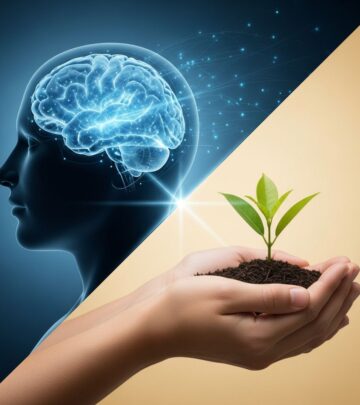
Complementary Health Approaches and Emotional Well-Being
Advancing research on how complementary and integrative health approaches promote whole person health through emotional well-being mechanisms.

Complementary and Integrative Health Approaches: Promoting Whole Person Health Through Emotional Well-Being
The National Center for Complementary and Integrative Health (NCCIH), in collaboration with the Centers for Disease Control and Prevention, has launched a transformative research initiative focused on understanding how complementary and integrative health approaches promote whole person health (WPH) restoration. This groundbreaking concept, approved by the Council on March 4, 2025, represents a significant shift in how researchers and healthcare professionals understand the interconnection between complementary therapies, emotional well-being, and comprehensive health outcomes.
The initiative addresses a critical gap in the current evidence base. While complementary and integrative health approaches have gained widespread acceptance among consumers seeking wellness and health promotion, there remains a fundamental lack of research on the specific mechanisms through which these approaches facilitate health restoration in humans. This new research direction aims to fill that knowledge gap by examining emotional well-being (EWB) as a key mechanistic pathway through which complementary and integrative health approaches produce measurable improvements in whole person health.
Understanding the Whole Person Health Index and Its Domains
At the heart of this research initiative lies the Whole Person Health Index (WPH Index), a comprehensive patient-reported measure developed collaboratively by NCCIH and the CDC. This innovative tool represents a paradigm shift in how health outcomes are measured, moving beyond traditional metrics of physical disease to capture the full spectrum of human health and well-being.
The WPH Index consists of nine interconnected domains that individuals are asked to evaluate:
– Overall health status and perception- Quality of life experiences- Social and family connections- Physical activity levels and engagement- Dietary habits and nutritional choices- Stress management capabilities- Sleep quality and restoration- Sense of meaning and purpose- Health management and self-care practices
These nine domains work together to create a holistic picture of an individual’s health that extends far beyond the absence of disease. By capturing psychological, social, physical, and spiritual dimensions of health, the WPH Index enables researchers to measure the multifaceted impact of complementary and integrative health interventions on genuine health restoration rather than simply symptom suppression.
Defining Emotional Well-Being as a Priority Research Area
Emotional well-being has emerged as a critical focus area within NCCIH’s strategic priorities. In January 2021, NCCIH partnered with the National Institute on Aging and the Eunice Kennedy Shriver National Institute of Child Health and Human Development to establish six dedicated research networks focused on emotional well-being. Through this collaborative effort, researchers developed a comprehensive definition of EWB that captures its complexity and multidimensional nature.
Emotional well-being is defined as a multidimensional composite that encompasses both experiential and reflective dimensions. The experiential dimension includes the emotional quality of momentary and everyday experiences—how individuals feel in their daily lives. The reflective dimension encompasses judgments about life satisfaction, sense of meaning and purpose, and the individual’s ability to pursue meaningful goals that can include and extend beyond the self.
This nuanced understanding of emotional well-being recognizes that true well-being is not merely the absence of negative emotions, but rather the active experience of positive emotional states, meaningful engagement with life, strong social connections, and a sense of purpose. These components work synergistically to create resilience and improve overall health outcomes.
The Health Benefits of Positive Emotions and Emotional Well-Being
Scientific research has consistently demonstrated that positive emotions and high levels of emotional well-being are associated with superior health outcomes. Individuals who experience strong emotional well-being show improved recovery from physical illness, enhanced survival rates, and better long-term health trajectories. Research indicates that high levels of emotional well-being are associated with a significant decrease in mortality risk, demonstrating that psychological and emotional factors have profound physiological consequences.
However, a critical research gap exists regarding how complementary and integrative health approaches specifically impact the emotional well-being mechanisms that are implicated in whole person health restoration. While individual complementary therapies have been studied in isolation, few investigations have systematically examined the mechanisms through which these approaches affect emotional well-being as a pathway to comprehensive health restoration.
Research Objectives and Study Design Framework
The proposed research initiative aims to support highly innovative programs that advance understanding of how complementary and integrative health approaches impact emotional well-being mechanisms and, consequently, whole person health. The scope encompasses prospective mechanistic clinical trials and other types of clinical trials designed to assess feasibility, efficacy, or effectiveness.
Each funded research program must include, at a minimum, three critical components:
– A clearly defined complementary and integrative health approach or intervention- An emotional well-being mechanistic target- An integrated whole person health restoration outcome measured at baseline and following intervention administration
This structured framework ensures that funded research maintains rigorous scientific standards while generating meaningful data about how complementary approaches work and which individuals benefit most from specific interventions.
Biological and Mechanistic Research Targets
The research initiative supports investigation into multiple biological pathways and mechanistic targets through which complementary and integrative health approaches may exert their therapeutic effects. These include:
Neurobiological Mechanisms
Research programs may examine affective brain networks and neural indicators of self-referential processing to understand how complementary interventions influence brain function and emotional regulation. This includes studying how practices like mindfulness and meditation alter neural activity patterns associated with emotional processing and self-perception.
Psychoneuroimmunological Pathways
Studies may investigate hormone levels and immune markers, such as oxytocin as an indicator of social connection and stress-related physiological responses. These investigations help explain how mind-body interventions influence the intricate connections between emotional experience, nervous system function, and immune system activity.
Metabolic and Mitochondrial Function
Research may assess mitochondrial function as it relates to energy metabolism and its connection to positive mood states. The health of cellular mitochondria directly impacts overall energy availability and may mediate the effects of certain complementary interventions on emotional well-being and physical vitality.
Genetic and Epigenetic Markers
Studies may examine gene expression patterns and DNA repair mechanisms that may be influenced by complementary and integrative health approaches, revealing how these interventions operate at the molecular level to promote health restoration.
Microbiome Composition and Function
The gut microbiome has emerged as a significant mediator of emotional well-being through the gut-brain axis. Research programs may collect and analyze microbiome samples to understand how complementary interventions influence microbial composition and function in relation to emotional states and whole person health.
Exemplary Research Study Designs
The initiative provides several illustrative examples of research designs that align with these objectives:
Mindfulness Intervention in High-Anxiety Populations
A study could assess how mindfulness interventions change affective brain networks in adults experiencing high anxiety symptoms. By measuring changes in brain activation patterns and correlating these changes with improvements in the integrated WPH Index, researchers can establish whether emotional brain changes serve as a mechanistic pathway through which mindfulness produces health benefits. Secondary analyses might examine specific WPH Index domains such as social connection, stress management, and quality of life as potential mediators.
Mindfulness-Based Interventions in Correctional Settings
A multisite feasibility study could evaluate how mindfulness-based interventions can be delivered with fidelity across different correctional facilities to address burnout in correctional officers. This research would establish the feasibility of collecting emotion regulation measures and WPH Index data longitudinally, creating a foundation for future efficacy trials in high-stress occupational settings.
Music Interventions for Chronic Pain
A group-based music intervention could be tested across multiple sites in individuals living with chronic pain. The study would establish feasibility of measuring oxytocin (a marker of social bonding), social and physical functioning, and correlating these measures with the WPH Index over time. This design recognizes music’s unique capacity to engage both emotional and social dimensions of well-being.
Compassion Meditation in Depression
A compassion meditation intervention optimized for cultivating self-other connections could be delivered across sites in individuals with depression. The research would establish feasibility and acceptability of collecting neural indicators of self-referential processing, sense of meaning, and purpose, and correlating these measures with the WPH Index. This approach targets the reflective dimension of emotional well-being specifically.
Multicomponent Interventions for Allostatic Load
A multicomponent intervention approach could be tested across sites in individuals with high allostatic load (cumulative physiological wear from chronic stress). The study would establish feasibility of collecting gut microbiome samples and measuring the WPH Index over time, exploring connections between microbial composition and whole person health restoration.
Yoga for Climate Disaster Survivors
A yoga intervention could be implemented with fidelity in community health centers serving survivors of climate-related disasters. This research would establish feasibility and acceptability of measuring connections between mitochondrial function, positive mood states, and the WPH Index. Such research addresses both immediate trauma recovery and long-term health restoration in vulnerable populations.
Efficacy and Effectiveness Research Trials
Beyond feasibility studies, the initiative supports multisite clinical trials specifically designed to test the impact of complementary and integrative health approaches on whole person health restoration outcomes. These efficacy analyses will provide rigorous evidence regarding whether these approaches produce meaningful improvements in comprehensive health measures beyond what would be expected from control conditions or standard care.
Types of Complementary and Integrative Health Approaches
Complementary and integrative health encompasses diverse modalities that can be broadly categorized as psychological and physical approaches. These include:
– Yoga and tai chi- Acupuncture and related techniques- Massage therapy and bodywork- Spinal manipulation and osteopathic techniques- Art therapy and music therapy- Dance and movement therapies- Mindfulness-based stress reduction- Relaxation techniques and breathing practices- Qigong and similar energy practices- Hypnotherapy and guided imagery- Feldenkrais method and Alexander technique- Pilates and other movement modalities
These approaches share the common characteristic of engaging psychological and physical dimensions of health simultaneously, creating opportunities for comprehensive healing and well-being enhancement.
Applications Across Diverse Health Conditions
Complementary and integrative health approaches are increasingly recognized as beneficial across multiple health domains. In Veterans Affairs settings, these approaches are most commonly used to improve mental health, manage pain, and promote general wellness. Specific applications include treatment of posttraumatic stress disorder, depression, back pain, headache, arthritis, fibromyalgia, and substance abuse disorders.
Nursing research has demonstrated that integrative approaches can enhance healthcare delivery itself. Nurses trained in mindfulness and integrative practices report higher levels of perceived mindfulness, spiritual well-being, and compassion satisfaction. Their patients report high levels of nursing presence and express greater satisfaction with their care, suggesting that complementary approaches benefit both healthcare providers and recipients.
Strategic Importance and Future Directions
This research initiative addresses fundamental knowledge gaps that have hindered the integration of complementary and integrative health approaches into mainstream medical practice. By establishing rigorous evidence regarding mechanisms of action and health outcomes, this research promises to transform understanding of how these approaches contribute to health restoration and disease prevention.
The emphasis on emotional well-being as a mechanistic pathway represents a paradigm shift in health research. Rather than viewing emotional factors as secondary outcomes or confounds, this initiative places emotional well-being at the center of health restoration processes, recognizing that true health encompasses psychological, social, spiritual, and physical dimensions working in concert.
Frequently Asked Questions
Q: What is the Whole Person Health Index and how does it differ from traditional health measures?
A: The WPH Index is a comprehensive patient-reported measure that captures nine dimensions of health including overall health, quality of life, social connections, physical activity, diet, stress management, sleep, meaning and purpose, and health management. Unlike traditional measures that focus on disease absence, the WPH Index assesses the full spectrum of human flourishing and well-being.
Q: How is emotional well-being defined in this research framework?
A: Emotional well-being is defined as a multidimensional composite encompassing both experiential dimensions (emotional quality of daily experiences) and reflective dimensions (judgments about life satisfaction, sense of meaning and purpose, and ability to pursue meaningful goals).
Q: What types of research studies does this initiative support?
A: The initiative supports prospective mechanistic clinical trials and other clinical trial types assessing feasibility, efficacy, and effectiveness. All studies must include a complementary and integrative health approach, an emotional well-being mechanistic target, and measurement of integrated health restoration outcomes.
Q: Which complementary and integrative health approaches are eligible for study?
A: Eligible approaches include yoga, tai chi, acupuncture, massage therapy, mindfulness-based interventions, music therapy, art therapy, meditation practices, and many other psychological and physical modalities that engage emotional and physical dimensions of health.
Q: What are the expected outcomes of this research initiative?
A: The initiative aims to advance understanding of mechanisms through which complementary and integrative health approaches promote whole person health restoration, establish evidence regarding efficacy and effectiveness, and generate rigorous data supporting integration of these approaches into mainstream healthcare.
References
- Concept: Complementary and Integrative Health Approaches to Promote Whole Person Health Restoration Via Emotional Well-Being Mechanisms — National Center for Complementary and Integrative Health (NCCIH), National Institutes of Health. 2025-03-04. https://www.nccih.nih.gov/grants/concept-complementary-and-integrative-health-approaches-to-promote-whole-person-health-restoration-via-emotional-well-being-mechanisms
- Emotional Well-Being and Whole Person Health — National Center for Complementary and Integrative Health (NCCIH), National Institutes of Health. Director Helene M. Langevin, M.D. 2022-08-09. https://www.nccih.nih.gov/about/offices/od/director/past-messages/emotional-well-being-and-whole-person-health
- Emotional Well-Being: High-Priority Research Networks — National Center for Complementary and Integrative Health (NCCIH), National Institutes of Health. https://www.nccih.nih.gov/research/emotional-well-being-high-priority-research-networks
- Complementary and Integrative Health – VA Research — U.S. Department of Veterans Affairs Research and Development. https://www.research.va.gov/topics/cih.cfm
- Complementary, Alternative, or Integrative Health: What’s In a Name? — National Center for Complementary and Integrative Health (NCCIH), National Institutes of Health. https://www.nccih.nih.gov/health/complementary-alternative-or-integrative-health-whats-in-a-name
- Updates on NCCIH’s Interest in Emotional Well-Being Research — National Center for Complementary and Integrative Health (NCCIH), National Institutes of Health. https://www.nccih.nih.gov/research/blog/updates-on-nccihs-interest-in-emotional-well-being-research
- Complementary and integrative health therapies in whole person health and healing — Journal of the American Psychiatric Nurses Association, Wiley Online Library. https://onlinelibrary.wiley.com/doi/10.1002/smi.3276
Similar Articles








Read full bio of medha deb