Complementary Options for Parkinson’s Management
Discover evidence-based complementary therapies that support Parkinson's symptom relief and quality of life alongside standard treatments.
Parkinson’s disease (PD) involves progressive motor challenges like tremors, rigidity, and balance issues, alongside non-motor symptoms such as anxiety, sleep disturbances, and cognitive changes. While prescription medications form the backbone of treatment, many individuals seek complementary approaches to enhance symptom control, boost well-being, and potentially slow progression. These therapies, used alongside conventional care, range from physical activities to nutritional aids and mind-body practices. Research indicates moderate benefits in areas like mobility and mood, though evidence varies by method.
Understanding Complementary Therapies in PD Context
Complementary therapies refer to non-mainstream practices integrated with standard medical treatments, distinct from alternatives that replace them. For PD patients, these options address gaps in drug therapy, such as non-responsive pain or emotional distress. Studies show widespread use among PD communities, with many reporting improved daily functioning and life satisfaction. Safety profiles are generally favorable, but consulting healthcare providers is essential to avoid interactions.
Key categories include physical exercises, mind-body techniques, nutritional supplements, and energy-based interventions. Emerging data from systematic reviews highlight improvements in balance and gait, critical for fall prevention in PD.
Physical Activity-Based Approaches
Regular movement stands out as a cornerstone complementary strategy, with robust evidence for motor symptom relief and possible neuroprotection. Aerobic exercises, such as cycling or walking, enhance dopamine signaling and motor control.
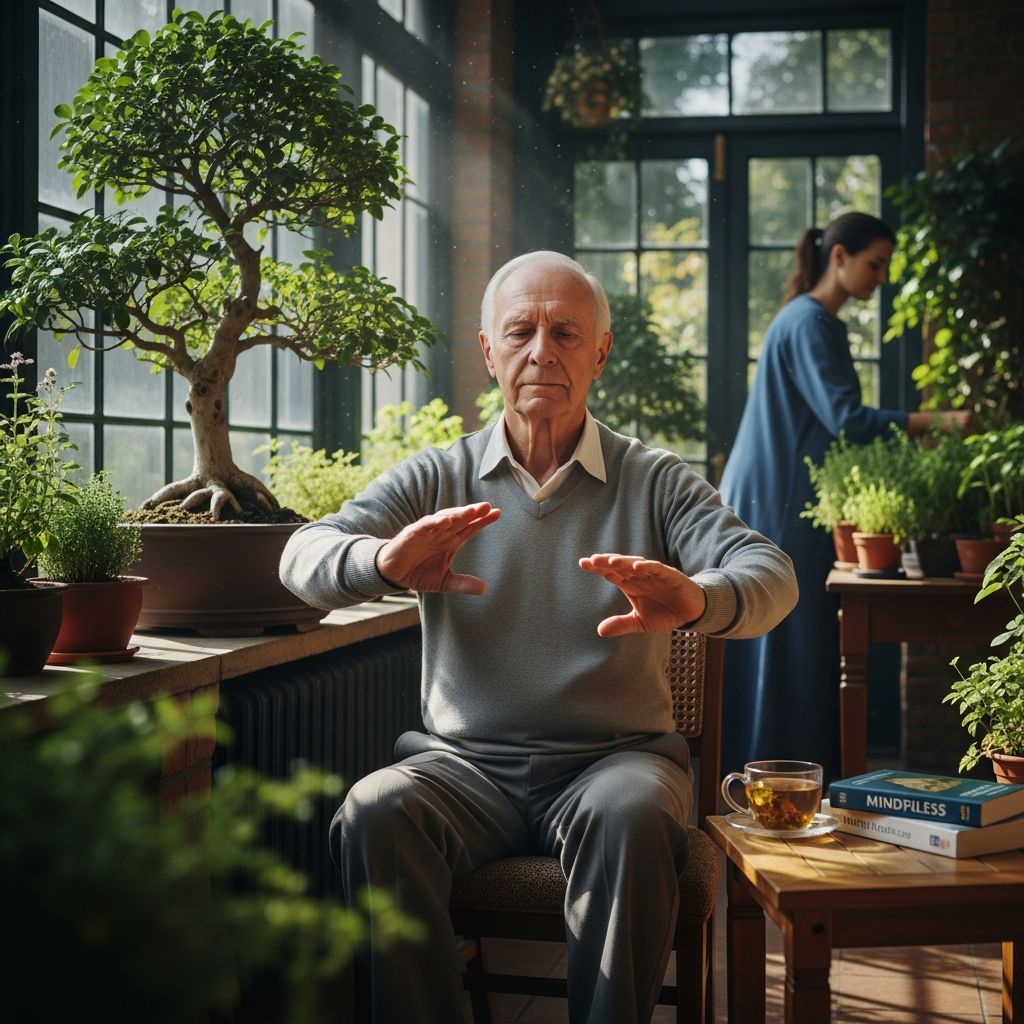
- Tai Chi: This gentle martial art emphasizes slow, deliberate movements and balance. Multiple trials demonstrate its efficacy in reducing falls and improving postural stability in PD patients.
- Dance Therapy: Partnered or rhythmic dancing boosts coordination, mood, and social engagement. Meta-analyses confirm gains in functional mobility over standard physiotherapy.
- Aerobic Exercise: Structured programs yield symptomatic benefits and may protect neurons, per preclinical models.
These activities are accessible, low-cost, and adaptable to varying disease stages, making them practical additions to routines.
Mind-Body and Relaxation Techniques
Mindfulness and related practices target non-motor symptoms like anxiety and cognitive fog, common in advanced PD. Meditation fosters resilience and may alleviate tremors subjectively.
- Mindfulness Meditation: Short daily sessions improve attention and emotional regulation. Patient reports note tremor reduction and better sleep, though large trials are pending.
- Yoga: Adapted poses enhance flexibility and reduce stress hormones, supporting overall vitality.
Music and art therapies engage multiple brain regions, aiding bradykinesia and depression. A three-month choral singing program improved mood and slowness in one study.
Nutritional and Supplement Strategies
Dietary adjustments and supplements aim to combat oxidative stress and inflammation implicated in PD pathology. A protein redistribution diet, spacing intake from levodopa doses, shows strong evidence for dyskinesia reduction.
| Supplement | Potential Benefit | Evidence Level |
|---|---|---|
| Vitamin D | Bone health, motor function | Preliminary |
| Resveratrol | Antioxidant, neuroprotection | Early studies |
| Green Tea Polyphenols | Anti-inflammatory | Promising |
| Alpha-Lipoic Acid | Mitochondrial support | Limited |
While intriguing, these require more validation; dosages should be provider-guided to prevent excesses.
Acupuncture and Energy Modalities
Acupuncture involves thin needles at specific points to balance energy and stimulate nerves. Systematic reviews note positive effects on pain, daily activities, and possibly motor scores, despite study quality issues.
Related Stories



- Case series report musculoskeletal pain relief and gait improvements.
- Dry needling, a variant, targets muscles directly for rigidity.
Other modalities like Reiki or Shiatsu offer relaxation but lack PD-specific rigor. Regulation by bodies like the Complementary and Natural Healthcare Council ensures practitioner standards.
Emerging Light and Vibration Therapies
Innovative options include light exposure and mechanical vibrations. Bright light therapy, mimicking sunlight, may regulate sleep via melatonin suppression, with pilot data on mood.
Red-light therapy (photobiomodulation) shows neuroprotective promise in labs, accelerating healing per NASA origins, but human PD trials are nascent.
Whole-body vibration platforms promise motor gains, yet conflicting trials— one noting UPDRS improvements, others null—preclude endorsement.
Integrating Therapies into Daily Life
Successful incorporation starts with professional input, especially for polypharmacy risks. Local availability varies; some NHS sites offer acupuncture or massage. Community classes for dance or Tai Chi provide social benefits.
Track progress via journals or apps, adjusting based on response. Holistic functional medicine views PD through lifestyle lenses, combining diet, exercise, and therapies for whole-person care.
Evidence Overview and Research Gaps
Meta-analyses affirm complementary therapies’ edge in balance and mobility over usual care, with moderate effect sizes. Tai Chi and acupuncture garner NCCIH nods for symptom relief. However, heterogeneity, small samples, and funding biases limit conclusions. Ongoing trials probe music, vibration, and multi-modal packs.
PD’s heterogeneity demands personalized trials; future work eyes biomarkers for neuroprotection.
Frequently Asked Questions
Are complementary therapies safe for PD patients?
Most carry low risks when supervised, but herb-drug interactions (e.g., supplements with levodopa) warrant caution. Always disclose to physicians.
How do I find qualified practitioners?
Seek CNHC-registered for massage, acupuncture; verify credentials via official directories.
Can these replace medications?
No— they complement, not substitute, core treatments. Evidence supports adjunctive roles.
What about costs and access?
Exercise and meditation are free/low-cost; others vary. Check NHS/GP referrals or charities like Parkinson’s UK.
Which has strongest evidence?
Exercise (Tai Chi, dance) and protein diets lead; others show promise pending confirmation.
Practical Tips for Getting Started
- Assess symptoms: Prioritize therapies targeting your main issues (e.g., dance for gait).
- Start slow: 10-20 minute sessions to build tolerance.
- Combine wisely: Pair exercise with mindfulness for synergistic effects.
- Monitor: Use UPDRS-like scales or wearables for objective tracking.
- Join groups: Peer support amplifies motivation and adherence.
By weaving these into care plans, PD patients can reclaim agency, fostering resilience amid progression.
References
- Complementary Therapies for Parkinson’s Disease — PMC – NIH. 2018-10-26. https://pmc.ncbi.nlm.nih.gov/articles/PMC6178661/
- Complementary therapies intervention in Parkinson’s disease — Frontiers in Neurology. 2025. https://www.frontiersin.org/journals/neurology/articles/10.3389/fneur.2025.1703611/full
- Exploring Complementary Therapies and Functional Medicine in PD — Parkinson.org. 2023. https://www.parkinson.org/blog/awareness/complementary-therapies-and-functional-medicine
- Complementary therapies — Parkinson’s UK. 2024. https://www.parkinsons.org.uk/information/treatments/complementary-therapies
- Parkinson’s Disease and Complementary Health Approaches — NCCIH. 2023-05-01. https://www.nccih.nih.gov/health/providers/digest/parkinsons-disease-and-complementary-health-approaches
Similar Articles








Read full bio of Sneha Tete