Complete Blood Count (CBC): What It Is & Normal Ranges
Understand CBC tests: Learn what they measure, why you need them, and what results mean.
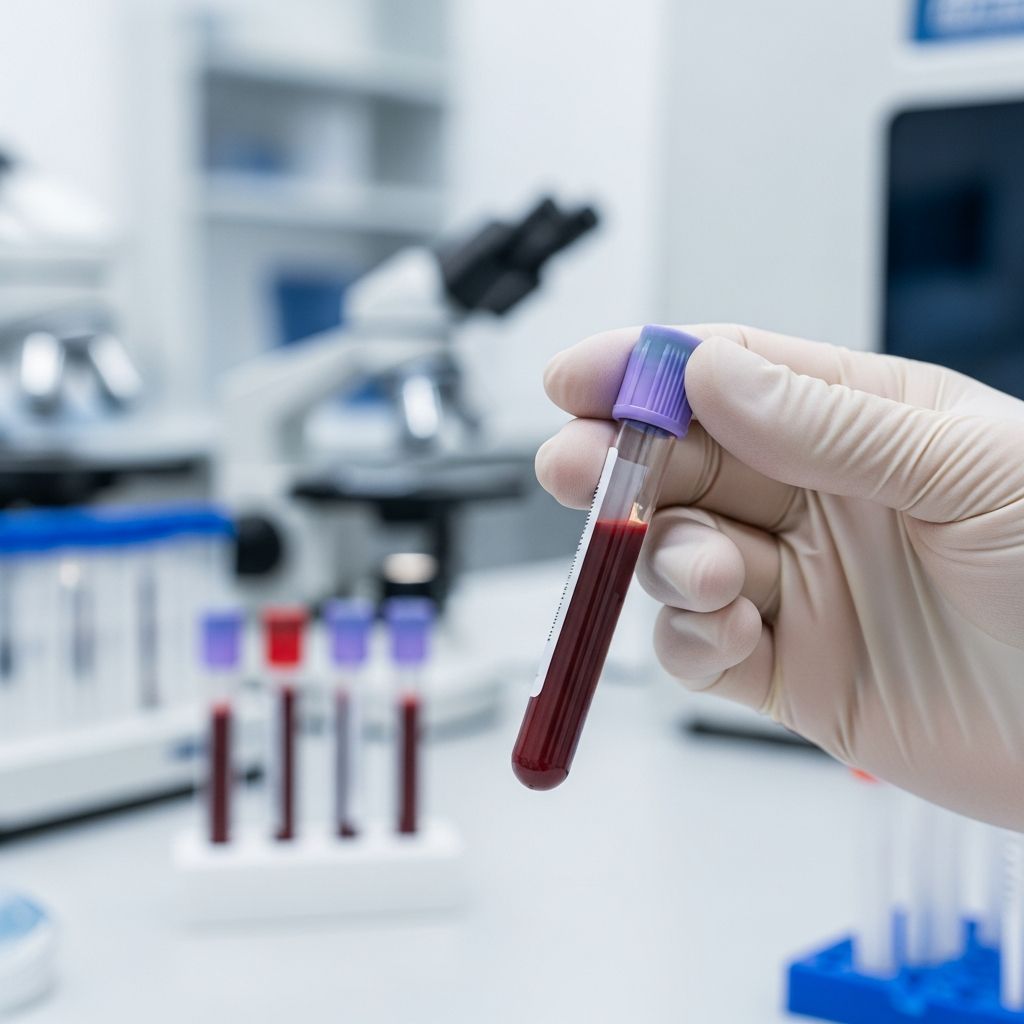
A complete blood count is a common blood test that providers use to learn more about your health. You may have one as part of a routine exam or to help your provider understand the symptoms you’re having. While waiting for the results of a test might make you feel anxious, it can be helpful to remember that the results of a CBC give your provider important clues about what’s happening inside your body. These clues can help you get the right diagnosis and treatment to help you feel better.
What Is a Complete Blood Count?
A complete blood count, or CBC, is a group of blood tests that measure the number and size of the different cells in your blood. This comprehensive test provides essential information about various blood components and their concentrations in your bloodstream. The CBC is one of the most frequently ordered blood tests in clinical practice because it offers valuable insights into your overall health status.
The complete blood count measures several important blood components:
Red Blood Cells (RBC)
Red blood cells are responsible for carrying oxygen from your lungs to the rest of your body. These cells contain hemoglobin, an iron-rich protein that binds to oxygen molecules. The number of red blood cells is an important indicator of your body’s oxygen-carrying capacity. A CBC measures the total count of red blood cells in your blood sample.
White Blood Cells (WBC)
White blood cells fight infections and other diseases in your body. There are five major types of white blood cells, each with specific immune functions. A standard CBC test measures the total number of white cells in your blood. However, a different test called a CBC with differential measures the number of each type of these white blood cells individually, providing more detailed information about your immune system’s specific components.
Platelets
Platelets are small cell fragments that stop bleeding by helping your blood to clot. When you have an injury, platelets aggregate and form a plug to stop bleeding. The platelet count is crucial for assessing your body’s ability to control bleeding and maintain hemostasis.
Hemoglobin
Hemoglobin is an iron-rich protein in red blood cells that carries oxygen from your lungs to the rest of your body. The hemoglobin level indicates how much oxygen-carrying capacity your blood has and is measured in grams per deciliter (g/dL).
Hematocrit
Hematocrit represents the amount of whole blood that is made up of red blood cells. This measurement is expressed as a percentage and helps determine if you have adequate red blood cell levels for proper oxygen transport.
Mean Corpuscular Volume (MCV)
Mean corpuscular volume measures the average size of your red blood cells. This measurement is important for classifying anemias and understanding potential causes of abnormal red blood cell counts.
Related Stories



What Is a CBC Used For?
A complete blood count is often part of a routine checkup. It is also used to monitor a condition or treatment that may affect your blood cell counts such as infections, anemia, immune system disorders, and blood cancers. The versatility of the CBC makes it an invaluable diagnostic tool in modern medicine.
Specific uses of the CBC include:
– Screening for blood diseases and detecting abnormalities in blood cell production- Monitoring infections and assessing the effectiveness of your immune system- Evaluating immune system disorders and autoimmune conditions- Diagnosing other medical conditions that affect blood composition- Monitoring the effects of medications or treatments on blood cell counts- Detecting blood cancers such as leukemia and lymphoma- Assessing overall health status during routine physical examinations
Why Do You Need a Complete Blood Count?
Your healthcare provider may order a complete blood count as part of your checkup or to monitor your overall health. The test may also be used for several important purposes:
– Help diagnose blood diseases: The CBC can identify various blood disorders that affect red blood cells, white blood cells, or platelets- Detect infections: Abnormal white blood cell counts can indicate bacterial, viral, or fungal infections- Identify immune system disorders: The test helps detect conditions that affect immune function- Screen for other medical conditions: The CBC can reveal underlying health issues affecting blood composition- Check for changes in existing blood disorders: Regular CBC tests monitor the progression of known conditions and treatment effectiveness
What Happens During a Complete Blood Count?
A healthcare professional will take a blood sample from a vein in your arm, using a small needle. The procedure is straightforward and minimally invasive. After the needle is inserted, a small amount of blood will be collected into a test tube or vial. You may feel a little sting when the needle goes in or out. This usually takes less than five minutes.
The process involves the following steps:
– Your healthcare provider will clean your skin with an alcohol wipe- An elastic band is placed around your upper arm to make veins more prominent- You may be asked to make a fist to increase blood flow- A small needle is inserted into a vein, typically in your arm or hand- Blood flows from the needle into a collection vial- The needle is withdrawn and pressure is applied to the site- A bandage is placed over the puncture site
How Much Blood Is Collected?
On average, a complete blood count test may require approximately 30 milliliters (mL) of blood. While this may sound like a substantial amount, particularly when watching blood flow into several sample tubes, it represents a very small portion of your total blood volume. The average adult has 4,500 to 5,700 milliliters of blood in their body, so the amount collected for a CBC is negligible and poses no health risk.
Preparation for a Complete Blood Count
Usually, no special preparation is necessary for a complete blood count. You can eat and drink normally before the test and continue your regular activities. However, if your provider ordered other tests on your blood sample, you may need to fast (not eat or drink) for several hours before the test. Your provider will let you know if there are any special instructions specific to your situation.
It’s helpful to:
– Wear loose-fitting clothing that allows easy access to your arms- Stay hydrated before your test, as this makes veins easier to access- Inform your healthcare provider about any medications you’re taking- Let your provider know if you have a history of fainting during blood draws- Arrive a few minutes early to allow time for check-in
Understanding Your CBC Results
A CBC counts the cells in your blood. There are many reasons your levels may not be in the normal range. Normal ranges can vary slightly between laboratories and may differ based on age, sex, and other factors. Your healthcare provider will interpret your results in the context of your overall health and medical history.
Normal CBC Ranges
| Component | Normal Range | Unit ||———–|————–|——|| Red Blood Cells (RBC) | 4.5-5.9 (men), 4.1-5.1 (women) | million/µL || White Blood Cells (WBC) | 4.5-11.0 | thousand/µL || Hemoglobin | 13.5-17.5 (men), 12.0-15.5 (women) | g/dL || Hematocrit | 38.8-50.0 (men), 34.9-44.5 (women) | % || Platelets | 150-400 | thousand/µL || Mean Corpuscular Volume (MCV) | 80-100 | fL |
What Abnormal Results Mean
Abnormal red blood cell, hemoglobin, or hematocrit levels may indicate:
– Dehydration affecting blood concentration- Anemia from various causes including iron deficiency- Heart disease affecting oxygen circulation- Nutritional deficiencies, particularly iron deficiency- Chronic kidney disease affecting red blood cell production- Internal bleeding or blood loss- Bone marrow disorders affecting cell production
A low white cell count may be a sign of:
– Autoimmune disorders where the body attacks its own white blood cells- Bone marrow disorders affecting cell production- Cancer or cancer treatment effects- Certain infections- Medication side effects- HIV or other immunodeficiency conditions
A high white cell count may be a sign of:
– Infections such as bacterial, viral, or fungal diseases- Reactions to medications- Leukemia or other blood cancers- Inflammatory conditions- Stress or emotional reactions- Smoking or tobacco use
Abnormal platelet counts may indicate:
– Thrombocytopenia (low platelets) affecting clotting ability- Thrombocytosis (high platelets) increasing clotting risk- Bone marrow disorders- Autoimmune conditions- Medication side effects- Bleeding disorders
When to Expect Results
CBC results are typically available within 24 to 48 hours of your blood draw, though some laboratories may provide results more quickly. Your healthcare provider will review the results and contact you with findings and any necessary next steps. If abnormal results require urgent attention, your provider may contact you sooner.
Following Up on Your Results
If your CBC results are abnormal, your healthcare provider may recommend additional testing to determine the underlying cause. This might include:
– A CBC with differential to examine specific white blood cell types- Iron studies to assess iron levels and storage- Thyroid function tests- Liver or kidney function tests- Additional specialized blood tests- Bone marrow biopsy in certain cases- Imaging studies if indicated
Frequently Asked Questions About CBC Tests
Q: Is a CBC test painful?
A: The CBC test involves only a small needle stick, which most people experience as minimal discomfort. You may feel a brief sting when the needle enters, but the overall procedure is quick and generally well-tolerated.
Q: How often should I have a CBC test?
A: The frequency depends on your health status and medical history. Healthy individuals may have a CBC during routine annual physicals, while those with chronic conditions or taking certain medications may need more frequent testing as recommended by their healthcare provider.
Q: Can medications affect CBC results?
A: Yes, certain medications can affect blood cell counts. Always inform your healthcare provider about all medications and supplements you’re taking before your CBC test.
Q: What does a CBC with differential measure?
A: A CBC with differential provides additional information by measuring the individual counts of different types of white blood cells, including neutrophils, lymphocytes, monocytes, eosinophils, and basophils.
Q: Can I eat before a CBC test?
A: In most cases, yes. Unless your provider orders fasting for additional blood tests, you can eat and drink normally before your CBC test.
Q: What should I do if I feel faint during blood collection?
A: Inform the phlebotomist immediately. They can help you recline, provide cool compresses, or take other measures to prevent fainting. This is a common reaction and healthcare professionals are experienced in managing it.
Q: How reliable are CBC test results?
A: CBC tests are highly reliable and standardized across laboratories. However, results should be interpreted by a qualified healthcare provider in the context of your overall health and medical history.
Q: Can a CBC detect cancer?
A: A CBC can detect some blood or immune system cancers like leukemia and lymphoma. However, it cannot detect solid organ cancers directly, though it may reveal abnormalities that prompt further investigation.
Conclusion
The complete blood count is an essential diagnostic tool that provides valuable information about your overall health status. By measuring various blood components, a CBC can help healthcare providers diagnose conditions, monitor treatments, and assess your immune system function. Understanding what a CBC measures, how it’s performed, and what your results mean empowers you to take an active role in your healthcare. If you have concerns about your CBC results or questions about what they mean for your health, discuss them with your healthcare provider, who can provide personalized guidance based on your individual circumstances.
References
- Complete Blood Count (CBC) — MedlinePlus, National Library of Medicine. 2024. https://medlineplus.gov/lab-tests/complete-blood-count-cbc/
- Complete Blood Count (CBC): What It Is & Normal Ranges — Cleveland Clinic. 2024. https://my.clevelandclinic.org/health/diagnostics/4053-complete-blood-count
- Blood Tests: Types, Results & How They Work — Cleveland Clinic. 2024. https://my.clevelandclinic.org/health/diagnostics/24508-blood-tests
- Hemoglobin Test: What It Is, Procedure & Results — Cleveland Clinic. 2024. https://my.clevelandclinic.org/health/diagnostics/17790-hemoglobin-test
- Blood Tests for Cancer: Diagnosis & Screening — Cleveland Clinic. 2024. https://my.clevelandclinic.org/health/diagnostics/22338-blood-tests-for-cancer
- Complete Blood Count and Differential — Cleveland Clinic Laboratories. 2024. https://clevelandcliniclabs.com/test/complete-blood-count/
Similar Articles








Read full bio of medha deb