Complete Blood Count (CBC) Guide: What Your Results Mean
Unlock the secrets of your CBC test: Understand blood cell counts, normal ranges, and what abnormal results reveal about your health.
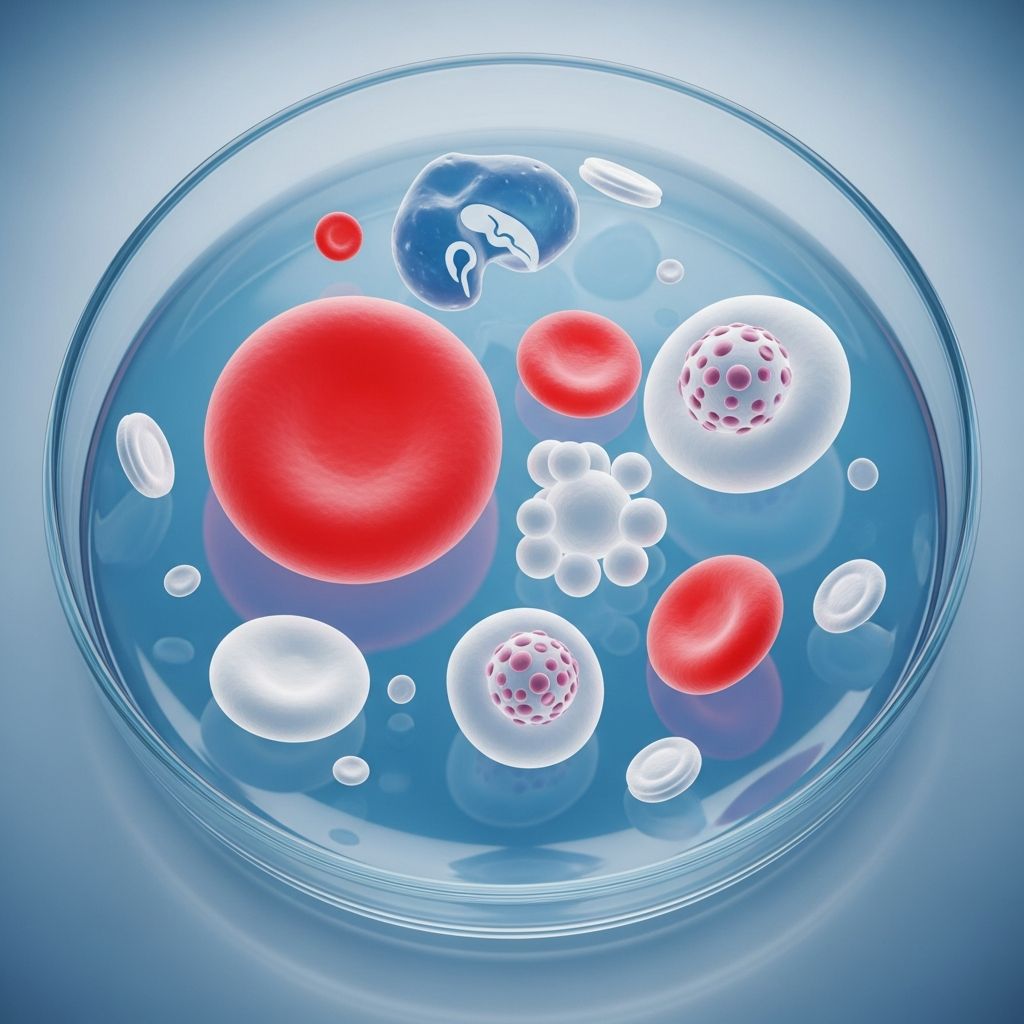
A complete blood count (CBC) serves as a fundamental diagnostic tool that evaluates the quantity, size, and quality of various blood cells circulating in your body. This routine test offers critical insights into overall health, helping detect conditions ranging from anemia and infections to more serious disorders like leukemia.
Why Doctors Order a CBC Test
Healthcare providers frequently request a CBC as part of regular check-ups, during illness evaluations, or to monitor chronic conditions. It provides a snapshot of blood health, identifying abnormalities that might indicate underlying issues such as nutritional deficiencies, bone marrow problems, or inflammatory responses.
- Assesses general wellness during annual exams.
- Diagnoses unexplained symptoms like fatigue, fever, or easy bruising.
- Monitors treatment effectiveness for blood disorders or chemotherapy.
- Screens for risks of cardiovascular disease, diabetes, or cancer.
Key Components Measured in a CBC
The CBC analyzes three primary blood cell types: red blood cells (RBCs), white blood cells (WBCs), and platelets, along with related metrics like hemoglobin and hematocrit. Modern analyzers also produce a differential count for WBC subtypes.
Red Blood Cells and Related Parameters
Red blood cells transport oxygen from lungs to tissues. Key measurements include:
- RBC Count: Total number of red cells per volume of blood.
- Hemoglobin (Hb): Oxygen-carrying protein in RBCs.
- Hematocrit (Hct): Percentage of blood volume occupied by RBCs.
- Mean Corpuscular Volume (MCV): Average RBC size, aiding anemia classification.
- Mean Corpuscular Hemoglobin (MCH): Average hemoglobin per RBC.
- Mean Corpuscular Hemoglobin Concentration (MCHC): Hemoglobin concentration in RBCs.
- Red Cell Distribution Width (RDW): Variation in RBC size.
White Blood Cells and Differential
WBCs defend against infections. A standard CBC includes total WBC count; a CBC with differential breaks it down:
- Neutrophils: Combat bacterial infections (absolute neutrophil count or ANC).
- Lymphocytes: Target viruses and produce antibodies.
- Monocytes: Handle chronic infections and debris cleanup.
- Eosinophils: Fight parasites and allergies.
- Basophils: Involved in allergic responses.
The differential shows percentages and absolute numbers, revealing immune system status.
Platelets and Clotting Factors
Platelets prevent bleeding by forming clots. CBC measures platelet count and sometimes mean platelet volume (MPV).
Normal Reference Ranges for CBC
Normal values vary by age, sex, lab, and population. Always consult your doctor for personalized interpretation.
| Parameter | Male Normal Range | Female Normal Range |
|---|---|---|
| RBC Count | 4.35–5.65 trillion/L | 3.92–5.13 trillion/L |
| Hemoglobin | 13.2–16.6 g/dL | 11.6–15 g/dL |
| Hematocrit | 38.3%–48.6% | 35.5%–44.9% |
| WBC Count | 3.4–9.6 billion/L | 3.4–9.6 billion/L |
| Platelet Count | 135–317 billion/L | 157–371 billion/L |
Note: Children and pregnant individuals have different ranges.
How to Prepare for Your CBC Test
Preparation is minimal for most CBCs. Fasting isn’t typically required unless combined with other tests.
- Avoid strenuous exercise 24 hours prior, as it can temporarily alter counts.
- Stay hydrated but inform your provider of medications or supplements.
- No special diet needed, but disclose recent alcohol use or smoking.
The Blood Draw Process Explained
Related Stories



A phlebotomist draws blood from a vein in your arm using a needle. The process takes 5–10 minutes:
- Tourniquet applied to engorge vein.
- Site cleaned with alcohol.
- Needle inserted; blood fills tubes.
- Pressure applied post-draw to prevent bruising.
Results are usually available within hours to a day.
Interpreting Your CBC Results
Results include raw numbers, percentages, and flags for abnormalities. Trends over time are more informative than single tests.
Common Abnormalities and Meanings
- Anemia (Low RBC/Hb/Hct): Fatigue from iron deficiency, vitamin B12/folate lack, or chronic disease.
- Leukopenia (Low WBC): Increased infection risk from viral infections or autoimmune issues.
- Neutropenia (Low Neutrophils): High infection vulnerability, often from chemotherapy.
- Leukocytosis (High WBC): Suggests infection, inflammation, or stress.
- Thrombocytopenia (Low Platelets): Bleeding risk from medications or immune disorders.
- Thrombocytosis (High Platelets): Linked to inflammation or cancer.
Advanced indices like high RDW indicate mixed anemias; low MCV suggests microcytic types.
Advanced Insights from CBC Parameters
Beyond basics, CBC predicts broader risks. Elevated WBC components correlate with cardiovascular disease, diabetes, and cancer. For instance, high neutrophils may signal acute inflammation, while monocyte increases point to chronic conditions.
When Follow-Up Testing is Needed
Abnormal CBC often prompts further tests like peripheral smear, iron studies, or bone marrow biopsy. Your doctor considers symptoms and history.
Frequently Asked Questions (FAQs)
What if my CBC is slightly outside normal range?
Minor deviations are common and may normalize. Retest and discuss context with your provider.
Can medications affect CBC results?
Yes, steroids raise WBCs; chemotherapy lowers counts. List all drugs before testing.
Is CBC safe during pregnancy?
Absolutely, it’s routine for monitoring maternal and fetal health.
How often should I get a CBC?
Annually for routine screening; more frequently if at risk or managing conditions.
Does dehydration impact results?
Yes, it concentrates blood, falsely elevating values. Hydrate well.
Empowering Yourself with CBC Knowledge
Understanding your CBC empowers informed discussions with healthcare teams. Track results over time to spot patterns early. While CBC is invaluable, it’s one piece of the diagnostic puzzle—combine with physical exams and history for comprehensive care.
References
- Normal and Abnormal Complete Blood Count With Differential — NCBI Bookshelf. 2023. https://www.ncbi.nlm.nih.gov/books/NBK604207/
- Complete Blood Count (CBC) — MedlinePlus. 2023-10-01. https://medlineplus.gov/lab-tests/complete-blood-count-cbc/
- Usefulness of Complete Blood Count (CBC) to Assess … — PMC. 2022-11-29. https://pmc.ncbi.nlm.nih.gov/articles/PMC9687310/
- Complete blood count (CBC) — Canadian Cancer Society. 2024. https://cancer.ca/en/treatments/tests-and-procedures/complete-blood-count-cbc
- Complete blood count (CBC) — Mayo Clinic. 2023-08-14. https://www.mayoclinic.org/tests-procedures/complete-blood-count/about/pac-20384919
- Complete Blood Count (CBC) Test — Labcorp OnDemand. 2024. https://www.ondemand.labcorp.com/lab-tests/complete-blood-count
- Complete Blood Count (CBC) Interpretation — CEUfast. 2023. https://ceufast.com/course/complete-blood-count-cbc-interpretation
Similar Articles








Read full bio of medha deb